DD
MM
YYYY

PAGES

DD
MM
YYYY

spot_img

PAGES

Home Blog Page 2897

Tether Records More Profit than BlackRock in 2023

0

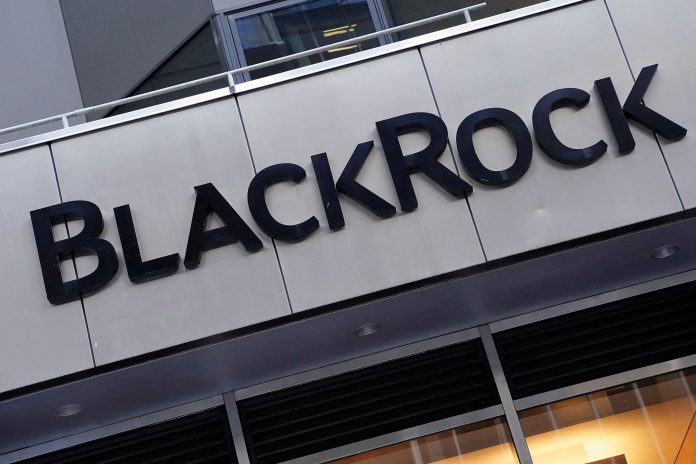
In an unprecedented turn of events, the stablecoin issuer Tether outperformed BlackRock, the world’s largest asset manager, in terms of profit in 2023. Tether reported a staggering $6.2 billion in net operating profits, while BlackRock’s net income stood at $5.502 billion. This marks a significant milestone for the cryptocurrency sector, as it showcases the growing financial prowess of digital assets and their underlying technologies.

Tether, the largest stablecoin by market capitalization, maintains its value through a peg to the U.S. dollar. This peg is achieved by Tether Limited claiming to hold reserves that are equal or greater in value to the USDT in circulation. These reserves include traditional fiat currencies and cash equivalents, such as short-term government securities. The company’s approach ensures that for every USDT token, there is an equivalent amount of U.S. dollars or dollar-equivalent assets held by Tether Limited, providing a one-to-one exchange ratio.

Tether’s success can be attributed to its strategic investments and the rising interest rates, which bolstered its income from U.S. Treasury bills. The company’s ventures into Bitcoin and gold also paid off, contributing to its record-breaking profits. On the other hand, BlackRock’s performance, though solid, was impacted by market conditions that influenced its assets under management (AUM).

The implications of Tether’s financial triumph are manifold. It highlights the increasing acceptance and integration of cryptocurrencies within the broader financial landscape. Moreover, it underscores the potential of stablecoins to generate substantial revenue, challenging traditional financial institutions.

The stability of Tether is crucial for crypto traders who use it to mitigate volatility when transferring between cryptocurrencies or moving investments to and from fiat currencies. Tether’s ability to maintain its peg to the dollar, despite the inherent volatility of the crypto market, has made it a cornerstone of the digital asset ecosystem. The company’s transparency in publishing daily reports on its reserves has been a key factor in sustaining trust among users, although it has faced scrutiny and controversy over the sufficiency and composition of its reserves.

Tether operates in a rapidly evolving regulatory environment. The lack of clear regulations for stablecoins can lead to unexpected legal challenges that may affect its operations. Questions have been raised about the adequacy and composition of Tether’s reserves. The company claims that its tokens are backed 1:1 by U.S. dollars, but there have been concerns about whether the reserves are fully audited and sufficient to cover the number of tokens in circulation.

There have been accusations that Tether has been used to manipulate the cryptocurrency market. Studies suggest that the issuance of unbacked Tether tokens may have been used to inflate the price of Bitcoin during market rallies. Tether’s linkage to the traditional financial system could pose systemic risks. If a significant problem were to arise with Tether, it could potentially affect other markets and financial systems due to its large presence in the crypto space.

While Tether employs robust security measures, the digital nature of cryptocurrencies means they are always at risk of hacking and cyber-attacks. Users must trust that Tether’s security is sufficient to protect their assets. Understanding these risks is crucial for anyone considering using or investing in Tether. It’s important to conduct thorough research and consider the stability and safety of any cryptocurrency or financial instrument before engaging with it. Tether’s role in the market is significant, and so is the need for transparency and trust in its operations.

As the crypto market continues to evolve, it will be interesting to observe how established financial entities like BlackRock respond to the competition from digital asset companies. The intersection of traditional finance and cryptocurrency is becoming increasingly prominent, and Tether’s profitability is a testament to the dynamic nature of this convergence.
China Imposes Six Months Ban, $62m Fine on PwC for Not Disclosing Evergrande Financial Misreporting

0
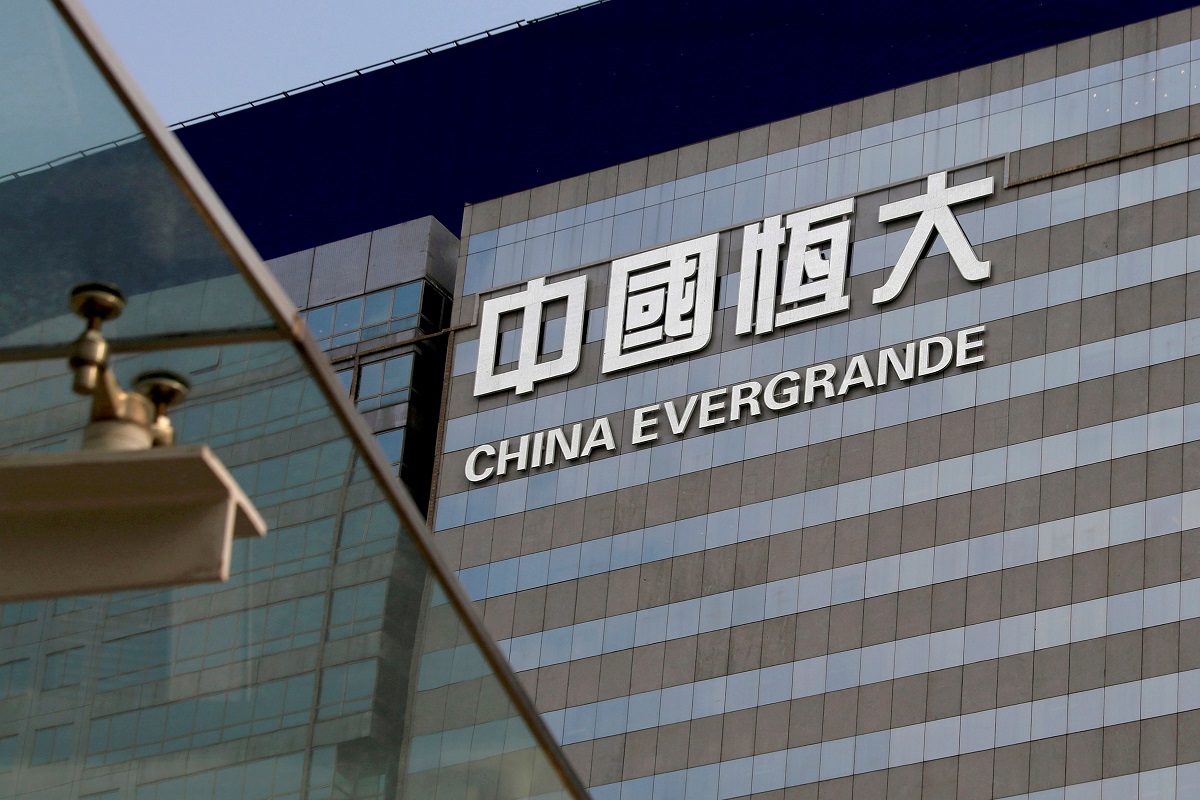
FILE PHOTO: An exterior view of China Evergrande Centre in Hong Kong, China March 26, 2018. REUTERS/Bobby Yip/File Photo/File Photo/File Photo

Chinese authorities have handed down an unprecedented six-month suspension and imposed a hefty Rmb441 million ($62 million) fine on PwC China, marking the most significant punitive action to date against a Big Four firm in the country, per The FT.

This decisive move comes in the wake of revelations that PwC China’s auditors allegedly turned a blind eye to widespread financial misreporting at the embattled property developer Evergrande, one of China’s most high-profile corporate collapses.

The Ministry of Finance’s statement on Friday detailed a litany of failings by PwC China and its Guangzhou branch, which oversaw Evergrande’s mainland subsidiary, Hengda Real Estate. According to the ministry, the firm not only failed to flagmajor mistakesin the audit between 2018 and 2020 but also participated in distorting financial records, which significantly inflated Evergrande’s profits and obscured the company’s spiraling debt.

The regulator highlighted that nearly 88% of PwC’s audit records did not match the reality of Evergrande’s projects, underscoring a systematic failure to conduct proper due diligence.

China’s crackdown on PwC China is part of a broader tightening of regulatory oversight, reflecting the government’s increasing focus on ensuring financial transparency amid the property sector’s deepening crisis.

Evergrande’s collapse in 2021 was the culmination of years of unchecked debt accumulation, with the developer defaulting on over $300 billion in liabilities, triggering ripple effects throughout the Chinese and global financial markets. The situation worsened after the Chinese securities regulator revealed in March that Evergrande had inflated its revenues by almost $80 billion over the course of two years, a period during which PwC approved its accounts.

Auditor Independence in Question

At the heart of the scandal is the question of auditor independence and integrity. China’s Ministry of Finance stated that PwC’s audit teamlost its independenceand failed to exercise due professional skepticism, essentially enabling Evergrande’s fraudulent activities. Rather than uncovering the discrepancies, PwC auditors allegedly concealed or condoned the financial irregularities, leading to what the authorities described asmany false conclusionsabout Evergrande’s financial health.

PwC’s behavior goes beyond mere auditing failure, they concealed or even condoned the financial fraud and fraudulent issuance of corporate bonds of Hengda Real Estate,said China’s securities regulator in a separate statement.

PwC’s Guangzhou office, specifically tasked with auditing Hengda Real Estate, has been ordered to shut down entirely, while the broader PwC China network faces the ban on new audit business for six months. In addition to the fines, several auditors who signed off on Evergrande’s statements have had their accounting licenses revoked, and others involved in the audit process have been penalized.

PwC Responds With Internal Shake-Up

In response to the crisis, PwC China has initiated a sweeping internal overhaul. The firm expressed deep regret for the failures identified by the regulators, acknowledging that its audit of Evergrandefell unacceptably belowthe expected standards.

“We are disappointed by PwC Zhong Tian’s (orPwC ZT’) audit work of Hengda, which fell unacceptably below the standards we expect of member firms of the PwC network,PwC said in a statement.

As a consequence, PwC terminated six partners and five additional employees who were directly involved in the audit, signaling a commitment to accountability. Daniel Li, who assumed the role of senior partner for PwC China in July, has also stepped down from his leadership position, though he will remain with the firm as chief accountant.

To manage the fallout, PwC has taken the unusual step of appointing Hemione Hudson, a senior UK partner, to lead PwC China on an interim basis. Hudson’s appointment, which brings in an external perspective, highlights the level of concern within the PwC network about the crisis engulfing its China operations.

A Chilling Effect on the Big Four

PwC’s troubles in China mirror broader concerns about the role of foreign auditing firms in the country, especially as Chinese regulators intensify scrutiny of financial disclosures in the wake of Evergrande’s collapse. While China has long relied on the expertise of international firms like PwC, Deloitte, EY, and KPMG, the regulatory environment has shifted dramatically in recent years.

In 2022, Deloitte was fined $31 million and suspended for three months for audit deficiencies related to China Huarong Asset Management, one of the country’s largest bad debt managers. However, PwC’s penalties far exceed those imposed on Deloitte, marking a turning point in how China approaches audit oversight.

The Evergrande debacle has had far-reaching consequences for PwC China. Over the course of this year, PwC has lost approximately two-thirds of its accounting revenues from mainland-listed clients, primarily state-owned enterprises that have chosen to distance themselves from the firm amid the mounting scandal.

The Bank of China, one of PwC’s largest clients, switched auditors to rival firm EY in August, underscoring the damage done to PwC’s reputation in China. Other state-owned enterprises are expected to follow suit, as Chinese law prohibits them from engaging with sanctions-hit auditors.

Implications for Global Clients

Following the heavy sanctions, PwC has been working to assure its international clients that it remains capable of fulfilling its commitments for the 2024 audit cycle. Among the firm’s high-profile clients are Chinese tech giants Alibaba and Tencent, as well as insurer AIA. PwC has reassured these companies that it will continue to provide audit services, despite the temporary ban in mainland China.

However, the fallout from PwC’s audit failure has sparked fresh concern over the role of the Big Four in China, particularly in light of the government’s increasing emphasis on promoting local auditors. While foreign firms have long dominated the audit market for major Chinese companies, the Evergrande scandal may signal a shift towards greater reliance on domestic firms, especially as Chinese regulators tighten their grip on the financial system.

The crisis has also raised concerns about the future of the auditing profession in China, where the demands for accountability are growing, and the tolerance for corporate mismanagement is rapidly diminishing. As Beijing continues to grapple with the challenges of managing the property sector’s debt overhang, the penalties imposed on PwC China may well be a harbinger of even tougher regulatory actions to come.

The finance ministry also saidrelevant violationsof PwC’s Hong Kong unit, which audited the accounts of the Evergrande parent group, would be investigated.

For now, PwC China is facing a critical juncture, one where it must not only rebuild trust with regulators and clients but also navigate the shifting landscape of China’s audit and financial oversight. Whether it can emerge from this crisis with its reputation intact remains to be seen, but the case of Evergrande has undoubtedly cast a long shadow over the future of the firm’s operations in the country.

Nigeria Stopped Our Plan to Construct 1,200km Subsea Gas Pipeline – Dangote Industries.

1

Government policies have once again been blamed for stifling economic growth in Nigeria, with the recent revelations from Dangote Industries serving as a prime example of how regulatory bottlenecks hinder private investment in the country. The Vice President of Dangote Industries Limited, Devakumar Edwin, has revealed that a government policy forced the company to abandon its plan to construct a 1,200km subsea gas pipeline.

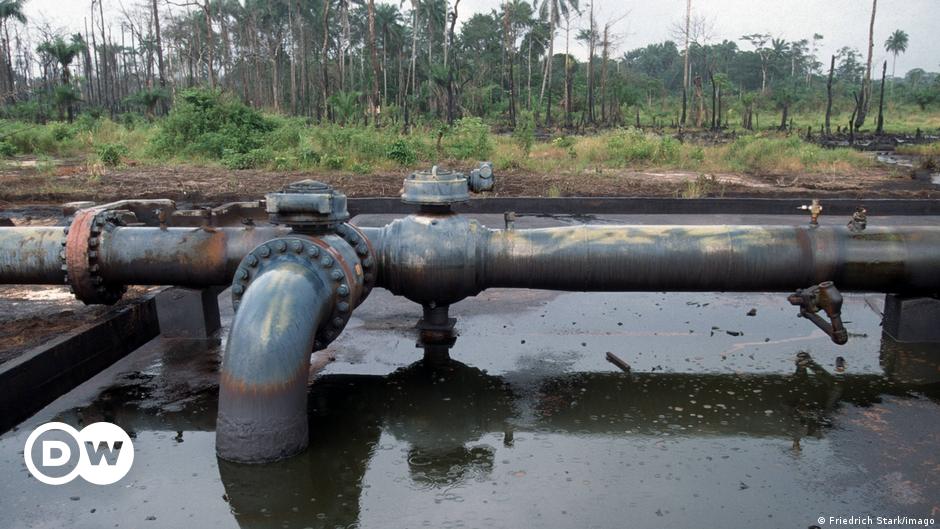
During a discussion hosted by Nairametrics on X (formerly Twitter), Edwin explained that the pipeline was intended to bring 2 billion standard cubic feet (scf) of gas daily from offshore fields to the Nigerian shore. This gas would have been used to fuel local industries, stimulating domestic economic activity rather than merely exporting raw materials.

“Nigeria has a lot of gas which is trapped in the sea because there is no way to bring it to the shore. We wanted to invest in a network of 1,200km of subsea gas pipeline to bring the gas to the shore and our idea was not to export as NLNG because there is absolutely no difference between exporting the crude or the gas because it is raw material which you can produce a range of petrochemical materials from,” he said.

However, Nigeria’s restrictive policies once again thwarted the project. Edwin pointed out two key regulatory hurdles: first, the government’s refusal to allow a single entity to operate across the entire value chain—upstream, midstream, and downstream. Second, an even more stifling policy required that any gas pipeline built by a private investor be handed over to the Nigerian Gas Company (NGC), a subsidiary of the Nigerian National Petroleum Corporation (NNPC).

“The gas pipeline was supposed to bring in 2 billion scf of gas. We did a one-year study by hiring two ships to identify the route through which we lay the subsea gas pipeline so that the gas can be collected and evacuated. But then, the government’s policy was that there can be one player upstream, midstream and downstream. We were trying to find a solution to that then the government said all gas pipelines once you build it, you’ll had it over to the Nigeria Gas company. So that this how the project was abandoned,” he added.

Analysts have argued that government policies like these have consistently strangled economic growth in Nigeria, deterring investors who could otherwise help unlock the country’s potential. For a country with over 200 trillion cubic feet of natural gas—the largest reserves in Africa—they noted that this backdrop is the reason Nigeria continues to struggle with gas utilization while other nations are racing ahead in the global energy transition.

Energy experts have also noted that Nigeria is left flaring significant amounts of gas because it lacks the infrastructure and private investment needed to process and use this valuable resource.

Thus, many see the Dangote group’s struggles as a highlight of a deeper issue strangling economic growth. While the company’s investment in Nigeria’s energy sector—most notably its refinery and fertilizer plants—has exceeded $23 billion, the failure to develop critical gas infrastructure due to policy hurdles reflects the broader systemic problem of bureaucratic overreach.

Dangote Refinery As An Example

Dangote’s refinery project, which has been touted as a game-changer for Nigeria’s energy independence, is itself embroiled in complications. The refinery, which was expected to reduce the country’s dependency on imported refined petroleum products, faces operational delays due to policy and regulatory inconsistencies, and analysts are already expressing concerns about pricing once the refinery becomes fully operational.

With such challenges facing even the most prominent local investors, the future for foreign investment looks grim. Analysts have voiced concerns that prospective investors watching Dangote’s ordeal will think twice before committing funds to the Nigerian market.

Economist, Kalu Aja noted that no serious investor will come to Nigeria after seeing how even the biggest local players are being choked by policies.

What Lies Ahead for Nigeria’s Gas Sector?

The Nigerian National Petroleum Company Limited (NNPCL) has announced plans to triple the country’s gas reserves from the current 200 trillion cubic feet to 600 trillion cubic feet as part of its broader strategy to reach net-zero emissions by 2060. A South Korean consortium led by Daewoo E&C has also been brought on board to advance gas development projects.

NNPCL’s Group CEO, Mele Kyari, has also highlighted partnerships with international firms, such as a recent $550 million investment deal with French energy giant TotalEnergies to develop gas infrastructure in Rivers State.

But while these plans sound promising,  analyst believe they mean little without the kind of private-sector participation that policy restrictions currently discourage.

At a time when global energy markets are shifting toward cleaner alternatives, Nigeria’s lack of infrastructure for processing its abundant gas reserves is widely seen as a missed opportunity. More troubling, however, is the message this sends to the international investment community.

The current regulatory framework, which demands that private companies hand over infrastructure to the government, has been criticized as a deterrent to capital inflow.

Come and let us understand the physics of business at Tekedia Mini-MBA. Today.

0

Come and let us understand the physics of business at Tekedia Mini-MBA. Today, live on Zoom!  Your seat is still waiting here.

Tekedia Institute offers Tekedia Mini-MBA, an innovation management 12-week program, optimized for business execution and growth, with digital operational overlay. It runs 100% online. The theme is Innovation, Growth & Digital Execution – Techniques for Building Category-King Companies.

All contents are self-paced, recorded and archived which means participants do not have to be at any scheduled time to consume contents. Besides, programs are designed for ALL sectors, from fintech to construction, healthcare to manufacturing, agriculture to real estate, etc.


Uncover the Top 4 Cryptos With 50x Potential – Are They the Next Ethereum?

0

Discover four cryptocurrencies that could potentially soar fiftyfold. While Ethereum has made its mark, these digital assets are generating buzz. This article delves into the specifics, presenting coins that may emerge as key players in the market. Curious about which cryptos show promise? Read on to explore these emerging opportunities.

CYBRO Presale Climbs Past $2 Million: A One-in-a-Million DeFi Investment Opportunity

CYBRO is capturing the attention of crypto whales as its exclusive token presale quickly surges above $2 million. This cutting-edge DeFi platform offers investors unparalleled opportunities to maximize their earnings in any market condition.

Experts predict a potential ROI of 1200%, with CYBRO tokens available at a presale price of just $0.03 each. This rare, technologically advanced project has already attracted prominent crypto whales and influencers, indicating strong confidence and interest.

Holders of CYBRO tokens will enjoy lucrative staking rewards, exclusive airdrops, cashback on purchases, reduced trading and lending fees, and a robust insurance program within the platform.

With only 21% of the total tokens available for this presale and approximately 80 million already sold, this is a golden opportunity for savvy investors to secure a stake in a project that’s truly one in a million.

>>>Join CYBRO and aim for future returns up to 1200%<<<

Unveiling Potential of Algorand in the Upcoming Altcoin Season

Algorand, introduced in 2019, focuses on enhancing the usability of cryptocurrencies by speeding up transactions and improving finalization times. This platform, distinct from traditional models, rewards ALGO holders with new coins for each mined block. Its support for smart contracts and token creation makes it an attractive choice for developing decentralized applications. With proof-of-stake mechanics, Algorand appeals to those interested in efficient, low-cost blockchain solutions. The overseer, Algorand Foundation, plans an initial distribution over five years up to a hard cap of 10 billion ALGO. This structure and framework highlight Algorand’s potential role in the impending altcoin season.

Fetch.AI: Rising Potential in AI and Blockchain Integration

Fetch.AI, started in 2017 and launched on Binance in 2019, focuses on AI and blockchain. This project builds a network where anyone can access AI for secure data tasks. Use cases include improving DeFi trading, managing transport networks, and smart grids. Fetch.AI aims to make AI more accessible through blockchain. Price estimates show a possible rise, with a forecast high of $1.0243 in 2025. Due to its technology and applications, Fetch.AI has a growing interest in the crypto world. As trends hint at patterns similar to 2021’s bull run, the coin might see significant attention and growth in the coming years.

NEAR Protocol Poised for Growth with Innovative Solutions

NEAR Protocol is gaining attention as 2024 unfolds. It aims to help developers create decentralized applications with ease. Using sharding, NEAR boosts efficiency and scalability on its decentralized network. Founded by Alex Skidanov and Illia Polosukhin, it secured over $20 million from top venture firms. The protocol includes Nightshade for scalability, the Rainbow Bridge for Ethereum token moves, and Aurora, a Layer 2 solution. These features make it a strong contender in the blockchain world. As the market prepares for a bull run and altcoin season, NEAR’s technology offers promising opportunities for developers and investors alike.

Is Render Token Set to Shine in the 2024 Altcoin Season?

Render Token (RENDER) powers The Render Network, offering decentralized GPU rendering solutions. It aims to help creators by making rendering tasks more efficient and affordable. Node operators provide spare GPU power to the network and earn RENDER tokens for their service. This system supports making animations, motion graphics, and visual effects by using a shared network of processing power. As the crypto market hints at a potential altcoin season, Render Token’s practical use in creative industries could make it a token to watch in 2024. Its approach to distributed computing highlights a growing trend in leveraging decentralized networks for real-world applications.

Conclusion

ALGO, FET, NEAR, and RENDER have less short-term potential. CYBRO, a technologically advanced DeFi platform, offers investors excellent ways to maximize earnings. Through AI-powered yield aggregation on the Blast blockchain, CYBRO ensures lucrative staking rewards, exclusive airdrops, and cashback on purchases. It provides a seamless experience for deposits and withdrawals. Emphasizing transparency, compliance, and quality, CYBRO stands out as a promising project. It has strong interest from crypto whales and influencers.


Site: https://cybro.io

Twitter: https://twitter.com/Cybro_io

Discord: https://discord.gg/xFMGDQPhrB

Telegram: https://t.me/cybro_io