DD
MM
YYYY

PAGES

DD
MM
YYYY

spot_img

PAGES

Home Blog Page 29

CIA Produces Its First Ever AI Generated Report, Michael Ellis Disclosed 

0

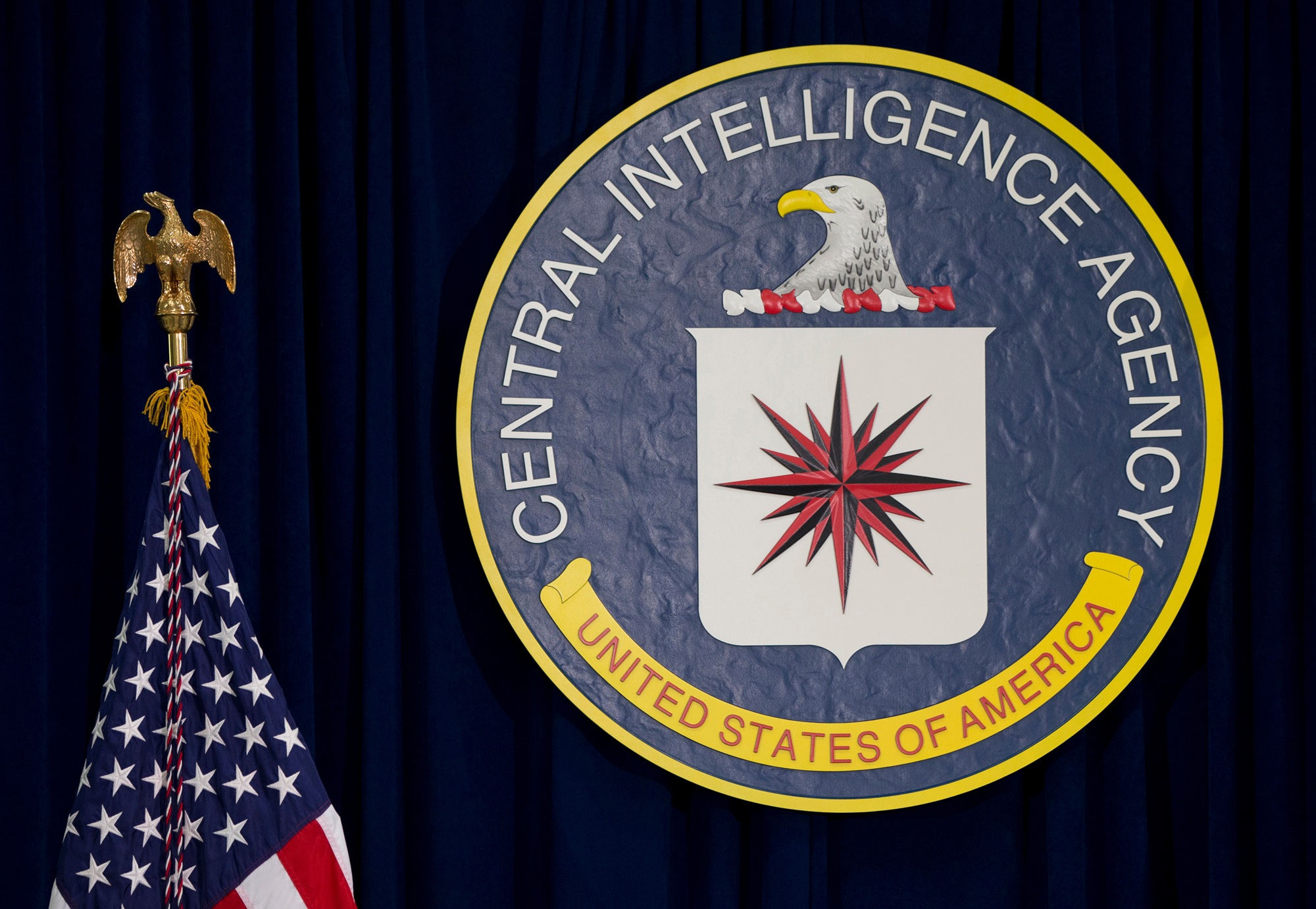
The CIA (U.S. Central Intelligence Agency) recently produced its first-ever autonomous intelligence report generated entirely by AI, without a human analyst driving the process. Deputy Director Michael Ellis disclosed this milestone during an event hosted by the Special Competitive Studies Project, as reported by outlets including Político.

The agency ran more than 300 AI projects in 2025. This marks the first time in CIA history that AI produced a complete intelligence product on its own. Details about the report’s topic, the specific AI system used, or its dissemination remain undisclosed. Ellis emphasized that humans will retain final oversight and decision-making authority.

The CIA plans to embed AI co-workers — essentially a classified version of generative AI — into all analytic platforms within the next couple of years. These tools would assist with: Drafting key judgments. Testing conclusions. Spotting trends in incoming foreign. intelligence. Basic editing and ensuring tradecraft standards.

Ellis indicated that within a decade, analysts could manage teams of AI agents, scaling up from individual tools to more autonomous systems for processing vast data streams, triaging information, and accelerating analysis. The goal is to help analysts handle the explosion of data from human sources (HUMINT) and other collection methods more effectively, without replacing human judgment.

This development fits into the broader U.S. intelligence community’s push to leverage AI amid competition with adversaries like China, which is seen as a top player in AI capabilities. The CIA has been experimenting with AI for some time, but moving to fully autonomous reporting represents a notable shift in analytic workflows—one of the most significant changes in decades, according to observers.

Critics and watchers have raised predictable concerns about hallucinations, bias in training data, or over-reliance on opaque models in high-stakes national security contexts. CIA officials stress that AI here augments rather than supplants analysts, with human review as a safeguard. It’s a pragmatic step for an agency drowning in information: AI can surface patterns and draft faster, but the real value and risk lies in how well humans integrate and validate its outputs.

Expect more experimentation as the intelligence community races to stay ahead in an AI-driven world. The exact report isn’t public, so we don’t know if it was groundbreaking, mundane, or somewhere in between—but the precedent is now set.

What the 300+ Projects Represent

Ellis described the effort as testing AI to bring new capabilities to our mission. The projects spanned multiple domains in intelligence work, reflecting the CIA’s need to handle exploding volumes of data from human intelligence (HUMINT), signals, imagery, open sources, and more—while competing with adversaries like China in AI capabilities.

Known or explicitly mentioned focus areas include: Large-scale data processing — Sifting through massive datasets to identify patterns, triage information, and surface relevant insights faster than humans alone could manage. Real-time or high-volume translation of foreign materials, a longstanding challenge in intelligence analysis.

Tools for drafting reports, testing conclusions, spotting trends, editing for clarity, and ensuring compliance with analytic tradecraft standards (the rigorous methods CIA analysts use to avoid bias, overconfidence, or errors).  Equipping case officers and operatives with AI tools to gather and process information on military, political, or economic developments abroad.

The agency’s expanded Center for Cyber Intelligence involved in clandestine hacking and technical collection played a notable role as a driver for some of these efforts.  Likely included areas like anomaly detection, predictive analytics, image and video analysis, disinformation countermeasures, and integration of commercial AI models into classified environments.

One standout outcome from this experimentation: the CIA produced its first-ever fully autonomous intelligence report generated by AI with no human analyst driving the core process, though specifics on the topic, model used, or classification level remain undisclosed. Humans still retain final oversight.

The CIA faces a classic data deluge problem—far more raw intelligence arrives than analysts can process manually. AI is viewed as a force multiplier to: Accelerate the intelligence cycle. Help analysts focus on high-value judgment calls rather than routine tasks. Improve rigor by cross-checking conclusions or flagging inconsistencies.

Ellis emphasized a human-in-the-loop approach: It won’t do the thinking for our analysts, but it can assist with drafting, editing, and initial triage. Within the next couple of years, the agency plans to embed AI co-workers into all analytic platforms. Looking further ahead within a decade, analysts may oversee teams of AI agents for more autonomous support.

This push also ties into supply-chain independence: Ellis signaled the CIA won’t let private companies unilaterally restrict how their models are used in national security contexts. The agency aims to diversify providers and adapt commercial tech for classified use. Not all projects succeeded — Many were likely small-scale tests or proofs that didn’t advance.


Market Dynamics Remains Volatile As S&P 500 Resilience Depends on De-escalation Signals 

0

Market dynamics remains sensitive as seen in recent weeks amid the U.S.-Iran conflict that escalated earlier in 2026: Stocks particularly the S&P 500 often rally on de-escalation signals or hopes for resolved supply disruptions, even as oil prices remain volatile.

The conflict which intensified in late February/early March 2026 involved disruptions to the Strait of Hormuz, a critical chokepoint for roughly 20% of global oil supply. This drove Brent crude and WTI prices sharply higher at times—peaking above $110–$120 per barrel in March amid tanker attacks, blockades, and fears of broader escalation.

Oil surged ~40–70% from pre-war levels around $70/barrel, briefly pushing above $100 and even higher in spot and physical markets. Stocks initially sold off on inflation fears, higher input costs for companies, and recession worries, with the S&P 500 dipping notably in Q1 2026, down around 4–5% for the quarter at points.

Ceasefire announcements or progress triggered sharp reversals: oil plunged as much as 15–19% in single sessions, while equity futures and the S&P 500 surged 2–3% or more. S&P 500 closed at 6,886.24 on April 13 (+1.02% that day), marking a multi-week high and recovery from war-related weakness. It remains below its all-time record highs from January 2026 around 6,978–7,002 intraday.

Some sessions have been described as posting the highest close in a month or approaching post-war peaks amid relief rallies. Oil prices highly volatile. Brent/WTI have swung around the $95–$105+ range recently. They have fallen back below $100 at times on ceasefire hopes or increased tanker traffic, but have rebounded above $100 or even toward $103 on failed talks, renewed blockade threats, or ongoing disruptions.

As of recent reports, prices were hovering near or just under and above $100, still well above pre-war ~$70 levels but off the worst peaks. The S&P 500’s resilience or new post-Iran war high in intraday/closing terms during relief moves despite lingering oil pressure highlights how markets price in expectations.

Lower oil price is broadly bullish for consumer spending, corporate margins, and non-energy sectors, while energy stocks benefit from higher prices but the broader index often prefers stability. Lower oil = tailwind for stocks: Cheaper energy reduces costs for airlines, manufacturing, transportation, and households—boosting discretionary spending and profit margins. Sectors like consumer discretionary, industrials, and tech tend to outperform.

Persistent $100+ crude fuels inflation concerns, potentially delaying Fed rate cuts and pressuring growth-sensitive stocks. Markets often experience short-term pain from spikes but can recover as disruptions ease or are priced in. The current episode echoes past events where equities shrugged off moderate energy cost increases if growth expectations held.

Ongoing uncertainty remains—ceasefires have been fragile, with reports of continued attacks, blockades, or talks failing—keeping oil sensitive to headlines. The S&P 500 has shown willingness to rally on any de-escalation signals while trading in a range below its January peaks. Oil easing on peace hopes lifts equities toward new post-conflict highs, but any re-escalation quickly flips the script.

Markets are watching Strait of Hormuz flows, diplomatic updates, and inflation data closely. This environment favors diversified portfolios and caution on energy-heavy bets. A long-term reset for stocks and equities isn’t guaranteed but could manifest in several ways depending on conflict duration and resolution.

Markets have historically shown resilience after geopolitical shocks, often delivering positive returns in the following 12 months, but prolonged energy disruptions alter the baseline. Higher structural oil and energy costs even with oil dipping below $100 on truce hopes, a new trading range of $90–$110+ vs. pre-war ~$70 could persist into late 2026 or beyond if Hormuz flows remain impaired or rerouted.

This acts as a persistent inflation tax, squeezing corporate margins especially non-energy sectors like airlines, manufacturing, and consumer discretionary while boosting energy producers long-term. Slower global growth, particularly in oil-import-dependent regions potentially capping equity multiples. Elevated energy prices risk stagflationary pressures—higher inflation with weaker growth—limiting central bank rate cuts.

The Fed and others may face a tighter bias, raising borrowing costs and pressuring valuation-heavy growth stocks. In severe and prolonged scenarios (>6 months conflict), this could trigger broader equity corrections or a bear market, with credit spreads widening. Expect a multi-year tilt away from high-valuation growth toward value, defensives, and energy and materials.

Energy stocks have already outperformed amid the shock. Broader equities may face a reset in risk premia—demanding higher returns for equities vs. bonds and debt due to ongoing geopolitical uncertainty. U.S. stocks have held up better than international and emerging markets, which face greater exposure.

ClearBank Europe Receives MiCA Regulatory Confirmation to Operate as a CASP

0

ClearBank Europe has received regulatory confirmation under the EU’s MiCA (Markets in Crypto-Assets Regulation) to operate as a Crypto Asset Service Provider (CASP). This makes it the first Dutch credit institution to complete the MiCAR notification process and offer digital asset services.

Date of confirmation is April 9, 2026, from the Dutch Authority for the Financial Markets (AFM) following a notification under Article 60 of MiCAR. This streamlined route allows existing credit institutions to add crypto services without a full separate license. ClearBank Europe can now provide regulated digital asset services, including custody, exchange, and placement of crypto-assets, across the EU. It plans to integrate stablecoins such as Circle’s EURC (euro-pegged) and USDC (dollar-pegged) for institutional clients, enabling seamless fiat-to-stablecoin conversions and cross-border payments within a regulated clearing environment.

The bank aims to connect clients to regulated stablecoin infrastructure via Circle Mint and is exploring integrations with partners like Coinbase, Circle Payment Network, and Taurus. This bridges traditional banking with digital assets for its 270+ institutional clients. ClearBank Europe part of the UK- and EU-regulated ClearBank Group already holds a banking license and manages significant assets.

CEO Tristan Kirchner described the move as bringing digital asset capabilities into a regulated clearing environment for the first time, positioning the bank at the forefront of digital clearing. MiCA is the EU’s comprehensive framework for crypto regulation, designed to provide legal certainty, consumer protection, and a single market for crypto services.

This approval highlights how traditional banks and fintechs are using MiCA’s provisions for credit institutions to enter the space efficiently. It’s part of a growing trend of institutional adoption of stablecoins in Europe, where regulated on and off-ramps can improve payment efficiency while staying compliant. Other banks may follow using the same notification process as MiCA deadlines approach.

This is a notable development for bridging fiat and crypto in a fully regulated way—particularly for stablecoin use cases in payments and clearing.

ClearBank becomes the first Dutch credit institution to complete the streamlined MiCA notification process (Article 60), allowing it to offer crypto services (custody, exchange, placement) across the EU without needing a full separate license. Expands service offerings to its 270+ institutional clients by integrating stablecoins (EURC and USDC via Circle’s Mint platform) directly into regulated banking and clearing infrastructure.

Positions the bank at the forefront of digital clearing, combining traditional fiat systems with blockchain for new revenue streams in payments and digital assets. Seamless fiat-stablecoin conversions within a fully regulated banking environment; no need to leave the bank for crypto rails.

Faster, cheaper, more efficient cross-border payments and settlements by linking traditional clearing with blockchain networks. Improved access to euro- and dollar-pegged stablecoins for treasury, payments, and liquidity management with full regulatory protections. Accelerates traditional bank adoption of crypto under MiCA, demonstrating how existing credit institutions can efficiently enter the space as the July 2026 deadlines approach.

Boosts regulated stablecoin usage especially EURC in Europe, potentially increasing flows and liquidity in a compliant way. Signals growing mainstream integration of digital assets into EU banking infrastructure, encouraging other banks to follow the notification route and bridging TradFi with crypto for institutional payments.

This is a practical step toward making stablecoins a reliable, regulated tool for efficient European payments while maintaining high compliance standards. It’s more evolutionary than revolutionary but strengthens the infrastructure for wider institutional adoption.

Anthropic is Talking to Washington on ‘Mythos’ Despite Ongoing Pentagon Rift

0

Anthropic is signaling that its dispute with the Pentagon will not derail its broader engagement with the U.S. government, as the company opens discussions with the Trump administration over its frontier AI model, Mythos, a system already drawing intense scrutiny for its advanced autonomous coding and cyber capabilities.

The development, among others, highlights a growing split between procurement politics and national security imperatives. The Pentagon last month designated Anthropic a “supply-chain risk” and barred its systems from use by the department and its contractors. Anthropic immediately filed a lawsuit challenging the decision.

Speaking at the Semafor World Economy event in Washington on Monday, co-founder Jack Clark sought to frame the standoff as limited in scope rather than a fundamental rupture with the federal government.

“We have a narrow contracting dispute, but I don’t want that to get in the way of the fact that we care deeply about national security,” Clark said.

“Our position is the government has to know about this stuff … So absolutely, we’re talking to them about Mythos, and we’ll talk to them about the next models as well.”

Those remarks are revealing on several levels. First, they suggest Anthropic is drawing a distinction between the Pentagon’s contractual disagreement and the broader policy conversation around frontier AI. The company appears determined to maintain influence in national security and cyber policy circles even while litigating against a Defense Department blacklist. Second, the comments reinforce how rapidly advanced AI models are becoming matters of state security rather than purely commercial products.

Mythos, unveiled on April 7, has been described by Anthropic as its most capable system yet for coding and agentic tasks, meaning it can execute complex sequences of actions with a degree of autonomy. That places it at the center of rising concern over AI-driven cybersecurity risks.

According to multiple reports, the model has already demonstrated the ability to identify previously unknown vulnerabilities across major browsers and operating systems, a capability that moves it from general-purpose AI into a class of tools with potential strategic implications for both defense and critical infrastructure.

This is where the Pentagon dispute becomes especially consequential. The underlying conflict reportedly centers on guardrails governing how the military may use Anthropic’s systems, particularly around surveillance and autonomous weapons. Anthropic has resisted an “all lawful uses” framework that could permit unconstrained defense applications, while the Pentagon has argued that such restrictions create operational and supply-chain risks.

Last week, a federal appeals court in Washington declined to block the Pentagon’s blacklisting for now, handing the Trump administration an interim legal victory and allowing the designation to remain in force while the broader case proceeds.

That legal setback, however, does not appear to have closed the door to policy engagement. In fact, the continued talks may reflect a growing recognition within Washington that systems like Mythos cannot be ignored, even when commercial disputes persist. Cybersecurity officials and financial regulators are already reportedly assessing the risks posed by models capable of discovering and potentially exploiting zero-day vulnerabilities at machine speed.

If a private AI lab can build a model capable of autonomously finding critical software flaws, then adversarial states, rival labs, or eventually open-source models could acquire similar capabilities within months. Clark himself warned that Mythos is not unique and that comparable systems from other developers are likely imminent.

That means the issue is larger than Anthropic and points to a coming phase in AI development where frontier models become central to cyber offense, cyber defense, intelligence gathering, and potentially battlefield decision-support systems.

The Pentagon’s current exclusion from Anthropic’s tools may therefore prove costly, particularly if rival agencies or allied governments continue to receive briefings and access.

However, the dispute underscores the increasingly difficult balance facing AI firms: maintaining ethical and safety guardrails while preserving government and defense relationships that are commercially and strategically significant.

By this move, Anthropic is saying that the contractual fight with the Defense Department is not intended to sever its role in national security discussions. The company now appears intent on preserving a seat at the table as Washington grapples with the implications of increasingly powerful frontier AI.

MCW Bangladesh – A Comprehensive Overview of a Leading Gambling Platform

0

Title: MCW Bangladesh Review: Your Guide to Online Gambling

Description:

MCW Casino World has established itself as a premier online gambling platform in Bangladesh, catering to millions of players with its wide-ranging services and user-friendly interface. Operating for over five years, this platform has gained immense popularity among local users due to its diverse selection of games, from slots and table games to live casino experiences and sports betting. The seamless navigation and robust technology make it accessible for both beginners and seasoned gamblers.

One of the standout features of MCW is its tailored approach that meets the preferences of Bangladeshi players. The platform supports transactions in Bangladeshi Taka (BDT), eliminating the complexities of currency conversion. Additionally, it provides multiple payment methods, including mobile wallets, bank transfers, and credit/debit cards, ensuring a hassle-free deposit and withdrawal process.

Players are drawn to MCW not only for its variety, but also for its consistently appealing promotional offers, competitive odds, and mobile-friendly design, which allows them to play anytime, anywhere. Its commitment to security, implemented through advanced encryption technology, assures users that their data and funds are safeguarded at all times.

Popular Bonus Offers on MCW

MCW is renowned for its lucrative bonuses which enhance the gaming experience for players. One of the most attractive is the Welcome Bonus, offering an impressive 100% match on the first deposit, up to ?10,000. To claim this bonus, players need to make a minimum deposit of ?1,000. A wagering requirement of 20x applies before winnings can be withdrawn, ensuring fair play.

Another noteworthy promotion is the Weekly Cashback Bonus, where players can recover up to 10% of their losses, capped at ?5,000. The cashback is automatically credited to qualifying accounts every Monday, providing an excellent incentive to keep playing. Seasonal bonuses, such as free spins on popular slot games or exclusive sports-betting promotions during major tournaments, further add to the appeal.

Players should also look out for the Refer-a-Friend bonus, which rewards them with ?1,000 for every successfully referred friend who deposits at least ?1,000. These promotions are explicitly designed to offer value for both new and loyal users, creating a rewarding MCW experience for everyone.

How to Sign Up and Claim a Bonus

Getting started with MCW is a straightforward process that allows new players from Bangladesh to quickly create an account and claim their first bonus.

  1. Visit the MCW Website: Navigate to the official MCW Bangladesh homepage on your browser. Look for the yellow “Sign Up” button at the top-right corner of the screen and click it.
  2. Fill in the Registration Form: Provide your personal details, including name, email, phone number, and create a password. Make sure all information is accurate to avoid any complications.
  3. Confirm your account: After submitting the form, a verification code will be sent to your email. Enter the code in the appropriate field to confirm your account.
  4. Log in and Deposit Funds: Log in to your newly created account and click on the “Deposit” button located on the dashboard. Select your preferred payment method and deposit a minimum of ?1,000 if you are claiming the Welcome Bonus.
  5. Claim Your Bonus: Once the deposit is confirmed, go to the “Promotions” section, select the Welcome Bonus, and click “Claim”. The bonus amount will be credited to your account, ready for use.

How to Log In to Your Account

Logging in to your MCW account is a simple process. Here’s a step-by-step guide to help you access your account quickly and securely:

  1. Go to the Website: Open your preferred web browser and go to the official website.
  2. Click on the Login Button: On the homepage, locate the “Login” button found at the top-right corner of the screen, and click on it.
  3. Enter Your Credentials: Input your registered email address and password in the designated fields. Double-check for any errors to ensure accuracy.
  4. Access Your Account: Click the “Login” button to proceed. Once logged in, you’ll be directed to the dashboard where you can manage your account, check your balance, and explore available features.

A Comprehensive Look at Sports Betting on MCW

MCW offers an extensive sports betting section that caters to enthusiasts in Bangladesh with a broad array of options and impressive features. The platform covers over 20 sports, ensuring that users can bet on both global and niche tournaments. Popular sports like cricket, football, tennis, basketball, and kabaddi are all available, with additional international offerings to keep users engaged. Live broadcasting options heighten the excitement, allowing bettors to follow the action in real time.

The odds provided by MCW are competitive and carefully calculated, offering better value across many events compared to other platforms in the market. This makes the experience not only entertaining but also potentially profitable. The user-friendly interface ensures that even newcomers can easily find their desired sports and matches among the rich selection.

Popular Sports for Betting in Bangladesh

Bangladesh has a fervent sports-loving population, and MCW meets these preferences with a range of betting options. Here are five of the most popular sports in the country, along with notable tournaments available for wagering:

  • Cricket – ICC Cricket World Cup, Bangladesh Premier League (BPL), Indian Premier League (IPL)
  • Football – FIFA World Cup, English Premier League (EPL), UEFA Champions League
  • Kabaddi – Pro Kabaddi League, Asian Kabaddi Championship
  • Tennis – Wimbledon, US Open, Australian Open
  • Basketball – NBA, FIBA Asian Championship

Explore the Thrilling Online Casino Games at MCW

MCW’s online casino section offers an unparalleled gaming experience for players from Bangladesh, with a diverse selection of games, high-quality presentation, and a wide variety of options. Whether you are a fan of traditional table games like blackjack, poker, or roulette, or prefer the excitement of modern video slots, there is something to suit every taste. The games are powered by world-renowned software providers, ensuring stunning graphics, immersive sound effects, and seamless gameplay that draw players into the action. This high standard of quality guarantees that every spin, deal, or roll is a smooth and enjoyable experience.

For those who enjoy the excitement of live play, MCW also offers a live casino section with HD-streamed games hosted by real dealers. The live table games provide an authentic casino atmosphere, offering favourites like baccarat, Sic Bo, and more. Meanwhile, slot enthusiasts can revel in a massive library of titles featuring unique themes, exciting bonus features, and the promise of big jackpots. The diversity of games available keeps every player entertained, with new releases regularly introduced to maintain freshness and excitement.

Another highlight of MCW’s casino offerings is the potential for remarkable winnings. The detailed payout structures, paired with varying bet limits, cater to both casual gamers and high-rollers. MCW ensures transparency and fairness across all games, giving players confidence in their choices. With its vibrant selection and an emphasis on quality, MCW’s casino provides an enticing option for both novices and experienced players looking to test their luck.

Convenient Payment Methods for MCW Players in Bangladesh

MCW offers a variety of payment methods tailored to players from Bangladesh, ensuring a seamless and personalised experience. Both internationally renowned and locally popular options are available, making it easy for Bangladeshi users to enjoy the platform’s offerings without hassle. Players can make transactions using global systems like Visa, Mastercard, and Skrill, while also benefiting from local favourites such as bKash and Nagad. These regional methods provide added convenience and efficiency for Bangladeshi users.

For deposits, the minimum requirement on MCW is ?1,000, enabling users with varying budgets to participate. The minimum withdrawal amount is ?2,000. Players can withdraw up to ?500,000 daily, providing sufficient flexibility for larger transactions. Withdrawal requests are usually processed and completed within 24–48 hours. These accommodating limits and regional payment accessibility make MCW an excellent choice for players in Bangladesh, regardless of their preference for global or local methods.

MCW’s Reputation and Commitment to Security

MCW is highly regarded in the online gaming community for its emphasis on trust and reliability. The platform consistently provides a secure environment for players, ensuring their money and personal data are well-protected. Its reputation as a dependable and customer-centric gaming hub contributes to its popularity among users in Bangladesh and beyond.

To safeguard player data, MCW utilises advanced encryption technology, protecting all financial and transactional information. Robust firewalls and secure payment gateways ensure every transaction is carried out with maximum safety. Additionally, MCW frequently updates its security protocols, keeping up with the latest cybersecurity innovations to combat potential vulnerabilities.

By prioritising client security with these proactive measures, MCW assures players that they can focus on their gaming experience with peace of mind. This dedication to safety further enhances the platform’s standing as a respected and trusted choice in online entertainment.