DD
MM
YYYY

PAGES

DD
MM
YYYY

spot_img

PAGES

Home Blog Page 2915

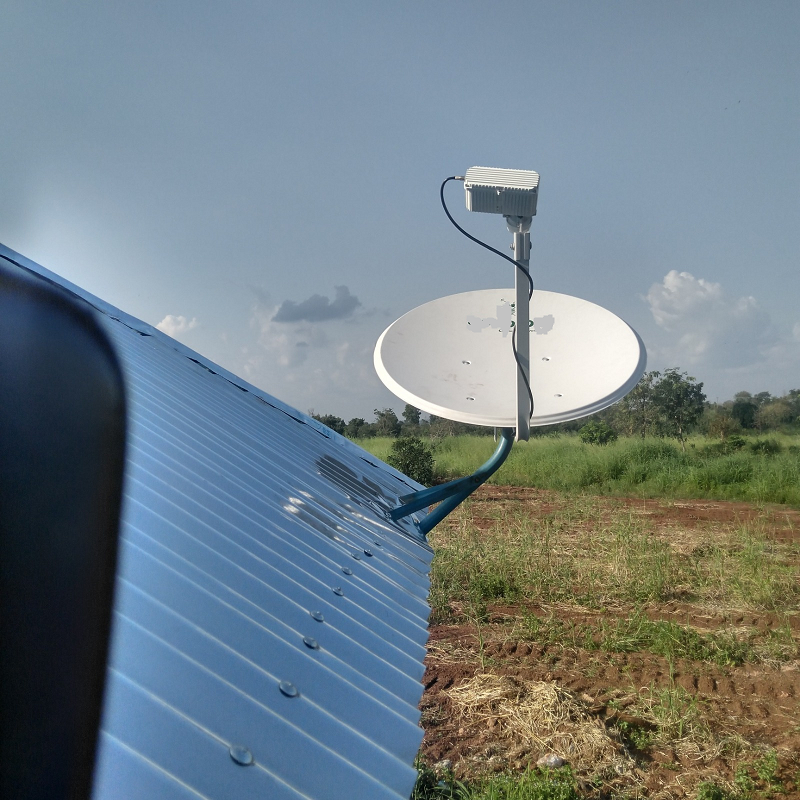
Starlink Sees Nearly 2,000% Subscriber Growth in Kenya

0

Elon Musk-owned satellite internet Starlink, is growing rapidly in Kenya after the subscription grew by 1,955.3%, a year after the launch of the internet service in Kenya.

According to a new report from the Communications Authority of Kenya (CAK), Starlink’s entry into the East African country has propelled the rapid growth of satellite internet usage, with subscriptions rising from just 405 in June 2022 to 8,324 by June 2024. This represents a 73.1% increase from March 2024 of 4,808 subscribers.

The growth in the subscription of Starlink has propelled the satellite internet to become the country’s tenth-largest internet service provider (ISP). The Elon Musk-owned Internet service which was licensed in July 2023, to provide satellite Internet services had a market share of 0.5 percent as of 30th June 2024.

The fourth-quarter industry statistics report highlights that by June 2024, satellite data subscribers had grown significantly. The CA noted that 96.9% of satellite customers are now subscribed to high-speed connections, with speeds ranging between 100 Mbps and 1 Gbps.

Safaricom, a leading provider of converged communication solutions in Kenya, continues to lead the country’s internet service market, holding a 36.4% share in the fourth quarter of 2024. Jami Telecommunications Ltd and Wananchi Group follow with 24,0% and 17.5%, respectively. Other players like Poa Internet, Mawingu, Vilcom, Dimension Data, and Liquid Telecommunications Kenya collectively accounts for 13.2%, 2.6%, 1.5%, 1.1%, and 1.0%, respectively. Starlink and Vijiji Connect both hold 0,5% of the market share as they continue to expand.

In response to rising internet demand, the total international bandwidth capacity in Kenya increased by 2.4% to 21,244.338 Gbps by the end of June 2024. SEACOM Ltd, one of the key providers, added additional capacity during this period. The utilization of undersea bandwidth capacity surged by 31.3%, recording 14,644.284 Gbps in total usage. Of this, 55% (11,690.464 Gbps) was used domestically, while 13.9% (2,953,820 Gbps) was sold outside the country.

The launch of Starlink has also led to a remarkable increase in satellite internet capacity, rising from 48.438 Gbps to 840,448 Gbps, a staggering 1,635.1% growth, showcasing the significant impact of Starlink’s services in meeting the growing internet demand across Kenya.

The Elon-Musk-owned satellite internet is reportedly one of the fastest expansions for any ISP in Kenya, driven by strong public interest in its availability in underserved regions. In a competitive local landscape where new ISPs often take years to gain traction, Starlink’s rise signals a demand for internet access among customers previously overlooked by established providers.

Recall that following the launch of Starlink in Kenya, leading telecommunications company, Safaricom, raised concerns about the regulatory environment surrounding the entry of satellite internet providers like Elon Musk’s Starlink.

The company urged the Kenyan government to implement stricter regulations for these providers, calling for apprehension about the possibility of them receiving independent licenses. In a formal letter addressed to the Communications Authority of Kenya (CAK), Safaricom urged the regulator to consider requiring satellite providers to partner with local mobile network operators.

In response to Starlink’s entry, Safaricom, which controls 36.7% of Kenya’s broadband market, upgraded its fiber Internet speeds to stay competitive. Its 10 Mbps package now offers 15 Mbps at $23 (KSh 3,000), while its highest-tier plan offers a new 1 Gbps connection at $155 (KSh 20,000). Similarly, customers on the 20 Mbps plan have been upgraded to 30 Mbps for the same price, the 40 Mbps package has been doubled to 80 Mbps at $49 (KSh 6,300), and the premium 100 Mbps package has been increased fivefold to 500 Mbps at $97 (KSh 12,500) per month.

Meanwhile, in a recent development, Safaricom has confirmed ongoing discussions with Starlink and other satellite providers, signaling a shift in strategy as competition heats up in its home market, where the telco has long maintained a dominant position.

Peter Ndegwa, CEO of Safaricom disclosed that the company is considering partnerships with Starlink or other satellite providers to ensure cutting-edge technology integration.

The Nigeria’s Vicious Circle on Revenue and Spending

0

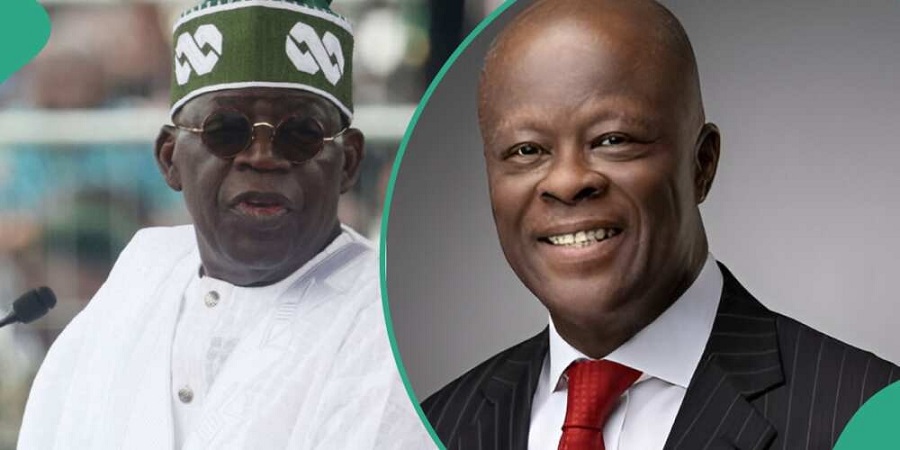
Nigeria is experiencing a vicious circle on revenue at the moment. Unfortunately, increasing VAT on the people will not fix that paralysis: “The Nigerian National Assembly is weighing a comprehensive bill that proposes a notable shift in Nigeria’s tax structure, specifically aimed at increasing the value-added tax (VAT) from 7.5 percent to 10 percent by 2025. According to The Cable, the bill, which outlines a phased approach, suggests that the VAT rate will continue to rise to 12.5 percent by 2026 and will eventually reach 15 percent by 2030.”

Yet, realistically, there are limited options on how to fix the mess. Nigeria lost more than N1.7 trillion of manufacturing sector revenue as recent policies reshaped the economy, according to the Chairman of the nation’s tax agency. Within that N1.7 trillion is billions of Naira of lost tax revenue!  MTN Nigeria which used to be a rainmaker for Nigeria’s national purse lost N137 billion in 2023, N392.69 in Q1 2024 and N175.6 billion in Q2 2024.

If you understand how business works, more than 80% of major non-banking institutions in Nigeria will not pay taxes for years in Nigeria. But the government has bills to pay. So, jacking up VAT is a reaction to that reality. Unfortunately, I wish we do not choose escalating mass poverty with more taxes on already over-taxed citizens.

Would anything happen if we close the House of Reps and have only the Senate? Would anything happen if the government consolidates all the federal universities into 12 universities, saving costs? Would anything bad happen if we trim down the federal workforce? Would anything bad happen if the government cuts down its expenses? Of course, how can you say that Nigeria does not have money when we can embark on building a coastal road network of N12 trillion? Contradictions everywhere

Nigerian Lawmakers Consider Bill to Increase VAT to 10% By 2025

Nigerian Lawmakers Consider Bill to Increase VAT to 10% By 2025

0

The Nigerian National Assembly is weighing a comprehensive bill that proposes a notable shift in Nigeria’s tax structure, specifically aimed at increasing the value-added tax (VAT) from 7.5 percent to 10 percent by 2025.

According to The Cable, the bill, which outlines a phased approach, suggests that the VAT rate will continue to rise to 12.5 percent by 2026 and will eventually reach 15 percent by 2030.

The proposed increase has sparked significant debate among economists, government officials, and politicians, with various stakeholders pointing at the potential consequences for Nigeria’s economy and its people.

The executive bill outlines the schedule for raising VAT as follows:

  • 2025: The VAT rate will increase to 10 percent.
  • 2026 to 2029: The VAT rate will rise to 12.5 percent.
  • 2030 and beyond VAT will hit 15 percent, a twofold increase from the current rate of 7.5 percent.

The bill states: “VAT shall be charged on the value of all taxable supplies at the following rates: (a) 2025 year of assessment 10%; (b) 2026, 2027, 2028, and 2029 years of assessment 12.5%; (c) 2030 year of assessment and thereafter 15%.”

This VAT hike is part of a larger fiscal strategy aimed at increasing government revenue to support infrastructural development and other essential services. Proponents argue that Nigeria’s current VAT rate is one of the lowest in Africa, pointing to countries such as South Africa (15 percent), Ghana (15 percent), and Kenya (16 percent) as examples of nations that have adopted higher VAT rates to boost revenue.

In February 2021, the International Monetary Fund (IMF) advised the Nigerian government to increase the VAT rate to at least 10 percent by 2022 as part of measures to address fiscal shortfalls. The IMF argued that increasing VAT would help reduce Nigeria’s reliance on oil revenue and enhance the country’s budgetary resilience.

Taiwo Oyedele, Chairman of the Presidential Committee on Fiscal Policy and Tax Reforms, has been a vocal supporter of increasing the VAT rate. He stated on May 8 that the current VAT rate needs to be raised to align with global standards and enhance the government’s ability to finance its projects.

Oyedele emphasized the importance of generating revenue internally rather than relying on borrowing, especially as Nigeria faces mounting economic challenges. He added that a gradual increase in VAT would help bridge the fiscal gap without overwhelming the economy with sudden and sharp adjustments.

However, despite the fiscal justifications, the proposed VAT hike has not gone without opposition. On September 8, former Vice President Atiku Abubakar expressed his criticism of the bill, describing it as “regressive and punitive.”

The former Vice President noted that raising VAT at this time is a misguided policy and regressive, which will disproportionately affect the poor and vulnerable in our society. He said the government should focus on policies that lift people out of poverty, not those that push them further into hardship.

Atiku’s concerns are centered around the potential impact on the average Nigerian citizen, particularly those already struggling with rising costs of living. It echoes the sentiments of many Nigerians who fear that the proposed VAT increase will worsen inflationary pressures, particularly in the cost of goods and services.

VAT is considered a regressive tax because it applies equally to all consumers, regardless of income, meaning that lower-income households spend a larger proportion of their income on VAT than wealthier households.

However, in defense of the proposal, Minister of Finance Wale Edun responded to Atiku’s critique on September 9, clarifying that the VAT rate had remained low for years and that the government’s fiscal reforms are designed to be gradual to avoid any sudden shock to the economy.

Corporate Income Tax (CIT) Reduction

As a counterbalance to the VAT increase, the bill also proposes a reduction in the corporate income tax (CIT) rate, which is expected to encourage business activity and attract foreign investors. The CIT rate is currently set at 30 percent, but under the new bill, it would be reduced to 27.5 percent by 2025 and further to 25 percent by 2026.

The bill stipulates: “Tax shall be levied, for each year of assessment in respect of total profits of every company, in the case of; (a) a small company, at zero percent; and (b) any other company, at the rate of-(i) 27.5% in 2025 year of assessment, and(ii) 25% from 2026 year of assessment.”

Companies with a turnover of less than N20 million are exempt from CIT under the bill, a move intended to support small businesses and promote entrepreneurship.

However, the bill introduces a clause for large companies, requiring those with an effective tax rate of less than 15 percent to pay an additional tax to bring their effective tax rate to that threshold. This clause targets multinational enterprises (MNEs) and companies with a turnover of N20 billion or more annually, ensuring that larger firms contribute their fair share to the tax base.

Oyedele, who also supported the CIT reduction, explained in June that the move would help businesses grow by reducing their tax liabilities. He further noted that reducing the CIT rate could foster a more competitive business environment, which is crucial in a country striving to diversify its economy away from oil dependency.

VAT and CIT in Nigeria

VAT was first introduced in Nigeria in 1993 at a rate of 5 percent, marking a shift towards consumption-based taxation. In 2020, the VAT rate was increased to 7.5 percent under the Finance Act, which aimed to expand the tax base and reduce Nigeria’s reliance on oil revenue.

The CIT rate has undergone several changes over the years. In the 1980s, Nigeria’s CIT was as high as 45 percent, but it was gradually reduced to its current rate of 30 percent to encourage investment and economic growth. The Finance Act of 2019 introduced a graduated CIT system, exempting small businesses with a turnover below N25 million from paying CIT.

While the VAT increase could provide much-needed revenue to fund infrastructure, education, healthcare, and other public services, critics worry that it would exacerbate the economic strain on everyday Nigerians, particularly low-income households.

However, with other tax reforms, including newly gazetted withholding tax regulations, set to take effect from January 1, 2025, Nigeria is entering a period of significant fiscal change. Only time will tell whether these changes lead to economic growth and improved public services or worsen existing challenges.

$0.03 FXGuys ($FXG) Token Promises Huge Trading Rewards, Drawing Ethereum And Solana Whales

0

After starting October on a bearish note, the crypto market has started recovering gradually. Specifically, top altcoins like Ethereum (ETH) and Solana(SOL) have turned green in their weekly charts.

Despite this trend reversal, FXGuys ($FXG), an emerging PropFi token, has stolen the limelight from these top coins after surging 100% during its presale and promising more growth.

So, why exactly are Ethereum and Solana investors shifting to FXGuys ($FXG)? Let’s find out!

Ethereum Surges More Than 3% in a Week: What’s Next For This Token?

Ethereum has made decent gains over the past seven days, registering a growth of more than 3%. On October 3, 2024, Ethereum was trading at around $2,321.63.

ETH then picked momentum and went on a bull run. Specifically, Ethereum touched $2,516.36 on October 7. This price was motivated by Bitcoin’s rise on October 7, when it spiked to $64,443.71.

However, this trajectory changed, and Ethereum started correcting downwards on October 7, still mimicking Bitcoin’s reversing trajectory. As of October 10, Ethereum is going for around $2,390.00, indicating a growth of more than 3%.

Also, Ethereum’s 24-hour trading volume has increased by more than 12%. Despite this positive growth, investors are decamping to FXGuys, which promises much bigger trading rewards.

Solana Flatlines in Seven Days: What’s in Store For This Coin?

Solana has showcased nominal growth over the past week. On October 3, 2024, Solana’s SOL was changing hands at around $135.84 before it picked pace and started on an upward trajectory. Just like other altcoins, Solana copied Bitcoin’s price movement.

As a result, SOL pumped to trade around $151.46 on October 7 after Bitcoin hit $64,443.71. After that, Solana started dipping and has since sustained a downward trend. As of October 10, SOL is trading at around $137.00. This indicates a meager 0.8% growth over the past week.

Solana’s 24-hour trading volume has grown by around 14%. However, irrespective of these gains, experienced traders are rotating funds to FXGuys as it promises more returns.

FXGuys: A Multi-Asset Trading Platform With Amazing Trading Rewards!

As the crypto market continues recovering, investors are worried about the direction the market is taking.

As such, Ethereum and Solana traders are seeking a trading platform that understands and works on their needs by addressing the challenges they face. That’s why FXGuys is quickly gaining popularity among investors.

FXGuys is a decentralized trading platform that offers you a wide range of impressive features to assist you in making wise decisions while trading. These features help traders like you maximize profits and reduce risk exposure.

The first feature that stands out is the Forex Funding Program, which provides real trading capital to talented traders. Specifically, the program initially offers traders up to $200,000 when they pass the challenge phase, which tests trading skills.

Once you prove your profitmaking skills, FXGuys can scale this amount up to $500,000. As such, FXGuys makes sure talented traders don’t miss out on potential profit-making opportunities.

Another fantastic feature is the Trade2Earn program, which grants traders $FXG tokens for every transaction they make on the platform. The $FXG tokens are awarded irrespective of whether the transaction is profitable or not.

Traders can then redeem the tokens for benefits like lower profit expectations, among other trading tools. This gives FXGuys you an edge over traders on conventional DeFi platforms.

FXGuys also offers you the opportunity to trade in multiple markets and assets, thereby increasing your chances of making profits. Besides that, FXGuys provides you with simulated trading challenges to improve your trading skills!

Join the $FXG Presale And Secure a Chance to Make Huge Returns!

FXGuys has seen a massive inflow of new Ethereum and Solana investors. This popular PropFi platform attributes this growing interest to the top-tier performance of its native $FXG token, which is in its presale phase.

$FXG has received overwhelming investor confidence since it’s a safe token to buy. This stems from the fact that the token’s smart contract was audited by two top-of-the-line blockchain security firms, SolidProof and Soken. So, you can rest assured that your investment in $FXG will always be safe.

As of October 2024, $FXG is going for $0.030 during Stage 1 of its public presale. It is worth noting that this price represents a 100% jump from the Private Sale Round price of $0.015.

Moving on, Private Sale Round investors will get a whopping 566% ROI once $FXG reaches its listing price of $0.100. Meanwhile, you can secure a 233% ROI by joining Stage 1 of the public presale now.

To find out more about FXGuys follow the links below:

Website | Whitepaper | Socials | Audit


Exclusive FXGuys Promo Code:

USE PROP10 FOR 10% BONUS

Tron News: TRX Price Leads ETH Q4 Performance Followed Closely By New Ethereum Presale Token

0

As Q4 unfolds, the Ethereum crypto landscape is bullish. Price gains for Tron (TRX), a steady position for Ethereum (ETH) in DeFi and the rising interest in Lunex Network (LNEX) fuel optimism. For investors seeking the next big opportunity, Lunex Network is emerging as the standout option in crypto market news with substantial growth potential and a unique approach to utility and value.

Lunex Network’s hybrid approach unlocks DeFi potential

Lunex Network (LNEX) brings a fresh perspective to the Ethereum crypto space with its hybrid on-chain and off-chain infrastructure. Unlike traditional DeFi protocols, Lunex Network provides zero-slippage trades and lightning-fast transactions across over 50,000 currency pairs. 

Designed as a non-custodial, Ethereum-compatible platform, Lunex Network prioritizes user control, ensuring that holders retain full ownership over their assets—an attractive feature for those wary of centralized platforms.

Currently in presale at a low entry price of $0.0015, Lunex Network is positioned as a high-potential Ethereum crypto token. This accessible price point, combined with the platform’s deflationary model, which incorporates routine buybacks, fosters scarcity and stability in LNEX’s value. 

Lunex Network also rewards stakers with up to 18% APY, adding an extra layer of appeal to investors seeking reliable income streams in the DeFi market. 

The combination of low entry price, deflationary mechanics, and substantial staking returns makes Lunex a compelling choice for both new investors and seasoned DeFi participants.

Tron’s Q4 surge: Bullish momentum with key resistance levels

Tron (TRX) has recently experienced a resurgence, reaching the 10th position by market cap, surpassing Cardano and hinting at a broader upward trend. Founder Justin Sun has forecasted that TRX will enter the top three digital assets in the coming years, thanks to Tron’s focus on stablecoin functionality and its $59.8 billion USDT reserve. Sun has highlighted Tron‘s rapid development and its integration of DeFi applications as the primary drivers behind TRX‘s success.

Tron faces significant resistance near the $0.152 price level, a barrier it has struggled to surpass. The Relative Strength Index (RSI), currently hovering near 69, indicates overbought conditions, which could lead to short-term price consolidation or even a pullback.

Ethereum holds ground amid fluctuating market activity

Ethereum maintains a stronghold within the DeFi ecosystem, trading above $2,400. Recently, it saw a notable increase of 12.02% in transaction volume, a positive signal that underscores its role as the leading Ethereum crypto asset. 

While Ethereum is no stranger to market fluctuations, it recently saw a 15% decline in active addresses, a trend indicating reduced engagement. Despite steady trading levels, the impact of ETF outflows—$8.1 million last month—introduces the possibility of short-term bearish pressure as Ethereum faces resistance at the $2,490 level.

Ethereum’s 365-day Market Value to Realized Value (MVRV) ratio, at -13.7%, suggests that long-term holders may be positioned for future gains, though short-term volatility could persist.

Lunex Network is the top contender for high-growth DeFi investment

In conclusion, as the crypto market news unfolds, Lunex Network emerges as a top choice for DeFi investors. With a versatile utility model, attractive presale pricing, and strategic growth mechanisms, Lunex Network stands out as the ideal option in Ethereum crypto investment. For those tracking the latest developments, Lunex’s potential for high returns and robust DeFi compatibility make it a standout token poised to capture long-term growth in the evolving digital asset landscape.

You can find more information about Lunex Network (LNEX) here:

Website: https://lunexnetwork.com

Socials: https://linktr.ee/lunexnetwork