DD
MM
YYYY

PAGES

DD
MM
YYYY

spot_img

PAGES

Home Blog Page 2936

The Financial Impact of Sports Betting Legalisation on Emerging Markets

0

Sports betting has become a major focus in many emerging markets. With the legalisation of betting in several regions, these markets are experiencing new opportunities and challenges. Sports betting, when managed well, can bring growth to local economies, create jobs, and provide new sources of income for governments. This article will explore how the legalisation of sports betting affects the economy in these areas, with a focus on the financial impact.

Creating Jobs and Helping the Economy

Making sports betting legal can create many new jobs. Some ways this happens are:

Betting Shops and Websites: When new betting shops and online sites open, they need people to work there. This gives more jobs to people.

  • Customer Service: More people betting means companies need workers to help customers with questions.
  • Security: Both online and in-person betting needs security workers to keep things safe and fair.

The money from taxes on sports betting can also help a country. The government can use this money for important things like:

  • Building Schools and Hospitals: This money helps make better schools and hospitals for everyone.
  • Fixing Roads and Bridges: The money can also help make roads and bridges better.

Lastly, foreign investors want to put their money into countries where sports betting is legal. They invest in the new betting companies, which brings even more money into the country.

Legalising sports betting helps create jobs, bring in money, and make the economy stronger.

Attracting Investors with Online Betting

Online betting is growing quickly. Many people now use the internet to place their bets. This change gives new chances for business growth in countries where sports betting is newly legal.

A big reason for this growth is the use of cryptocurrencies. Many betting companies now let people pay with crypto. Here’s how it helps:

  • Fast Payments: People can place bets quickly without waiting.
  • Secure and Private: Crypto payments are safe, and people like that their details are kept private.
  • Easy Global Betting: Cryptocurrencies allow people from different countries to join in easily.

Some betting sites only use crypto, which helps people bet faster and more safely. If you want to learn more about this, crypto online casinos reviews give good advice. These reviews tell you which sites accept crypto and what you can expect when using them.

With crypto, countries can attract both local and international users. This brings more money into the country and helps the economy grow. Countries that welcome crypto betting have a great chance to succeed.

Government Regulations and Taxation

When sports betting becomes legal, governments must set up rules to make sure it is done responsibly. This means creating laws that protect consumers and ensure that betting companies are fair and transparent. It also means setting up a system for collecting taxes from the companies that operate in the betting industry.

Taxation is a key part of why governments are willing to legalise sports betting. By taxing the industry, governments can generate a significant amount of money. This tax money can be used to pay for public services like health care, education, and transportation.

For example, in countries like South Africa and Kenya, where sports betting is legal, the government collects taxes from betting operators. These funds help support the government’s budget and fund essential services. The result is that sports betting not only provides entertainment but also helps support the nation’s financial needs.

Challenges Facing Emerging Markets

While the benefits of sports betting are clear, there are also challenges that governments and businesses must address. One of the biggest challenges is regulating the industry effectively. Without proper oversight, sports betting can lead to illegal gambling activities, and governments may lose tax revenue.

Another challenge is protecting consumers. In markets where sports betting is new, many people may not fully understand how to gamble responsibly. This can lead to problems like addiction or financial loss for bettors. Governments must work with betting companies to promote responsible gambling and offer help to those who need it.

Finally, corruption can be a problem in some emerging markets. Sports betting can create opportunities for match-fixing and other illegal activities. To prevent this, governments must work closely with sports organisations to ensure that betting is done fairly and that no games are rigged.

A look at how sports betting will develop in emerging markets

As more emerging markets legalise sports betting, the industry will continue to grow. Governments will need to remain flexible and adjust their regulations as the industry evolves. New technologies like blockchain and cryptocurrency will also play a bigger role, offering new ways for people to bet online.

Countries that embrace sports betting will likely see increased tax revenue, more job creation, and a stronger economy. However, they must be careful to manage the industry well, addressing any challenges that arise.

As the sports betting industry grows, it will also continue to attract new investors, both locally and internationally. For emerging markets, this is an opportunity to develop a new industry that can provide financial stability and growth for many years to come.

Author’s Verdict

The legalisation of sports betting in emerging markets is reshaping the financial landscape in many countries. By creating jobs, attracting investors, and generating tax revenue, sports betting offers many benefits to these economies. However, governments must regulate the industry carefully to avoid problems like illegal gambling and consumer protection issues. With the rise of online betting and cryptocurrency, the future of sports betting looks bright for many emerging markets.

Bill Gates Calls on Nigeria to Increase Tax Revenue

1

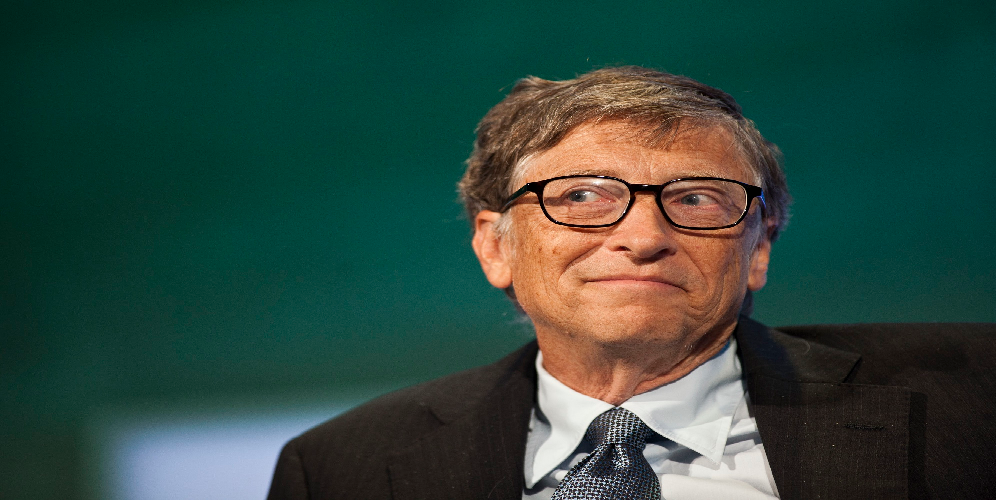
American business magnate and co-founder of Microsoft, Bill Gates, has drawn attention to Nigeria’s low tax collection rate, describing it as a significant challenge to the country’s ability to finance critical sectors like health and education.

Gates made this assertion during a Pan-African youth dialogue on nutrition held in Abuja on Tuesday, where he emphasized the need for Nigeria to bolster its tax revenue to improve its fiscal health and invest more effectively in public services.

While addressing the gathering, Gates highlighted that the country’s current tax collection rate is insufficient for meeting the essential needs of its citizens, especially in healthcare. According to him, for citizens to develop confidence in the government’s ability to provide quality healthcare, it is crucial that there be a clear commitment to managing health funding responsibly and efficiently.

“Over time, there are plans for Nigeria to fund the government more than it does today. The actual tax collection in Nigeria is pretty low,” Gates said.

He further elaborated that as confidence grows in how well government programs, such as primary healthcare, are run, there will be more support for increasing funding through taxation.

“It’s exciting that we are driving the credibility of those health programs. Citizens will feel like primary healthcare is among the priorities that should be well funded as you gain fiscal flexibility,” Gates added.

Gates’ remarks on Nigeria’s fiscal capacity came shortly after Taiwo Oyedele, Chairman of the Presidential Fiscal Policy and Tax Reforms Committee, outlined his committee’s proposals aimed at easing the economic burden on Nigerians. In his statement, Oyedele revealed that the committee recommends the removal of taxes on essential goods and services, including food, public transportation, and housing.

The proposed measures are designed to alleviate the economic pressure on low- and middle-income Nigerians, who have been hardest hit by rising inflation and the removal of fuel subsidies. Oyedele highlighted that the tax reforms focus on exempting basic necessities from taxation, particularly by removing Value-Added Tax (VAT) on items essential for everyday living.

“We’ve identified food, accommodation, transportation, education, and health as critical areas of life, and we’ve removed almost all taxes, including VAT, on these items,” Oyedele explained.

The goal is to create a more manageable cost of living for Nigerians, especially those struggling with the increasing cost of basic goods and services.

However, this sentiment from Gates echoes long-standing calls from the International Monetary Fund (IMF) for Nigeria to increase its tax revenue. The IMF has consistently pointed out that Nigeria’s tax-to-GDP ratio, which hovers around 6%, is one of the lowest in the world. Comparatively, the average tax-to-GDP ratio in sub-Saharan Africa is around 17%, while in advanced economies, it is much higher.

The IMF has argued that without addressing this shortfall, Nigeria will struggle to meet its budgetary needs, fund development projects, or reduce its heavy reliance on borrowing.

However, the IMF’s recommendations have faced widespread opposition in Nigeria. This is because economic hardship has severely affected earnings across various sectors of the economy. The removal of fuel subsidies, rising inflation, and general economic instability have left many Nigerians in a precarious financial situation, making calls for higher taxes deeply unpopular. Critics argue that increasing taxes in such an environment would only worsen the economic burden on already struggling citizens and businesses.

The situation was also acknowledged by Gates. In addition to his remarks on taxation, he also pointed out the alarming level of food insecurity in Nigeria.

“Today, Nigeria has the second-highest rate of food insecurity on Earth,” he said, underscoring the depth of the country’s hunger crisis.

This statement aligns with several reports highlighting that millions of Nigerians face food shortages, exacerbated by inflation, inadequate agricultural output, and ongoing conflicts in food-producing regions.

The World Food Programme (WFP) and other agencies have warned that without swift interventions, the country could face worsening food shortages and malnutrition, particularly among children and vulnerable populations.

Nonetheless, Gates’ focus on improving the tax system reflects a broader global concern about Nigeria’s fiscal sustainability. With its growing population and need for substantial infrastructure and social spending, Nigeria’s ability to collect more revenue is expected to remain a central issue in its economic discourse.

Economic experts said the challenge moving forward, will be finding the right balance between these two priorities: increasing tax revenue to fund vital services while ensuring that tax policies do not compound the economic difficulties faced by everyday Nigerians.

Pullix Set To Go Parabolic As Worlds First Revenue Sharing Trading Platform Nears Launch, MATIC and LTC Holders Pay Attention

0

With investors closely monitoring the fluctuations in crypto market trends, many are now fully convinced of Pullix’s potential. With Polygon (MATIC) and Litecoin (LTC) showcasing signs of faltering, there is a high shift towards Pullix, which aims to become the world’s first revenue-sharing trading platform, with the launch set for August.

Moreover, Pullix early users have already gained a 500% ROI as the coin recorded a price surge from its starting price of just $0.01 to its current price of $0.05.

Pullix (PLX) Set to Revolutionize the Blockchain Industry

Problems with stringent KYC processes, slow transactions, and liquidity have continuously affected the exchange trading sphere. However, Pullix (PLX) aims to resolve these issues by utilizing the power of DeFi and CeFi while integrating online OTC trading features. With such a view, Pullix is set to create a unique and comprehensive trading experience backed by fast transactions, high-level liquidity, and, most importantly, users can retain ultimate control over the funds.

Additionally, Pullix revenue share model has also set this hybrid trading exchange platform apart from most of the hyped traditional exchanges. This model allows the platform to distribute part of the revenue back to its user base. Pullix holders also benefit from other features, including promotional rewards, governance rights, and a chance to trade commodities, forex, and indices.

Pullix has also completed a successful presale that saw the PLX token achieve $8 million in funding, with over 20,000 users. The token has also been listed within major exchange platforms, including CoinMarketCap, BitMart, Uniswap, and CoinGecko, enhancing the coin’s overall market visibility and appeal while providing over 100 assets to trade. Crypto analysts have also foreseen a positive Pullix price prediction that could see the coin hit the $1 mark with its platform launch.

Polygon (MATIC) Price Prediction

Following BTC’s halving in April, analysts expect a bull market in 2024, particularly with institutions rushing for Bitcoin spot ETF approvals. This anticipation also suggests that Polygon (MATIC) will hold an upward trend in 2024 despite regulatory uncertainties that might halt its growth, as with XRP in the previous bull run owing to an SEC lawsuit.

Despite MATIC, integral to Polygon’s ecosystem, being deemed a commodity or currency rather than a security, given its utility in paying gas fees, Polygon still boasts the highest enterprise adoption among ETH scaling solutions. The likes of Starbucks, Reddit, Facebook, and Nike are building on its network.

This move suggests that despite the challenging regulatory concerns, corporate interest might still trigger a bullish momentum in the price of Polygon in 2024, irrespective of the coin’s YTD dip. Crypto experts also anticipate Polygon price to range between a minimum of $0.9012 and a maximum of $1.03, with an average trading price of around $0.9298.

Litecoin (LTC) August Price Range Amid Major Turkey Expansion

Litecoin (LTC) has made a significant stride within the crypto community. The token has seen a remarkable surge in value over the past few days, capturing the attention of both newcomers and seasoned investors. However, despite this recent uptick in the price of Litecoin, a deep dive into the coin’s historical data suggests a looming downward pressure.

The On-Balance-Volume indicator, which gauges market sentiment, reflects a dip in Litecoin accumulation. This shift implies a dipping undertone as selling appears to outweigh the buying activities, with a negative YTD. However, looking forward to the close of August, crypto analysts speculate that Litecoin’s price might stabilize near the $65 mark, with optimistic outlooks proposing a potential rise to the $70 mark.

Additionally, recent developments, such as Charlie Lee’s announcement of expanding Litecoin into banking services, might also contribute to a surging momentum. This move will allow users to buy Litecoin tokens directly through the app, but the feature is currently limited to Turkish users.

Will Pullix Launch Sway Polygon and Litecoin Holders?

Despite Polygon and Litecoin’s previous market performance, Pullix is set to achieve significant milestones, especially with its unique revenue-sharing model. This feature alone might set higher standards for this platform, promoting greater participation within the DeFi market while propelling the PLX price even higher.

Visit Pullix

Join The Pullix Community

Nigerian Treasury Bills Auction: Strong Investor Appetite Reflects Demand for Safe Haven as Oversubscription rate Hits 384.17%

0

The latest auction of Nigerian Treasury Bills (NTBs), conducted by the Central Bank of Nigeria (CBN) on September 4, 2024, showed the robust demand for government-backed securities in an economy facing ongoing macroeconomic challenges.

The auction attracted an overwhelming response from investors, with total subscriptions reaching over N1 trillion, a clear indication of the market’s hunger for stable and relatively risk-free returns.

The CBN offered a total of N233.31 billion across three tenors—91-day, 182-day, and 364-day bills. Despite this modest offering, investor interest soared, with total subscriptions hitting N1.13 trillion, representing an oversubscription rate of 384.17%. This figure is 9.96% higher than the N1.03 trillion in total subscriptions from the previous auction on August 21, 2024.

The high subscription levels reflect investors’ preference for the safety of government securities amidst an environment characterized by inflationary pressures and economic uncertainties. However, despite the strong demand, the CBN remained cautious in its allotment, sticking to its initial offering of N233.31 billion. This approach marked a 19.81% decrease in allotment from the N291.03 billion allotted in the previous auction, indicating a strategic move by the CBN to control the yield curve and manage liquidity effectively.

Detailed Breakdown of Auction Results

91-Day Bills

   Offer Size: N19.6 billion

  • Total Subscriptions: N41.7 billion
  • Allotment: N7.86 billion

While the 91-day bills were oversubscribed by more than double, showcasing significant investor interest, the CBN’s selective allotment resulted in only N7.86 billion being issued, far below the subscription total, suggesting a conservative approach to liquidity management.

182-Day Bills

  • Offer Size: N10.55 billion
  • Total Subscriptions: N17.97 billion
  • Allotment: N1.99 billion

For the 182-day tenor, while subscriptions were also strong, the CBN allotted just N1.99 billion out of the nearly N18 billion in bids, reflecting a cautious stance in a market keen on securing medium-term returns.

364-Day Bills

  • Offer Size: N203.15 billion
  • Total Subscriptions: N1.07 trillion
  • Allotment: N223.47 billion

The 364-day bills were the star of the auction, drawing a staggering N1.07 trillion in subscriptions. Despite this overwhelming demand, the CBN allotted N223.47 billion, the highest of all tenors but still a fraction of the total bids. This underscores the attractiveness of longer-term securities in a high-inflation environment.

Bid Rates and Stop Rates: A Market of Mixed Sentiments

The auction saw a wide range of bid rates across all tenors, reflecting mixed sentiments among investors about the future direction of yields and the broader economy.

91-Day Bills: Bid rates ranged from 16.30% to 20.00%, with the stop rate settling at 17.00%, a decline from the 18.20% recorded in the previous auction.

182-Day Bills: Bid rates varied between 17.50% and 20.50%, with the stop rate closing at 17.50%, down from 19.20% in the last auction.

364-Day Bills: Bid rates spanned from 27.00% to 30.00%, reflecting expectations for higher returns amid persistent inflation. The stop rate for these bills dropped to 18.94%, from 20.90% previously.

Despite the decline in stop rates across all tenors, the yields offered remained attractive, particularly for the 364-day bills, which provided a return of 23.3654%. The 91-day and 182-day bills also offered competitive returns of 17.7675% and 19.1881%, respectively, making them appealing options for yield-seeking investors.

As the CBN prepares to re-issue N2.2 trillion worth of maturing NTBs in the fourth quarter of 2024, the auction results from September provide key insights into investor behavior and market dynamics. The re-issuance program, part of the government’s broader efforts to manage liquidity and sustain economic stability, is expected to record another oversubscription.

In an economy where inflation remains a dominant concern and monetary policy is tightening, the continued strong demand for NTBs suggests that government securities will remain a cornerstone of investor portfolios. However, the CBN’s careful management of issuance and allotment will be crucial in navigating the balance between providing attractive returns and maintaining economic stability.

The America’s Accelerating Destruction And Refreshing Economic Architectures

1

We’re learning that Japan’s Nippon Steel cannot acquire US Steel. The Pittsburgh-based entity had given itself up for acquisition in the heat of steely-fire global competition which has decimated the iconic company. The Biden Administration blocked a $14.1 billion deal which would have brought an investment of $3 billion and kept some older plants intact. To save those jobs, it is very likely that the US government will inject some funds into US Steel. Hello, that is Pennsylvania and this is election season!

When you read about the men who built America, this company has a “chapter”.  When the United States overtook the United Kingdom at the end of the 1890s, the Americans wanted a pillar upon which they could scale a virtuoso industrialization vision. Two men – JP Morgan (the banker) and Andrew Carnegie (the industrialist) – decided in 1901 to establish US Steel (sure, many mutations happened). The company became a catalyst as America industrialized. Simply, US Steel was a fulcrum of America’s 20th century economic dominance.

When I went to interview at Carnegie Mellon University for a faculty job, the dean took me to a building. He explained how Carnegie designed some campus buildings with a steel roll in mind, just in case if the educational vision fails, he could convert all to a plant. As a faculty, you would see that he created that university in the likeness of his industrialization playbook: tons of technical components. CMU is ranked #1  or #2 in AI, autonomous systems, computer science and computer engineering in the US.

By 1917, the largest publicly traded company in the United States was US Steel. But things happened. Yes, fifty years later, in 1967, the largest recorded public company on market cap  in the US was IBM.  Later, it was GE in the early 1980s. Today, we have knowledge companies like Apple and Microsoft running the show.

In all these cases, we can learn of one thing: accelerating destruction. Simply, generations of companies prepare nations for the next phase, and if they succeed, most times, they fade in relevance. When US Steel powered America, its success produced infrastructure companies like IBM  and Intel which then provided automation and computing capabilities for GE across industries. GE organized America in many ways, seeding pillars which enabled modern knowledge firms like Apple and Microsoft to blossom. 

The next generation of largest American companies will feed on the success of Google, Microsoft and Apple. I posit that native and new species of AI companies will rule the markets by 2050. It is magical that US Steel is looking for economic fire for the steel!

Possibly, this acquisition would have gone through if there was no war in Europe. Yes, even though US Steel may seem overlooked as the rain has since stopped falling there, it makes a product which remains vital for America’s national security. Biden does not want to disarm America even in the hands of an “ally”. But as they say, woe to that giant which cannot make its steel. And a giant wants to keep it in-house because things happen!