DD
MM
YYYY

PAGES

DD
MM
YYYY

spot_img

PAGES

Home Blog Page 2951

Polygon Struggling To Stop The Bleeding Whilst Holders Bolt To SUI And Raboo

0

It’s only been about two months since the huge bearish dip took the crypto market by storm. With Bitcoin and Ethereum out of commission, the rest of the top altcoins soon followed.

Polygon’s past week has been chaotic, with the token raking up the losses. MATIC traders are jumping ship to more profitable projects like AI meme coin, Raboo ($RABT), and SUI, which are showing bullish signs.

Let’s see how the tokens are holding up.

Polygon’s losses could take MATIC out of top altcoins list

The top crypto coins list constantly shuffles, with the most consistent gainers heading up the list while losers slip down the ranks. Polygon has been among the top trending tokens, but the MATIC price is finding profits hard to come by, and the bears might just take over.

The past week saw MATIC dip by 22.22%, falling to its support levels at $0.41. Polygon’s dip followed a spike in NFT sales and cryptocurrency exchange traffic on the ecosystem, leaving traders with one big question: why?

However, with a new transition underway, network activity has spiked on Polygon. Some analysts tip the MATIC price for a reversal in the coming days despite its notably bearish outing this week.

SUI keeps piling pressure on Ethereum and its L2 chains

Maybe token prices are not everything. The SUI token hasn’t escaped the falling market any more than Polygon has recorded profits, but the exchange token has something MATIC still lacks: popular adoption.

While Polygon has other L2 chains to compete with, SUI has won over users’ hearts since launching early this year. With the SUI token unlock coming up, analysts are expecting the SUI price to dip to a support level of $0.7 before picking up pace.

Already, SUI is making swift progress in DeFi. Its Total Value Locked is well over $600 million despite a bearish outlook for the SUI coin. Watch out for SUI’s movements.

There’s still one more, rather straightforward solution to plug the bleeding MATIC token. Raboo the meme is stepping onto the big stages.

Raboo is changing meme dynamics!

The meme coins are the current joke of the market, and it’s for a rather simple reason. Meme coins have abandoned their core missions, providing memes, and gone on ahead to chase bull runs.

With little to no utility on their platforms, many meme tokens simply launch and fade into irrelevance. Raboo is charting a different course for itself, and AI is an integral part of that journey – the developers have left no stone unturned to make Raboo a masterpiece among meme projects.

With Rabooscan, they just might have made that masterpiece. The AI is a generative algorithm that will collect meme-worthy material from all over the internet and combine them into memes that are relatable and funny.

Rabooscan already handles the hard part of meme creation, so the members of the Raboo community will be able to focus on the more creative aspects of the memes. It’s the dream place for any meme enthusiast to have fun and make some profit for their creativity through Raboo’s post-to-earn feature.

Raboo is here!

The $RABT tokens are already up for sale via the presale, and many traders from the top altcoins have taken to the presale website for some Raboo coins of their own.

Each one of them goes for $0.0048 currently in Stage 4. However, this stage is close to ending and the price will increase by 19% to $0.0057. While MATIC and SUI brace for bearish impact, you can buck the trend with Raboo here.

You can participate in the Raboo presale here.


Telegram: https://t.me/RabootokenPortal

Twitter: https://twitter.com/Raboo_Official

The Intersection between Traditional Finance and the Digital Realm

0

The financial landscape is undergoing a transformative shift, with the digital realm offering new opportunities and challenges to traditional financial systems. As we move further into the 21st century, the fusion of these two worlds is not just inevitable but necessary to meet the evolving demands of consumers and businesses alike. This blog post explores innovative solutions that are bridging the gap between traditional finance and the digital realm, paving the way for a more inclusive, efficient, and secure financial ecosystem.

Decentralized Finance (DeFi) has emerged as a groundbreaking movement, aiming to reconstruct and enhance financial services by leveraging blockchain technology. DeFi eliminates the need for intermediaries, such as banks, enabling direct peer-to-peer transactions. This not only democratizes access to financial services but also increases transparency and security, as all transactions are recorded on a public blockchain.

At the heart of DeFi are smart contracts—self-executing lines of code that facilitate trustless and secure transactions on the blockchain. These contracts serve as the backbone of decentralized applications (dApps), which are transforming the way we think about financial transactions, from lending and borrowing to trading and insurance.

The first step for banks is to integrate digital technologies into their core operations. This means not only offering online and mobile banking services but also adopting backend technologies that enhance efficiency and security. Banks need to invest in data analytics, artificial intelligence, and blockchain technologies to streamline operations and offer personalized services.

A digital transformation must put the customer at the center of all initiatives. Banks should focus on improving the customer experience by offering intuitive interfaces, seamless transactions, and 24/7 support. Personal financial management tools can help customers manage their finances better, aligning with their expectations for digital services.

Bridging the Credit Gap

One of the challenges in DeFi is the lack of a robust system for assessing creditworthiness, which often leads to overcollateralized loans. A promising solution is to integrate existing credit information onto the blockchain, allowing users to access unsecured DeFi services at favorable rates without the need for crypto collateral.

Integrating Identity and Credit Data

Connecting decentralized identity systems with traditional bank and credit data could significantly narrow the gap between traditional and decentralized finance. This integration would enable a seamless transition of credit history into the DeFi ecosystem, fostering trust and expanding access to financial services.

Fintech is another domain that is bridging the gap between technology and finance. By embracing digital innovations, financial institutions can address user problems, enhance operational efficiency, and drive sustainable growth. Fintech solutions often incorporate AI, big data, and blockchain to create more user-centric financial services.

Partnerships with fintech companies can provide traditional banks with the innovative edge they need. These collaborations can lead to the development of new products and services that are embedded at the point of need for the customer, such as early wage access and buy now, pay later solutions.

Innovative financing solutions like peer-to-peer lending and export credit agencies provide alternative avenues for bridging finance. These solutions are particularly beneficial for small and medium-sized enterprises, offering more flexible and less stringent collateral requirements.

The synergy between traditional finance and the digital realm is not just a trend but a necessity for the future of finance. By embracing innovative solutions like DeFi, smart contracts, and fintech, we can create a financial ecosystem that is more inclusive, efficient, and secure. The journey towards this integration is complex, but the potential benefits for individuals and businesses around the globe are immense. As we continue to innovate, the gap between traditional finance and the digital world will narrow, leading to a more interconnected and empowered global economy.

Decentralized Finance Lending Protocols is the Future of Borrowing

Moreso, the financial landscape is undergoing a significant transformation with the advent of decentralized finance (DeFi) lending protocols. These innovative platforms are reshaping the way we think about borrowing and lending by leveraging blockchain technology to create a system that operates without the need for traditional financial intermediaries.

At the core of DeFi lending protocols are smart contracts, self-executing contracts with the terms of the agreement directly written into code. These contracts facilitate financial transactions on blockchain networks like Ethereum, providing a transparent, immutable, and automated system for lending and borrowing.

One of the most compelling aspects of DeFi lending is the democratization of financial services. Unlike traditional banking systems, DeFi platforms can be accessed by anyone, anywhere, without the need to disclose personal information to a central authority. This not only enhances privacy and security for users but also opens up financial services to a broader population that may not have access to traditional banking.

Cryptocurrencies serve as the backbone for these lending platforms, with users lending and borrowing digital assets through smart contracts. When a user lends their cryptocurrency on a DeFi platform, they deposit their tokens into a smart contract, which then allows others to borrow these funds under agreed-upon terms. This system offers much higher interest rates compared to traditional savings accounts, making DeFi lending an attractive option for earning passive income.

The rise of DeFi lending platforms has been meteoric, with the Total Value Locked (TVL) in DeFi protocols reaching substantial figures. Platforms like Aave, Compound, and MakerDAO have become major players in the space, with billions of dollars’ worth of value locked up in their smart contracts.

However, it’s important to note that while DeFi lending offers many benefits, it also carries its own set of risks. Smart contract vulnerabilities and rapid changes in borrowing rates are just a few of the potential challenges users may face. As with any financial endeavor, a clear understanding and careful navigation are essential when engaging with DeFi lending protocols.

One of the primary risks associated with DeFi lending is the potential for smart contract vulnerabilities. Since DeFi platforms operate on code-based contracts, any bugs or flaws in the code can lead to the loss of funds or other security breaches. This underscores the importance of thorough audits and security measures within the DeFi space.

Another significant risk is the volatility of the cryptocurrency market. The prices of digital assets can fluctuate wildly, and when used as collateral in DeFi lending, this volatility can lead to liquidation events if the value of the collateral drops below a certain threshold. Users must be aware of market conditions and manage their investments accordingly.

Impermanent loss is also a concern, particularly for those providing liquidity to DeFi platforms. This occurs when the price of assets in a liquidity pool change compared to when they were deposited, potentially leading to losses if the liquidity provider were to withdraw their assets.

Additionally, the DeFi space has witnessed instances of rug pull schemes and flash loan attacks. Rug pulls happen when developers abandon a project and run away with users’ funds, while flash loan attacks exploit vulnerabilities in DeFi protocols to borrow large amounts of assets without collateral, often leading to market manipulation.

Despite these risks, the allure of DeFi lending platforms remains strong, thanks to their potential for high returns and the democratization of financial services. It’s essential for users to conduct their own research, understand the risks involved, and approach DeFi lending with caution and informed decision-making.

Decentralized finance lending protocols are not just a fleeting trend; they represent a paradigm shift in the financial industry. By providing a more accessible, transparent, and efficient system for lending and borrowing, DeFi has the potential to disrupt traditional finance and pave the way for a more inclusive financial future.

Finally, NNPCL Admits Owing International Oil Traders As Fuel Scarcity Escalates

0

The Nigerian National Petroleum Corporation Limited (NNPCL) has finally acknowledged that its substantial debt to international oil traders is a major factor behind the ongoing fuel scarcity plaguing the country.

In a statement released on Sunday, NNPC spokesperson Olufemi Soneye confirmed reports linking the fuel shortages to supply disruptions caused by the corporation’s outstanding debt obligations to these traders.

“NNPC Ltd. has acknowledged recent reports in national newspapers regarding the company’s significant debt to petrol suppliers. This financial strain has placed considerable pressure on the company and poses a threat to the sustainability of fuel supply,” he said.

However, Soneye stated that NNPC remains committed to its role as the supplier of last resort, ensuring national energy security in line with the Petroleum Industry Act (PIA).

“In line with the Petroleum Industry Act (PIA), NNPC Ltd. remains dedicated to its role as the supplier of last resort, ensuring national energy security. We are actively collaborating with relevant government agencies and other stakeholders to maintain a consistent supply of petroleum products nationwide,” Soneye added.

Although NNPC has admitted to the situation, the corporation did not disclose the exact amount owed.

Energy expert Kelvin Emmanuel disclosed in August that NNPC’s debt to oil suppliers stands at approximately $6.8 billion, primarily in subsidy-related debts. This massive debt has made it increasingly difficult for the corporation to secure the imported petrol products necessary to meet national demand.

Emmanuel further explained that NNPC’s financial woes have prevented it from remitting funds to the Federation Account since January 2023, in what appears to be a violation of the PIA. According to section 64(c) of the Act, NNPC is obligated to remit 70% of sales from crude oil to the Federation Account, retain 20% as earnings, and allocate 10% to the frontier basin exploration fund.

“NNPC has not remitted money to the Federation Account since January in line with sections 64(c) of the PIA that obligates it to remit 70% of sales from crude oil to the Federation Account, and keep 20% as retained earnings and 10% as allocation to frontier basin exploration fund,” Emmanuel explained.

He also revealed that the company has been seeking to borrow $2 billion from Standard Chartered, using a Production Sharing Contract (PSC) tied to a 35,000 barrels-per-day well as collateral to pay down part of the $6.8 billion debt.

“Like I mentioned last month, the proposed $2 billion loan SC is doing bookrunning for (that was going to tie a PSC well in 35k barrels per day in repayment) was to draw down on this outstanding,” Emmanuel stated.

He questioned the rationale behind borrowing fresh loans to repay existing debts, adding, “Please explain to me how any sensible person is borrowing fresh loans to draw down principal on existing loans?”

However, amid rising concerns and public scrutiny, the NNPC issued a statement on August 18 denying that it owed $6.8 billion to any international trader. The company clarified that in the oil trading business, transactions are commonly conducted on credit, making it normal to owe at one point or another.

“That NNPC Ltd. does not owe the sum of $6.8bn to any international trader(s). In the oil trading business, transactions are carried out on credit, and so it is normal to owe at one point or the other,” the NNPC stated. The corporation also noted that its subsidiary, NNPC Trading, maintains numerous open trade credit lines with several traders and pays its obligations on a first-in, first-out (FIFO) basis,” it said.

“It is not correct to say that NNPC Ltd. has not remitted any money to the Federation Account since January. NNPC Ltd. and all its subsidiaries remit their taxes to the Federal Inland Revenue Service (FIRS) regularly. This is in addition to payments of CIT to road contractors under the Road Investment Tax Credit Scheme. In all, NNPC Ltd. is the largest contributor to the tax revenue shared every month at the Federation Account Allocation Committee (FAAC),” the statement added.

This acknowledgment follows a report by Vanguard, which cited industry sources indicating that NNPC, as the sole importer of petrol, using supply agents, is burdened by over $6 billion in debt that has accumulated over time. The corporation’s failure to settle these debts has led to significant supply disruptions, contributing to the current fuel scarcity across the country.

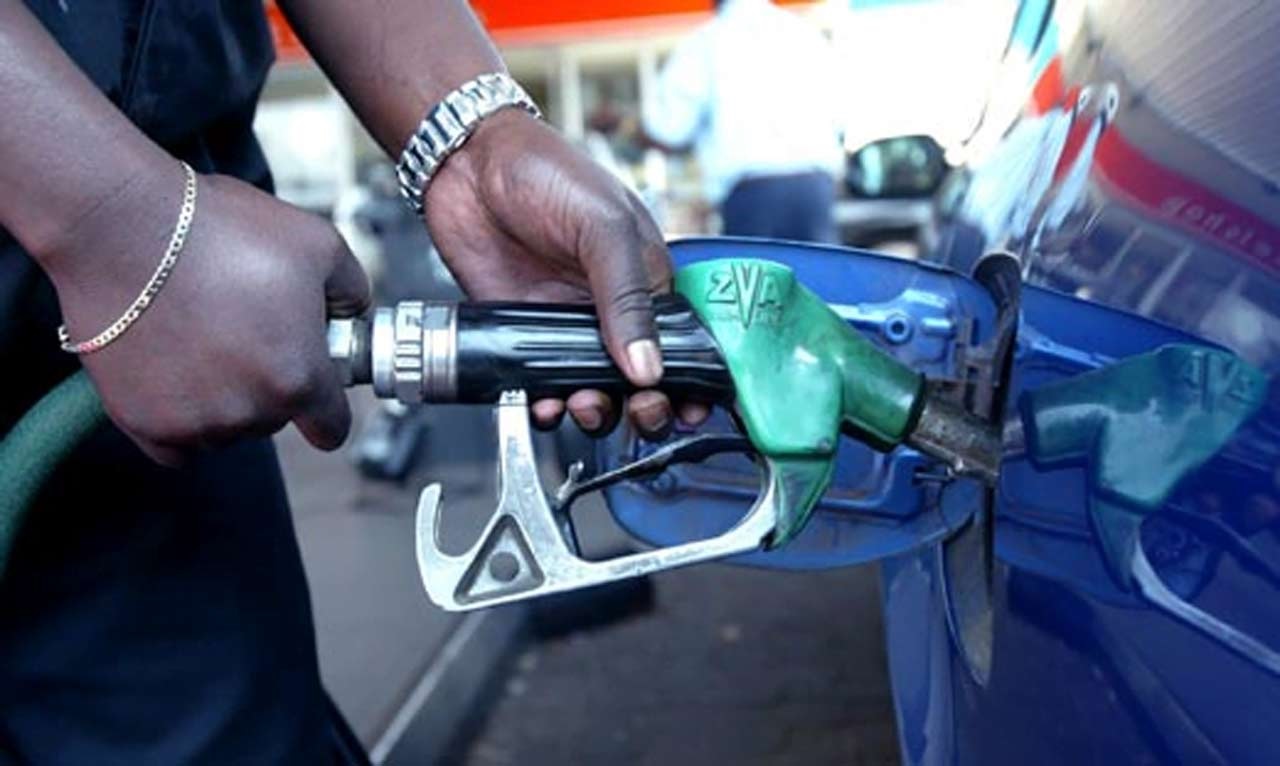
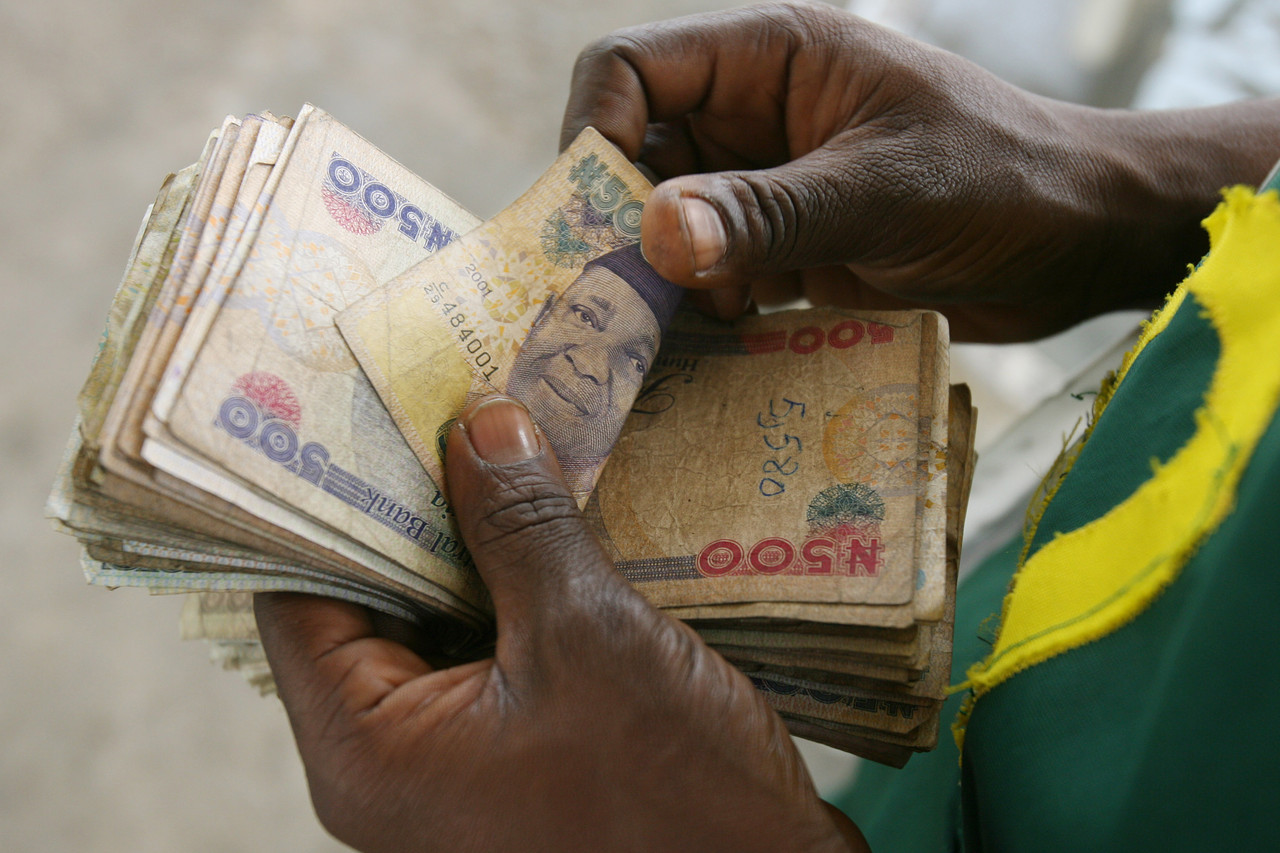
The fuel scarcity across the country has intensified, with petrol prices soaring to between N840 and N1,200 per liter at various locations. This situation has raised concerns that the corporation may no longer be able to maintain a fixed price for petrol following the removal of the subsidy on May 29, 2023.

Against this backdrop, there are growing indications that the NNPC might seek financial relief from the federal government, possibly in the form of a reintroduced subsidy, to manage its mounting debt and stabilize fuel supplies. While NNPC has not confirmed such a move, its recent statements suggest that government intervention may be necessary to help the corporation settle some of its obligations to international oil traders.

“The way I see it, NNPC and Independent marketers will have no choice but to offtake PMS from Dangote Refinery this month, less the fuel scarcity will continue,” Emmanuel remarked, hinting at the potential reliance on the new refinery to address the ongoing fuel shortage.

Why Nigeria Can Still Achieve a One-Trillion Dollar Economy by 2030

0

There are divergent views about Nigeria’s ability to attain a $1 trillion economy by 2030. I am still optimistic, as it is too early to conclude that it won’t be achievable. Nigeria’s economy has shown signs of improvement and potential for more growth. President Tinubú’s economic policies are gradually paying off despite not having any significant positive impact on the standard of living of Nigerians at the moment. To achieve its target, the Federal Government, must remain focused, and adopt an agile approach as today’s world is volatile, uncertain, complex, and ambiguous (VUCA).

According to the National Bureau of Statistics, Nigeria’s Gross Domestic Product grew by 3.19% in the second quarter of 2024 (on a year-on-year basis) which is higher than the 2.51% recorded in the second quarter of 2023 and the 2.98% recorded in the first quarter of 2024. With Nigeria’s GDP standing at $384 billion, a GDP growth rate of 3.19% is seemingly too low if Nigeria is to attain a $1 trillion GDP by 2030. However, the National Bureau of Statistics is in the process of rebasing Nigeria’s Gross Domestic Product. When the last rebasing exercise was done in 2014, Nigeria’s Gross Domestic Product moved from $270 billion to $510 billion, an increase of 89%. We can only keep our fingers crossed while we await the conclusion of the current rebasing exercise.

It is no longer news that Nigeria’s headline inflation on a year-to-year basis decreased in July 2024, for the first time since December 2022. It dropped to 33.40% from 34.19% in June 2024. Also, on a month-on-month headline inflation has been on the decline consistently since March 2024, with June 2024 being an exception. However, the government needs to monitor the situation closely, as the recent fluctuation in the value of the Naira may undermine this progress.

Nigeria’s debt service-to-revenue ratio dropped from 97% to under 70% under the watch of the current administration. There is still a lot of work to be done, as it is far higher than the 22.5% prescribed by the World Bank. However, it has freed up resources for the government to invest more in infrastructure, healthcare, education, security, and other sectors of the economy. These investments will increase the growth of Nigeria’s Gross Domestic Product.

As part of efforts to reach a $1 trillion economy, Nigeria targets an oil production of 2 million barrels per day by 2025 and is intensifying its efforts to diversify the economy. With the Port Harcourt, Warri, and Kaduna refineries yet to recommence operations, the Dangote refinery will boost the Nigerian economy when it becomes fully operational due to the positive multiplier effect it will have. The refinery projects a turnover of $30 billion in the next two years. More domestic refineries are expected to become operational before 2030.

The implementation of the new national minimum wage will stimulate consumer spending. Household consumption shrunk as a result of the devaluation of the Naira. The demand for non-essential goods and services drop significantly. Companies experienced declining revenues, and some downsized staff strength to remain afloat. Also, better wages lead to more innovation, productivity, less staff turnover, and reduced brain drain as a result of “Japa,” leading to increased GDP in the long run.

Using the rebasing exercise conducted in 2014, which led Nigeria’s Gross Domestic Product to jump from $270 billion to $510 billion, as a precedent, one should be optimistic about the outcome of the current rebasing exercise by the National Bureau of Statistics. Furthermore, there are positive signs of increased economic growth, namely’; increased oil production, diversification of the economy, multiplier effect of the implementation of the new national minimum wage and self-sufficiency in refining of crude oil, etc. The government must be agile and remain steadfast in its economic reforms if Nigeria is to achieve a $1 trillion economy by 2030.

By Kenechukwu Aguolu   FCA, ACIT, PMP, FCIA

Kenerek1@gmail.com

New Minimum Wage, FAAC Allocation, and Supplementary Budget May Drive Up Nigeria’s Inflation – Agusto & Co

0

Agusto & Co, a prominent credit rating agency, has issued a cautionary statement regarding Nigeria’s inflation, warning that the recent slight moderation could be short-lived due to several imminent fiscal measures.

The agency’s concerns are primarily centered on the proposed supplementary budget, increased Federation Account Allocation Committee (FAAC) disbursements, and the upcoming minimum wage hike, which they believe could reignite inflationary pressures and prolong the nation’s battle with high inflation.

In its latest monthly newsletter, published on Friday, Agusto & Co highlighted the risks posed by the government’s fiscal policies.

“The risk of a renewed inflationary surge is heightened by several factors, including the proposed supplementary budget of N6.6 trillion, increased liquidity from monthly disbursements to the three tiers of government, and the impending implementation of the N70,000 minimum wage. These factors could potentially offset the positive impact of recent policy measures and prolong the disinflationary process,” the newsletter stated.

The agency’s analysis underscores the complexity of Nigeria’s economic environment, where fiscal policies aimed at stimulating the economy could inadvertently fuel inflation. For instance, the supplementary budget and increased FAAC allocations are expected to inject significant liquidity into the economy. In contrast, the proposed minimum wage increase could raise consumption levels, both of which are naturally inflationary.

Economic Challenges and CBN’s Dilemma

Agusto & Co also pointed to existing economic challenges that exacerbate the risk of inflation, such as food supply disruptions and the high cost of fuel. These issues, coupled with the anticipated fiscal measures, present a challenging scenario for the Central Bank of Nigeria (CBN) as it navigates its monetary policy.

Given these conditions, the agency anticipates that the CBN may opt to maintain the current policy rate at the upcoming Monetary Policy Committee (MPC) meeting in September 2024. The decision to hold the rate would be based on recent inflation data, which, according to Agusto & Co, validates the CBN’s tightening stance.

“The latest inflation data vindicates the CBN’s tightening monetary policy stance. The consistent moderation in month-on-month inflation since March, coupled with a slower pace of year-on-year increases in the latter half of H1 2024, reinforces the CBN’s conviction that the contractionary monetary measures are yielding positive results,” the newsletter noted.

However, the agency cautioned that while inflation has moderated, the underlying structural issues driving core inflation remain unresolved. This suggests that the risk of inflationary pressures resurging remains significant.

CBN’s Strategic Pause

Agusto & Co’s analysis suggests that the CBN might adopt a “wait and see” approach at its next MPC meeting. With Q1 2024 GDP growth showing signs of strain due to rising borrowing costs, the CBN may decide to keep the policy rate stable, allowing time to monitor inflation trends, exchange rates, and the upcoming Q2 GDP data before making further policy adjustments.

“The CBN, at the last MPC meeting in July 2024, re-emphasized its commitment to stay on course with the tightening cycle in view of the urgent need to address inflationary pressures to consolidate on the gains thus far achieved. While acknowledging the recent progress made, Governor Cardoso hinted at potential rate cuts in the future if inflationary pressures continue to ease,” the newsletter stated.

This strategic pause would give the CBN the opportunity to assess the effectiveness of its current measures and the impact of the government’s fiscal policies. It would also provide the bank with crucial data on how the economy is responding to both monetary tightening and fiscal stimulus.

Despite the recent decline in inflation, Agusto & Co. warned that the persistent structural issues reflected in core inflation indicate that the risk of inflationary pressures resurging remains significant. The agency highlighted that the underlying factors contributing to inflation, particularly those linked to structural elements such as supply chain disruptions and inefficiencies, continue to pose a threat.

“The underlying factors contributing to inflation, particularly those linked to structural elements, continue to pose a threat, making the possibility of further increases in inflation a real concern,” the report concluded.