DD
MM
YYYY

PAGES

DD
MM
YYYY

spot_img

PAGES

Home Blog Page 2968

African Investors Accounted Only for 19.45% of Nigeria’s Total Capital Importation in Q2 2024

0

In the second quarter of 2024, Nigeria experienced a notable shift in foreign capital inflows, with overall capital importation in Q2 2024 witnessing a 22.85% decline, falling from $3.37 billion in Q1 to $2.60 billion, according to the latest data from the National Bureau of Statistics (NBS).

There is also notable shift from African investors, who accounted for 19.45% of the total capital importation. Out of the total $2.60 billion in foreign capital received by Nigeria, $506.68 million came from investors within Africa, excluding Nigerian contributions. This data marks a drop of interest from African investors who recorded 22.97% in Q1 2024.

While African investors continue to play a significant role in Nigeria’s capital importation, Q2 2024 saw a 34.65% quarter-on-quarter decline from the $775.47 million received in Q1 2024. However, year-on-year comparisons reveal substantial growth, with African contributions rising by 98.22% from $255.56 million in Q2 2023 to $506.68 million in Q2 2024.

Despite this decline from Q1, the year-on-year rise underscores an overall increase in Nigeria’s appeal to investors within the continent. Analysts suggest that this growing interest could be linked to Nigeria’s recent economic policies, new investment opportunities, and shifts in regional dynamics, which have made the market more attractive than it was a year ago.

Mauritius and South Africa Are Major Contributors

Breaking down the numbers, two countries stood out as the primary sources of foreign capital from Africa in Q2 2024: Mauritius and the Republic of South Africa. Mauritius was the largest contributor, providing $250.70 million, a staggering rise from $17.05 million in Q2 2023.

South Africa, on the other hand, contributed $255.98 million in Q2 2024, though this represents a decrease from the $582.34 million it invested in Q1 2024. Despite the drop, South Africa remains a major player in African investment in Nigeria.

While external African investments flourished, Nigerian local investors contributed only $3.63 million in Q2 2024. This is a slight recovery from a negligible $0.07 million in Q1 2024 but still pales in comparison to the $99.74 million recorded in Q2 2023. The sharp decline in domestic contributions signals a growing reluctance among Nigerian investors to reinvest in the local economy. Experts attribute this to economic uncertainties and the allure of more attractive investment opportunities abroad.

The minimal contribution from Nigerian investors highlights a broader trend of reliance on foreign capital, with domestic investors’ contributions accounting for less than 1% of the total capital inflows from African sources in Q2 2024.

Capital from Non-African Countries

Although there is significant involvement of African investors, non-African countries continued to dominate Nigeria’s foreign capital inflows. The United Kingdom led the pack with $1.12 billion in Q2 2024, though this was down from $1.81 billion in Q1 2024. The decline reflects a potential shift or re-evaluation by UK investors, who may be reassessing Nigeria’s evolving business climate.

Similarly, capital inflows from the United States dropped slightly, with the US contributing $81.58 million in Q2 2024, compared to $89.27 million in the previous quarter. However, the United Arab Emirates (UAE) bucked the trend, increasing its investment in Nigeria to $143.44 million in Q2 2024, up from $101.76 million in Q1. This rise indicates growing Middle Eastern interest, particularly in sectors such as real estate, infrastructure, and energy.

Other contributors, include Hong Kong with $15.47 million, and Germany with $13.88 million.

Despite these investments, Nigeria’s overall capital importation in Q2 2024 witnessed a 22.85% decline, falling from $3.37 billion in Q1 to $2.60 billion. This drop, though significant, still represents a 152.8% year-on-year increase compared to Q2 2023, when capital importation was just $1.03 billion.

The Foreign Direct Investment (FDI) figures, however, present a different picture. FDI in Q2 2024 dropped sharply to $29.83 million, the lowest level on record since 2013. This is a 65.33% decrease from the $86.03 million recorded in Q2 2023, highlighting a broader trend of dwindling investor confidence in long-term, on-the-ground investments in Nigeria.

The reasons for this decline are multifaceted, with analysts pointing to persistent economic uncertainties, security concerns, and policy inconsistencies as key factors deterring investors from making substantial direct investments in the country.


Mobile Betting Innovations: How Apps Are Revolutionizing Access and Engagement

0

The rapid advancement of mobile technology has transformed various industries, with sports betting being no exception. Mobile betting apps are revolutionizing how users engage with sports betting, offering enhanced accessibility, convenience, and interactive features. This article explores the innovations in mobile betting, the benefits and challenges they present, and the importance of responsible gambling practices in this digital age.

Innovations in Mobile Betting Apps

1. Personalized User Experience:

Utilizing data analytics, betting apps can offer personalized recommendations and notifications based on user preferences and betting history. This customization enhances user engagement by tailoring content to individual interests, including features like free soccer picks.

2. Live Betting and Streaming:

Mobile apps have made live betting more accessible by allowing users to place bets in real-time as events unfold. Additionally, some apps offer live streaming of sports events, providing an immersive experience that keeps users engaged.

3. User-Friendly Interfaces:

Modern betting apps prioritize intuitive and user-friendly interfaces, making it easier for users to navigate through options, place bets, and manage their accounts. The design often incorporates seamless navigation, clear displays of odds, and quick access to live events.

4. Enhanced Security Features:

With the increasing risk of cyber threats, mobile betting apps have integrated advanced security measures such as biometric authentication, encryption, and two-factor authentication to protect user data and ensure secure transactions.

5. Integration with Social Media:

Many mobile betting platforms now offer social features, allowing users to share their bets, follow friends, and participate in community discussions. This social integration fosters a sense of community and shared experience among users.

6. Gamification Elements:

To increase engagement, some apps incorporate gamification elements like leaderboards, achievements, and rewards. These features make the betting experience more interactive and entertaining for users.

Benefits of Mobile Betting Innovations

  1. Convenience: Mobile apps allow users to place bets anytime and anywhere, offering unparalleled convenience compared to traditional betting methods.
  2. Real-Time Updates: Users receive instant notifications and updates on their bets and the outcomes of sporting events, keeping them informed on the go.
  3. Wider Access: Mobile apps break down geographical barriers, enabling users from different regions to participate in sports betting.

Challenges and Considerations

  1. Addiction Risks: The ease of access through mobile apps can lead to increased risks of gambling addiction. It’s crucial for users to remain vigilant about their betting habits.
  2. Regulatory Compliance: Mobile betting operators must navigate complex regulatory landscapes to ensure compliance with local laws and regulations.
  3. Security Threats: Despite advanced security measures, the risk of data breaches and cyber attacks remains a concern for both operators and users.

Responsible Gambling Practices

The rise of mobile betting apps underscores the need for robust responsible gambling practices. Bettors should be encouraged to set limits on their spending and time spent on betting activities. Mobile apps often include features that allow users to self-exclude or set personal limits, promoting safer gambling habits.

Organizations such as the Responsible Gambling Council (RG) provide valuable resources and support for individuals seeking to gamble responsibly. These resources offer guidance on recognizing problem gambling behaviors and accessing support services when needed.

Conclusion

Mobile betting apps have significantly transformed the sports betting landscape by enhancing accessibility, convenience, and user engagement. However, as the industry evolves, it is vital to prioritize responsible gambling practices to mitigate the risks associated with increased access. Leveraging resources from organizations like the Responsible Gambling Council can help ensure a safe and sustainable betting experience for all users.

The Intersection of Cryptocurrency and Sports Betting: An Overview

0

The integration of cryptocurrency into sports betting represents a significant shift in the way betting transactions are conducted, offering a new level of convenience, security, and global accessibility. This overview explores how cryptocurrencies are being utilized in the sports betting industry, the benefits and challenges they present, and the importance of responsible gambling practices in this evolving landscape.
The Rise of Cryptocurrency in Sports Betting

Cryptocurrencies like Bitcoin, Ethereum, and Litecoin have become increasingly popular in the sports betting industry due to their unique advantages. These digital currencies operate on decentralized networks, offering users fast and secure transactions without the need for traditional banking intermediaries. This has led to a growing number of sports betting platforms accepting cryptocurrencies as a valid form of payment. For those interested in comparing how different platforms are adapting to this trend, the Best MGM vs competitors analysis provides insightful comparisons on their approaches to integrating cryptocurrency.

Benefits of Cryptocurrency in Sports Betting

  1. Speed and Efficiency: Cryptocurrency transactions are typically processed faster than traditional banking methods. This allows bettors to deposit and withdraw funds almost instantaneously, enhancing the user experience.
  2. Privacy and Anonymity: Cryptocurrencies offer a higher level of privacy compared to conventional payment options. Users can maintain anonymity, as transactions do not require personal information to be disclosed.
  3. Global Accessibility: Cryptocurrencies enable users from countries with restrictive banking regulations to participate in sports betting. This opens up betting opportunities to a wider audience across the globe.
  4. Lower Transaction Costs: By eliminating intermediaries, cryptocurrency transactions often incur lower fees, making them a cost-effective option for both bettors and operators.

Challenges of Cryptocurrency in Sports Betting

  1. Regulatory Uncertainty: The legal status of cryptocurrency varies widely across jurisdictions, leading to regulatory challenges for sports betting platforms and users.
  2. Volatility: The value of cryptocurrencies can fluctuate significantly, potentially affecting the value of bets and winnings.
  3. Security Concerns: While blockchain technology is secure, the storage and management of cryptocurrencies can pose security risks if not handled properly.

Responsible Gambling Practices

As the intersection of cryptocurrency and sports betting continues to evolve, it is crucial to emphasize responsible gambling practices. Bettors should be mindful of the risks associated with both gambling and the use of cryptocurrencies, such as potential financial loss and the volatility of digital currencies. Setting limits and adhering to safe gambling practices can help mitigate these risks.

Organizations like the Responsible Gambling Council (RG) offer resources and support to individuals seeking to engage in responsible betting. These resources can provide guidance on setting personal limits, recognizing signs of problem gambling, and accessing support services.

Conclusion

The integration of cryptocurrency in sports betting offers numerous advantages, including enhanced privacy, speed, and accessibility. However, it also presents unique challenges, particularly in terms of regulation and security. As this trend continues to develop, it is essential for both operators and users to prioritize responsible gambling practices. Utilizing resources such as those provided by the Responsible Gambling Council can help ensure that the adoption of cryptocurrencies in sports betting remains safe and sustainable.

Analyst Says to Avoid Ripple (XRP) “Like the Plague,” Shares 2 Rival Tokens That Could Return 10-20x Gains by Early 2025

0

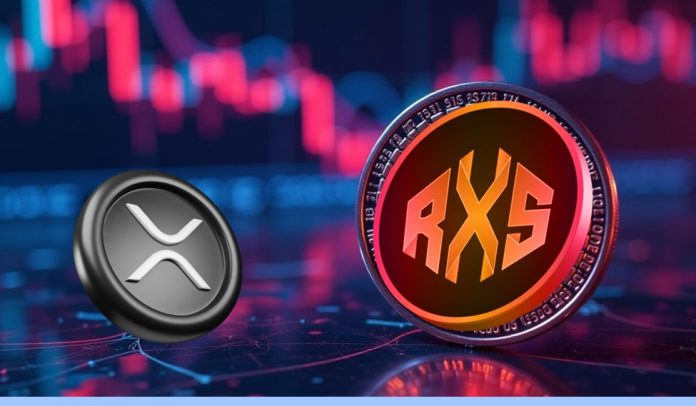
An analyst warns investors to steer clear of Ripple (XRP), citing ongoing regulatory uncertainties and market challenges. Instead, they highlight Toncoin and Rexas Finance as promising alternatives, potentially offering 10-20x gains by early 2025, thanks to their innovative approaches and growing ecosystems.

2 Rival Tokens That Could Return 10-20x Gains by Early 2025

Toncoin (TON)

Toncoin (TON) is a crypto project that gained traction because of its strong environment support with popular messaging projects. Moreover, the crypto asset focus on decentralized applications and secure communication has maintained TON as an emerging project in the market. 

Rexas Finance (RXS)

Rexas Finance is the user’s gateway to the future of asset management. Rexas Finance enables users to own or tokenize digitally any real-world asset, from real estate to commodities, on a worldwide scale. With Rexas Finance, users can gain a market with endless asset investment opportunities.

Rexas Token Builder: It is normally used to tokenize their real-world assets and commodities. To make it easy for individuals to get digital ownership and offer access to the global market.

Rexas Launchpad: This feature helps the asset owners raise funds for their tokenized assets, offering liquidity and new investment options for the crypto users.

Rexas Estate: The project’s one of the most exciting features is Rexas Estate which enables crypto users to co-own the real-world assets and earn passive income in stablecoins.

Rexas Finance began the presale of the native token RXS on September 8, 2024. The total supply of RXS tokens is 1 billion. Rexas project has raised over $2.75M until now, with the third stage of presale over. This event is important for the platform as it allows early investors to engage in what might turn into a revolutionary solution for RWA tokenization.Despite all these features and benefits, Rexas Finance (RXS) has not reached any Venture Capital for investment, instead, the project began its presale on September 8, 2024. Rexas Finance’s $1M Giveaway is live, offering a huge chance for early adopters to join the project’s growth. With a current token price of $0.06 and a projected listing price of $0.20, the potential for a 400% increase indicates a good opportunity for investors. 

About Rexas Finance (RXS)

Rexas Finance is the user’s gateway to the future of asset management. Rexas allows users to own or tokenize virtually any real-world asset, from real estate and art to commodities and intellectual property worldwide. With Rexas, users gain access to a world where asset liquidity and investment choices are boundless.


For more information about Rexas Finance (RXS) visit the links below:

Website: https://rexas.com

Win $1 Million Giveaway: https://bit.ly/Rexas1M

Whitepaper: https://rexas.com/rexas-whitepaper.pdf

Twitter/X: https://x.com/rexasfinance

Telegram: https://t.me/rexasfinance

The Cryptocurrency Achieving Huge Growth By Echoing The Teachings Of Satoshi Nakamoto: Cutoshi (CUTO)

0

Over the years, there has been a shift from Bitcoin founder Satoshi Nakamoto’s core principles for blockchain technology, which are decentralization, privacy, and monetary freedom. While many centralized exchanges have faced issues of privacy, security, transparency, control, and regulatory scrutiny, Cutoshi is coming up with a new multi-chain DEX exchange that will solve all these issues.

According to CoinMarketCap, the Decentralized Finance market cap has grown to over $60B, a 12% increase from the $46.61B projection for the year. With the rising adoption of DeFi, mainly in traditional finance, the DeFi market cap will hit $100B in early 2025. This showcases the rising interest in DeFi and Cutoshi’s growth potential.

Cutoshi – A Crypto Project Following The Core DeFi Principles

Cutoshi is a revolutionary project borne out of the ideas of Satoshi Nakamoto and the traditional Chinese Lucky Cat. People previously placed Lucky Cats in their homes to maximize their lucky powers. As such, Cutoshi is on a mission to bring the Lucky Cat to the blockchain.

Linking the Lucky Cat with Satoshi Nakamoto’s ideals and teachings, Cutoshi aims to bring luck, prosperity, and wealth to your digital assets. Cutoshi’s objective is to build a community-driven ecosystem where investors have decision-making powers and control over their assets.

By following the ideal teaching of Nakamoto, Cutoshi is seen as a tribute to decentralized finance, incorporating the values of freedom, privacy, anonymity and monetary empowerment for the masses. In essence, Cutoshi is bringing DeFi to the masses and, at the same time, promoting DeFi participation through the fun meme coin and the unique Cutoshi ecosystem.

Cutoshi Ecosystem — The Engine Powering The Platform

The Cutoshi ecosystem is designed to offer investors all the tools they need to learn more about DeFi and make maximum returns from their investments. One of the core features or tools is the Cutoshi multichain decentralized exchange (DEX). Unlike centralized exchanges, the DEX allows for easy swapping of assets across various blockchains without needing an intermediary.

This simplifies the process and solves common issues of interoperability, security, and privacy, which are the major issues encountered in CEX. Another major tool of the ecosystem is Cutoshi University, designed to allow investors and individuals to enhance their knowledge of the cryptocurrency market through market analysis, trends, and data.

Users will also be able to learn more about DeFi in the CUTO university. Going forward, there is a farming protocol designed to allow individuals to participate in quests, collect points, and earn rewards. This ensures community engagement and growth, which will invariably motivate people to invest in the project. In the future, Cutoshi will also offer NFTs to community members that are most active in the community.

CUTO — The Powerful Meme Coin Driving The Ecosystem

The native Utility token of the ecosystem is CUTO. Holding this token alone grants you access to exclusive services. Outside being used for transactions in the Cutoshi University, it is also the vehicle used to distribute rewards, cashbacks, and promotional offers in the Cutoshi platform.

It is also a deflationary meme coin, with 7% of the total supply allocated to the burning event. This will ensure value growth in the long term. Notably, Cutoshi has a total supply of just 440M, with 55% which represent 242M tokens allocated for presale. Others are Farming (10%), marketing (10%), Listing (10%), and Team (8%).

Meanwhile, the ongoing CUTO token presale has been a success. Within a short time of starting the presale, Cutoshi has raised over $300K USDT, with analysts projecting $1M in October. Notable analysts who have reviewed the project believe that Cutoshi coin will follow the price trajectory of Dogwifhat, which surged by over 2,750% within four months of launch.

As such, Cutoshi’s price is projected to hit an 800% rally in presale and over 3000% rallies within weeks of hitting major DEX exchanges such as Uniswap and PancakeSwap. Given this massive ROI potential, investors have limited time to join the project at this nascent stage before the price hits the roof.


For more information on the Cutoshi (CUTO) Presale:

https://cutoshi.com/

Join and become a community member:

https://twitter.com/CutoshiToken

https://t.me/cutoshi

Meta Title: