DD
MM
YYYY

PAGES

DD
MM
YYYY

spot_img

PAGES

Home Blog Page 2980

Nigerian Government Begins Sale of 30,000 Metric Tonnes of Rice to Nigerians At N40,000 Per 50kg

0

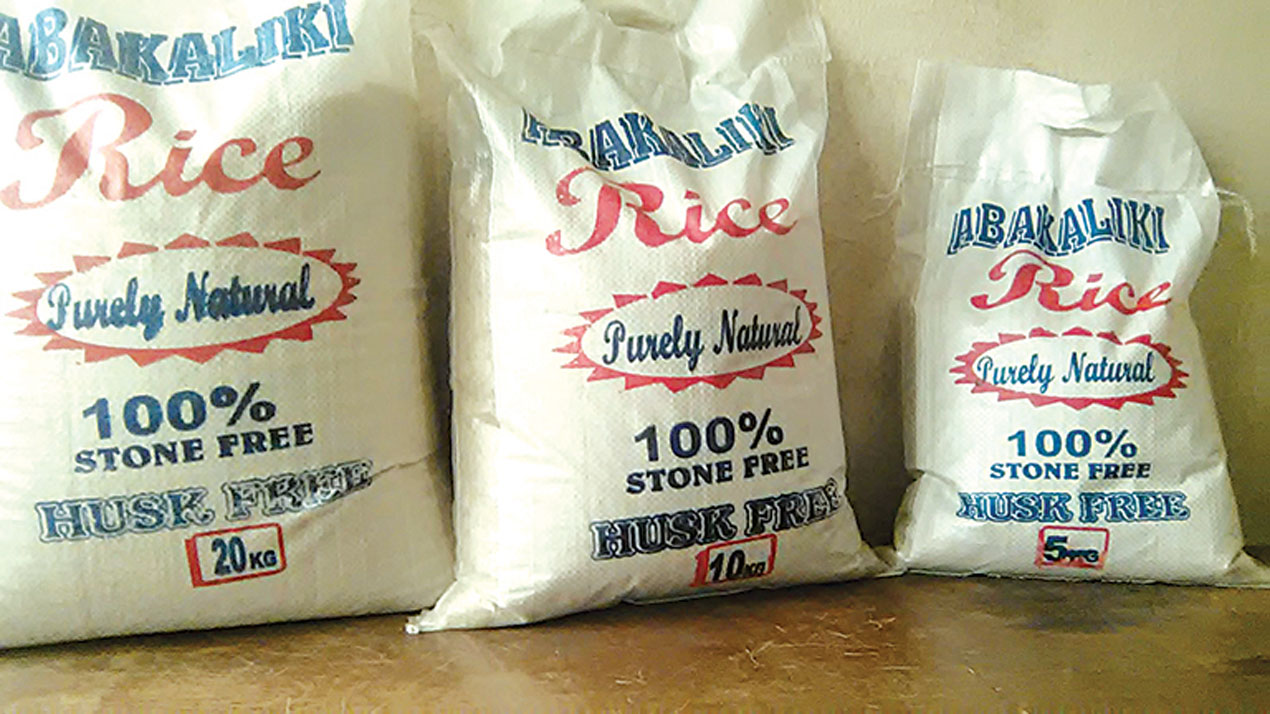
The Nigerian government has announced the sale of 30,000 metric tonnes of milled rice to Nigerians at a subsidized rate of N40,000 per 50-kilogram bag, but prospective buyers will need to present their National Identification Number (NIN) to access the rice.

The sale, which began on Thursday in Abuja, is being rolled out nationwide in response to the country’s growing economic challenges.

Senator Abubakar Kyari, the Minister of Agriculture and Food Security, inaugurated the rice sale, stating that the intervention was timely, given the current circumstances in Nigeria. He acknowledged the difficulties many Nigerians face and emphasized that the government has put in place measures to ensure the rice distribution is transparent and reaches as many citizens as possible.

However, in order to prevent fraudulent purchases and ensure the rice is distributed fairly, the Federal Government is implementing strict verification protocols. Each individual will only be allowed to purchase one 50kg bag of rice, and buyers will be required to present identification, such as their NIN or phone numbers, to verify their eligibility. This measure aims to prevent multiple purchases by individuals seeking to hoard or resell the rice at higher prices.

Kyari assured Nigerians that the government had deployed a multi-disciplinary team to monitor the distribution process, ensuring that the rice reaches those who need it most.

“It is expected that with the injection of 30,000MT into Nigeria’s food balance sheet, it will not only crash the price of rice but also other closer food substitutes and alternatives,” he said.

How to Purchase the Subsidized Rice

The process of purchasing the subsidized rice has been designed to minimize chaos and ensure a smooth operation. Dr. Haruna Sule, the Director of Strategic Grains Reserve at the Ministry of Agriculture, outlined the steps Nigerians must follow:

  1. Identification: Civil servants can access the rice using their Integrated Payroll and Personnel Information System (IPPIS) or their NIN. This information is logged onto a sales platform.
  2. Payment: Buyers will then make payments electronically using their ATM cards. Once the payment is confirmed, they will receive a receipt with a unique code number.
  3. Collection: The receipt will include the collection point and the scheduled time for pickup. Buyers will present their code to officials at the collection point and will be issued a bag of rice.

The government has set up multiple sales points across the Federal Capital Territory (FCT), and the distribution will continue until all the rice is sold.

Background of the Subsidized Rice Sale

The sale of subsidized rice was initially announced in July by the Minister of Information, Idris Mohammed. Civil servants were asked to register for the subsidized rice under the Ministry of Special Duties and Inter-Governmental Affairs. However, the plan was abruptly halted without any explanation, sparking confusion among those who had registered.

Now that the sale has commenced, many Nigerians are expressing skepticism over the government’s approach to resolving the economic crisis. They argue that distributing rice, though necessary, does not address the root of the country’s deepening economic woes.

Nigeria is grappling with severe economic challenges that have left millions of people struggling to afford basic necessities. Public frustration has continued to grow against the backdrop of deteriorating economic hardship. Many Nigerians believe that the sale of rice does little to resolve the broader economic challenges they face, such as inflation, unemployment, and the lingering impact of the fuel subsidy removal.

A Nigerian, Opeoluwa, voiced his disappointment, saying, “The solution to all economic problems in this administration is to share rice. To say I am disappointed is an understatement. At this point, from Mr. Wale Edun to the whole of the fiscal team, should be excused. They have failed Nigerians.”

Economists have argued that the government’s focus on short-term fixes, such as distributing food, falls short of the structural reforms needed to revitalize the economy.

The government hopes that the injection of 30,000 metric tonnes of rice will help stabilize food prices and ease the financial burden on many Nigerians. However, the scale of the intervention, given the size of Nigeria’s population, has raised concerns about its overall impact.

Many believe that the subsidized rice sale underlines the government’s struggle to find sustainable solutions to the country’s economic challenges.

Nigeria Government Reportedly Plans to Grant Dangote Refinery Right to Set Petrol Prices

0

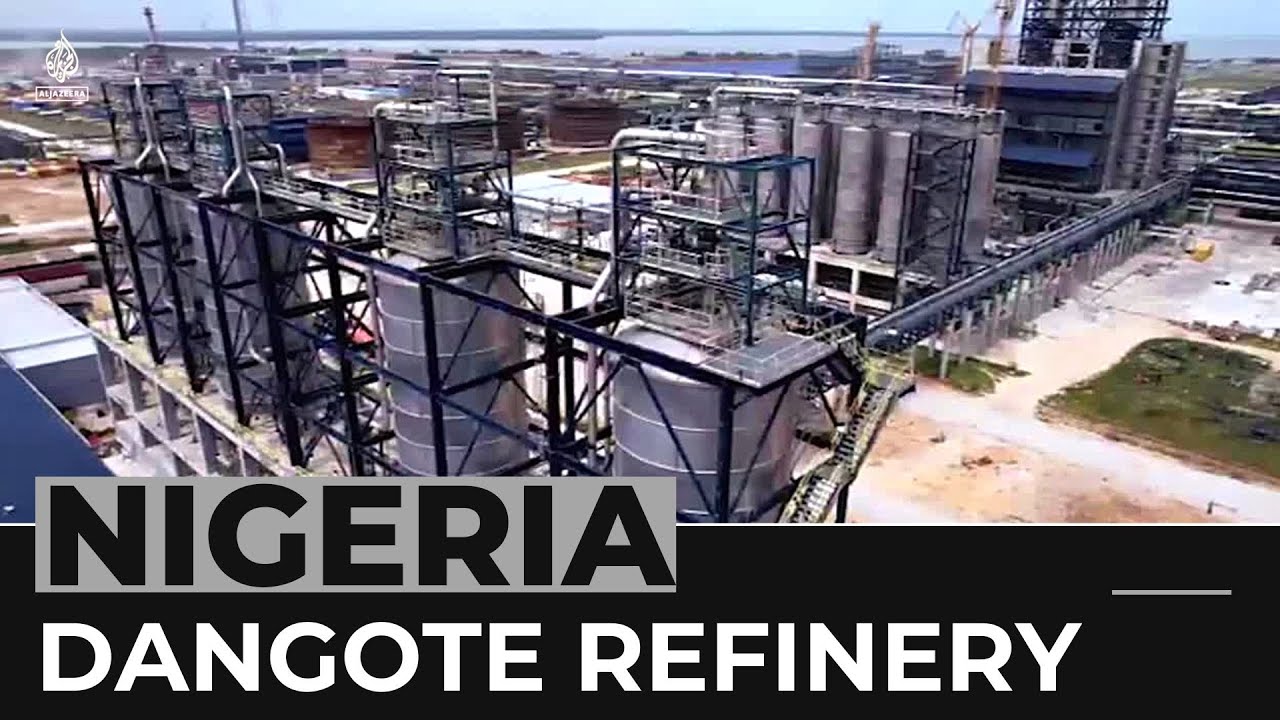
The Nigerian Federal Government is reportedly considering giving Aliko Dangote’s refinery the authority to set petrol prices for petroleum marketers, a move that could significantly alter the control the government has traditionally maintained over fuel prices.

According to Bloomberg, this decision is expected to be implemented as early as next month, according to officials who spoke in anonymity because they are not authorized to speak on the matter.

For years, Nigeria, Africa’s leading oil producer, has relied on imported petrol, subsidizing the cost at significant expense. With Dangote’s new refinery in Lagos now capable of producing petrol locally, this heavy reliance on imports by the Nigerian National Petroleum Company Limited (NNPC) is expected to reduce.

However, the refinery, seen as a game-changer for the country’s energy sector, has been at the center of speculation about how its output will impact the local market, especially in terms of pricing.

In a recent statement, the company said that the price of petrol, known locally as Premium Motor Spirit (PMS), will be determined by the government.

“The PMS market is strictly regulated, which is known to all oil marketers and stakeholders in the sector, hence we cannot determine, fix, or influence the product price,” Dangote said.

Price Increases and NNPC’s Debt Crisis

The news of Dangote’s potential role in setting petrol prices comes at a time when the NNPC has been grappling with financial difficulties. As the sole importer of petrol, NNPC has been selling below market rates to control prices, a strategy that has led to substantial debt to international suppliers.

This week, the NNPC increased the price of petrol by 45%, bringing it to N897 per liter, a move that pushed prices closer to market levels after months of financial strain. The NNPC admitted it owes N7.8 trillion in subsidy debts for the seven months leading up to July, which has crippled its ability to maintain a steady fuel supply across the nation.

Fuel scarcity has become a pressing issue in major cities as the NNPC’s mounting debts limit its capacity to import and distribute fuel. This scarcity, coupled with price increases, has led to public frustration, as Nigerians face rising costs in an already difficult economic environment.

Marketers’ Concerns of a Monopoly

The prospect of Dangote setting prices and NNPC continuing as the sole off-taker of petrol from the refinery has raised concerns among petroleum marketers. Many have argued that granting NNPC exclusive access to Dangote’s fuel could create a monopoly in the downstream sector, further complicating the market for independent marketers.

While stressing the importance of making fuel accessible to all marketers, not just NNPC, Chinedu Ukadike, Public Relations Officer of the Independent Petroleum Marketers Association of Nigeria (IPMAN), expressed concerns about this arrangement. He stated that it could lead to monopolistic practices and profiteering.

“The most important thing is availability,” he said. “We are not against the increase in fuel prices as marketers, but the fuel must be available for us to buy. The arrangement between Dangote and NNPC, which makes NNPC the sole off-taker, should be reconsidered. As major stakeholders and independent marketers, we believe Dangote should be allowed to sell directly to us.”

His concerns were echoed by Engr. Atinuke Owolabi, President of the Association of Professional Women Engineers of Nigeria, Lagos Chapter, said, “It is dangerous for NNPCL to be the sole distributor of Dangote fuel. We do not want a monopoly again. Let Dangote distribute to all marketers so that we all have access to the fuel, which belongs to the people.”

The Dissolution of NNPC Retail and Nueoil Energy

Lending credence to the call for Dangote Refinery to sell directly to marketers is the recent dissolution of the downstream arm of the NNPC, NNPC Retail, and Nueoil Energy by the Corporate Affairs Commission (CAC). This follows a court ruling that transferred ownership of NNPC Retail to OVH Energy Marketing Limited. With NNPC Retail no longer in existence, many are questioning why Dangote is waiting for NNPC to lift petrol from its refinery when the company no longer has a retail business.

Against this backdrop, marketers and stakeholders are calling on the Federal Government to intervene and ensure that the distribution of petrol from Dangote’s refinery is open to all, rather than being controlled by a single entity.

It is believed that if the Federal Government grants Dangote Refinery the power to set petrol prices, it could reshape the country’s entire fuel market.

While local production from Dangote’s refinery is seen as a solution to Nigeria’s dependence on imported fuel, the challenge currently seems to lie in ensuring that the pricing and distribution structure is fair and competitive. Independent marketers fear that NNPC’s exclusive access to Dangote’s fuel could lead to market distortion, with potential price hikes and limited availability for smaller players in the sector.

However, Speaking on TVC News’ “Journalists’ Hangout” show on Thursday, the Executive Vice President of Downstream, NNPC Ltd., Mr. Adedapo Segun, reiterated that PMS prices are governed by unrestricted free market forces, as provided for in the Petroleum Industry Act (PIA), 2021.

“The market has been deregulated, meaning that petrol prices are now determined by market forces rather than by the government or NNPC Ltd. Additionally, the exchange rate plays a significant role in influencing these prices,” he said.

Thanks Sponsors, Partners and Supporters for Investing in Tekedia Mini-MBA Graduation Event

0

Good People, join me to THANK our big sponsors, supporters and partners of Tekedia Mini-MBA Lagos Graduation event: Zuma Marketing Ltd under the leadership of Ozoemelam O Charles Ph.D in view and Emstar Photography under the leadership of Emmanuel Peters and Olorunfemi Michael. The event which will be held on Sept 7 2024 at  Lillygate Hotel, Lekki Phase 1, is learners-led, and will be an academic festival where some of our faculty members will speak live.

To the local organizing committee members who accomplished something amazing when I told them, if indeed you attended a business program, you must have learned how to raise all the money you would require for the event, well done. I am super excited that it came out perfectly.

At Tekedia Institute, our product is Knowledge; we have enough to share with you!

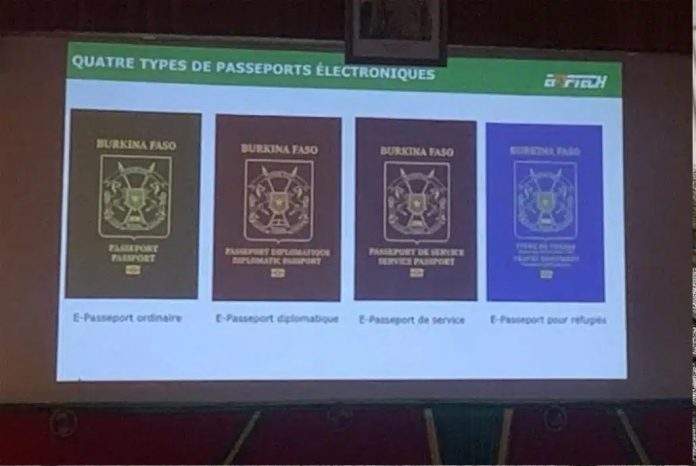
Burkina Faso Unveils New Passport without ECOWAS Logo

0

If Burkina Faso, Mali and Niger execute their playbook with ECOWAS, many interesting things will happen. Burkina Faso just unveiled a new passport with no ECOWAS association: “On this passport, there’s no ECOWAS logo, and no mention of ECOWAS either. Since January, Burkina Faso has decided to withdraw from this body, and this is just a realisation of the action already taken by Burkina Faso,” security minister Mahamadou Sana told reporters at the launch on Tuesday.

This is no more an ephemeral rascality by khaki boys, and it is coming at a time when Nigeria has allowed Ovim train station to fade, even as we are borrowing more money to link Kano to Niger Republic who seem not interested in trading with Nigeria/ECOWAS: “Nigeria has secured $1.3 billion in funding to complete a railway project connecting Kano, the largest city in the north, to Maradi in neighbouring Niger, the transport ministry said on Wednesday. The railway line will build on existing economic and social ties to boost trade and cultural cooperation between the two countries.” (Reuters, March 2024)

Seriously, I am not sure how 3 landlocked countries could make this work, since outside ECOWAS, they would be expected to pay more tarriff to move items from Port of Lome and other ECOWAS ports.

The Illusion of Single Currency and the Traps in Mali, Niger and Burkina Faso

Germany will Freeze Unemployment Benefits as Inflation Falls

0

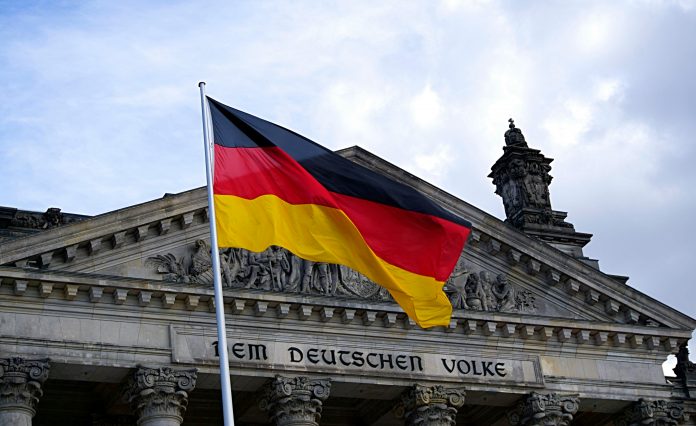
In a significant move that reflects the changing economic landscape, Germany has announced a freeze on unemployment benefits as the nation’s inflation rates begin to stabilize. This decision, articulated by German Labour Minister Hubertus Heil, marks a pivotal shift in the country’s social welfare policy amid a period of financial recalibration.

The German economy, Europe’s largest, is facing a period of stagnation in 2024, according to recent forecasts by key economic think tanks. The Munich-based ifo Institute for Economic Research has revised its growth outlook for the year to zero growth, a significant downturn from the previously estimated 0.4 percent growth. This adjustment reflects a broader trend of economic slowdown that has been observed since the previous year.

Several factors contribute to this stagnation. The ifo Institute points to higher financing costs and increased economic and political uncertainty as major drags on investment. Consumer spending is also expected to remain subdued despite increases in wages, as consumers continue to feel unsettled by the economic climate. Additionally, weak foreign demand for industrial products is likely to persist, affecting exports and overall economic output.

The announcement comes after a period of heightened inflation, which saw the cost of living rise dramatically, affecting millions of citizens. The German government’s response was to introduce the Bürgergeld system in 2023, which aimed to provide a safety net for those seeking employment. This system saw an increase in monthly payments to €563 for single unemployed adults in 2024, a move that was met with both support and criticism within the coalition government.

Prior to this new development, to claim Unemployment Benefit I, one must have contributed to Germany’s social security system as an employee for at least 12 months within the past 30 months. For EU citizens, there is the possibility to transfer unemployment benefits from another EU country to Germany under certain conditions, allowing for a period of 3 to 6 months to seek employment in Germany. Non-EU citizens can also be eligible for unemployment benefits, depending on their residence status and if they have reached permanent residency or hold a work permit not tied to a specific job.

The Deutsche Bundesbank also reported a slight decline in German economic output in the second quarter of 2024, with a quarter-on-quarter decrease of 0.1 percent. This decline was contrary to expectations, and it highlights the challenges faced by the German economy, including the impact of higher energy prices and geopolitical tensions. The German labor market, however, is expected to remain stable, with the unemployment rate holding steady. This resilience in the labor market could provide some cushion against the broader economic stagnation.

The decision to freeze unemployment benefits in 2025 is based on the premise that inflation has fallen to 1.9% in August, the lowest in over three years. Minister Heil emphasized that the current level of benefits provides the minimum subsistence level required for jobseekers, and with inflation rates decreasing, there is no immediate need to raise these benefits further.

This policy stance has not been without its detractors. The Social Association of Germany (SoVD) has criticized the freeze, suggesting that it does not adequately address the ongoing cost of living, which continues to burden the unemployed. They argue that the Bürgergeld is still too low to ensure a healthy diet, adequate mobility, and social participation for recipients.

The debate over unemployment benefits in Germany is set against a backdrop of budgetary pressures and the need for fiscal prudence. The coalition government is grappling with how to balance social welfare needs with the economic realities of the post-pandemic era. This has led to discussions around potential reforms to the citizens’ income system, with some factions within the government advocating for stricter sanctions on benefit recipients who refuse work or fail to declare additional income.

The freeze on unemployment benefits is a topic that will continue to evoke strong opinions and discussions. It raises fundamental questions about the role of government in supporting its citizens during times of economic uncertainty and the measures that are necessary to ensure a stable and prosperous society.

As Germany navigates through these complex economic waters, the world watches closely to see how one of Europe’s largest economies manages its social welfare policies in the face of changing financial tides. The outcomes of these policies will likely have far-reaching implications, not only for Germany but for the broader European economic landscape.