DD
MM
YYYY

PAGES

DD
MM
YYYY

spot_img

PAGES

Home Blog Page 2985

53 Startups Shut Down in Africa Over A Decade, Nigeria Tops List

0

In recent years, Africa’s startup ecosystem has witnessed remarkable growth, driven by rapid technological advancements and a rising demand for innovative solutions tailored to the continent’s unique challenges.

Major hubs like Nigeria, Kenya, South Africa, and Egypt fondly called “The Big Four”, have become focal points for entrepreneurial activity, attracting significant attention and investment from investors.

However, despite this surge, several startups across the continent have shut down due to several challenges. A recent report revealed that 53 startups have shut down across seven African countries in the last decade, between 2013-2024, with Nigeria leading the pack with a total number of 25 startups shutdown.

These startups, which operated in various sectors such as fintech e-commerce, and healthtech, faced significant challenges that led to their downfall. Factors like difficulty in raising capital, market liquidity issues, and internal company conflicts were cited as a major factors.

Followed closely after Nigeria are East African countries Kenya and South Africa which also experienced notable closures with 12 and 7 startups shutting down respectively.

Check Out The Full List of African Startups That Have Shutdown in The Last Decade (2013-2024)

  1. Nigeria (25 Startups Shutdown)
  2. Kenya (12 startups shutdown)
  3. South Africa (7 startups shutdown)
  4. Egypt (4 startups shutdown)
  5. Ghana (4 startups shutdown)
  6. Uganda (2 startups shutdown)
  7. Tanzania (1 startup shutdown)

Several of these Startups shut down for several key reasons:

1. Funding Challenges: Despite the growing interest from venture capitalists, many African startups struggle to secure consistent and sufficient funding. The venture capital landscape in Africa is still developing, with investors often being more risk-averse compared to other regions. This lack of liquidity can be particularly devastating for early-stage startups that need sustained investment to reach profitability.

2. Market Conditions: The African market is diverse and fragmented, with varying levels of economic development, regulatory frameworks, and consumer behavior. These factors make it challenging for startups to scale across the continent. Additionally, economic instability and fluctuating currency  values in some countries create an unpredictable environment that candisrupt business operations.

3. Operational Challenges: Many startups face difficulties in building robust operational infrastructures, including challenges with logistics, supply chain management, and regulatory compliance. The lack of reliable infrastructure in some regions, such as inadequate transportation networks and inconsistent power supply, further complicates these operational issues.

4. Internal Issues: Some startups shut down due to internal conflicts; such as disagreements among co-founders or mismanagement. For example, Nigerian fintech YC-backed startup Pivo, is said to have closed shop due to unresolved founder conflict, according to sources familiar with the matter. The conflict between the founders, was said to have led to the company’s deteriorating reputation, business relationships, culture, and team dynamics thereby significantly affecting Pivo’s chances of raising capital in the future. 

5. Competition and Market Saturation: In certain sectors, especially fintech and e-commerce, the rapid influx of new startups has led to intense competition. This saturation has made it difficult for individual companies to stand out and maintain a loyal customer base, leading to a high rate of attrition. 

According to DisruptAfrica, in the first half of 2023, funding by Venture capitalists almost halved during the period highlighting a reduced enthusiasm by investors as well as falling demand amid rising interest rates. However, several experts argue that underfunding may not be the main reason for the closure of the startups, as most of them were heavily funded in the past years.

Several Venture capitalists argue that many of the failed startups received funding without sufficient due diligence. These VCs also noted that past investment decisions were rushed, emphasizing the need for startups to demonstrate stronger viability and meet higher standards before securing investment in the future.

The high shutdown rate of startups in Africa underscores the complex and often volatile nature of the continent’s business environment. While innovation and entrepreneurial activity are flourishing, the challenges of navigating unpredictable markets, managing operations, and overcoming internal conflicts are significant hurdle that many startups fail to overcome.
Will Bitcoin ETFs Outpace Satoshi Nakamoto’s Stack?

0

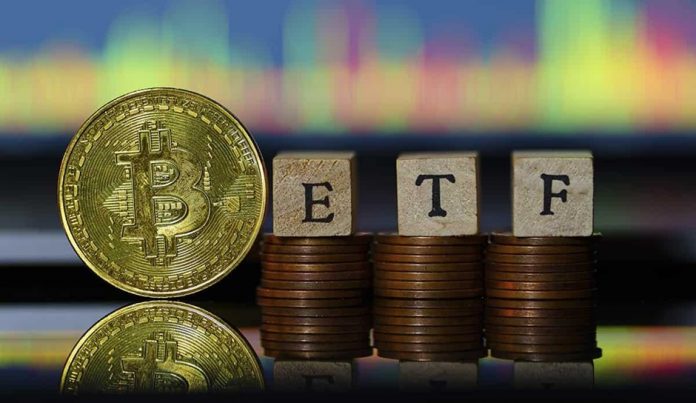
The cryptocurrency landscape is continuously evolving, and one of the most significant developments in recent years has been the introduction of Bitcoin Exchange-Traded Funds (ETFs) in the United States, Canada, Hong Kong and other parts of the world. These financial instruments have opened the doors for a broader range of investors to participate in the Bitcoin market without the complexities of direct cryptocurrency ownership. As of August 2024, the performance of Bitcoin ETFs has been a topic of interest for both seasoned investors and curious onlookers alike.

Bitcoin ETFs, which began with futures-based offerings, have seen a notable expansion with the approval of spot Bitcoin ETFs by U.S. regulators in January 2024. This milestone has led to a proliferation of Bitcoin ETFs, providing investors with various strategies to gain exposure to Bitcoin’s price movements. The Grayscale Bitcoin Trust (GBTC), iShares Bitcoin Trust ETF (IBIT), and Invesco Galaxy Bitcoin ETF (BTCO) are among the largest, with assets under management ranging from hundreds of millions to over $17 billion.

The allure of Bitcoin ETFs lies in their simplicity, security, and liquidity. They offer a straightforward way for investors to gain exposure to Bitcoin’s price without the need to navigate cryptocurrency exchanges or manage digital wallets. Moreover, they are traded on traditional stock exchanges, making them accessible to a wider audience who may already be familiar with such investment platforms.

On the other side of the spectrum lies the enigmatic figure of Satoshi Nakamoto, the pseudonymous creator of Bitcoin. Nakamoto’s impact on the cryptocurrency world is immeasurable, having mined between 600,000 to 1.1 million BTC in the early days of Bitcoin’s existence. These holdings, untouched to this day, represent a fortune that could be worth anywhere from $30 billion to over $50 billion, depending on the current market rates.

The question of whether Bitcoin ETFs will outpace Satoshi Nakamoto’s stack is multifaceted. On one hand, the growth potential of Bitcoin ETFs is tied to the adoption and integration of cryptocurrencies into mainstream finance. As these ETFs become more established and potentially attract more institutional and retail investors, their collective value could indeed surpass the estimated value of Nakamoto’s holdings.

On the other hand, Nakamoto’s stack represents a significant portion of the total Bitcoin supply and holds historical significance as the genesis of the cryptocurrency movement. The value of Nakamoto’s holdings is also subject to Bitcoin’s market price, which has been known for its volatility. As such, the comparison between the two is not just a matter of numbers but also of symbolic value and influence on the cryptocurrency ecosystem.

While Bitcoin ETFs offer a modern avenue for investment and could potentially grow in value, surpassing the holdings of Satoshi Nakamoto, they also stand on the foundation laid by Nakamoto’s pioneering work. Whether ETFs will outpace Nakamoto’s stack in monetary terms remains to be seen, but the legacy of Bitcoin’s creator continues to be a cornerstone of the digital asset world. The interplay between these two facets of Bitcoin’s history—its innovative financial products and its mysterious origin—will undoubtedly be a subject of fascination for years to come.

Will the Republicans or Democrats Win Over Crypto Markets?

0

The cryptocurrency market, known for its volatility, is influenced by a myriad of factors, from technological advancements to regulatory changes. However, one of the more subtle yet significant influences comes from the realm of politics. The question of whether Democrats or Republicans will win over the crypto markets is not just about political allegiance; it’s about understanding the complex interplay between political actions, regulatory approaches, and market sentiment.

Recent trends suggest that political influence can significantly disrupt market expectations and drive price volatility in the crypto space. The Democratic Party, traditionally seen as more regulatory in its approach, has witnessed a shift with significant crypto PAC spending on its candidates. This spending has led to a softening stance on crypto regulations, as seen in the case of Fairshake PAC’s support for pro-crypto Democratic candidates. Such actions have not gone unnoticed by the Republican Party, which has expressed discontent with the crypto community’s financial backing of Democrats.

The political landscape is further complicated by the Democrats’ “Big Crypto Reset,” where leaders like Senate Majority Leader Chuck Schumer have embraced the crypto industry, signaling a potential legislative push that aligns with industry preferences. This pivot has raised questions about the future direction of crypto regulation and its impact on market dynamics.

On the other side, the Republican Party has shown more openness to the crypto industry, with industry figures like Coinbase CEO Brian Armstrong seeking political support to foster a more favorable regulatory environment. The upcoming presidential election could further shape the industry’s future, depending on which party takes the lead in shaping crypto policy.

The tug-of-war between Democratic factions over Vice President Kamala Harris’s crypto policy underscores the internal debates within the party. Pro-crypto Democrats are lobbying for a friendlier approach to digital asset firms, while skeptics argue for the need to address the risks associated with cryptocurrencies. This internal conflict reflects the broader struggle to balance innovation with consumer protection and financial stability.

The cryptocurrency market continues to mature, and with this growth comes an evolving regulatory landscape that aims to balance innovation with investor protection and financial stability. Recent regulatory changes have been significant, with governments and financial authorities worldwide taking steps to create a more structured framework for digital assets.

In the European Union, the Markets in Crypto-Assets Regulation (MiCA) has set a precedent as the world’s first comprehensive cryptocurrency regulation. Introduced in May 2023, MiCA requires any company issuing or trading cryptocurrency to obtain a license. Furthermore, starting January 2026, all service providers will need to collect the names of senders and beneficiaries for all transactions.

The United States has also seen developments, albeit at a slower pace. The Financial Innovation and Technology (FIT) for the 21st Century Act and the Blockchain Regulatory Certainty Act were introduced to define cryptocurrencies as securities or commodities, expand industry oversight, and clarify the roles of various regulatory bodies. However, these bills have not progressed further since their introduction.

Globally, the International Organization of Securities Commissions has laid out 18 recommendations for managing crypto and digital assets, reflecting a move towards a more unified regulatory approach. This global perspective is crucial as the interconnected nature of cryptocurrency markets means that regulatory changes in one region can have worldwide implications.

These regulatory changes are a response to the need for greater transparency and stability in the crypto market, especially following incidents such as bank collapses tied to crypto asset activities. The regulatory environment is still in flux, and stakeholders must stay informed to navigate this complex and dynamic field effectively.

The question of which political party will win over the crypto markets is not one with a straightforward answer. It involves a delicate balance of political will, regulatory foresight, and market response. As the political winds shift, so too may the fortunes of the crypto markets, making it an area ripe for continuous observation and analysis. The interplay between politics and cryptocurrency remains a dynamic and evolving narrative, one that stakeholders and observers alike must watch closely.

The US Federal Reserve and Interest Rate Dynamics

0

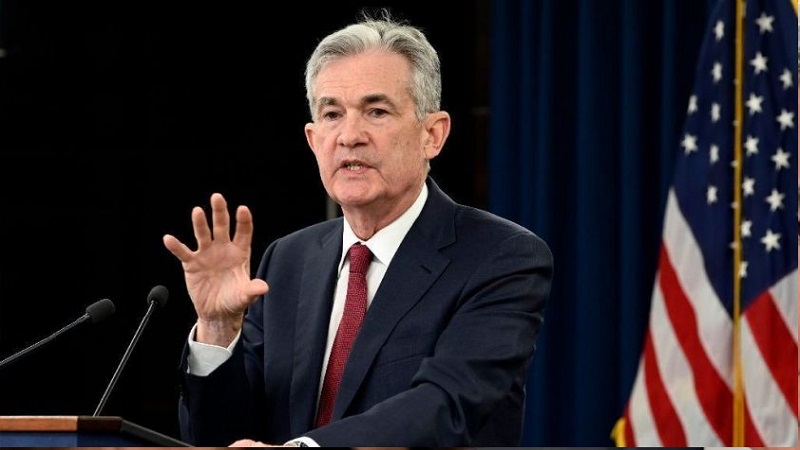
In the complex world of economic policy, the actions of the United States Federal Reserve (the Fed) are closely monitored for their far-reaching impact on global markets. The Fed’s decisions on interest rates are particularly scrutinized, as they influence economic activity, inflation rates, and the overall health of the economy.

Recently, there has been speculation that the Fed may raise interest rates for the first time in over two years. This comes as the latest inflation data edges closer to the Fed’s 2% target, a key indicator that the central bank uses to gauge the health of the economy and to make decisions on monetary policy.

The 2% inflation target is not just an arbitrary number; it is considered a manageable rate that allows the economy to grow without causing prices to rise too quickly. When inflation is too high, it erodes purchasing power and can lead to a decrease in consumer spending, which in turn can slow economic growth. On the other hand, when inflation is too low, it can signal that demand is weak, which can lead to unemployment and stagnation.

The decision to raise interest rates is a tool the Fed uses to curb inflation. Higher interest rates typically lead to higher borrowing costs, which can cool off consumer spending and business investment, slowing down the economy and, by extension, reducing inflationary pressures.

However, the decision to adjust interest rates is a delicate balancing act. If the Fed raises rates too quickly or by too much, it risks stifling economic growth and possibly triggering a recession. Conversely, if it acts too slowly, it may not be able to keep inflation in check, which could lead to a loss of economic credibility and control.

The current economic context is particularly challenging. The global economy is still recovering from the effects of the COVID-19 pandemic, and there are concerns about the potential impact of changes in interest rates on this fragile recovery. Moreover, geopolitical tensions and supply chain disruptions have introduced additional variables into the economic equation, making the Fed’s decision-making process even more complex.

Financial markets and institutions are also affected by the Fed’s interest rate decisions. For instance, the anticipation of a rate hike can lead to changes in the stock market, as investors adjust their portfolios in expectation of higher rates. Similarly, the bond market reacts to interest rate changes, as the yield on bonds is inversely related to their price.

For consumers, the implications of a rate hike could be felt in the form of higher mortgage rates, credit card interest rates, and loan costs. This could potentially slow down consumer spending, which is a significant driver of the US economy.

The Fed’s potential move to raise interest rates underscores the intricate relationship between monetary policy and economic performance. As the Fed navigates the current economic landscape, its decisions will continue to be a focal point for economists, investors, and policymakers around the world. The outcome of these decisions will undoubtedly have a ripple effect across the global economy, highlighting the enduring influence of the United States Federal Reserve.

USA and China Racing to be the first to Develop Fusion Power

0

In the global arena, the race to develop fusion power has intensified, with the United States and China at the forefront of this technological pursuit. Fusion power, the process that fuels the stars, represents a potential source of almost limitless, clean energy, and the nation that first harnesses this power could dominate the energy landscape of the future.

The United States, historically a leader in nuclear fusion research, has made significant strides in recent years. The Department of Energy’s 10-year plan, initiated in 2022, aimed to consolidate fusion-related work under a single program to streamline research, development, and demonstration activities. This plan was part of a broader vision to accelerate the commercial viability of fusion energy, with the goal of demonstrating an operating fusion pilot plant by the 2030s.

China, on the other hand, has been rapidly closing the gap. With an annual investment of approximately $1.5 billion in fusion technology—nearly double the U.S. government’s yearly fusion budget—China is making its ambitions clear. The Chinese government has included nuclear fusion development in its annual government work reports and is actively working on amending its Atomic Energy Law to regulate and promote the fusion industry.

The race for fusion power is not just about energy; it’s also about geopolitical influence and environmental stewardship. As the world grapples with the climate crisis, fusion energy presents a promising zero-carbon-emitting solution. The International Atomic Energy Agency highlights the incredible energy yield of fusion, which could generate four times more energy per unit of fuel weight than nuclear fission and nearly 4 million times more than oil or coal.

Both nations are aware of the stakes. At the 2023 United Nations Climate Change Conference (COP28), the U.S. unveiled a new international partnership initiative on nuclear fusion, involving 35 country partners. This initiative underscores the growing recognition of fusion power as a viable climate solution and a critical component of the 21st-century energy mix.

One of the primary challenges is achieving and maintaining the extremely high temperatures necessary for fusion to occur—temperatures that are multiple times hotter than the core of the sun. At such high temperatures, matter exists in a state known as plasma, where electrons are stripped from atoms, creating a mix of charged particles. Containing this plasma long enough to extract energy requires sophisticated magnetic confinement techniques, such as those used in tokamaks and stellarators.

Another significant hurdle is the engineering complexity involved in building a reactor that can withstand the intense conditions inside a fusion device. The materials used must be able to endure prolonged exposure to high heat and energetic neutrons without degrading.

Economic factors also play a role, as the development of fusion power requires substantial investment in research, technology, and infrastructure. The costs associated with running experiments and maintaining facilities can be prohibitively high.

Despite these challenges, the potential benefits of fusion power—such as its ability to provide a nearly limitless source of clean energy—are driving global efforts to make it a reality. With continued research and international collaboration, the dream of fusion power could one day light up our cities and power our industries, transforming the way we use energy forever.

The technological advancements in fusion energy are not occurring in isolation. They are being propelled by breakthroughs in high-temperature superconductors, advanced materials, and artificial intelligence. These innovations could further accelerate the development of fusion power, bringing the dream of a fusion-powered future closer to reality.

As the U.S. and China continue their pursuit of fusion power, the world watches with anticipation. The race is not only a testament to human ingenuity and the quest for sustainable energy but also a reminder of the collaborative effort required to address the global energy challenge. The nation that crosses the finish line first will achieve a monumental scientific and engineering feat, but the true victory will be shared by all of humanity as we unlock a cleaner, more abundant energy source for generations to come.