DD
MM
YYYY

PAGES

DD
MM
YYYY

spot_img

PAGES

Home Blog Page 2986

Jail Time for Nigerian Free Speech

0

Or… you can instead call it my ‘Sunday Post’.

A number of disturbing news features arose during the last few days which gave me pause for thought.

One in particular was from Business Elites Africa, though there have been many on a theme.

It seems like in Nigeria, President Tinubu has initiated the process of passing a bizarre new law.

The bill is said to include a 10-year prison sentence and a fine of 5 million Naira for anyone who refuses to sing the national anthem.

This one is a bit strange in of itself, since an initial national anthem “Nigeria, We Hail Thee” was first replaced a very long time ago.  The lyrics were written by Lilian Jean Williams, and the music composed by Frances Brenda in 1959. It first saw use in 1960 at independence, all the way to 1978.

Then it was replaced by “Arise, O Compatriots”

“Nigeria, We Hail Thee” was then reinstated on 29 May 2024 for no reason of importance that could usurp the chronic unemployment, terrorism and banditry, intermittent electricity, food and fuel shortages, or a currency in freefall against foreign currency in an import driven economy.

Most alive today would not know “Nigeria, We Hail Thee”, and would be a small bit preoccupied with the small matter of surviving day to day, to invest in knowing it any time soon.

It vaguely reminds me of Irish Rugby for some strange reason.

When Ireland is playing, some sing ‘Amhrán na bhFiann’  (“The Soldier’s Song” in English), while some sing ‘Irelands Call’. Some look at the sky uncomfortably, wishing it will soon be over, while others face down looking at their footwear and mumble their way through both parts incoherently.

Though nobody is threatening jailtime here, and everyday survival is not a Rugby match.

This, however, is not my main concern.

My concern is that the bill also prescribes a 2-year prison term for anyone who insults Bola Ahmed Tinubu.

What exactly IS insult?

Somebody in public could ‘holla’ mischievously at someone claiming they had too small a car. The target for the rebuke could claim to be insulted believing it implied they were not buoyant enough to afford a bigger one.

In contrast, somebody in public could ‘holla’ mischievously at someone claiming they had too BIG a car. The target for the rebuke could EQUALLY claim to be insulted believing it implied they lacked social intelligence to align with environmental concerns, and for selfish reasons, refused to be seen in a smaller one.

We could easily get into a situation here then, where this law affords an absurd amount of latitude in claiming PERCIEVED insult, as a route to criminalizing a completely innocent person, group of people or organisation.

It sounds like an open licence to declare anybody a criminal purely on the subjective notion of ‘feeling’ offended.

There are many schools of thought that would consider a piece like this dangerously threading towards politics. The question is, would voicing a disdain for a bill that will trample human rights be considered POLITICAL?

I am not calling out the man, I am calling out the measure.

We enter dangerous territory here, where any number of people in Political Opposition, in Peer Groups, Pressure Groups, Special Interest Groups, and different types of Rights Activists and Lobbying Groups are placed on the backfoot, afraid just to do their normal day to day job.

The situation also casts my mind back to a speech by actor Rowan Atkinson (best known for his comic character ‘Mr Bean’) introduced here by Nicky Verd.

‘The clear problem with the outlawing of insult, is that too many things, can be interpreted as such. Criticism is easily construed as insult by some parties… Ridicule, easily construed as insult… Sarcasm, Unfavourable Comparison… Merely stating an alternative point of view to the orthodoxy can be interpreted as insult… It is what you might call the ‘NEW INTOLERANCE’ … A new but intense desire to gag uncomfortable voices of dissent.’

These dynamics are amplified when they move away from the general application and get written around ‘Office of The President’

Is democracy itself under siege?

Towards the end of the week, a number of reports began to appear in Nigerian news websites, and on LinkedIn:

‘In a healthy democracy, leaders should be exposed to a range of perspectives, including critical ones, to make informed choices.’ – Post by The Daily Courier NG.

‘CJID, Citizens’ Gavel, HRJN, Journalists, and others Call on President Bola Ahmed Tinubu to Urgently Address Incessant and Unwarranted Attacks on Journalists in Nigeria’ –  Kehinde Adegboyega –  Co-Founder and Executive Director at Human Rights Journalists Network Nigeria.

So, I decided I would do my ‘Last Waltz’ with pictorial satire as the feature image, while I can still do it legally, without being thrown in Kiri Kiri.
The Lesson for Nigeria on Electricity, As South Africa’s Eskom Improves Service Delivery

2

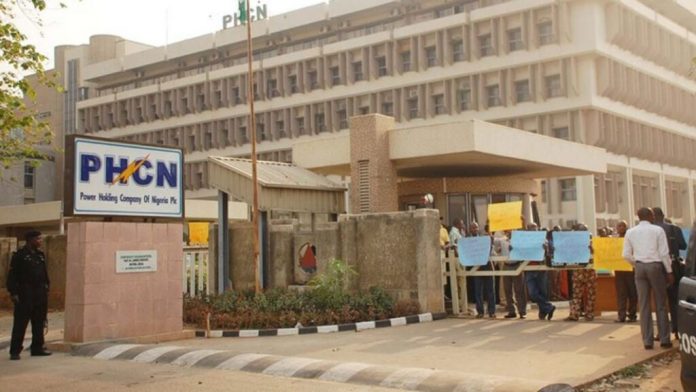
Eskom, South Africa’s state power utility [think of NEPA or PHCN in Nigeria], is coming back to life: “Eskom has recently achieved a notable improvement by maintaining operations without loadshedding for an extended period.” BBC Newshour last week chronicled the magical turnaround of this public utility which provides electricity to South Africans. It was a beauty because South Africa did not follow the bandwagon thinking that only private companies could deliver better services to the citizens. 

Yes, you have a porous border, and people are selling your subsidized petrol in neigbouring countries, but instead of firing the leadership of the customs, and replacing them with competent people, you blame the subsidized petrol which is catalytic to the functioning of the economy. 

You argue that NEPA or PHCN, Nigeria’s old electricity utility, was not competent because the public sector cannot run anything. Yes, the argument goes, we have to privatize NEPA so that electricity will magically “show” up in Nigeria. You privatized and the situation has further deteriorated because those private companies have not done what must be done. 

In China, in Russia and many places in Europe, the GOVERNMENT is still at the heart of whatever they do. But in Nigeria, people think the problem is the public sector instead of focusing on corruption and lack of professionalism. Simply, when we argue that petrol subsidy is bad, we ought to be saying that it is the corruption that is in petrol subsidy that is bad, because every important country subsidizes energy. 

I have confidence in the power of the public sector because the public sector runs the MILITARY. That means, nations believe that the public can handle one of the most challenging assignments in nations – operating and managing the vectors of law enforcement, national security, etc. If the public can do that, why should the provision of electricity be hard?

Good People: go to South Africa and check how they have turned Eskom around, positing that the public sector can still deliver value. That happened without selling the assets of the commonwealth to a few connected people who then hold them and do nothing that advances the citizens.

From education to healthcare, electricity provision to clean water provision, and more, the Nigerian state should not fall on the illusion that private players can suddenly solve all the problems, if they are handed these assets. All we need is to professionalize our government institutions and weed out corruption.

I have confidence in the power of the public sector because the public sector runs the MILITARY.  If the public can do that, why not electricity? Nigeria should STOP selling the assets of the commonwealth to few connected people; rather, we must professionalize our government institutions and weed out corruption.

As we do that, we must OPEN the spaces for independent private players to participate, but mindlessly withdrawing and relinquishing national assets, as we did with electricity, is immoral. South Africa replaced Eskom leaders, retrained workers, pushed new performance metrics, etc, and now they have LIGHT! Nigeria must learn from it.

(If Nigeria had sold Nitel to MTN, that MTN would have failed because it would have been sold to incompetent people. In other words, when you sell national assets to “private players”, the outcome is always poor in Nigeria. But when you allow real private players to come, you have a better outcome because those players will get things done.)

German LNG Terminal Operator sues European Commission, as Amnesty Int’l Appeals to Germany on Afghan Refugees

0

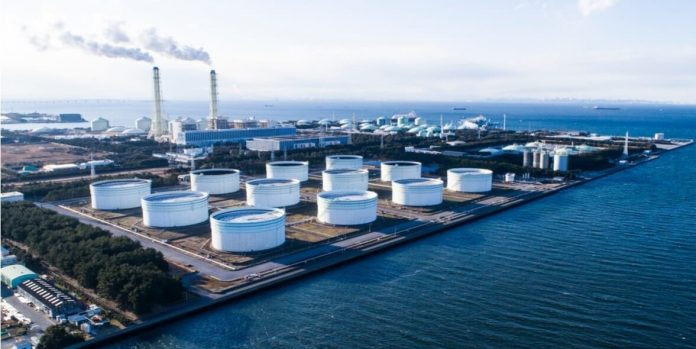
In a significant development within the European energy sector, the Hanseatic Energy Hub (HEH), operator of Germany’s first onshore liquefied natural gas (LNG) terminal, has initiated legal proceedings against the European Commission. The lawsuit stems from the Commission’s decision to approve state aid for a rival LNG terminal project in Brunsbüttel, which HEH contends could proceed without such subsidies.

The case highlights the complexities of state aid in a competitive market and raises questions about the role of government support in ensuring energy security, especially in the context of Germany’s efforts to diversify its energy sources following the reduction of Russian gas supplies. The HEH argues that the approved subsidies encourage economic inefficiency and distort the market by allowing the Brunsbüttel project to operate with a financial advantage that is not available to all market participants.

Here are the key points of their legal challenge:

Lack of Incentive Effect: HEH contends that the state aid authorized for the rival project lacks an incentive effect because the project was feasible without the aid. They argue that the beneficiaries would have proceeded with the construction of the LNG terminal regardless of the state support, as evidenced by HEH’s own terminal being developed without such aid.

Absence of Market Failure: The lawsuit also suggests that the aid is neither necessary nor appropriate due to the absence of market failure. HEH believes that the funding gap claimed by the beneficiaries is a result of their economically inefficient activities, such as setting too low prices for long-term supply contracts, rather than a genuine market failure.

Questionable Appropriateness of Aid: HEH raises concerns about the calculation of the funding gap and the amount of aid, arguing that the aid exceeds what is needed. They assert that the European Commission did not adequately consider that both the preferential dividend and the state’s participation in the project constitute aid, which a private investor would not have provided due to a lack of expected returns.

This legal challenge also underscores the broader implications for the European Union’s internal market rules and the delicate balance between fostering competition and ensuring strategic autonomy in critical sectors such as energy. The outcome of this case could set a precedent for how state aid is viewed in the context of vital infrastructure projects and the extent to which such aid aligns with EU competition law.

The HEH, a private consortium comprising companies like the Buss-Gruppe, Partners Group, Enagás, and Dow, began construction of its terminal in Stade in June and plans to commence operations in 2027. The consortium is taking a stand against what it perceives as an unfair competitive edge given to the Brunsbüttel project, which has received a commitment of €40 million in subsidies, potentially rising to €125 million under certain conditions. This is in addition to the €740 million set aside by the German government in its 2022 budget.

As the case progresses through the EU Court in Luxembourg, it will be closely watched by industry stakeholders, policymakers, and legal experts alike. The decision will not only affect the two terminals involved but could also influence future government strategies on infrastructure development and the role of state aid in achieving policy objectives.

The energy landscape in Europe is at a crossroads, and the resolution of this lawsuit will likely have far-reaching consequences for the region’s energy policy and market dynamics. It is a reminder of the ongoing challenges in balancing market competition with the need for secure and diverse energy supplies in an increasingly complex global energy framework.

Amnesty International Appeal to Germany on Afghan Refugees

Amnesty International, the renowned human rights organization, has recently made a public appeal to Germany regarding the ongoing Afghan Refugee Crisis. The London-based group has urged Germany to persist in its efforts to provide refuge to those fleeing Afghanistan amid concerns that the German government’s initiative could be halted due to financial constraints.

The situation in Afghanistan has been dire since the Taliban’s return to power in 2021, leading to widespread violations of human rights and international law, with women and girls being particularly affected. The crisis has forced many to flee the country, seeking safety and security elsewhere. Amnesty International has highlighted the plight of these individuals, emphasizing the urgent need for countries like Germany to continue their support.

Germany’s program for Afghan refugees, which has been a beacon of hope for many, is at risk of being discontinued. Interior Minister Nancy Faeser is facing criticism for not committing to fund the program beyond the current year. This decision could affect the lives of thousands of Afghans who have already been accepted for transfer to Germany but whose future now hangs in the balance.

The German Human Rights Commissioner has described the initiative as an “important instrument” for protecting Afghans, stressing its essential nature given the challenging circumstances in Afghanistan. Amnesty International has reported on the severe conditions faced by Afghan refugees in neighboring countries, where they encounter legal and financial difficulties, and the looming threat of deportation back to Afghanistan.

The international community has been actively involved in supporting Afghan refugees, who have faced significant challenges since the change in Afghanistan’s government. Various countries and organizations have stepped up to provide assistance, reflecting a global commitment to humanitarian aid.

The United Nations High Commissioner for Refugees (UNHCR) has launched a Regional Refugee Response Plan for the Afghanistan Situation 2023, which aims to support 7.9 million people, including 5.2 million Afghans and 2.7 million local hosts across five neighboring countries: Iran, Pakistan, Tajikistan, Turkmenistan, and Uzbekistan. These countries collectively host approximately 8.2 million Afghans, over 2 million of whom are registered refugees. The plan seeks $613 million in funding to address the needs of these individuals.

In the United States, Operation Allies Welcome was initiated by President Biden, directing the Department of Homeland Security to lead efforts in supporting vulnerable Afghans, including those who worked alongside the U.S. in Afghanistan, as they resettle in the country. This operation involves a comprehensive approach, including initial processing, COVID-19 testing, and coordination with various governmental and non-governmental organizations for resettlement.

Other countries that were part of the International Security Assistance Force have established special programs to allow thousands of Afghans to resettle in North America or Europe. These efforts are guided by the principle of non-refoulement and the U.N. Convention Against Torture, ensuring that refugees are not returned to a country where they face serious threats to their life or freedom.

The UN has also launched a significant funding appeal for Afghanistan, seeking over $5 billion to support collapsing basic services in the country, which have left millions in need of assistance both inside and beyond its borders. These initiatives demonstrate a collective effort to provide safety and security for Afghan refugees, showcasing the importance of international solidarity in times of crisis. The continued support from various countries and organizations is crucial in offering a lifeline

The call to action by Amnesty International serves as a reminder of the international community’s obligations to uphold the right to seek asylum and protect fundamental human rights. It is a call for solidarity and support for those who have been displaced by conflict and persecution, and a plea to ensure that programs like Germany’s do not fall victim to financial pressures but continue to offer a lifeline to those in need.

The international community watches closely as Germany deliberates the future of its Afghan refugee program. The decision will not only impact the lives of thousands of Afghans but also reflect on the global commitment to human rights and the protection of the vulnerable. The hope is that Germany will heed Amnesty International’s appeal and continue to stand as a pillar of support for Afghan refugees.

Exploring Zeekr’s Game-Changing Ultra-Fast Charging Battery

0

The electric vehicle (EV) industry is witnessing a paradigm shift with the introduction of ultra-fast charging technologies that promise to alleviate one of the biggest hurdles to EV adoption: long charging times. Leading this charge is Zeekr, a Chinese electric vehicle maker that has recently showcased a groundbreaking ultra-fast charging battery, setting a new benchmark in the EV market.

Zeekr’s innovation enables its 007 sedan to charge from 10% to 80% in a mere 10.5 minutes, a feat that was once thought to be in the distant future. This technology not only represents a significant leap forward in battery performance but also underscores the rapid pace of advancement in the EV sector. This is a substantial improvement over their previous generation battery, which already boasted an impressive charge time of 13.5 minutes. The new battery system’s efficiency is attributed to an optimized battery management system (BMS) and the use of Zeekr’s new V3 fast chargers, capable of reaching up to 800kW.

When compared to other EV manufacturers, Zeekr’s charging time is groundbreaking. For instance, Tesla, a leading EV manufacturer, states that a 15-minute charge on their Model 3 can provide enough energy to cover 175 miles, which is less than half of the car’s full range. Similarly, BYD, another prominent player in the EV market, takes approximately 40 minutes to charge their batteries from 10% to 80% capacity.

Zeekr’s goal to expand its charging network to 1,000 stations by 2024 further demonstrates its commitment to revolutionizing the EV landscape. With the refreshed 007 sedan equipped with the latest battery technology set to start deliveries, Zeekr is poised to make a substantial impact on China’s electrification race.

The ultra-fast charging capability is achieved through Zeekr’s proprietary V3 ultra-fast charging station and an innovative approach to battery composition. The lithium-iron-phosphate batteries support the company’s ultra-fast 5.5C charging, leveraging optimized materials and upgraded technology to surpass the charging speeds of existing nickel-cobalt-manganese batteries.

Zeekr’s advancements are not just about speed; they also address the issue of range anxiety. The ability to charge a vehicle in roughly the same time it takes to fill a tank with gasoline could be a game-changer for consumers who are hesitant to switch to EVs due to concerns over charging times and battery life.

Moreover, Zeekr’s battery management system has been tweaked to allow stable charging at temperatures as low as 14 degrees Fahrenheit, ensuring that even in cold weather, the battery can charge from 10% to 80% in 30 minutes. This level of resilience in battery performance is crucial for widespread EV adoption, as it assures users that their vehicles can reliably charge in various environmental conditions.

The global EV market is becoming increasingly competitive, and innovations like Zeekr’s ultra-fast charging battery are essential for companies to differentiate themselves. As Zeekr continues to outshine its competitors with superior technology and a robust charging infrastructure, it sets a new standard for what consumers can expect from electric vehicles.

Zeekr’s showcase of its new ultra-fast charging battery is more than just a technological marvel; it’s a statement of intent. It signals a future where electric vehicles are not just environmentally friendly alternatives to traditional combustion engines but are also convenient, reliable, and equipped to meet the demands of modern mobility. As we move towards a greener future, it is innovations like these that will pave the way for a sustainable and electrified world.

Is the UK becoming a Dictatorship or Censoring Free Speech?

0

The United Kingdom, known for its strong democratic values, has recently witnessed a series of free speech controversies, particularly within its academic institutions. These incidents have sparked debates about the balance between freedom of expression and the need to maintain a respectful and inclusive environment.

The question of whether the UK is becoming a dictatorship and censoring free speech is a complex and nuanced issue that requires careful consideration of the facts and context. It is important to note that the UK has a long-standing tradition of democracy and rule of law, and the country’s institutions and legal frameworks are designed to protect individual rights and freedoms, including the right to free speech.

However, recent events and government actions have raised concerns about the state of free speech in the UK. For example, the UK government issued a warning to “Think before you post,” in response to a series of riots and the spread of misinformation. This warning, while seemingly benign, has been criticized for its vagueness and the potential chilling effect it could have on legal expression. The UK’s track record on speech has shown signs of decline, with incidents of censorship and self-censorship being reported.

Furthermore, the UK’s legal system allows for certain restrictions on speech, such as those intended to prevent harassment, alarm, or distress, or those that could incite violence or terrorism. While these restrictions are in place to maintain public order and safety, they must be balanced against the fundamental right to freedom of expression.

One notable example is the concern expressed by the Office for Students’ first director for freedom of speech and academic freedom, Prof Arif Ahmed. He highlighted the “serious cause for concern” regarding the stifling of free speech at English universities. His comments came in the wake of several “no-platforming” events, where individuals were barred from speaking due to their controversial views.

Another significant controversy involved a demonstration against gender-critical academic Prof Kathleen Stock at the Oxford Union. The protest was aimed at her views on transgender issues, with opponents challenging her right to use the platform to express her opinions.

The UK government has also been involved in the discourse, with the introduction of the Higher Education (Freedom of Speech Bill). This legislation aims to impose fines on universities that fail to uphold free speech, granting individuals the right to seek compensation for breaches of free speech obligations. However, this bill has faced delays and scrutiny over its potential impact on university autonomy and the creation of unnecessary bureaucracy.

These examples reflect the ongoing tension between the protection of free speech and the prevention of harm or discrimination. As the UK continues to navigate these complex issues, it remains to be seen how these controversies will shape the future of free expression in the country.

The UK is also considering a new Bill of Rights, which aims to define human rights in the post-Brexit era. The Justice Secretary has stated that the bill will clamp down on speech that incites violence, radicalizes terrorists, or threatens children. This indicates an ongoing debate within the UK about the boundaries of free speech and the government’s role in regulating it.

While the UK is not a dictatorship, there are legitimate concerns about the state of free speech and the potential for censorship. It is essential for the government to protect the right to free speech while also ensuring public safety and order. The balance between these objectives is delicate and must be navigated with care to uphold the democratic values that the UK stands for.