DD
MM
YYYY

PAGES

DD
MM
YYYY

spot_img

PAGES

Home Blog Page 2995

Nigeria Poised to Play A Huge Role in Advancing Africa’s Artificial Intelligence Drive For Economic Progress

0

According to a recent Global System for Mobile Communications Association (GSMA) report titled; “AI for Africa: Use Cases Delivering Impact”, it noted that Nigeria has the potential to drive AI for social economic progress and climate development across the African continent.

This follows a report that suggests that AI could increase Africa’s economy by $2.9 trillion by 2030, the equivalent of increasing annual GDP by 3%, resulting in significant development impacts for the continent. The technology is reportedly being deployed across countries in Africa, however, there is not enough evidence of solutions focused on addressing pressing socio-economic and environmental challenges unique to the continent.

The GSMA report seeks to address this gap by identifying AI-enabled use cases and solutions for development in Nigeria, and some of the continent’s tech leaders.

Speaking on the report, Head of Mobile for Development at the GSMA Max Cuvellier Giacomelli said,

“Nigeria’s potential to harness AI for transformative change is immense. The innovative applications we are already seeing in Agriculture, energy, and climate action are just the beginning. With further progress around data availability, connectivity, or skills development, the country can truly enable AI to drive significant socio-economic progress”.

Nigeria’s National Development Plan (2021-2025) aims to unlock the country’s potential across all sectors of the economy to foster sustainable and inclusive development, in line with the global Sustainable Development Goals (SDGs). It acknowledges the challenges the country faces, including in agriculture and energy, and recognizes the role that technology and innovation can play in addressing these challenges.

Al is poised to be transformative in advancing sustainable development efforts in Nigeria. The technology is already being used to develop solutions across sectors such as Agriculture and food security, Energy, Climate Action, and Emerging Developing Maturing.

Agriculture And Food Security

Agriculture is a significant sector in Nigeria, employing almost 40% of the population and contributing to a quarter of its GDP.  The report identifies that digital technologies offer significant potential to address the challenges faced by Nigerian smallholder farmers and improve agricultural value chains, particularly in the last mile.

These technologies include weather and climate services that provide farmers with crucial information to adapt to changing conditions, as well as agricultural digital financial services (agri DFS) that enable access to climate-smart inputs and assets.

Al-powered tools, such as predictive analytics and machine learning algorithms, support precision agriculture, optimize crop management, and facilitate access to inputs and equipment. For instance, Crop2Cash and Ignitia use Al to offer tailored farming recommendations, while Hello Tractor uses Al to connect tractor owners with smallholder farmers. Al also plays a crucial role in addressing food insecurity by forecasting hunger and identifying malnutrition hotspots.

Al-driven models, like those developed by the World Food Programme (WFP), analyze weather patterns, crop yields, and market data to provide early warnings of food shortages. However, the effectiveness of these models demands the availability of comprehensive historical data, necessitating regular and extensive data collection.

Energy

Nigeria has the world’s largest absolute electricity access deficit. Lack of access to the electricity grid affects 45% of the population, which is approximately 90 million people.

Al is seen as a key tool for enhancing grid efficiency, improving revenue collection, and reducing power outages. Digital technologies are also being used to support the deployment of mini-grids, which are crucial for extending energy services to off-grid communities.

Smart meters enhance the operational efficiency of these mini-grids by providing real-time insights into household energy usage. While Nigeria was slower than other countries like Kenya in launching mini-grids, the country has made significant progress, with over 100 new solar-powered mini-grids deployed by 2023 as part of its rural electrification program, supported by the World Bank.

Al is helping to bridge the infrastructure gaps by reducing costs and improving operational efficiency, as seen with Husk Power Systems, which uses Al to forecast supply and demand for better service extension. The off-grid sector in Nigeria has also seen a rise in solar home systems (SHS) that provide clean, reliable, and affordable energy solutions.

The off-grid sector in Nigeria has also seen a rise in solar home systems (SHS) that provide clean, reliable, and affordable energy solutions. Startups like Lumos use loT-based PAYG models to offer SHS to various households and businesses, reducing reliance on fossil fuels.

The integration of Al into loT-based PAYG solutions, such as Azuri Technologies’ real-time analysis of user consumption patterns, is expected to grow due to the complementary nature of these technologies. Al has the potential to significantly impact the planning and deployment of both on-grid and off-grid energy solutions in Nigeria.

Climate Action

While Nigeria has very low greenhouse gas emissions, it is highly vulnerable to the impacts of climate change. Al has the potential to significantly enhance the effectiveness and impact of climate tech solutions. Google Research, for example, has developed Al models capable of forecasting floods, providing alerts up to seven days in advance, which enables more effective early warning and disaster preparedness.

Google’s Floods initiative is available in over 80 countries, including Nigeria, where a pilot was conducted in collaboration with UNOCHA. In the area of climate finance, companies like Chemotronix are leveraging Al alongside other emerging technologies, such as loT and blockchain, for their carbon credit platforms. These technologies are used to collect environmental data to measure, report, and verify emissions, contributing to more accurate and reliable climate action.

Future Outlook

The successful development and deployment of Al-enabled use cases depend on the establishment of robust Al fundamentals, encompassing factors such as data availability and quality, skills, and digital literacy, and infrastructure and compute capacity.

It also relies on the broader enabling environment, which includes critical enablers such as strategic partnerships, sufficient and targeted investment and funding, conducive policy frameworks, and dedicated research and development (R&D) efforts.

A Look into the Arrest Warrant Issued by Germany on Nord Stream Explosion

0

In a significant development in the ongoing investigation into the Nord Stream pipeline incident, German authorities have issued an arrest warrant for a Ukrainian diver. This move marks a critical juncture in the unraveling of the 2022 undersea explosions that damaged the crucial gas pipelines between Russia and Germany.

The Nord Stream pipelines, which were designed to transport Russian natural gas to Germany beneath the Baltic Sea, suffered extensive damage due to explosions on September 26, 2022. These events occurred amidst Europe’s efforts to reduce its reliance on Russian energy sources following Russia’s full-scale invasion of Ukraine earlier that year.

The German prosecutors’ decision to issue an arrest warrant for the Ukrainian individual, identified as Volodymyr Z., has added a new layer of complexity to the case. According to reports, Volodymyr Z. is suspected of being part of a team that planted explosive devices along the pipeline route.

The potential consequences for Russia and Germany following the Nord Stream pipeline incident are multifaceted and could have long-term geopolitical and economic impacts.

For Russia, the incident has led to a significant disruption of one of its major natural gas supply routes to Europe. This not only affects Russia’s energy revenues but also its geopolitical influence in the region. The damaged pipelines could potentially undermine Russia’s position as a reliable energy supplier to Europe, prompting European countries to accelerate their search for alternative energy sources.

Germany, on the other hand, faces the immediate challenge of securing its energy supply. The damage to the Nord Stream pipelines exacerbates the country’s vulnerability to energy shortages, especially during periods of high demand. This could lead to increased energy prices and put pressure on the German economy, which is already dealing with the broader implications of the conflict in Ukraine.

Moreover, the arrest warrant issued for a Ukrainian national in connection with the incident adds a layer of diplomatic complexity to Germany’s relations with Ukraine. While Germany has been a strong supporter of Ukraine in its conflict with Russia, the investigation’s findings could test this relationship and Germany’s stance on the international stage.

The incident also raises broader security concerns about the protection of critical infrastructure. Both Russia and Germany, along with other stakeholders, may need to reassess and strengthen the security measures for such essential assets to prevent future sabotage attempts.

The Nord Stream pipeline incident has the potential to reshape the energy and geopolitical landscapes of Russia and Germany, with consequences that could ripple out to affect the broader international community. The ongoing investigation and its outcomes will be closely watched by governments and analysts around the world. For more detailed information on the Nord Stream pipeline incident and its implications, you can refer to the comprehensive reports provided by various news outlets.

As the investigation continues, questions remain about the motives behind the sabotage and the identities of all parties involved. The issuance of the arrest warrant by Germany is a step towards uncovering the truth behind this mysterious and consequential event.

The Nord Stream pipeline incident serves as a stark reminder of the vulnerabilities of critical infrastructure and the potential for such incidents to have profound geopolitical repercussions. It underscores the need for rigorous security measures and international cooperation to safeguard such essential assets.

Exploring Major Banks Accumulating Bitcoin ETFs Globally

0

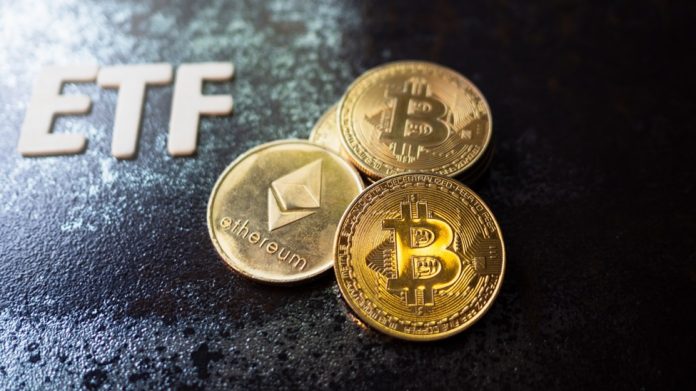
The landscape of cryptocurrency investment is witnessing a significant shift as major banks globally are increasingly accumulating Bitcoin Exchange-Traded Funds (ETFs). This move underscores the growing acceptance of Bitcoin as a legitimate asset class within the traditional financial sector.

One of the most notable developments in this arena is the rise of BlackRock Inc.’s iShares Bitcoin Trust (IBIT), which has recently overtaken Grayscale Bitcoin Trust (GBTC) to become the largest Bitcoin fund globally. With nearly $20 billion in assets and managing 288,670 BTC, IBIT’s rapid growth is attributed to its lower expense ratio and BlackRock’s robust reputation in asset management. This is a clear indication of the confidence that institutional investors are placing in Bitcoin ETFs as a secure and viable investment vehicle.

The inclusion of Bitcoin ETFs in the portfolios of some of the world’s largest banks is not just a trend but a testament to the evolving perspective on cryptocurrencies. With the SEC’s approval of Bitcoin ETFs, banks, hedge funds, and other financial institutions now have an easier on-ramp to gain exposure to digital assets.

The competition between IBIT and GBTC has been heating up, with both funds vying for market share. The structural design of GBTC as a closed-end fund led to significant discounts to its net asset value (NAV), resulting in substantial outflows. In contrast, IBIT’s lower expense ratio of 0.25% has made it a more attractive option for investors, leading to its current dominance in the market.

The trend is not limited to BlackRock, as America’s largest bank, JPMorgan Chase, has disclosed its exposure to spot Bitcoin ETFs issued by some of the largest asset managers, including BlackRock, Fidelity, and Grayscale. Similarly, BNP Paribas, one of Europe’s largest banks, has officially joined the Bitcoin adoption movement by investing in BlackRock’s IBIT.

This burgeoning interest in Bitcoin ETFs is part of a broader trend of growing mainstream acceptance of Bitcoin as an asset class. The consecutive days of net inflows into Bitcoin ETFs and the increasing liquidity in the market are positive indicators for the cryptocurrency ecosystem. It reflects a maturing market that is driving innovation and potentially lowering costs for investors.

Investing in Bitcoin ETFs presents a unique set of risks and considerations that potential investors should be aware of. One of the primary concerns is the inherent volatility of the cryptocurrency market. Bitcoin, and by extension Bitcoin ETFs, can experience extreme price fluctuations in short periods, which can significantly affect the value of an investment.

Another risk is market risk, which encompasses security and regulatory issues prevalent in the cryptocurrency space. Investors are exposed to the uncertainties of market regulation, which can lead to sudden and unpredictable changes in the legal landscape affecting Bitcoin ETFs.

Additionally, the fee structures of Bitcoin ETFs may be higher compared to traditional ETFs. This is due to the specialized nature of these funds and the additional costs associated with managing them.

Indirect ownership is also a factor to consider. When investing in a Bitcoin ETF, investors do not own the actual Bitcoin; instead, they own shares in a fund that represents the value of Bitcoin. This separation can lead to tracking errors, where the ETF may not perfectly mirror the price movements of Bitcoin itself.

The strategic moves by these major banks signal a shift in the financial landscape, where digital assets are increasingly becoming part of diversified investment portfolios. With the SEC’s approval of Bitcoin ETFs providing an easy on-ramp for banks and hedge funds, the stage is set for a new era of institutional investment in cryptocurrencies.

As the competition among Bitcoin ETFs intensifies, it will be interesting to observe how this dynamic market evolves and what implications it will have for the future of investment strategies. The growing acceptance of Bitcoin by legacy finance institutions is a testament to the enduring appeal and potential of cryptocurrencies as a transformative force in the global economy.

Nigeria House of Representatives Withdraws Controversial Counter Subversion Bill After Public Outcry

0

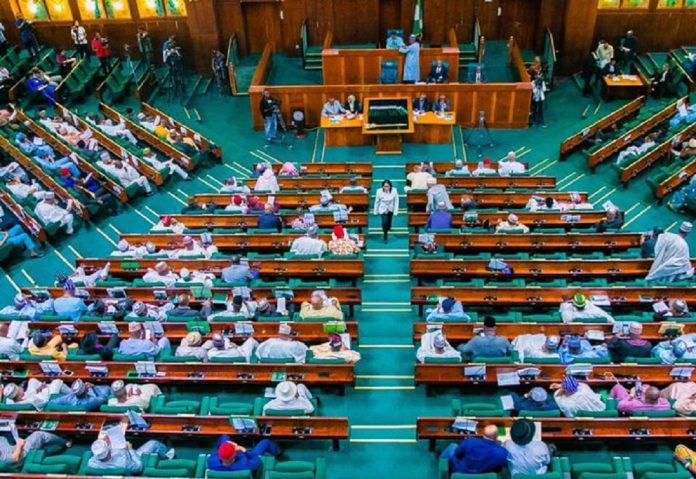
The House of Representatives has withdrawn the controversial Counter Subversion Bill, following widespread criticism from Nigerians who voiced concerns over its potential implications for civil liberties and freedom of expression.

This move was confirmed in a statement released on Wednesday by Musa Abdullahi Krishi, Special Adviser on Media and Publicity to the Speaker, Rt. Hon. Abbas Tajudeen, Ph.D.

The statement emphasized the importance of public opinion in the legislative process and reaffirmed the Speaker’s commitment to a government that listens to its people:

“In response to the voices and concerns of the people, the Speaker of the House of Representatives, Rt. Hon. Abbas Tajudeen, Ph.D., has decided to withdraw the Counter Subversion Bill and other related draft legislation,” Krishi stated.

The bill, which was introduced on July 23, 2024, sparked immediate controversy and backlash from civil rights groups, media organizations, and concerned citizens. According to Krishi, the decision to withdraw the bill came after the Speaker engaged in extensive consultations with a wide range of stakeholders.

He added, “This decision follows his extensive consultations with a broad range of stakeholders and a careful consideration of the nation’s current circumstances.”

Background Story: The Counter Subversion Bill

The Counter Subversion Bill was introduced as part of a broader legislative agenda aimed at addressing what lawmakers described as growing threats of insurgency, civil unrest, and terrorism. Proponents of the bill argued that it was necessary to curb activities deemed to be undermining national security and stability, especially in the context of rising separatist movements and politically motivated protests.

However, critics of the bill saw it as an attempt to clamp down on the constitutional rights of citizens, particularly their right to freedom of speech, assembly, and peaceful protest. The bill contained provisions that many feared could be used to label dissenting voices and government critics as “subversive elements,” allowing for their arrest and detention under the guise of national security. For instance, the bill prescribed a penalty of 10 years imprisonment or a fine of N5 million, or both for anyone found guilty of refusing to recite the national anthem.

Based on these concerns, Nigerians from various quarters began raising alarm. Civil society organizations, including human rights groups and legal experts, voiced concerns about the bill’s potential to undermine democratic freedoms. Many feared that the legislation could open the door to unchecked government power, limiting free speech and criminalizing dissent.

Legal practitioners argued that the bill contradicted provisions in the Nigerian Constitution that guarantee fundamental human rights. Some even likened the bill to past decrees used by military regimes to suppress opposition, drawing comparisons to Decree 2 of 1984, which allowed for the detention of individuals deemed to be a threat to national security.

Amidst growing pressure, several lawmakers began distancing themselves from the bill, emphasizing that any legislation that threatens the unity or peace of the nation should be reconsidered.

Speaker Abbas Tajudeen, who has styled himself as a leader committed to serving the interests of the people, quickly took note of the growing unrest. According to the official statement, Tajudeen initiated consultations with key stakeholders, including civil society representatives, legal scholars, and political leaders, to assess the merits and drawbacks of the bill.

As a result of these consultations, and in recognition of the public’s overwhelming concerns, the Speaker decided to withdraw not only the Counter Subversion Bill but also other related legislation aimed at curbing subversive activities.

“Speaker Abbas Tajudeen, a champion of the people’s interests, has always prioritised listening to the citizens and fostering unity,” Krishi noted. “His decision reflects his commitment to ensuring that the House remains truly the People’s House.”

The Speaker’s decision was framed as a demonstration of his commitment to upholding democratic values. Krishi further reiterated that Tajudeen’s leadership is centered on fostering dialogue and ensuring that the legislative process reflects the will of the people.

“He acknowledges the significance of the concerns raised and the attention the Bill has garnered, reaffirming that he will never support any action that might disrupt the peace and unity of our nation,” Krishi added.

The Bill, The Government, And The People

The withdrawal of the bill raises broader questions about governance and the state of Nigeria’s democracy. While some viewed the legislation as a necessary tool to combat extremism and protect national security, the overwhelming response from the public highlighted growing fears about the erosion of civil liberties.

Many argue that the introduction of such a bill underscores a growing disconnect between the government and the citizenry. Economists and political analysts have also pointed to the growing frustration among Nigerians, who are grappling with economic hardships, inflation, and unemployment. Many view the bill as a distraction from more pressing issues that require urgent attention, such as the country’s deteriorating economic landscape and rising insecurity.

Future Implications

The swift withdrawal of the Counter Subversion Bill suggests that the Nigerian government is acutely aware of the power of public opinion. For many Nigerians, the House of Representatives’ decision to back down represents a victory for democracy and civil liberties.

However, the larger conversation surrounding governance, civil rights, and national security is far from over. While the bill may have been shelved for now, the issues Nigerians want addressed—insecurity and economic hardship—remain significant challenges that the lawmakers are not giving due attention to.

The withdrawal also signals that any future legislation must be approached with caution and transparency, ensuring that the voices of all Nigerians are heard before new laws are enacted. The public’s reaction to the bill highlights the demand for a government that prioritizes the protection of its citizens’ rights while addressing the nation’s security concerns in a manner that does not threaten democratic principles.

Nigerian Federal Government and State Governors Delay Local Government Financial Autonomy Implementation Until October

0

The Federal Government and state governors have agreed to delay the implementation of financial autonomy for Local Government Areas (LGAs) in Nigeria until October. This decision follows concerns about the potential impact on salary payments and the overall functioning of the councils.

Despite the Supreme Court’s ruling to grant financial autonomy to LGAs, the Local Governments are yet to receive their funds directly, a situation causing growing frustration.

As of July 2024, Local Governments had not been paid their allocated funds directly. At a meeting of the Federation Allocation Account Committee (FAAC), N337.019 billion was due to the LGAs but was not paid into their accounts as directed by the court. Instead, the funds were channeled through joint state accounts, prompting backlash from the Association of Local Governments of Nigeria (ALGON).

ALGON’s Frustration and Legal Threat

ALGON expressed its frustration over the delay, accusing state finance commissioners of colluding with governors to block the direct payment of funds to Local Governments. The association has threatened legal action against these commissioners if they continue to flout the Supreme Court’s order.

The body emphasized the urgency of enforcing financial autonomy, warning that further delays would disrupt local governance and public services.

On July 25, 2024, the Federal Government acknowledged the situation, with the Minister of Finance, Wale Edun, confirming that the direct payment of funds to Local Governments had not yet begun. Edun explained that several “practical impediments” were hindering the implementation of the court’s order. A committee had been set up to study the ruling and determine the best way forward.

Governor’s Concerns and State-Level Resistance

Many state governors have voiced concerns over the implications of the Supreme Court’s ruling. Oyo State Governor, Seyi Makinde, stressed the need for a “homegrown solution” to address the challenges posed by the court’s decision.

“The law is the law and when there is a conflict, yes, we should go to the court. But it behoves us to look for our own homegrown solutions that can ensure that we have transparency and that our people do not suffer,” he said.

Sources within the Nigeria Governors’ Forum (NGF) and the Federal Government, who spoke to The Punch, suggest that both parties are seeking a “political solution” to ease the tensions surrounding the Supreme Court’s judgment. A temporary three-month moratorium has been placed on the judgment, allowing LGA allocations to continue flowing through state-controlled joint accounts while a permanent solution is devised.

Governors’ Financial Burdens and Concerns Over Salary Payments

The financial autonomy ruling has sparked mixed reactions among state governors. Some see it as a relief, as it reduces their burden of augmenting LGA allocations to cover salaries for local government staff, primary school teachers, and health workers. However, there is growing concern that direct payment to LGAs could revive the challenges of the 1990s when teachers and other LGA workers were owed salaries for extended periods.

“Only a few local governments in Lagos, Rivers, Kano, and the Federal Capital Territory can comfortably cover their expenses using monthly FAAC allocations and internally generated revenue (IGR),” said a source close to the NGF.

For many other states, governors supplement LGA funds with state resources to ensure salaries are paid. There is now concern that with the new financial autonomy, LGAs might struggle to meet these obligations, leading to potential industrial action.

Practical Barriers to Implementation

Mrs. Anestina Iweh, Chairperson of the National Union of Local Government Employees (NULGE) in Akwa Ibom State, confirmed that the July allocation for LGAs was paid into state accounts, further frustrating the push for autonomy. According to Iweh, “The Federal Government does not have the account details of the 774 LGAs. They have not done anything, no procedure, no process, even up till date, to update the account details of the 774 LGAs.”

Without proper administrative updates, the Federal Government cannot fulfill the Supreme Court’s directive to pay funds directly into LGA accounts. Iweh emphasized that LGA workers cannot go without salaries while the government sorts out these procedural issues.

The Supreme Court Ruling and Its Implications

The Supreme Court’s July 2024 ruling marked a significant moment in the long-standing battle for Local Government financial autonomy. It declared that governors could no longer control funds meant for LGAs, directing the Accountant-General of the Federation to pay allocations directly into their accounts. This decision was celebrated as a victory for Local Government reform advocates, who have argued that financial independence is critical for effective governance and development at the grassroots level.

However, the ruling has exposed deeper systemic challenges in Nigeria’s intergovernmental financial arrangements. Many local councils have long been reliant on state governments for additional funding, raising concerns about whether financial autonomy can be implemented without undermining service delivery and salaries.

The struggle for LGA’s financial autonomy dates back several years. In 2019, under former President Muhammadu Buhari, the Nigerian Financial Intelligence Unit (NFIU) introduced regulations aimed at protecting Local Government funds from state government interference. These regulations included a ban on state withdrawals from LGA accounts exceeding certain thresholds. However, the Nigerian Governors’ Forum resisted the policy, and the NFIU’s regulations were eventually weakened.

Despite this setback, the push for autonomy has remained strong, with many arguing that direct control of funds would enhance transparency and efficiency at the local level.