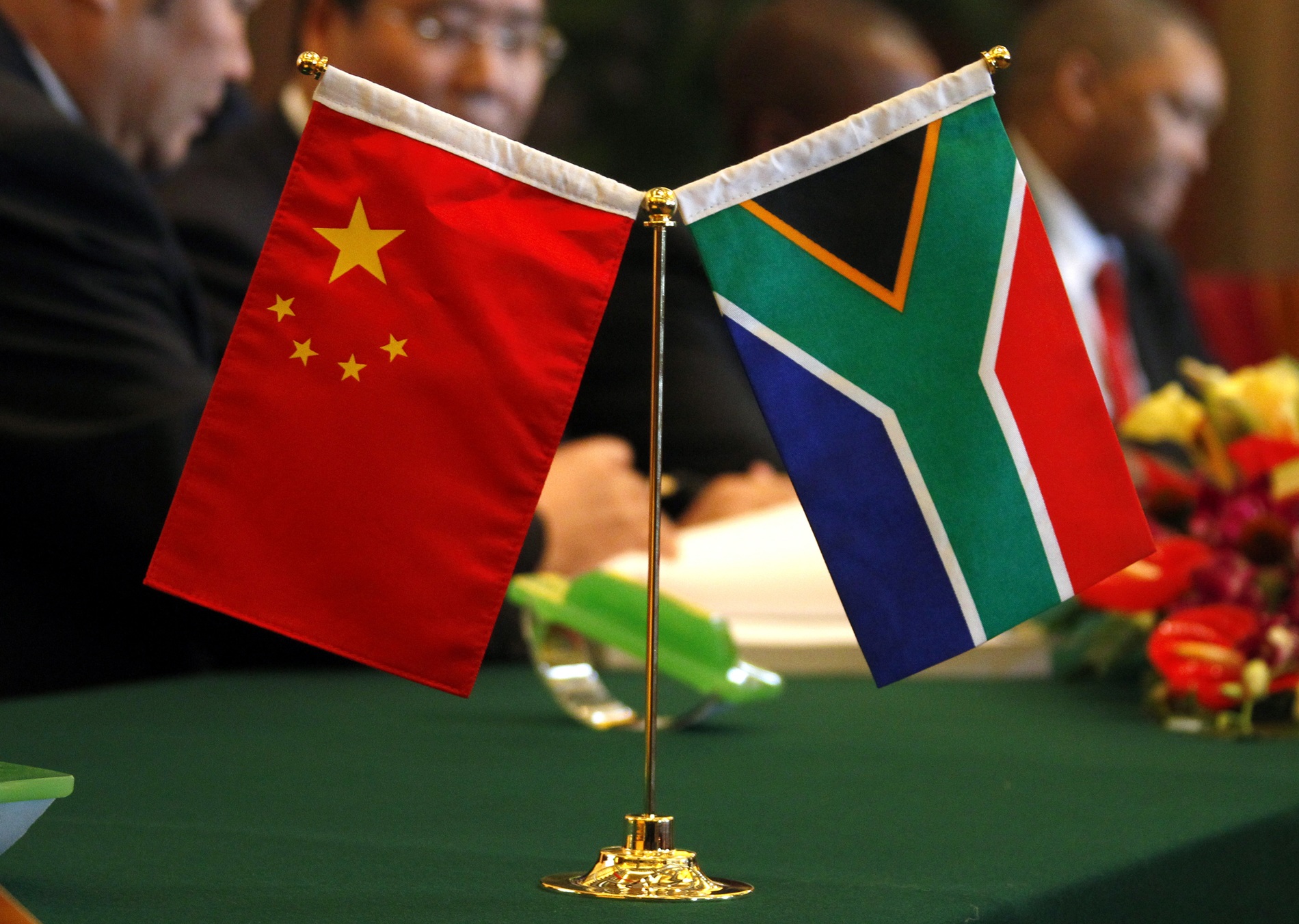
South Africa took a significant step toward deepening economic ties with China on Friday, when Trade, Industry and Competition Minister Parks Tau signed a Framework Agreement on Economic Partnership for Shared Prosperity during a visit to Beijing.
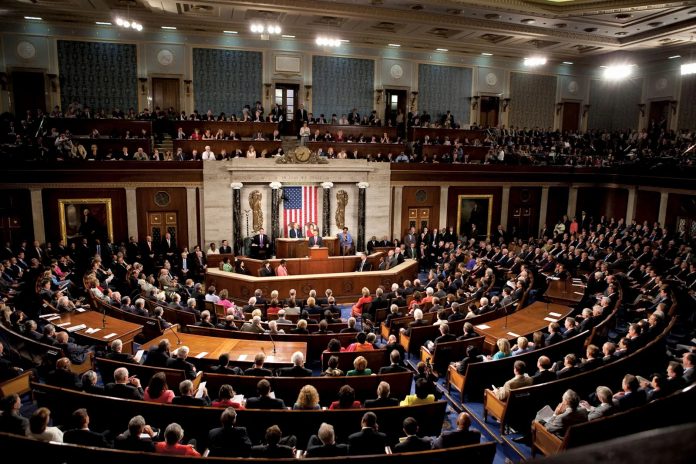
The agreement, described by the South African trade ministry as a foundation for securing duty-free access to the Chinese market for South African exports, is part of a broader push to diversify trade partners and offset the impact of steep U.S. tariffs imposed by President Donald Trump. It also comes amid a degenerating faceoff between Pretoria and Washington that has strained diplomatic and economic relations to their lowest point in decades.
The framework paves the way for an “Early Harvest Agreement” expected by the end of March 2026, which will grant China duty-free access for South African goods in priority sectors. The ministry highlighted opportunities for South African businesses in mining, agriculture, and value-added manufacturing to penetrate the Chinese market, while emphasizing safeguards to protect domestic industrial capacity.
“We will negotiate with a view to create the necessary safeguards built into the agreement so as to protect South Africa’s industrial capacity,” Tau said in a statement.
China has invited South Africa to an investment promotion event focused on its steel industry, with Tau expressing optimism: “We look forward to attracting even more Chinese investment into South Africa, and also introducing many South African products into the Chinese market.”
The agreement aligns with China’s June 2025 pledge to eliminate tariffs on imports from all 53 African states with which it maintains diplomatic relations—a policy announced in response to Trump’s global tariff announcements. The faceoff between South Africa and the United States was exacerbated by Trump’s imposition of a 30% tariff on South African exports in August 2025—the highest rate applied to any Sub-Saharan African country.
Trump cited unfair trade practices and national security concerns, but the tariffs are part of his broader “America First” reciprocal tariff strategy, which has hobbled duty-free benefits under the African Growth and Opportunity Act (AGOA). Thirteen of the 30 AGOA-eligible countries face 15% tariffs, while South Africa’s 30% duties supersede AGOA preferences, effectively rendering the program defunct for many South African goods.
U.S.-South Africa relations have plunged to their worst in decades, fueled by Trump’s baseless accusations that the South African government is pursuing anti-American foreign policies, expropriating land from white farmers without compensation, and failing to stop a purported “genocide” against the white minority. South Africa has vehemently denied these claims, with President Cyril Ramaphosa labeling them as unfounded and inflammatory.
The tensions led to South Africa’s exclusion from U.S.-hosted G20 events in 2025 and Trump’s barring of Pretoria from other international forums. In a partial reprieve, Trump signed a one-year extension of AGOA on February 3, 2026, renewing duty-free access for eligible African exports until December 31, 2026, with retroactive effect from September 30, 2025, when the program expired.
U.S. Trade Representative Jamieson Greer stated the extension accounts for existing tariffs, providing short-term relief but leaving long-term uncertainty. Analysts describe it as a “fragile” stopgap measure, with South Africa’s inclusion remaining tenuous amid ongoing diplomatic frictions. Oxford Economics’ Brendon Verster noted: “Trump’s Liberation Day tariffs effectively negate AGOA.”
South Africa has been actively negotiating a better trade deal with the U.S. under the proposed Agreement on Reciprocal Tariffs (ART) to reduce the 30% rate, which affects key exports like cars, precious metals, and agricultural products. The tariffs have already impacted thousands of jobs and forced exporters to absorb higher duties.
In 2024, $8.23 billion in goods were exported under AGOA, with half from South Africa—mainly autos, metals, and farm produce—and one-fifth from Nigeria (primarily oil). The China agreement offers a counterweight, potentially mitigating these losses by opening new markets. China is already South Africa’s largest trading partner, with bilateral trade exceeding $50 billion annually, dominated by South African raw material exports (iron ore, platinum group metals, coal) and Chinese machinery, electronics, and consumer goods imports.
Deepening ties could boost South African opportunities in value-added sectors, though critics warn of increased dependency on Beijing. The development marks the latest step in Africa’s shift toward China amid U.S. trade pressures. Kenya announced a preliminary trade deal with China in January 2026, focusing on agricultural exports.
These bilateral pacts build on the Forum on China-Africa Cooperation (FOCAC), where China has committed to tariff-free access for least-developed African countries and expanded investment in infrastructure, manufacturing, and green energy.
Analysts view the framework as pragmatic diversification. The South African Chamber of Commerce and Industry welcomed it as a “strategic move,” while the Steel and Engineering Industries Federation called for robust safeguards against subsidized imports. The autos sector, contributing to about 30 million jobs (over 10% of urban employment), remains a critical pillar, and further U.S. tariff escalation could prompt Beijing to reinstate subsidies if the slowdown worsens.