KPMG’s independent audit of Tether’s financial statements has provided another important data point for the rapidly evolving digital asset market, confirming that the stablecoin issuer held approximately US$6.8 billion more in assets than its liabilities.
The finding is significant because Tether’s financial position has long been closely watched by investors, regulators, exchanges, and institutions seeking to understand the resilience of the stablecoin sector.
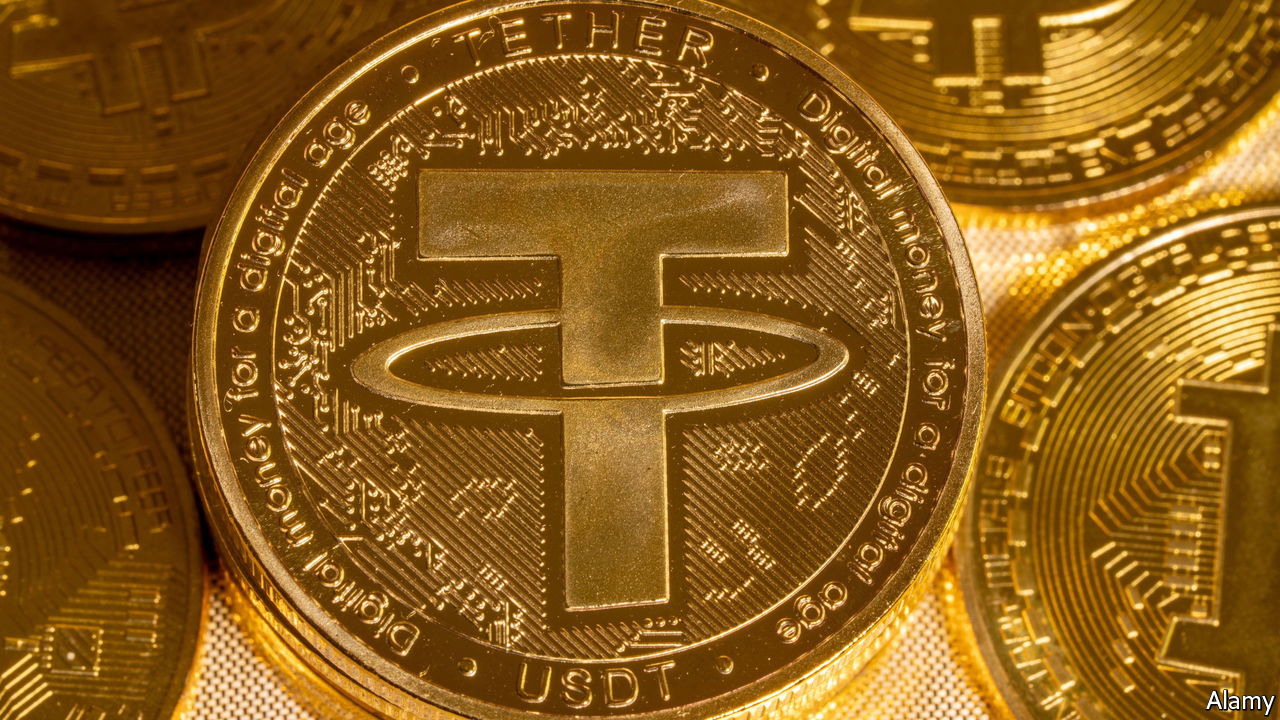
Tether’s USDT is one of the most widely used digital assets in the cryptocurrency ecosystem, functioning as a dollar-linked instrument for trading, payments, liquidity management, and settlement.
Because of its scale, questions surrounding the quality and sufficiency of Tether’s reserves can have consequences well beyond the company itself.
Any uncertainty about USDT’s backing could potentially affect crypto exchanges, decentralized finance protocols, market makers, and investors across multiple jurisdictions.
The confirmation of substantial excess reserves therefore addresses an important part of the liquidity debate. An excess reserve position means that Tether’s reported assets exceed its liabilities, providing an additional financial cushion.
While reserves do not eliminate every risk associated with a stablecoin, a sizable surplus can strengthen confidence that the issuer has resources available to meet its obligations under changing market conditions.
The independent nature of the audit is also important. Stablecoin issuers operate in an environment where transparency and verification have become increasingly central to institutional adoption.
Investors are no longer evaluating stablecoins solely on their utility; they are also examining reserve composition, financial reporting, redemption mechanisms, and the governance structures supporting each token.
For the wider cryptocurrency market, Tether’s financial position matters because USDT represents a major source of on-chain dollar liquidity. Traders frequently use the stablecoin as a settlement asset and as a means of moving capital between exchanges and blockchain networks.
If confidence in that liquidity deteriorates, market stress could spread rapidly through trading venues and decentralized protocols.
Conversely, evidence of stronger financial reserves can contribute to market stability. It may reduce concerns about whether a sudden wave of redemptions could create destabilizing pressure on the issuer.
It can also support the broader argument that stablecoins are becoming an important component of the emerging digital financial infrastructure rather than merely speculative crypto instruments.
The development comes as regulators worldwide continue to increase scrutiny of stablecoins. Policymakers are focused on ensuring that issuers maintain adequate reserves, provide meaningful disclosures, and have systems capable of handling large-scale redemption demands.
Independent financial verification can consequently become an important component of establishing credibility with regulators and institutional participants. However, the reported $6.8 billion surplus should not be interpreted as eliminating all risks.
Reserve quality, asset liquidity, redemption operations, counterparty exposure, and broader market conditions remain relevant. A strong balance sheet is one element of stablecoin resilience, not a guarantee against every potential stress scenario.
KPMG’s confirmation represents a meaningful development for Tether and the broader digital asset industry. At a time when stablecoins are becoming increasingly integrated into global crypto markets, evidence of substantial excess reserves can help reinforce confidence in the liquidity supporting those markets.
For Tether, maintaining that confidence will increasingly depend on continued transparency, credible financial reporting, and the ability to demonstrate that USDT remains reliably backed as its role in the digital economy expands.