DD
MM
YYYY

PAGES

DD
MM
YYYY

spot_img

PAGES

Home Blog Page 3004

International Monetary Fund’s Stance on El Salvador’s Cryptocurrency Policies

0

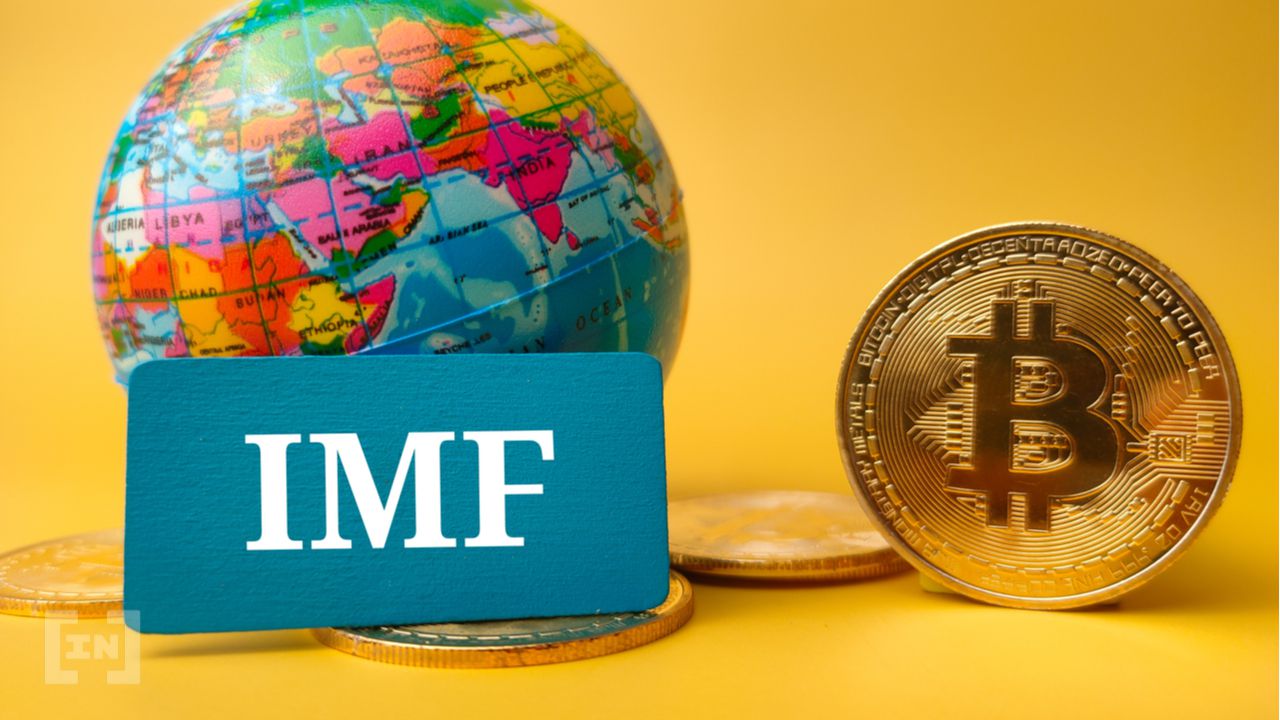
The International Monetary Fund (IMF) has been vocal in its recommendations for El Salvador regarding its cryptocurrency policies, particularly its adoption of Bitcoin as legal tender. The IMF’s concerns revolve around the potential risks associated with the use of Bitcoin and other cryptocurrencies, including financial stability, financial integrity, consumer protection, and fiscal contingent liabilities.

El Salvador made history in September 2021 by becoming the first country to establish Bitcoin as legal tender. This bold move was part of President Nayib Bukele’s plan to foster economic growth and financial inclusion. However, the IMF has consistently urged El Salvador to reconsider its approach. In recent statements, the IMF has recommended narrowing the scope of the Bitcoin law, strengthening the regulatory framework, and limiting public sector exposure to Bitcoin.

Since the enactment of this groundbreaking policy, El Salvador has navigated through various challenges and criticisms. The International Monetary Fund (IMF) has been vocal about its concerns, urging the country to reconsider its stance on Bitcoin due to potential fiscal and financial stability risks. The IMF’s recent calls for El Salvador to tighten its crypto regulations underscore the ongoing debate over the integration of digital currencies into traditional financial systems.

Despite the IMF’s warnings, El Salvador’s government has remained steadfast in its commitment to Bitcoin, with President Nayib Bukele often taking to social media to defend the policy and highlight its benefits. The nation’s Bitcoin bet has seen ups and downs, reflecting the volatile nature of cryptocurrency markets. At times, the value of El Salvador’s Bitcoin holdings has dipped, raising concerns about the impact on the country’s finances.

However, El Salvador’s journey with Bitcoin is more than just about market value; it’s about innovation and the pursuit of financial autonomy. The government has launched initiatives like the Chivo Wallet, offering incentives to encourage its use among citizens. Plans for Bitcoin City, a development project funded by Bitcoin-backed bonds, showcase the country’s long-term vision for leveraging cryptocurrency to fuel economic growth.

The IMF’s recommendations come amid concerns about the volatility of cryptocurrencies and their potential impact on the financial system. The organization has highlighted the need for enhanced transparency and measures to mitigate potential fiscal and financial stability risks from the Bitcoin project. Despite these warnings, many of the risks have not yet materialized, but the IMF maintains that further discussions and efforts are necessary to address these concerns.

El Salvador’s government has defended its position, with President Bukele stating that the adoption of Bitcoin has been net positive, although it has fallen short of expectations in terms of widespread adoption. The country holds a significant amount of Bitcoin, and the president has recently announced plans to present a debt-free budget for 2025, which the IMF has acknowledged positively.

The debate between El Salvador and the IMF reflects broader discussions on the role of cryptocurrencies in the global financial system. While some view digital assets like Bitcoin as a way to democratize finance and reduce reliance on traditional banking systems, others, like the IMF, emphasize the need for robust regulatory frameworks to ensure financial stability and protect consumers.

As the situation evolves, it will be crucial for El Salvador to balance the potential benefits of its cryptocurrency policies with the need to address the concerns raised by international financial institutions. The outcome of this balancing act could have significant implications for the future of cryptocurrency adoption by other nations and the global financial landscape as a whole.

BlockDAG’s 50% Bonus is Ending in 9 Days; Binance Coin Holders Rush to BDAG’s $84M Presale

0

In the thrilling crypto sphere, fortunes are changing by the minute. While Binance Coin (BNB) battles through tough market headwinds, BlockDAG is seizing the day with bold strategies and exciting promotions. The launch of the BDAG50 bonus code, offering a dazzling 50% boost to BDAG holdings, is creating buzz and showing BlockDAG’s deep commitment to community engagement and technological innovation. This magnetic offer, aligned with the debut of their Testnet, positions BlockDAG as a trailblazer in the crypto world, delivering real benefits to its community during turbulent market times.

50% More With BlockDAG’s Generous Offer!

BlockDAG has rocketed into the spotlight with sharp marketing tactics and a strong tech base. The unveiling of its Testnet—a real playground for crypto aficionados to test real-time transactions and smart contracts—is proving BlockDAG’s dedication to enhancing user interaction and prepping for future tech hurdles.

This energetic approach is crowned by the BDAG50 code, a thrilling chance for users to supercharge their BDAG reserves by an astonishing 50% during the purchase. Celebrating a monumental presale success of over $84.2 million, this move has sent waves of excitement through the early backers, boasting a sensational 1820% rise in value.

Moreover, BlockDAG’s vision goes beyond just short-term perks. The impending reveal of a revamped brand and platform on October 14 is set to boost its market stance, turning BlockDAG into a key player for both seasoned and new crypto enthusiasts. This rebrand is a clear signal of BlockDAG’s enduring commitment to crafting a community that thrives around its cutting-edge tech.

For those eager to dive into BlockDAG’s rich offerings, time is ticking. The BDAG50 promo, concluding with the launch of the new platform, presents a rare opportunity to amplify one’s digital asset collection. With BDAG coins now at a tempting $0.0192 in batch 23, and over 140,000 unique holders with more than 13.6 million coins already in circulation, the engagement level is soaring.

Binance Coin Under the Weather

On the flip side, Binance Coin (BNB), currently the fourth-largest cryptocurrency by market cap, is navigating choppy waters. The Long/Short Ratio leaning towards bearish signals at 0.871 shows a market bracing for potential downturns. More than half of the traders are betting on a dip, highlighting a cautious sentiment in the market.

Recent technical analysis paints a stark picture with a bearish triple-top pattern and an evening star formation on BNB’s charts, marking strong resistance near the $605 mark. Despite a recent 25% climb in less than three weeks, BNB is under considerable pressure that could see it plunge by 20% to $480 if it fails to break the $625 barrier.

Yet, BNB holds above the 200 Exponential Moving Average (EMA), hinting at some underlying strength. Key liquidation points set at $593 and $607.5 could trigger significant market movements depending on upcoming trends. Additionally, a 13% drop in trading volume reflects a cooling in trader involvement during this tense phase.

Ripple’s Epic Journey Unfolds in “XRP Unleashed”

Get ready for a cinematic deep dive into the world of Ripple as Fruition Productions rolls out the red carpet for the first-ever documentary on Ripple, “XRP Unleashed.” Amid Ripple’s high-stakes legal dramas and a whopping $125 million fine, this film is set to premiere with a bang in November, offering an unprecedented look at the evolution of Ripple and its trailblazing cryptocurrency, XRP.

Producer Maia is pulling out all the stops, gearing up for a blockbuster release in no less than seven major cities—Los Angeles, Houston, Atlanta, Washington D.C., New York, Boston, and Arizona. The buzz is building, and the full scoop on premiere details will drop on Fruition Films’ X account (formerly Twitter) by early October.

The Final Take

As the premiere dates draw near, the rush for tickets is about to begin. Pre-sales are set to launch on their official website, promising a ticket to explore the intricate mesh of the financial system and the expansive influence of cryptocurrencies.

Meanwhile, BlockDAG is making waves with its BDAG50 promotion, showcasing a sharp grasp of market dynamics and community desires. While Binance Coin wrestles with market dips and daunting technical challenges, BlockDAG is soaring, fueled by strategic promotions and tech innovations that are dramatically enhancing user experiences and broadening community engagement. This pioneering strategy is not only catapulting BlockDAG’s market presence but is also knitting a robust community fabric, paving the way for a revolution in user-centric initiatives in the crypto world.

Hang onto your seats—the crypto scene is buzzing with anticipation, and with these thrilling developments, it’s proving to be an exhilarating ride through the ever-volatile, ever-intriguing cryptocurrency landscape!


Join BlockDAG Presale Now:

Website: https://blockdag.network

Presale: https://purchase.blockdag.network

Telegram: https://t.me/blockDAGnetworkOfficial

Discord: https://discord.gg/Q7BxghMVyu

Nigeria Proposes Single Revenue-Collecting Agency Named Nigerian Revenue Service (NRS)

0

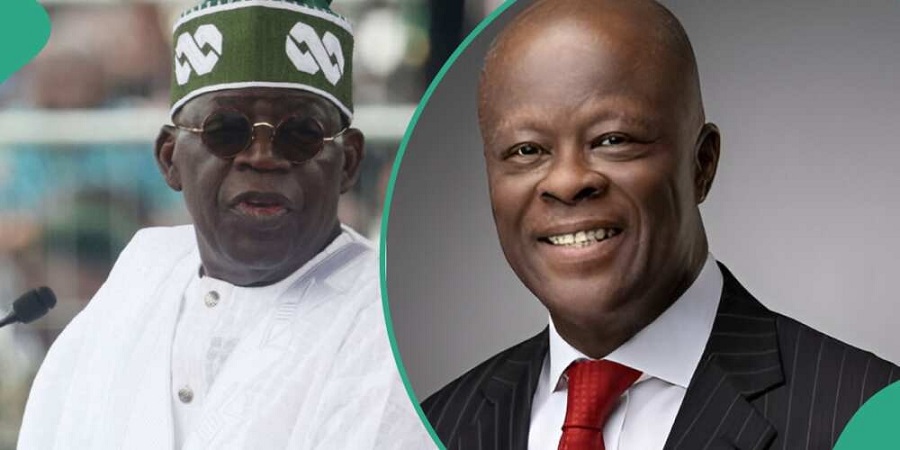
President Bola Tinubu’s administration is on the verge of reshaping Nigeria’s revenue collection system in a bold reform aimed at consolidating efforts and boosting government earnings. If passed, his new plan would bar over 60 revenue-generating agencies from collecting revenues on behalf of the Federal Government.

In their place, a single entity, the Nigeria Revenue Service (NRS), will take up the responsibility of tax and levy collection, drastically altering how revenue streams flow into national coffers.

This sweeping overhaul is part of a broader tax reform initiative by the administration, which seeks to address Nigeria’s revenue challenges head-on. For years, the country has struggled with an abysmally low tax-to-GDP ratio, hovering below the African average and placing Nigeria among the world’s lowest in terms of tax collection. This has worsened the fiscal deficit and left the government heavily reliant on borrowing to fund public spending, resulting in a cyclical trap of insufficient funding for essential development projects.

The Punch reported that the new reforms aim to streamline the process, with a clear goal, which is to push Nigeria’s tax-to-GDP ratio to a minimum of 18%. The creation of the Nigeria Revenue Service, which will handle the task of revenue collection, represents the most significant change. This new agency is expected to take over from bodies like the Nigerian Customs Service, Nigerian Ports Authority (NPA), and numerous others currently involved in collecting revenues for the government.

Ending Fragmentation in Revenue Collection

At the heart of this initiative is the desire to create a more efficient, transparent, and accountable system. Currently, multiple agencies, including the Federal Airports Authority of Nigeria (FAAN), Nigeria Customs Service (NCS), the Nigerian Maritime Administration and Safety Agency (NIMASA), the Corporate Affairs Commission (CAC), and many others, manage their revenue streams independently. This often leads to overlapping functions, inefficiencies, and difficulties in monitoring and ensuring compliance.

A senior official at the Presidency, while explaining the move to The Punch, dispelled rumors that the reform would lead to the merger of agencies. Instead, the plan focuses on centralizing revenue collection duties under the new Nigeria Revenue Service, allowing other agencies to focus on their primary mandates.

“There is no merger of agencies. The bill will only take the revenue collection arm of each agency involved and allocate it to the Nigerian Revenue Service,” the official clarified.

In outlining the purpose of the reforms, the source compared the proposed NRS to similar agencies in developed countries like the United States and the United Kingdom, where centralized bodies manage all government revenue collections.

“The new revenue agency will be like the US or UK revenue agencies that collect all government revenues, while other revenue agencies like NIMASA, NPA, Customs, etc., will now focus on their core mandate, which is trade facilitation. There is no merger at all,” the official emphasized.

The policy shift was set in motion when President Tinubu forwarded four executive bills to the National Assembly for consideration. One of the key proposals included in these submissions is the renaming of the Federal Inland Revenue Service (FIRS) to the Nigeria Revenue Service. This bill, called the Nigeria Revenue Service (Establishment) Bill, seeks to repeal the existing Federal Inland Revenue Service (Establishment) Act, No. 13, 2007, effectively creating a more robust framework for revenue generation.

In a letter read during plenary sessions by Senate President Godswill Akpabio and Speaker of the House of Representatives Tajudeen Abbas, Tinubu highlighted the urgency of passing the new tax reform bills. According to him, the proposed changes will not only strengthen fiscal institutions but also foster greater transparency in tax administration. Tinubu noted that the Nigeria Revenue Service would be responsible for assessing, collecting, and accounting for revenue accruing to the government from various sectors.

A Broader Tax Reform Agenda

Tinubu’s tax reform bills extend beyond the creation of the NRS. The President also submitted three other key bills under the umbrella of fiscal policy and tax reform, aimed at overhauling the nation’s fiscal framework.

These proposals include:

  1. The Nigeria Tax Bill: This legislation seeks to consolidate Nigeria’s fiscal framework for taxation, streamlining the tax codes and making it easier for taxpayers to navigate the system.
  2. The Nigeria Tax Administration Bill: Designed to provide clarity on the administration of tax laws, this bill aims to ensure fair, consistent, and efficient enforcement of tax regulations. It’s expected to reduce disputes, make tax compliance easier, and boost revenue collection.
  3. The Joint Revenue Board (Establishment) Bill: This bill proposes the creation of a Joint Revenue Board, along with a Tax Appeal Tribunal and a Tax Ombudsman. These bodies will be tasked with harmonizing and resolving disputes arising from tax administration in Nigeria.

He believes that once enacted, the bills will spur investment, increase consumer spending, and fuel the country’s economic growth.

“I am confident that the bills, when passed, will encourage investment, boost consumer spending, and stimulate Nigeria’s economic growth,” he stated.

The urgency of these reforms is underscored by Nigeria’s ongoing revenue challenges. The nation is grappling with a fiscal deficit that continues to balloon, largely due to the decline in oil production and poor tax collection system. Currently, Nigeria’s tax-to-GDP ratio is around 6%, far below the African average of 18%. Without significant reform, experts warn that the country’s over-reliance on borrowing could deepen, jeopardizing its ability to fund crucial infrastructure projects and social programs.

Speaker of the House of Representatives, Tajudeen Abbas, echoed these concerns, emphasizing the importance of the bills. He stated that the proposed laws align with the Tinubu administration’s objectives and are critical for ensuring the country’s economic stability.

“These bills, when passed, will encourage the growth and sustainability of the economy,” Abbas said.

The House also took steps to repeal the Fiscal Responsibility Act, of 2007, consolidating six bills to enact the Fiscal Responsibility Bill, of 2024, which aims to ensure prudent management of national resources, macroeconomic stability, and greater accountability in fiscal operations.

Mixed Reactions to the Reforms

However, not everyone is on board with the proposed changes. Some experts have expressed concerns, particularly about the implications for agencies like the Nigeria Customs Service, which has long been one of the country’s primary revenue-generating bodies.

Dr. Eugene Nweke, former National President of the National Association of Government Approved Freight Forwarders, criticized the idea, arguing that revenue collection is an integral part of Customs’ mandate worldwide.

“Customs all over the world are known for revenue collection. What it means is that they would outsource that function to a third party,” he said.

Nweke also pointed out the technical complexities involved in revenue collection, warning that stripping Customs of this function could lead to inefficiencies.

Taiwo Fatobilola, National Public Relations Officer of the Association of Registered Freight Forwarders of Nigeria, echoed similar sentiments.

“It is not possible, don’t mind the government. They think revenue collection is what anybody can wake up and start with? Do they know how much it takes to train people on something the NCS has been trained to do?” Fatobilola questioned.

On the other hand, some industry experts support the reforms, noting that centralizing revenue collection could curb corruption and leakage while improving efficiency. The Presidential Fiscal Policy and Tax Reforms Committee, led by Taiwo Oyedele, has been vocal in its support of the changes. Oyedele believes that Nigeria’s fiscal system is overdue for an overhaul and that protecting the poor and vulnerable, while taxing the rich effectively, is the way forward.

“We found out that poor persons are those paying taxes, so it is time for them to take a break,” Oyedele stated. “We have to look at the system to take that burden away from vulnerable people, small businesses, and let the middle class and the rich, who can afford to pay, do so.”

If successfully passed, the creation of the Nigeria Revenue Service could usher in a new era of centralized, efficient revenue collection that could help the country achieve its ambitious tax-to-GDP ratio target and reduce its reliance on debt. The future of Nigeria’s fiscal policy now rests in the hands of the legislators and stakeholders who will decide whether this reform, touted as the solution to the nation’s revenue woes, will come to be.

Coinbase to Delist USDT and other Non-Compliant Stablecoins in the EU

1

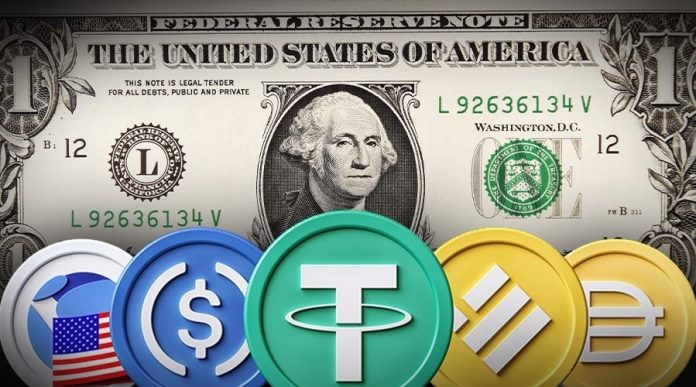
In a significant move that aligns with the upcoming regulatory changes in the European Union, Coinbase, one of the leading cryptocurrency exchanges, has announced its plan to delist USDT and other non-compliant stablecoins by the end of 2024. This decision comes as a response to the EU’s Markets in Crypto-Assets (MiCA) regulation, which aims to establish a comprehensive framework for digital assets and their associated activities within the European market.

The MiCA regulation, which began regulating stablecoin issuers on June 30, mandates that all stablecoins available in the European Economic Area (EEA) must hold an e-money license in at least one EU member state. This regulation directly affects leading tokens like Tether’s USDT (USDT), which may be forced off the Coinbase platform unless it obtains the required authorization.

Coinbase’s commitment to compliance is evident in their statement, indicating that they intend to restrict the provision of services to EEA users in connection with stablecoins that do not meet the MiCA requirements by December 30, 2024. The exchange has also indicated that European users will be offered conversion options to compliant stablecoins, such as Circle’s USD Coin (USDC), in the coming months.

Coinbase’s decision to delist non-EU-regulated stablecoins, including USDT, has significant implications for traders, especially those operating within the European Union. This move is in response to the upcoming Markets in Crypto-Assets (MiCA) regulation, which aims to establish a uniform regulatory framework for crypto-assets in the EU.

Traders may need to reassess their portfolios, especially if they hold a significant amount of non-compliant stablecoins. They might have to convert these assets into compliant ones or withdraw them from the platform before the delisting takes effect. The removal of popular stablecoins like USDT could impact market liquidity. As traders transition to compliant alternatives, there may be temporary liquidity constraints, affecting the ability to execute large trades without slippage.

Traders will have to stay informed about regulatory changes and ensure their trading activities comply with the new rules. This could involve additional administrative work and adjustments to trading strategies. With Coinbase offering conversion options to compliant stablecoins such as USDC, traders might witness a shift in stablecoin preference within the market. This could potentially lead to a change in the dominance of certain stablecoins.

The delisting could accelerate the adoption of compliant stablecoins. Traders may start using these alternatives more frequently, leading to increased demand and possibly affecting the valuation of these assets. Overall, Coinbase’s decision reflects the broader industry trend towards regulatory compliance. Traders will need to adapt to these changes, which could bring both challenges and opportunities in the evolving crypto landscape.

Other crypto platforms like OKX, Bitstamp, and Uphold have already taken steps to limit the availability of noncompliant stablecoins, including USDT. With competition in the stablecoin market heating up, companies like Robinhood and Revolut are exploring the development of their own stablecoins to challenge Tether and Circle’s dominance.

The delisting of non-compliant stablecoins by Coinbase is a clear signal to the market that regulatory compliance is not optional. It underscores the importance of adhering to the legal frameworks established by governing bodies, particularly in regions like the EU, where financial regulations are stringent. For users, this development may mean a shift towards more regulated and potentially more stable digital assets, as the industry continues to mature and integrate with traditional financial systems.

As the deadline for compliance draws near, the crypto community will be watching closely to see how other exchanges and stablecoin issuers respond to the MiCA regulations. The impact of these regulations on the stability and liquidity of the crypto market in Europe will be a subject of much analysis and discussion in the months to come.

Nigeria’s Debt Servicing Payments Rises By 69% at N6.04tn In H1 2024 – CBN

0

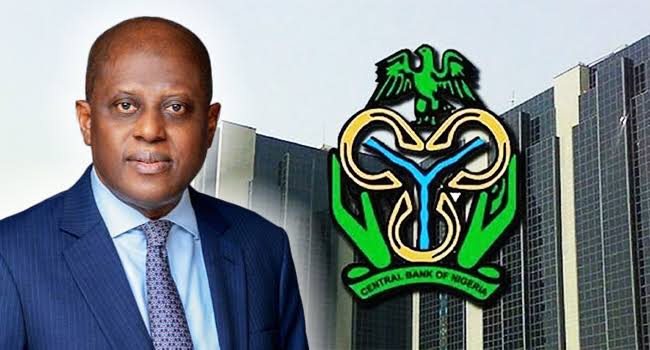
Nigeria’s debt servicing payments surged by 69% in the first half of 2024, reaching a monumental N6.04 trillion, compared to N3.58 trillion in the same period in 2023, according to data from the Central Bank of Nigeria.

This sharp rise has further compounded the financial burden on the Federal Government, as an increasing share of its revenue is being siphoned off to service debt. The situation paints a grim picture of the country’s fiscal health, highlighting the government’s deepening reliance on borrowing to meet its financial obligations.

Data from the CBN reveals the alarming extent to which debt servicing has grown relative to revenue generation. In the first half of 2024, debt servicing accounted for 50% of the Federal Government’s total expenditure of N12.17 trillion, a significant increase from the previous year.

More concerning is the fact that debt servicing expenses represent 162% of the total revenue generated during the same period, which stood at N3.73 trillion. This means that Nigeria is spending far more on repaying debt than it is earning, leaving the government with no choice but to borrow even more to bridge the gap.

Both domestic and foreign debt obligations have ballooned due to rising interest costs, worsened by the devaluation of the naira, which makes repaying foreign-denominated debt more expensive.

In January 2024, for instance, the government spent N755.9 billion on debt servicing, up 37% from N550.3 billion in January 2023, according to the CBN’s data. Although February 2024 saw a slight dip in debt servicing to N505.9 billion (down from N518.7 billion in February 2023), this reprieve was short-lived. By March 2024, debt servicing costs shot up again to N1.01 trillion, a 12.2% increase year-on-year. In May 2024, the debt burden reached a staggering N2.26 trillion, a 332% rise from N523.8 billion in May 2023, likely due to principal repayments and the devaluation of the naira.

Borrowing Spurred by Declining Oil Production

A major factor driving Nigeria’s rising debt is the continuous decline in oil production, the country’s primary source of revenue. Nigeria, Africa’s leading oil producer, has seen a steep drop in its crude oil output due to a range of structural problems, most notably oil theft and vandalism of pipelines. This has significantly hampered the nation’s ability to generate revenue, leaving the government with a precarious fiscal position.

Oil accounts for about 90% of Nigeria’s foreign exchange earnings and over half of its government revenues. With oil production, currently at 40,000 barrels below its August’s 1.35mbpd, consistently falling short of OPEC’s 1.5mbpd quota and official targets, Nigeria’s ability to fund its budget and service debt has been severely constrained.

Oil theft, in particular, has escalated in recent years to alarming levels. Nigeria loses an estimated 400,000 barrels of oil per day to theft, a figure that equates to billions in lost revenue annually. Efforts by security forces have not substantially curbed the rampant theft, alluding to allegations that the oil is being stolen by the people in government.

Against this backdrop, the government has found itself increasingly dependent on borrowing, both domestically and internationally, to fill the revenue gap.

In a speech earlier this year, President Bola Tinubu emphasized the need for comprehensive reforms in the oil sector, acknowledging that unchecked theft and inefficiencies were bleeding the economy dry.

World Bank Warns of A Looming Debt Trap

The rising debt, buoyed by declining oil revenues, has drawn international concern. In a recent report, the World Bank sounded the alarm over the growing debt burden in developing nations like Nigeria. Indermit Gill, the World Bank’s Chief Economist, stated that many countries are on the brink of a financial crisis due to the twin pressures of record-high debt levels and soaring interest rates.

Gill noted that the combination of escalating debt and rising interest rates is creating an unsustainable situation for many developing countries. He warned that Nigeria, with its heavy reliance on oil revenues and increasing debt servicing obligations, is facing a precarious fiscal future unless swift and coordinated actions are taken.

One of the most troubling aspects of Nigeria’s debt servicing obligations is the strain it places on the government’s ability to invest in critical sectors. With 50% of total expenditure in H1 2024 going towards debt repayment, the government has little fiscal space left for infrastructure development, healthcare, education, and social services. These areas are crucial for Nigeria’s long-term economic growth, yet they are being sidelined as more resources are channeled into servicing debt.

The Way Forward

Economists have long advocated that addressing Nigeria’s debt crisis will require a multi-pronged approach, noting that first, the government must take decisive action to combat oil theft and increase production.

Second, economists said fiscal reforms are necessary to improve tax collection and diversify the economy away from its heavy reliance on oil. Additionally, they warned that the government must engage in prudent borrowing, ensuring that loans are used for productive investments that can generate returns and stimulate economic growth.

Simply borrowing to service existing debt will only prolong the crisis and push the country deeper into a debt trap, they said.