
DD
MM
YYYY

PAGES

DD
MM
YYYY

spot_img

PAGES

Home Blog Page 3014

A Look at AI Tokens and NVIDIA’s Anticipated Earnings Release

0

The financial market is abuzz with the latest performance of AI tokens, which have been outperforming their counterparts significantly over the past week. This surge in AI tokens comes at a pivotal moment as NVIDIA, a titan in the AI and tech industry, prepares to release its earnings report this Wednesday.

AI tokens, which are cryptocurrencies that power AI-related projects, have seen a remarkable increase in market capitalization, now exceeding $26 billion. These tokens are not just a form of investment; they represent the burgeoning field of artificial intelligence and its integration with blockchain technology. Projects powered by these tokens range from AI-powered portfolio management to advanced image generation and pathfinding algorithms. The performance of these tokens is indicative of the growing interest and confidence in AI’s role within the tech ecosystem and its potential for future applications.

NVIDIA, known for its powerful GPUs and contributions to the AI space, is at the forefront of this technological revolution. The company has been instrumental in the development of AI applications, and its financial results are eagerly anticipated by investors and industry observers alike. Analysts predict a significant impact on the market, with expectations of a revenue jump and earnings per share growth. NVIDIA’s success is a testament to the increasing demand for AI and machine learning capabilities across various industries.

Artificial Intelligence (AI) has become a cornerstone of innovation, driving advancements across various sectors. As the technology evolves, several companies have emerged as leaders, shaping the future of AI. The rise of generative AI has been a game-changer, with tools like ChatGPT reaching mass adoption and reshaping industries. These AI models can generate text, images, and even code, demonstrating a level of creativity and efficiency that was previously unattainable.

AI in Search: Tech giants like Microsoft and Google have integrated AI with search engines, redefining how we interact with the internet. Although early versions faced challenges, these AI-powered search tools have the potential to transform our digital experiences.

AI-Enhanced Creativity: From generating new Beatles songs to creating shareable images with a click, AI has made its mark on the creative world. This has opened up new possibilities for artists and content creators, allowing them to explore new horizons of creativity.

AI in Photo Editing: Advances in AI have revolutionized photo editing, enabling users to alter images in ways that were once impossible. Google’s new phones, for example, use AI to transform photos, changing expressions and lighting with ease.

Open-Source AI: The growth of open-source AI has been instrumental in democratizing access to AI tools and fostering innovation. The release of frameworks like PyTorch 2.0 has provided developers with robust tools to build and enhance AI applications.

As we approach the earnings release date, the market is poised for a potential shake-up. NVIDIA’s performance could serve as a bellwether for the AI sector’s health and its future trajectory. The anticipation surrounding NVIDIA’s report reflects the broader excitement about AI’s transformative potential and its growing influence on the global economy.

Investors and enthusiasts alike are watching closely, as the outcomes of this week could signal new trends and opportunities within the AI space. The convergence of AI and financial markets through AI tokens and influential companies like NVIDIA underscores the dynamic and rapidly evolving nature of this field. It’s a space where technology and finance intersect, creating a landscape ripe for innovation and investment.

As we look to the future, the performance of AI tokens and the results of NVIDIA’s earnings report will undoubtedly shape the conversation around AI’s role in our lives and its impact on the global market. Stay tuned for further developments as we witness the unfolding story of AI’s integration into the fabric of our financial systems.

Tekedia Crypto and Blockchain Mid-Week Digest

0

The situation surrounding Telegram CEO Pavel Durov has garnered significant attention, as French prosecutors are faced with the decision to either charge or release him following the expiration of his custody order. The circumstances leading to his detention at Le Bourget airport outside Paris involve a judicial inquiry into allegations that the Telegram platform has been used for illicit activities, including child sexual abuse material and drug trafficking, among other offenses.

The case has sparked a wide array of reactions internationally, with some Russian officials deeming the arrest politically motivated, while others, including French President Emmanuel Macron, have emphasized that the arrest is part of an independent investigation, underscoring France’s commitment to legal frameworks that protect citizens’ rights while maintaining freedom of expression.

Telegram, in its statement, has defended its moderation practices, stating compliance with EU laws and industry standards. The company has highlighted the absurdity of holding a platform or its owner responsible for the misuse by its users, pointing out that nearly a billion individuals globally rely on Telegram for communication and information.

The TON blockchain, initially conceptualized by Telegram founder Pavel Durov, recently experienced a significant disruption in its operations. The network faced a six-hour outage, a rare event that brought to light the challenges of managing high network loads and maintaining continuous block production.

This interruption was precipitated by a surge in traffic, attributed to the trading of the meme coin $DOGS, which had been recently launched. The influx of transactions from airdrop winners put a strain on the network, leading to an overload that the system could not handle at the time. This resulted in a temporary suspension of block production, affecting transactions and leading to a precautionary pause in deposits and withdrawals by major exchanges.

The community’s reaction to this event has been mixed, with concerns raised about the blockchain’s capacity to handle such large-scale traffic and the robustness of its infrastructure. The outage has prompted a closer examination of TON’s network capacity and resilience, especially in light of the recent leadership challenges faced by the organization.

Despite the operational hiccup, the native token of the TON blockchain, Toncoin, managed to maintain a relatively stable market price throughout the incident. This stability amidst adversity reflects the underlying strength and potential of the TON blockchain.

The case involving a Binance executive in Nigeria has taken a significant turn as the hearing date has been moved up by a month. The executive, Tigran Gambaryan, has been detained for five months in Kuje prison, and concerns over his health have intensified. The case, which involves allegations of money laundering against the cryptocurrency exchange and its executives, is now set to resume on September 2, earlier than the initially scheduled October 11 date.

This development comes after defense lawyers requested an earlier trial date, highlighting the urgency due to Gambaryan’s deteriorating health condition. The situation has garnered international attention, with Gambaryan’s family and various organizations calling for his immediate release and proper medical care.

The Nigerian authorities have charged Binance and its executives with tax evasion, failure to file tax returns, and aiding customers in tax evasion through their platform. These charges reflect the growing scrutiny that cryptocurrency exchanges are facing globally as governments seek to establish regulatory frameworks for the digital asset industry.

MakerDAO, a pioneering force in the decentralized finance (DeFi) sector, has embarked on a significant transformation, rebranding itself as ‘Sky’. This strategic shift is not merely a change in name but signals a deeper evolution in its vision and operational framework. The rebranding to Sky is part of MakerDAO’s ambitious ‘Endgame Plan’, which aims to completely overhaul its governance and tokenomics, enhancing the protocol’s resilience to external risks and aligning it with the future of DeFi.

The introduction of two new tokens, USDS and SKY, marks a pivotal moment in this transition. USDS is set to replace DAI, the stablecoin that has been synonymous with MakerDAO, offering a 1:1 conversion rate to ensure a seamless transition for users. The SKY token emerges as the new governance token, replacing MKR, and is designed to provide enhanced functionality and incentives for user participation.

The recent downturn in the cryptocurrency market has seen major digital assets experiencing significant declines, following a rout in Exchange-Traded Funds (ETFs) and futures. This trend reflects the inherent volatility and risk associated with the crypto market, which can be influenced by a variety of factors, including regulatory news, market sentiment, and technological developments.

Investors who are looking to mitigate some of the risks associated with direct cryptocurrency investments have turned to cryptocurrency ETFs as a means of gaining exposure to the market. These ETFs offer a diversified portfolio of digital assets and, in some cases, companies involved in blockchain technology. For instance, the Amplify Transformational Data Sharing ETF and the Bitwise 10 Crypto Index Fund are examples of such investment vehicles that provide indirect exposure to the crypto market’s price movements.

Moreover, actively managed, futures-based crypto ETFs have been highlighted for their performance, with funds like the Grayscale Bitcoin Trust ETF leading with significant year-to-date gains. These ETFs invest in contracts that mimic cryptocurrency prices, offering regulated exposure without the need to directly hold the underlying digital assets.

While these investment options present a way to participate in the crypto economy, they are not without their challenges. Tracking errors and the complexity of managing futures contracts can introduce discrepancies between the ETFs’ performance and the actual price movements of cryptocurrencies.

The current red trend in the crypto majors underscores the importance of due diligence and a thorough understanding of the market’s dynamics before investing. As the market evolves, so too does the landscape of investment products, providing both opportunities and challenges for investors navigating the crypto space.

BlackRock’s Ethereum ETF on the Brazilian Stock Exchange

0

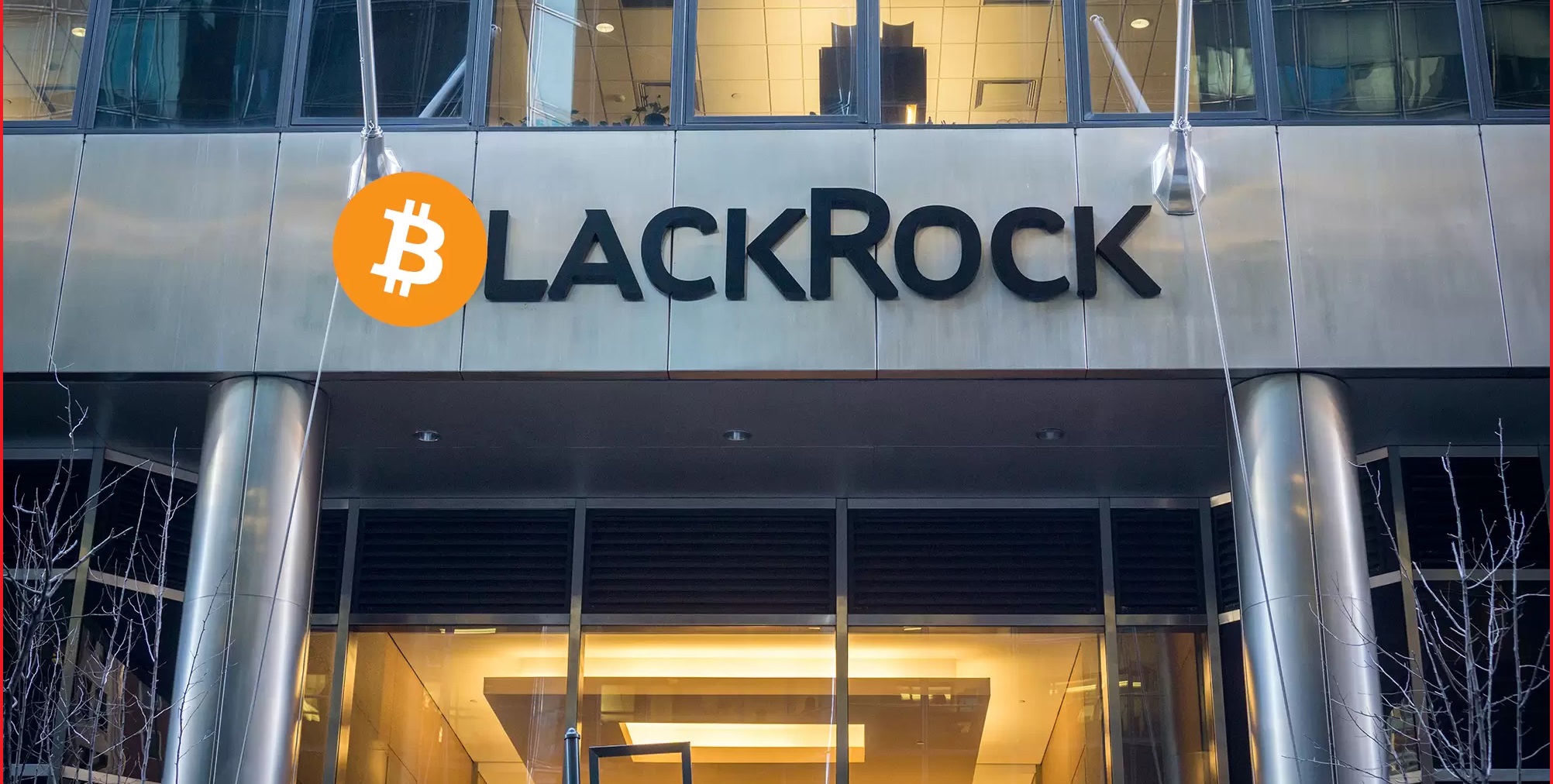
The world of finance is witnessing a significant milestone with BlackRock’s introduction of an Ethereum ETF on the Brazilian Stock Exchange. This move marks a pivotal moment in the integration of cryptocurrency into traditional financial markets, reflecting a growing acceptance and recognition of digital assets.

BlackRock, a global investment management corporation, has been at the forefront of incorporating cryptocurrencies into its offerings. The launch of the Ethereum ETF, trading under the ticker code ETHA39, represents a Brazilian depositary receipt, allowing investors to gain exposure to Ethereum without directly owning the digital asset.

The decision to list the Ethereum ETF in Brazil follows the successful launch of BlackRock’s iShares Bitcoin Trust ETF (IBIT) on the same exchange earlier this year. The Ethereum ETF’s debut is not just a testament to BlackRock’s confidence in the potential of Ethereum but also highlights Brazil’s progressive stance on cryptocurrency investments.

Brazil’s B3 exchange has become a hub for institutional products, with the Brazilian Securities and Exchange Commission (CVM) recently approving two Solana-based ETFs for listing. BlackRock’s Ethereum ETF has already achieved a significant milestone in the United States, surpassing $1 billion in net inflows, indicating a strong investor interest in the product.

Investing in an Ethereum ETF offers several advantages for those looking to participate in the cryptocurrency market. Ethereum ETFs provide investors with an opportunity to diversify their portfolio. By including an asset class that is relatively uncorrelated with traditional investments, investors can potentially reduce overall portfolio risk.

For many, investing in cryptocurrencies directly can be daunting due to the technical knowledge required. Ethereum ETFs simplify the process, allowing investment through a traditional brokerage account without the need to manage a digital wallet or navigate a cryptocurrency exchange.

ETFs are regulated investment products, which means they come with a level of security and oversight that may not be present when purchasing cryptocurrencies directly. This regulatory framework can provide peace of mind for investors concerned about the risks associated with digital asset custody.

Ethereum ETFs trade on stock exchanges, providing the same ease of buying and selling as stocks. This liquidity makes it easier for investors to enter and exit positions compared to the sometimes-illiquid cryptocurrency markets. ETFs can be more tax-efficient than other investment vehicles, offering benefits such as lower capital gains taxes compared to actively managed funds. This efficiency can be particularly advantageous in the volatile crypto market.

An Ethereum ETF offers a straightforward way to gain exposure to the price movements of Ethereum without the complexities of buying, storing, and securing the cryptocurrency itself. These funds provide better liquidity compared to direct cryptocurrency holdings and are subject to regulatory oversight, offering a safer and more reliable investment option.

The introduction of the Ethereum ETF in Brazil is expected to provide investors with a simplified and regulated way to access one of the largest cryptocurrencies by market capitalization. It also opens up opportunities for a wider range of blockchain applications, potentially supporting a diverse ecosystem of decentralized applications.

As the cryptocurrency market continues to evolve, the listing of BlackRock’s Ethereum ETF on the Brazilian Stock Exchange is a clear indicator of the growing convergence between digital assets and traditional finance. It underscores the potential of cryptocurrencies to become a mainstream investment option, further bridging the gap between the new age of digital finance and established financial institutions.

For investors in Brazil and around the globe, this development could signal the beginning of a new era in investment opportunities, providing a regulated and accessible path to participate in the growth of the cryptocurrency market.

Wyoming’s Trailblazing Stablecoin Initiative

0

In a bold move that underscores its commitment to innovation and financial diversification, the state of Wyoming is gearing up to launch its very own stablecoin. The “Wyoming Stable Token” is set to make its debut in 2025, marking a significant milestone in the state’s proactive embrace of blockchain technology and digital assets.

The stablecoin, which will be pegged to the US dollar, aims to provide a secure and efficient medium of exchange that could revolutionize the way transactions are conducted within the state. By leveraging the stability of the dollar and the efficiency of blockchain technology, Wyoming is positioning itself at the forefront of a financial revolution.

Governor Mark Gordon has been a vocal advocate for this initiative, emphasizing the potential benefits of a state-backed digital currency. The stablecoin is expected to facilitate faster and cheaper transactions for businesses and individuals alike, fostering an environment conducive to economic growth and innovation.

The Wyoming Stable Token Commission, tasked with overseeing the development and implementation of the stablecoin, is currently in the process of selecting potential partners, including exchanges and wallet providers, to ensure a smooth rollout. The commission’s commitment to transparency is evident, with plans to make audits publicly available to maintain trust in the stablecoin’s dollar parity.

This pioneering effort is not without its challenges, however. The introduction of a state-backed digital currency raises questions about its interaction with federal monetary policies and the broader implications for the national financial ecosystem. Despite these considerations, Wyoming’s leadership remains undeterred, driven by a vision to harness blockchain technology for the betterment of its financial infrastructure.

To ensure the stability of its forthcoming stablecoin, Wyoming is implementing several measures. One of the key strategies is the establishment of a “buffer” in its reserves. This buffer will act as a safeguard to absorb fluctuations and maintain the stablecoin’s value in alignment with the US dollar. Full transparency is also a priority for the state, with plans to conduct public audits to verify that the stablecoin maintains a consistent 1-to-1 ratio with the dollar. This approach is designed to prevent the issues that have affected other stablecoins, which have sometimes deviated from their pegged values.

Moreover, the Wyoming Stable Token Act has laid the groundwork for the creation of this digital asset, aiming to foster a legal and financial environment conducive to blockchain businesses. The Act also establishes a state commission tasked with overseeing the development and issuance of the stablecoin, ensuring that all steps taken are in accordance with the law and aimed at maintaining stability.

The state’s commitment to creating a stable and reliable digital currency reflects its dedication to innovation and financial advancement. As Wyoming prepares to launch its stablecoin, these stability measures will be closely watched by other states and countries considering similar initiatives. The success of Wyoming’s stablecoin could potentially lead to a broader acceptance and integration of digital currencies into the global financial system.

As the world watches with keen interest, Wyoming’s stablecoin project represents more than just a novel financial instrument; it is a testament to the state’s entrepreneurial spirit and its willingness to lead by example in the digital age. With the anticipated launch of the Wyoming Stable Token, the state is set to chart a course that could redefine the landscape of state-level financial innovation for years to come

Flutterwave Strengthens Presence in Africa, With New Payment Systems License in Uganda

0

Flutterwave, a leading African Fintech company, had made significant strides in its expansion across the continent by securing a Payment Systems Operator (PSO) license in Uganda.

The license, granted by the Bank of Uganda, allows Flutterwave to offer its innovative digital payment solutions within the country, further solidifying its position as a key player in Africa’s fintech ecosystem.

With the PSO license, Flutterwave will offer payout services for disbursing funds like salaries and commissions, invoicing solutions for easy tracking and payment collection, and mobile money integration to provide convenient and accessible payment options for Ugandans.

The license will also streamline fund transfers and payment collections across diverse customer segments and locations in Uganda, enabling businesses to benefit from efficient, reliable, and tailor-made payment solutions through either Flutterwave for Business or SendApp.

Commenting on the license approval, Flutterwave founder and CEO Olugbenga Agboola said,

“Securing this license in Uganda is a significant step towards realizing our vision of a financially connected Africa. At Flutterwave, we believe that the future of Africa lies in its ability to seamlessly connect its people, businesses, and economies through technology. We are excited to contribute to this journey, empowering Ugandan businesses and individuals to harness the full potential of digital payments and drive inclusive growth.”

Also speaking, Oluwabankole Falade, Chief Regulatory Officer at Flutterwave added,

“The acquisition of this license further solidifies our standing as a leading payment technology service provider in Africa. We are deeply committed to adhering to all regulatory requirements and maintaining a strong relationship with the Bank of Uganda to ensure our services remain safe, secure, and beneficial to the Ugandan people.”

Uganda, with its rapidly growing digital economy and increasing demand for online payment services, presents a promising market for flutterwave. The company’s entry into the East African country, is expected to boost e-commerce, support local businesses, and contribute to the overall growth of the country’s digital economy.

This expansion follows Flutterwave’s successful operations in other African markets, including Nigeria, Kenya, and South Africa. By obtaining the Payment Systems Operator license in Uganda, Flutterwave is not only expanding its geographic footprint but also strengthening its ability to facilitate secure, efficient, and reliable payment services across the continent.

The move is part of Flutterwave’s broader mission to build a unified payments platform for Africa, connecting the continent to the global economy. As the company continues to expand, it is poised to play a pivotal role in shaping the future of digital payments in Africa.