DD
MM
YYYY

PAGES

DD
MM
YYYY

spot_img

PAGES

Home Blog Page 3032

“Nneka” And Why Blocking Nationwide Ban On Noncompete Agreements Is Unfortunate

0

The United States does a u-turn on freeing “Labour” and that is unfortunate: “In a significant legal decision on Tuesday, U.S. District Judge Ada Brown blocked the Federal Trade Commission’s (FTC) nationwide ban on noncompete agreements, which was set to take effect in September. The ruling came as a response to a lawsuit filed by the Dallas-based tax firm Ryan LLC, the U.S. Chamber of Commerce, the Business Roundtable, and other business groups, who argued that the FTC had overstepped its authority with the proposed ban..” 

In the Igbo Nation, girls are named “Nneka” which means “mother is supreme”. There is a reason for that: if everyone fails you, and you have lost in all kingdoms, there is one place that cannot and must not fail you: your mother’s place. Simply, your mother’s place is the last place of abode. 

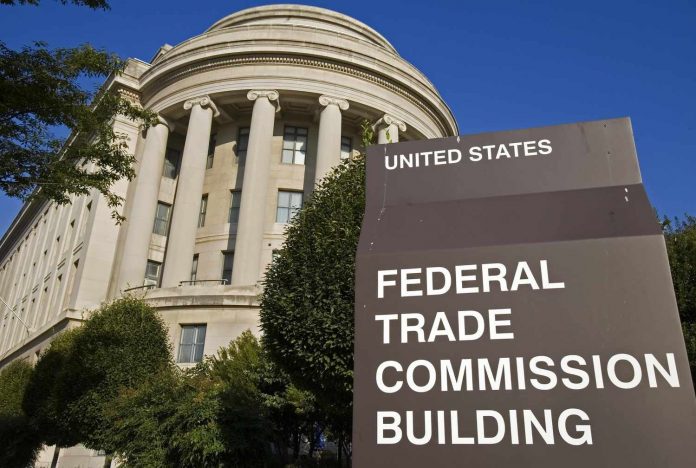
A federal judge in Texas has blocked a proposed rule by the Federal Trade Commission that sought to eliminate noncompete agreements. The rule, which was set to take effect Sept. 4, would have banned agreements that prevent workers from taking jobs with rival employers or starting their own competing ventures for a certain time period. The judge ruled that the FTC does not have the authority to implement such bans, saying the rule is “unreasonably overbroad without a reasonable explanation.” It would have affected about 30 million Americans, the FTC said.

Why this? Labour, our skill, is “Nneka”, supreme in all cases, and  should be free, unbounded and unconstrained,  even as we respect property rights of companies we work for. I think the United States should honour that even as we respect intellectual property rights. It is unfortunate when someone gathers capabilities and cannot utilize the same because of a non-compete clause. You have skills and cannot use the skills to feed yourself because of a document you signed years ago!

Good People, companies should give us certain rights and privileges when we show up at work because WE THE PEOPLE  matter today, and in the future, and not just the “hypothetical competition” which are designed to keep people down. This BLOCK should be reversed!

US Federal Judge Blocks Nationwide Ban on Noncompete Agreements Set to Take Effect in September

0

In a significant legal decision on Tuesday, U.S. District Judge Ada Brown blocked the Federal Trade Commission’s (FTC) nationwide ban on noncompete agreements, which was set to take effect in September.

The ruling came as a response to a lawsuit filed by the Dallas-based tax firm Ryan LLC, the U.S. Chamber of Commerce, the Business Roundtable, and other business groups, who argued that the FTC had overstepped its authority with the proposed ban.

The FTC, in a vote held in April, had moved to prohibit most noncompete agreements, arguing that such clauses prevent tens of millions of employees from leaving their jobs to work for competitors or start their own competing businesses. The ban was seen as a major step toward enhancing worker mobility and economic freedom.

However, the move faced immediate opposition from various business groups that argued the rule would negatively impact their ability to retain talent and protect intellectual property.

Judge Brown’s Ruling

Judge Brown, presiding in Dallas, sided with the plaintiffs, stating that the FTC had indeed overstepped its statutory authority. She labeled the rule as “arbitrary and capricious,” echoing concerns that the agency’s actions extended beyond the limits of its legal mandate.

“This win preserves the validity of millions of employment contracts across the nation that facilitate trust between employers and employees, innovation through the protection of IP, and investment in the training of employees,” said John Smith, Senior Vice President, Chief Legal Officer, and General Counsel for Ryan LLC.

Suzanne P. Clark, President and CEO of the U.S. Chamber of Commerce, hailed the decision as a “significant win” in the Chamber’s ongoing efforts against what she described as government overreach into business practices.

“A sweeping prohibition of noncompete agreements by the FTC was an unlawful extension of power that would have put American workers, businesses, and our economy at a competitive disadvantage,” Clark stated.

The FTC expressed disappointment with the ruling, signaling that the fight is far from over. FTC spokesperson Victoria Graham stated, “We are disappointed by Judge Brown’s decision and will keep fighting to stop noncompetes that restrict the economic liberty of hardworking Americans, hamper economic growth, limit innovation, and depress wages.”

Graham also mentioned that the FTC is seriously considering an appeal of the decision, which would be heard by the Fifth Circuit Court of Appeals if pursued.

In the interim, the FTC remains committed to addressing noncompete agreements through case-by-case enforcement actions. This approach suggests a shift in strategy, as the agency adjusts to the legal challenges that may impede the implementation of a blanket ban.

Contrasting Legal Opinions

The decision in Dallas contrasts with a recent ruling by a federal judge in Philadelphia, who rejected a similar attempt to block the ban. In that case, the judge ruled that the FTC indeed has the authority to “prevent unfair methods of competition in commerce” under the 1914 Federal Trade Commission Act.

This split in judicial opinion highlights the ongoing legal complexities surrounding the FTC’s authority to regulate noncompete agreements.

Josh Robbins, an attorney for ATS Tree Services, a company that previously challenged the ban, expressed satisfaction with Tuesday’s decision.

“This is a great first step and we expect litigation over the ban to continue,” Robbins said, indicating that the legal battles over the FTC’s authority will likely persist.

What’s Next?

If the FTC proceeds with an appeal, the case could set a significant legal precedent regarding the extent of the agency’s regulatory powers. Appeals on district court decisions can be lengthy processes, as evidenced by the still-pending FTC appeal in the Microsoft-Activision Blizzard merger case.

Meanwhile, businesses and employees across the nation remain in a state of uncertainty, as the future of noncompete agreements hangs in the balance.

In the meantime, the FTC is expected to continue challenging noncompete agreements through individual enforcement actions, potentially reshaping the legal status of employment contracts one case at a time.

Kenyan B2B Agritech Logistics Company Twiga Foods Announces Another Round of Layoff, 59 Employees Affected

0

Twiga Foods, a Kenyan B2B Agritech logistics company, has announced another round of layoffs affecting 59 employees. This development is part of a broader strategy under the new CEO, Charles Ballard who took the helm in May 2024.

The company stated that the layoffs are aimed at improving operational efficiencies as it focuses on its path to profitability. The recent reduction of workforce at Twiga is coming only after a year, when the company laid off 283 employees, representing a third or 33% of its 850 workforce as it pushed for a “lean, agile and cost-effective organization.”

Twiga foods cited the decrease in the purchasing power of its users as justification for the most recent round of layoffs and modification in operations. Despite having raised significant capital over the past decade, the company has faced challenges, including financial struggles that led to issues with paying salaries and suppliers, as well as legal battles over unpaid dues.

The company found itself in financial distress, facing a liquidation notice from Incentro Africa Limited over unpaid debts amounting to USD 261,878.75. The recent layoff at Twiga Foods has sparked widespread reactions from Kenyan Netizens as some pointed out that the problem with the company is leadership.

On X, @JengaHustle wrote,

“The issue with Twiga feeds is leadership-based. The company has had significant operational difficulties under previous management, which led to inefficiencies and financial strains. Even after appointing a new CEO and securing additional funding, Twiga Foods continues to face serious challenges, as evidenced by recent layoffs. These redundancies suggest that the company is still struggling to achieve sustainable growth and may be dealing with deeper structural problems”.

Twiga Foods’ failure in Kenya is attributed to several challenges which include overexpansion, financial mismanagement, operational inefficiencies, adverse market conditions, strategic missteps, and legal disputes. While the company’s innovative model showed promise, these critical issues have hindered its ability to sustain growth and profitability.

The former CEO Peter Njonjo had previously noted that the cost of capital for venture-backed startups had risen significantly over the past two years, which has put pressure on companies like Twiga Foods to reassess their business models to remain competitive. 

In March 2024, amidst these growing challenges, Njonjo left his position following a successful $35 million fundraising round through convertible bonds. This development sparked rumors and speculation about the circumstances surrounding his departure, with some insiders suggesting that the former CEO may have been pushed out due to the company’s ongoing difficulties.

Njonjo was replaced by Charles Ballard, an ex-Jumia executive who took over as CEO in May 2024. Ballard in a bid to put the company on a path to profitability stated that the recent layoffs are essential for Twiga to refine its service offerings and build a stronger foundation for long-term growth.

With Ballard joining Twiga Foods, the company aims for continued growth and innovation in the food distribution industry. His diverse background and apt vision make him a highly valuable addition to the company’s leadership team. Ballard’s appointment comes at a time when Twiga Foods targets bolstering Kenya’s agricultural sector.

Notably, despite the recent layoffs, Twiga is also creating 25 new positions within its growth and innovation departments. This move suggests a strategic shift towards areas that the company believes will drive future growth, including stronger partnerships with fast-moving consumer goods (FMCG) manufacturers, logistic efficiencies, and the development of enhanced tech solutions.

State Street Partners with Taurus for its Tokenization Plans, as TON Rises in Value

0

State Street, a titan in the realm of institutional finance, has recently announced a strategic partnership with Taurus, a leader in digital asset infrastructure, to embark on a new venture into the world of tokenization. This collaboration is poised to revolutionize the traditional financial industry by integrating the cutting-edge capabilities of blockchain technology.

Tokenization, the process of converting rights to an asset into a digital token on a blockchain, offers a myriad of benefits, including increased liquidity, faster settlement times, and enhanced security. State Street’s initiative to incorporate tokenization services is a testament to the firm’s forward-thinking approach and its commitment to innovation in the digital asset space.

The partnership with Taurus will enable State Street to leverage Taurus’ expertise in creating and managing tokenized assets, thereby streamlining the issuance and servicing of digital securities and fund management vehicles. This move is particularly significant as it reflects State Street’s ambition to enhance its digital asset solutions and provide an integrated business and operating model that supports the entire digital investment lifecycle.

The landscape of tokenization is rapidly expanding, with a variety of companies entering the space to offer innovative solutions. Tokenization platforms are becoming increasingly popular as they provide a secure and efficient way to digitize assets on the blockchain. Companies like Akemona, NYALA, and Spydra are making strides in capital markets, offering services that cover the full lifecycle of digital assets.

InvestaX is another notable player, providing tokenization as a service with a focus on the Asian market. Enigma Vault and Cadmos Tokenization Platform are also contributing to the ecosystem by simplifying data security and enhancing asset liquidity through tokenization.

Visa has entered the tokenization sector as well, aiming to boost authorization and create new digital commerce experiences. SettleMint, Republic Crypto, and Tokeny are further examples of companies that are facilitating the issuance, allocation, and management of security tokens.

The tokenization movement is not limited to startups and fintech firms; established financial institutions are also participating. For instance, companies like Anchorage Digital Bank NA, BitGo, Coinbase, and Fireblocks are key ecosystem participants supporting the tokenization of real-world assets (RWAs).

State Street’s foray into tokenization is not just a leap into the future of finance but also a strategic response to the evolving regulatory landscape. The firm has been vocal about the need for regulatory clarity and has been actively engaging with regulators to shape a conducive environment for digital assets. The partnership with Taurus is a clear signal of State Street’s readiness to offer digital asset custody once the U.S. regulatory framework becomes more favorable.

The collaboration comes at a time when institutional interest in digital assets is at an all-time high. By adding tokenization and digital custody services to its repertoire, State Street is positioning itself as a leader in this growing asset class. The firm’s decision to partner with Taurus underscores its ongoing commitment to delivering innovative solutions that meet the demands of its clients in the digital era.

As the financial industry continues to evolve, partnerships like the one between State Street and Taurus will likely become more prevalent, paving the way for a more interconnected and technologically advanced financial ecosystem. The implications of such collaborations are far-reaching, promising to redefine the boundaries of what is possible in the realm of finance and investment.

TON outperformed the broader Crypto Market, rising nearly 3% to $6.75

Meanwhile, in the dynamic world of digital assets, strategic partnerships can serve as significant catalysts for growth and innovation. The recent announcement of HashKey’s partnership with TON, the digital asset associated with the popular messaging app Telegram, is a testament to this phenomenon. This collaboration marks a pivotal moment for TON, as it not only resulted in an immediate price surge of nearly 3% to $6.75, but also signifies a broader commitment to expanding the TON ecosystem.

The TON blockchain, originally conceived by Telegram, has undergone a remarkable transformation since its inception. After facing regulatory challenges, the project was adopted by the community and has since flourished under the stewardship of the TON Foundation. The partnership with HashKey Group, a prominent digital asset financial services provider in Asia, is poised to further enhance TON’s offerings, particularly in the realms of Web3 and GameFi development.

The Open Network (TON), as it is now known, has evolved into an independent entity, with its own set of developers and contributors who have taken the original vision of Telegram and propelled it into a new era. The endorsement from Telegram’s CEO, Pavel Durov, has further bolstered the credibility of TON, leading to a notable increase in the value of its native token, Toncoin.

Moreover, the formation of TON Ventures, a venture capital fund dedicated to investing in consumer applications built on the TON blockchain, signifies the ecosystem’s maturity and readiness for mainstream adoption. With an initial capital of $40 million, TON Ventures aims to catalyze the development of applications with mass appeal, further expanding the reach and utility of the TON blockchain.

The comparison of TON with other blockchains highlights its focus on user-friendliness and mass adoption. Its design caters to the needs of Telegram’s vast user base, aiming to onboard billions into the blockchain space with its user-centric approach.

The focus of the partnership, initially centered on Hong Kong, aims to facilitate easier access to cryptocurrency transactions for Telegram users, especially in the Asia-Pacific region. This strategic move is expected to drive crypto on-ramping, thereby bolstering the TON ecosystem’s utility and reach. The collaboration also underscores the growing interest in GameFi, a sector that combines gaming with decentralized finance, offering a new paradigm for digital entertainment infrastructure.

Here are some of the key features that set TON apart:

TON’s unique multi-blockchain architecture allows for exceptional scalability, enabling the network to handle a growing number of transactions and applications efficiently. With its advanced infrastructure, TON can process high volumes of transactions, which is crucial for widespread adoption and functionality.

Utilizing a PoS consensus mechanism, TON enhances the network’s efficiency and security, making it more environmentally friendly compared to traditional proof-of-work systems. TON leverages sharding technology, which allows blockchains to split and merge based on the load, further improving the network’s scalability. The network includes distributed file storage technology and a network proxy/anonymizer layer, providing users with additional security and privacy options.

HashKey’s decision to partner with TON is rooted in the blockchain’s rapid growth and the increasing number of developers contributing to its ecosystem. The partnership is a clear indication of the confidence in TON’s potential to foster a thriving environment for both developers and users alike. With the support of HashKey, TON is set to embark on a journey of accelerated growth and innovation, further solidifying its position in the competitive landscape of digital assets.

As the TON blockchain continues to evolve, the partnership with HashKey Group represents a significant milestone in its journey. It is a collaboration that promises to unlock new possibilities and drive the adoption of digital assets within the Telegram community and beyond. The rise in TON’s value following the partnership announcement is just the beginning of what could be a transformative period for the TON ecosystem and its stakeholders.

Flutterwave Introduces American Express Payment Option for Nigerian Merchants

0

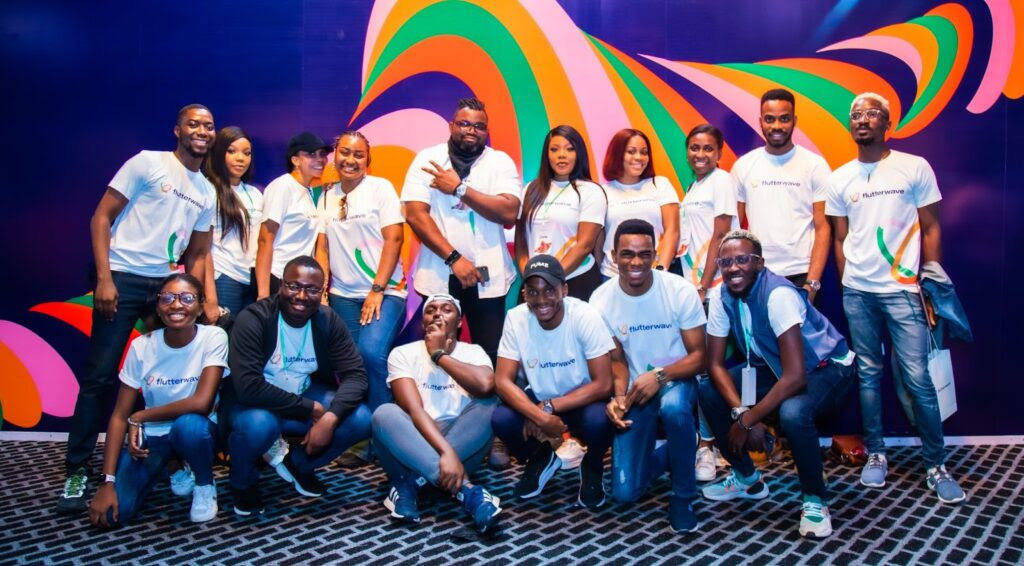
Flutterwave, one of Africa’s leading Fintech companies, has announced a significant development that will broaden payment options for its online merchants in Nigeria.

The company has integrated American Express into its payment platform, allowing Nigerian merchants to accept payments from American Express cardholders.

This development is poised to have a substantial impact by facilitating smoother transactions with international customers and enhancing the global reach of Nigerian businesses. Also, Flutterwave has announced that this feature will be available to merchants in several other African countries which include Tanzania, Rwanda, Ghana, and Uganda, in the near future.

Speaking on this collaboration, Flutterwave CEO and Founder, Olugbenga Agboola said,

“At Flutterwave, we’re always looking for ways to connect the world to Africa through payments. This is one of our initiatives to ensure that more people across the world can pay using Flutterwave in Africa. We understand the value of providing shoppers with payment methods that work for them, as well as helping businesses to expand their customer bases.

“This collaboration also provides more options of where to shop and what to buy to American Express cardholders across the globe. By offering American Express as a method of payment, Flutterwave will make the payment process faster and simpler for American Express card holders, and improve the experience for e-commerce businesses using Flutterwave, helping them to start locally and sell globally.”

Also speaking, the Vice President and General Manager of Global Network Services EMEA at American Express, Briana Wilsey said,

“American Express continues to expand in Africa to enable greater payment choices for businesses and consumers. Through the agreement with Flutterwave, a trusted payment provider, we are giving e-commerce merchants in Nigeria the opportunity to reach American Express Card Members around the world. The collaboration is a win-win because it also increases the number of places where our Card Members can use their Cards in Nigeria.”

Flutterwave collaboration with American Express will facilitate online transactions and offer a range of benefits for both merchants and online shoppers. These includes;

• Flutterwave merchants can attract business from a new customer base of American Express Card Members in Africa and around the world. This includes consumers with personal cards and spenders with business or corporate products. Terms and conditions apply.

• For shoppers, there is more choice when it comes to being able to select their preferred method of payment when transacting with Flutterwave merchants. This collaboration strengthens the American Express global network and increases the number of locations across Africa that can be used by American Express Card Members to purchase a range of different goods and services.

The integration of American Express into Flutterwave’s platform is expected to simplify cross-border transactions. Nigerian merchants will now find it easier to engage with international customers who prefer to use their Amex cards. This can lead to increased sales and revenue, as the barrier to accepting payments from a global clientele is significantly reduced.

Additionally, this development aligns with Flutterwave’s broader strategy of fostering financial inclusion and making it easier for African businesses to participate in the global economy. By facilitating seamless payments from international customers, Flutterwave is helping Nigerian businesses expand their footprint beyond local markets.