

DD
MM
YYYY

PAGES

DD
MM
YYYY

spot_img

PAGES

Home Blog Page 3046

Implications of Russia’s Potential Block on Google, iOS, and Android

0

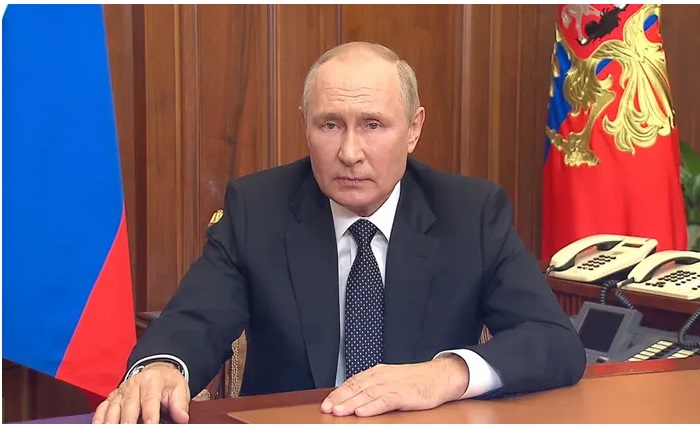
In a move that could significantly alter the digital landscape, Russia is considering a ban on major Western technology platforms, including Google, iOS, and Android. This decision is part of a broader strategy to assert digital sovereignty and reduce reliance on Western technology. The implications of such a ban are far-reaching and multifaceted, affecting not only the tech industry but also the everyday lives of Russian citizens.

The potential ban could have profound economic repercussions. Google, iOS, and Android are integral to the global tech ecosystem, and their absence could disrupt the market for both consumers and businesses. Companies that rely on these platforms for their operations may face significant challenges, potentially leading to financial losses and a need to seek alternative solutions.

Moreover, the ban could accelerate the development of domestic technologies as Russia seeks to fill the void left by these platforms. This could foster innovation within the country but may also lead to isolation from the international tech community.

On a social level, the ban could impact the way information is accessed and shared. With platforms like YouTube experiencing slowdowns and potential unavailability in Russia, the flow of information could be stifled. This raises concerns about access to diverse perspectives and the free exchange of ideas, which are essential for a healthy, informed society.

Some Russians are adapting to the new digital reality by seeking out alternative platforms and technologies. This resilience reflects a long history of navigating state-imposed restrictions. The potential ban has accelerated the adoption of domestic services and platforms, which are seen as viable substitutes for their Western counterparts.

Culturally, the absence of these platforms could lead to a shift in digital consumption habits. As alternatives are sought, there may be a rise in the popularity of domestic platforms, which could influence the cultural landscape and the type of content that is produced and consumed.

Legally, the move underscores the tension between national laws and international human rights standards. The fines imposed on Google and TikTok for failing to remove banned content highlight the challenges tech companies face in navigating different regulatory environments.

However, there is also a palpable concern over the increased surveillance and censorship that comes with the government’s tightening grip on the digital space. Activists and journalists, in particular, have faced detentions and fines, highlighting the risks associated with voicing dissent or simply being under the watchful eye of pervasive security systems.

Politically, the ban reflects the ongoing power struggle between Russia and Western nations in the digital domain. It is a clear statement of intent to preserve control over the digital space within Russia’s borders, which could have wider implications for international relations and cyber diplomacy.

Amidst these developments, a segment of the population continues to advocate for digital freedom and access to global platforms. They argue that such access is crucial for a connected and informed society, and they resist measures that threaten to isolate Russia from the international community.

The potential blocking of Google, iOS, and Android by Russia is a complex issue with implications that extend beyond the immediate technological concerns. It touches on economic stability, social dynamics, cultural expression, legal challenges, and political power plays. As the situation evolves, it will be crucial to monitor the responses from both the affected tech giants and the international community.
Musk X is Gearing up Plans to Launch Its Peer-to-Peer Payment Service

0

Elon Musk-owned social media platform X, formerly known as Twitter, is reportedly gearing up plans to launch its payment service in 2024.

According to independent app researcher Nima Owji who made this disclosure on X with an image attachment, he revealed that the company is working on adding a “Payments” button to the navigation bar under the bookmarks tab.

In a chat with Techcrunch, Owji said that he found references for new payment features, such as “transactions, balance, and transfer.” The latest findings are in line with Musk’s plan to launch the payment feature in mid-2024.

Musk had earlier made this disclosure during a conversation with Cathie Wood of ARK Invest at an X space event in December 2023, in which he noted that he expects the payment services to be fully launched by the “middle of next year” (2024), pending the approval of several money transmitter license applications. Musk said he hoped to have launched payments on the social media platform sooner but had been weighed down by bureaucratic processes.

This new proposed feature will allow peer-to-peer payments, similar to services like Venmo or PayPal, which is part of Elon Musk’s vision to transform X into an “everything app”.

The platform has already obtained money transmitter licenses in a significant amount of U.S. states, a necessary step to process payments legally. This move marks X’s foray into the fintech space, aiming to compete with established players like Apple, and Google, amongst others. The company envisions a future where financial transactions are seamlessly integrated into a social media app.

By adding a peer-to-peer payment service on X, Musk seeks to achieve several key objectives;

1. Enhanced User Engagement: Integrating financial transactions with social media can increase user engagement by allowing users to handle more aspects of their daily lives within a single app. This aligns with Musk’s vision of making X a platform where users can manage social interactions, financial transactions, and other activities seamlessly.

2. New Revenue Streams: The payment service opens up new opportunities for revenue generation through transaction fees, partnerships, and other financial services. This can help diversify X’s income sources beyond advertising.

3. Competitive Edge: By entering the fintech space, X can compete with established players like PayPal, Apple, and Google. Offering integrated payment services can make X more attractive to users who prefer a one-stop solution for both social media and financial needs.

While the launch of a payment service is underway, Musk has dampened expectations regarding the immediate integration of cryptocurrency into X’s payment services.

As X navigates this new territory, users are closely observing how the platform will leverage its technological prowess to innovate within the financial sector. The company’s ability to integrate financial services with its existing offerings could create a seamless user experience that further solidifies its market position.

The Lesson from US Court Ruling on Google Search and Monopoly

1

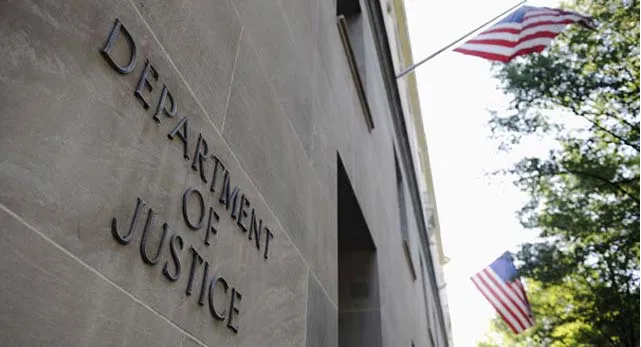
The ruling: “After having carefully considered and weighed the witness testimony and evidence, the court reaches the following conclusion: Google is a monopolist, and it has acted as one to maintain its monopoly,” US Judge Mehta stated. “It has violated Section 2 of the Sherman Act.”

In the wake of a federal court’s landmark antitrust ruling against Google, competing tech giants stand to gain a foothold in the search industry that could reap big returns, writes The Wall Street Journal. One potential remedy could involve ending Google’s multibillion-dollar deals with Apple, Samsung and others to be their default search engine. LinkedIn parent Microsoft’s Bing, for instance, stands to make billions if users switch. AI developments have already begun to alter how users use search, and recent deals, including the collaboration between OpenAI and Apple, could mark a sea change for the industry. (LinkedIn News)

In the 19th century, railroads played a pivotal role in shaping the American economy, with intense competition and financial struggles characterizing the industry. However, this era also saw the rise of monopolies like Standard Oil, which revolutionized the oil industry through efficient production and transportation methods. The Panic of 1873 further exacerbated economic challenges, leading to significant repercussions for both businesses and consumers. In response to concerns about monopolistic practices, the Sherman Antitrust Act was introduced in 1890 to regulate anti-competitive behavior and promote fair competition. Fast forward to today where tech utilities dominate.

Here is the deal: Google won search  via innovation and has the rights to capture all the associated goodies on innovation. But Google should not and must not use contracts to keep its dominance on search. In other words, paying Apple about $20 billion to have Google as its default in its browser is not fair and balanced, not just for the competitors, but also for users.

In the Igbo Nation, these proverbs – “whenever one wakes up is his own morning” and “your  beginning starts whenever you’re ready” – are absolute on competition. That you pioneered a category does not mean another person cannot begin from where you have stopped. This ruling is something the African Union and ECOWAS courts could consider, making a determination if there are potential illegalities in the African tech space, especially when it comes to exclusive contracts by and with foreign and local companies.

Simply, I support the Call of the US Court.

US Judge Rules Google “A Monopolist” – Potentially Breaking Its Dominance, with Wider Impact on Apple and Mozilla  

Exploring Taiwan’s Stock Market Crash

0

The Taiwan stock market recently experienced a significant downturn, with the Taiex index plummeting 8.4%, marking its worst one-day decline in history. This event has drawn comparisons to the infamous Black Monday of 1987, a day that is etched in the memories of investors worldwide as one of the most catastrophic in global financial history.

The crash was primarily attributed to concerns over the U.S. economy and the broader tech sector, which sparked a massive sell-off. Taiwan Semiconductor Manufacturing Co. (TSMC), a leading player in the tech industry, saw its shares plunge by 9.8%, contributing significantly to the market’s fall. This downturn reflects the interconnectedness of global markets and the impact of investor sentiment on market stability.

The repercussions of the crash were felt across Asia, with other markets also experiencing significant declines. The events underscore the vulnerability of tech-heavy indices in times of economic uncertainty and the rapid shift in investor sentiment from optimism around artificial intelligence and technology to caution due to fears of a U.S. recession and disappointing earnings outlooks.

The Taiwanese Finance Ministry has indicated that it will closely monitor developments in both domestic and overseas markets, suggesting a readiness to intervene if necessary to stabilize the market. This response highlights the role of government and regulatory bodies in managing market volatility and protecting investor interests.

Moreover, the crash could influence regulatory policies and government intervention in financial markets. Authorities may implement measures to enhance market stability and prevent such drastic declines. This could include stricter regulations on trading practices and more robust mechanisms for market surveillance.

Another long-term implication is the potential shift in the strategic positioning of companies within the tech industry. Firms may prioritize resilience and adaptability to navigate uncertain economic landscapes, possibly accelerating innovation and the development of new technologies.

Finally, the crash serves as a reminder of the interconnectedness of global economies. Events in one market can have ripple effects across borders, affecting economies and investors worldwide. This underscores the importance of global cooperation and communication among financial institutions and regulatory bodies to manage market dynamics effectively.

As the dust settles, analysts and investors alike are keenly observing the market for signs of recovery or further decline. The recent crash serves as a reminder of the risks inherent in stock market investments, particularly in sectors like technology that are subject to rapid changes and external economic influences.

The long-term implications of Taiwan’s stock market crash are multifaceted and could have a lasting impact on the global economy. The immediate effect was a significant loss of market value, particularly in the technology sector, which is a critical component of Taiwan’s economy. The crash also highlighted the vulnerability of global markets to shifts in investor sentiment and economic conditions.

Looking ahead, the crash may lead to increased volatility in the short term as investors reassess their risk tolerance and portfolio strategies. In the longer term, it could prompt a reevaluation of investment in tech-heavy markets, potentially leading to a diversification of assets to mitigate similar risks in the future.

NNPC Urges Dangote Refinery to Secure Its Own Feedstock Amid Economic Sabotage Allegations

0

In his address to the Senate Ad-Hoc Committee investigating alleged economic sabotage in Nigeria’s petroleum industry, Mele Kyari, the Group Chief Executive Officer of the Nigerian National Petroleum Company (NNPC) Limited, emphasized the importance of self-sufficiency in the refining business – urging Dangote Refinery to secure its own feedstock.

Speaking at the National Assembly, Kyari clarified NNPC’s stance and operational principles, asserting that the company has adhered to all legal guidelines and should not be implicated in claims of economic sabotage.

Kyari outlined the fundamental principles of the refining business, stating, “Refining business is a straightforward business. You must secure (a source for) your feedstock and you must find a market.”

This statement, directed at the Dangote Refinery, underlines the rule for refineries to independently secure their crude oil supply and establish a market for their products.

Kyari stressed that NNPC has not engaged in any actions to undermine domestic refineries. “We have done nothing to sabotage any domestic refinery,” he asserted, reinforcing that the law mandates a willing buyer and a willing seller in domestic crude oil supply obligations.

Background: Dangote Refinery’s Faceoff with NMDPRA

The backdrop to these statements includes recent revelations by Aliko Dangote, Chairman of the Dangote Group, who disclosed that international oil companies in Nigeria were reluctant to supply crude oil to the Dangote Refinery. These companies prefer to export crude oil for foreign exchange earnings, posing a challenge to the refinery’s operations.

Dangote also alleged that some people in the NNPC have blending plants in Malta, and are importing substandard petrol into Nigeria.

The allegation created tension between Dangote Refinery and the NNPC, resulting in an uproar from the Nigerian public.

The tension between Dangote Refinery and the NNPC is part of a larger backdrop of disputes involving the Nigerian Midstream and Downstream Petroleum Regulatory Authority (NMDPRA). This faceoff escalated last month when Dangote Refinery accused the NMDPRA of obstructing the refinery’s operations.

In response, the NMDPRA accused the Dangote Group of refining substandard oil products. This back-and-forth escalated into a public spat, with both sides exchanging accusations of sabotage and regulatory non-compliance.

Addressing the Allegations

Responding to allegations of economic sabotage and the importation of sub-standard products, Kyari categorically denied NNPC’s involvement. He clarified that regulatory agencies are responsible for ensuring the quality of imported products, and NNPC complies with these regulations.

Kyari also supported calls for live broadcasts of the Committee’s sessions to ensure transparency and prevent misinformation, pledging full cooperation with the investigation.

He highlighted significant challenges facing Nigeria’s petroleum sector, including crude oil theft, pipeline vandalism, and insufficient investment in the upstream sector. Despite these challenges, he noted that Nigeria possesses the infrastructure to produce two million barrels of crude oil per day. However, the NNPC boss acknowledged that addressing these issues is crucial for maximizing the sector’s potential and ensuring the stability and growth of Nigeria’s economy.

Economic Sabotage: Count Us Out

Kyari firmly stated that NNPC has not breached any enabling laws guiding its dealings with partners and, hence should be excluded from any claims of economic sabotage. He reiterated the basic principles of the refining business, underscoring the importance of securing a feedstock source and finding a market, which applies universally to any refinery.

On the alleged importation of sub-standard products into the country, Kyari said the NNPC Limited has nothing to do with that, as the relevant regulatory agencies would not allow any sub-standard product into the country by law.

He affirmed NNPC Limited’s loyalty and commitment to Nigeria, asserting that the company remains in line with the provisions of the Petroleum Industry Act (PIA), the Company & Allied Matters Act (CAMA), and other enabling laws and regulations governing the nation’s energy industry.

“We are faithful, loyal, and committed to the progress and development of this country. It is our duty to protect the overall interest of this great nation. We are not in breach of any rules,” he affirmed, emphasizing NNPC’s role in ensuring the stability and growth of Nigeria’s petroleum industry.