DD
MM
YYYY

PAGES

DD
MM
YYYY

spot_img

PAGES

Home Blog Page 3072

Tekedia Capital Welcomes Fintellia, Maker of Udara360 Core Banking Application

0

As a young man, I began my professional career supporting HP 9000 server series running on Unix. I would leave my house in Ikeja at 4.30am to be at work in VI at 5.30am so that the system would have enough time to come up. To do that job, you needed a decent knowledge of the Unix operating system.

Once the server was up and running, you needed to issue Oracle commands to bring banking services up so that branches could serve customers. Then, if the network has an issue, you must know certain Cisco commands to troubleshoot before the hardware team could help. It was an amazing job; truly a great experience.

The Unix, the Oracle, the amalgam of systems were built to power one software – Flexcube, a core banking solution. So, when I met these wickedly brilliant founders building a core banking application in Nigeria, I became a friend. They have more than a dozen microfinance banks in them, and they’re growing rapidly. Fintellia’s Udara360 is the African Flexcube and Tekedia Capital is excited to be supporting them.

If you have a microfinance bank or fintech anywhere in Africa, and need an efficient and scalable core banking application, you have it. The fees are small and we have the support of Amazon to even reduce your costs.

As that happens, help me welcome Fintellia Technologies Limited to Tekedia Capital. Udara360 (yes, udara, the Igbo name for African apple. What a name!). Taste the apple of core banking software with Udara360 and grow your banking operations! Connect with CEO Samuel Ukpong

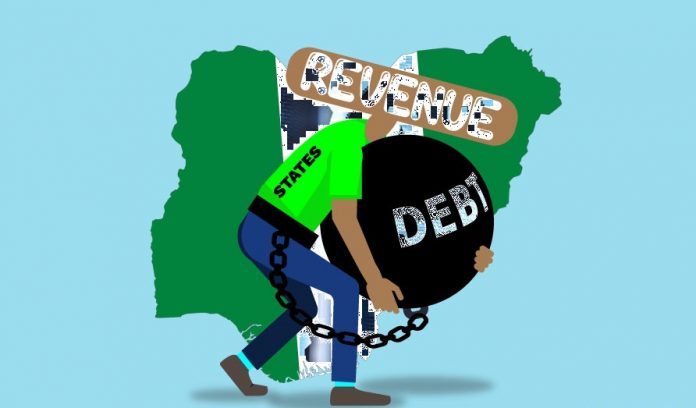
Nigeria’s Debt Crisis: Debt Servicing Gulps 74% of Revenue in Q1 2024

0

In a revealing disclosure from the Central Bank of Nigeria (CBN), the nation’s escalating public debt has been shown to have gulped a significant portion of the revenue generated in the first quarter of the year. The latest quarterly statistical bulletin of the apex bank paints a stark picture of the growing fiscal crisis, with debt service costs consuming a staggering 74% of the federal government’s retained revenue.

In the first quarter of 2024, the federal government recorded a retained revenue of N1.76 trillion. However, a significant portion of this revenue, N1.31 trillion, was directed towards servicing existing debts. This allocation of funds to debt servicing, although comprising 74% of the government’s revenue, accounted for only about 29% of total expenditures for the period.

While the retained revenue saw a 33.8% increase from N1.32 trillion in the same period in 2023, government expenditures simultaneously decreased by 12.9%, from N5.28 trillion to N4.59 trillion. This reduction in spending, alongside a 29% decrease in fiscal deficit—from N3.96 trillion to N2.83 trillion—reflects the government’s attempts to tighten its fiscal belt in response to mounting debt pressures.

The Real Cost: Impact on Development and Public Services

Despite these measures, the high percentage of revenue dedicated to debt servicing remains a critical concern. The reduced fiscal space means less funding is available for essential development projects and public services.

The federal government’s spending priorities further shed light on this issue. In Q1 2024, personnel costs amounted to N1.15 trillion, a 17.1% increase from the previous year. In stark contrast, capital expenditure plummeted by 35.9% to N1.15 trillion from N1.8 trillion in Q1 2023. This significant reduction in capital expenditure suggests a troubling trend of underinvestment in infrastructure and other long-term development projects essential for economic growth.

Capital expenditure is the backbone of sustainable development, driving economic growth and improving public welfare. The reduction in this area signals a potential slowdown in Nigeria’s developmental progress, posing risks to the overall health of the economy.

Debt Service Overruns and Fiscal Sustainability

Nigeria spent N7.8 trillion to service its debt obligations in 2023—a 121% increase compared to N3.52 trillion in 2022. This surge in debt servicing costs is not just a reflection of increased borrowing but also the rising cost of debt, driven by external factors such as fluctuating exchange rates and global economic conditions.

In the first quarter of 2024 alone, Nigeria spent about $1.12 billion on foreign debt service payments, highlighting the growing burden of external debt on the nation’s finances. This figure marks a significant increase from $801.36 million in Q1 2023. Between January and March 2024, Nigeria allocated approximately 70% of its dollar payments to servicing external debts, a substantial rise from 49% in Q1 2023.

Experts Concerns Highlight the Need for Economic Reforms

The international community has not overlooked these developments. The World Bank has expressed profound concern over the escalating debt service costs burdening developing countries.

Indermit Gill, the World Bank’s Chief Economist, and Senior Vice President, noted the potential for a widespread financial crisis if immediate and coordinated actions are not taken. Gill warned that the combination of record-level debt and soaring interest rates could set many developing nations, including Nigeria, on a precarious path toward economic distress and difficult resource allocation decisions.

Analysts have also noted that the high debt service to revenue ratio reflects ongoing fiscal challenges and highlights the urgent need for strategic economic reforms in Nigeria.

Enhancing revenue generation and reducing dependency on borrowed funds have been advocated as crucial steps toward achieving fiscal sustainability. Also, the government has been advised to balance immediate fiscal needs with sustainable economic planning to ensure that debt servicing does not continue to overshadow development goals.

The latest figures from the Debt Management Office (DMO) reveal a significant increase in Nigeria’s total public debt, which stood at N121.67 trillion (approximately $91.46 billion) as of March 31, 2024. This represents a substantial increase from N97.34 trillion (approximately $108.23 billion) at the end of 2023, driven primarily by naira devaluation.

While economists have not condemned borrowing, they note that the challenge lies in managing this debt effectively to foster long-term economic stability and growth. This is against the backdrop of concerns that Nigeria is borrowing for consumption, and a significant portion of the funds borrowed get looted.

Alphabet Tops List of 100 Tech Companies Globally

0

In a study conducted by Coveragely, Alphabet, the parent company of Google, secured the top position in the 2024 global rankings of the top 100 tech companies.

The company’s leadership in various sectors, including search, advertising, cloud computing, and Artificial Intelligence, solidified its standing at the forefront of technological advancements. The study covered metrics such as net asset values, market capitalization, annual revenue, operating margins, and employees, noting their resilience despite global economic fluctuations.

Alphabet had a remarkable financial performance, with a net asset value of $293 billion the highest globally, and a market capitalization of $2.28 trillion. The tech giant had an annual revenue of $318 billion, coupled with an operating margin of 25.49%.

The company’s total assignments are valued at $407 billion, with liabilities of $115 billion. Additionally, its workforce of 180,900 employees each generates $1.8 million in revenue, ensuring operational efficiency and productivity.

According to recent Reuters report, Alphabet is on the verge of announcing a 14% rise in its quarterly revenue in 2024, revealing its fourth straight quarter of double-digit growth. The report is expected to provide deeper insights into the adoption of AI services and the escalating costs associated with the advanced technology.

While Alphabet continues to thrive, the overall rankings reflect a dynamic and competitive global tech environment. American multinational corporation and technology company, Microsoft which occupied the second position, holds the title of the world’s most valuable company with a market capitalization of $3.37 trillion.

The company generates $237 billion in annual revenue, and has an operating margin of 42.14%, with the ability to efficiently convert revenue into profit. Microsoft’s total assets are valued at $484 billion, with net assets of $253 billion and liabilities of $231 billion. Each of its 221,000 employees generates $1.1 million in revenue, highlighting its workforce’s productivity.

Samsung, a global leader in electronics and technology, recognized for its cutting-edge developments in smartphones, consumer electronics, and semiconductor technologies,  ranks third with a market capitalization of $386 billion and an annual revenue of $201 billion.

Despite having a lower operating margin of 11.51%, Samsung maintains good financial health with net assets valued at $276 billion and total assets. Of $350 billion. Its 270,000 employees each contribute $0.7 million in revenue annually, pointing to the company’s large-scale operations and workforce productivity.

Amazon continues to dominate with its e-commerce platform, with a market capitalization of $2 trillion and the highest global revenue of $591 billion annually. However, its profitability is challenged by a negative operating margin of -1.15%. Amazon holds the highest total assets globally at $531 billion, with net assets of $217 billion and liabilities of $314 billion. As the largest global employer with 1.525 million employees, Amazon significantly influences the job market, though its revenue per employee stands at $0.4 million, lower than some competitors.

Meta Platforms, the parent company of Facebook, ranks fifth with a market capitalization of $1.3 trillion and $143 billion in annual revenue. The company has an operating margin of 23.79%, its total assets are valued at $223 billion, with net assets of $150 billion and liabilities of $73.3 billion. Meta’s 69,300 employees each generate $2.1 million in revenue, positioning them among the most productive globally.

The top tech companies of 2024 reveal exceptional financial strength, innovation, and productivity, driving towards huge technological evolution. Strategic investments, efficient management of assets and liabilities, and the ability to generate revenue and profit tell us of continuous strength in ensuring the tech industry continues to scale.

See The List of The Top 100 tech companies:

  1. Alphabet (Google)
  2. Microsoft
  3. Samsung
  4. Amazon
  5. Meta Platforms
  6. Alibaba
  7. Apple
  8. TSMC
  9. Tencent
  10. Intel
  11. NVIDIA
  12. Broadcom
  13. Tesla
  14. Salesforce
  15. AMD
  16. Foxconn
  17. Sony
  18. SAP
  19. Cisco
  20. Micron Technology
  21. Jingdong Mall
  22. SK Hynix
  23. Baidu
  24. Analog Devices
  25. Pinduoduo
  26. Schneider Electric
  27. Panasonic
  28. SMIC
  29. Fiserv
  30. QUALCOMM
  31. IBM
  32. Netflix
  33. Xiaomi
  34. Canon
  35. Nokia
  36. Meituan
  37. Global Payments
  38. Hewlett Packard Enterprise
  39. PayPal
  40. Intuit
  41. Applied Materials
  42. ASML
  43. Keyence
  44. Block
  45. Texas Instruments
  46. LG Electronics
  47. Infineon
  48. Adobe
  49. NetEase
  50. Fidelity National Information Services
  51. Roper Technologies
  52. Nintendo
  53. Naver
  54. Murata Manufacturing
  55. Trip.com
  56. STMicroelectronics
  57. DiDi
  58. Marvell Technology Group
  59. Uber
  60. Renesas Electronics
  61. Mobileye
  62. NEC Corp
  63. TE Connectivity
  64. Equinix
  65. MediaTek
  66. Lufax
  67. AspenTech
  68. Oracle
  69. Tokyo Electron
  70. United Microelectronics
  71. GlobalFoundries
  72. Ericsson
  73. Kakao
  74. ServiceNow
  75. ASE Group
  76. NXP Semiconductors
  77. Lam Research
  78. Shopify
  79. Dassault Systèmes
  80. Twilio
  81. Arista Networks
  82. Airbnb
  83. Adevinta
  84. ASUS
  85. Workday
  86. Coinbase
  87. Delta Electronics
  88. ON Semiconductor
  89. Synopsys
  90. Zoom
  91. Coherent
  92. Electronic Arts
  93. Arm Holdings
  94. DoorDash
  95. CoStar Group
  96. Garmin
  97. Rakuten
  98. Sea (Garena)
  99. Kuaishou Technology
  100. Microchip Technology

European Union Imposes Anti-Dumping Duties on Sweeteners from China

0

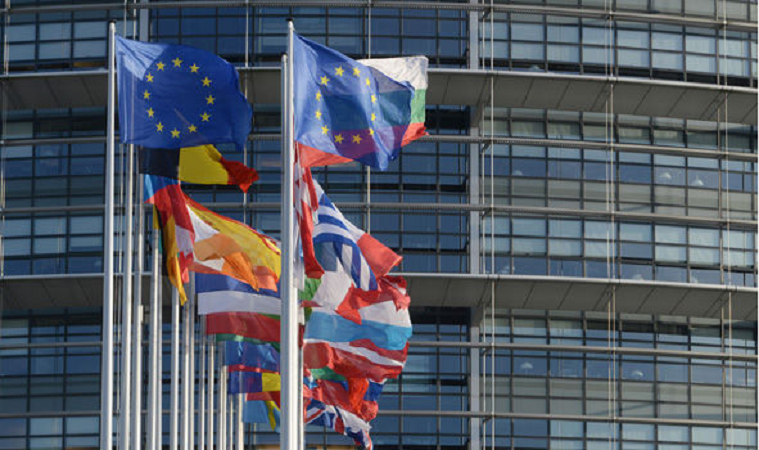
In a move to protect its domestic industries, the European Union (EU) has recently imposed anti-dumping duties on imports of certain sweeteners originating from China. This decision is part of a broader strategy to combat what the EU perceives as unfair trade practices that can distort the market and undermine local producers.

Anti-dumping duties are tariffs that a domestic government can impose on foreign imports that it believes are priced below fair market value. In this case, the EU’s measures are a response to concerns that Chinese manufacturers are selling sweeteners in the EU market at prices that undercut those of European producers, potentially harming the local industry.

Specifically, the measures affect imports of aspartame, a low-calorie sweetener commonly used in sugar-free products. Additionally, investigations have been opened concerning lysine, an amino acid used as a feed additive, and vanillin, an organic compound that is a key component of vanilla bean extract.

These sweeteners are integral to various industries, not just in food production but also in pharmaceuticals and agriculture. The EU’s decision to impose anti-dumping duties on these imports reflects its commitment to protecting domestic markets from unfair trade practices that can undermine local producers.

The implementation of these duties follows a rigorous investigation process. The EU Commission, having regard to the Treaty on the Functioning of the European Union and Regulation (EU) 2016/1036 on protection against dumped imports from countries not members of the EU, initiated an anti-dumping proceeding based on a complaint lodged by the European Titanium Dioxide Ad Hoc Coalition. The product subject to registration is titanium dioxide, which is used in the production of sweeteners, among other things.

The duties currently in force range from 15.5% to 38.1%, targeting both sampled exporting producers and non-sampled cooperating companies, with a higher duty rate applied to imports from all other companies in China. This tiered approach reflects the EU’s commitment to a fair and balanced trade policy, ensuring that companies that cooperate with the investigation process are not unduly penalized.

The EU’s decision to extend anti-dumping measures on sweeteners from China is not without precedent. In the past, similar measures have been imposed on other products, such as steel and aspartame, to counteract dumping and its effects on the EU market.

Anti-dumping duties are not a new tool in the EU’s trade policy arsenal. They have been used in the past to address similar issues with various products, reflecting the EU’s commitment to maintaining a level playing field for all market participants. The recent measures on sweeteners, specifically, highlight the EU’s vigilance in monitoring trade flows and its readiness to take action when needed.

The decision to impose these duties was not taken lightly. It involved a detailed analysis of the market situation and the impact of the imported sweeteners on the EU’s producers. The duties are set at rates that aim to restore fair trade conditions, thereby enabling EU producers to compete on equal terms with their international counterparts.

The imposition of anti-dumping duties is a clear signal that the EU is willing to take decisive action to protect its economic interests. It also serves as a reminder of the importance of adhering to fair trade practices and the potential consequences of failing to do so. For businesses involved in the import and export of affected products, staying informed and compliant with these regulations is crucial.

As the global trade landscape continues to evolve, the EU’s measures highlight the ongoing challenges and complexities of maintaining a balanced and equitable international trade system. It remains to be seen how these duties will impact the trade relationship between the EU and China, and whether they will lead to a resolution of the underlying issues or further trade disputes.

Blockchain Electioneering is Going to Change Political Participation Globally

0

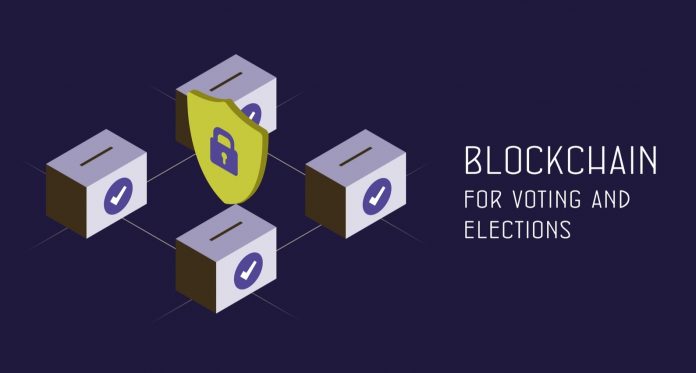
The advent of blockchain technology has ushered in a new paradigm in various sectors, and its impact on the electoral process is poised to fundamentally transform political participation across the globe. Blockchain electioneering is not just a theoretical concept but a burgeoning reality that has the potential to redefine the democratic process by enhancing security, transparency, and accessibility.

The Essence of Blockchain in Elections

At its core, blockchain is a decentralized ledger that records transactions across multiple computers in such a way that the registered transactions cannot be altered retroactively. This feature of blockchain is particularly advantageous for electioneering, as it can help prevent common electoral malpractices such as vote tampering and fraud. The immutable nature of blockchain ensures that once a vote is recorded, it cannot be changed, thus safeguarding the integrity of the electoral process.

Countries around the world are exploring the integration of blockchain into their voting systems. Estonia, a pioneer in e-governance, has been using blockchain for its e-voting system since 2005, resulting in increased voter turnout and reduced electoral costs. Such examples provide a blueprint for other nations seeking to modernize their electoral systems.

Blockchain electioneering holds the promise of mobilizing new electorates by making the voting process more accessible. Traditional barriers that prevent certain demographics from voting, such as remote location or physical disabilities, can be overcome through blockchain-enabled remote voting. This could lead to an increase in voter participation, giving a voice to those who have been historically marginalized in the political process.

Moreover, the transparency afforded by blockchain could lead to a reduction in election-related violence and disputes. With a clear and verifiable record of votes, the legitimacy of election results can be established, potentially reducing the political tension and legal proceedings that often follow closely contested elections.

Challenges and Considerations

Despite the clear benefits, the adoption of blockchain in electioneering is not without challenges. Technical hurdles, regulatory frameworks, and public acceptance are significant factors that must be addressed. Additionally, concerns about the digital divide and ensuring equal access to the necessary technology are paramount to avoid disenfranchising voters.

To mitigate these risks, it is essential to implement robust security protocols, conduct regular audits, and ensure that all individuals with access to election systems are thoroughly vetted and monitored. Additionally, educating voters on the importance of securing their devices and being vigilant against cyber threats is vital.

While blockchain has the potential to enhance the security and integrity of elections, it is not a panacea. Recognizing and addressing the security risks associated with blockchain in elections is a critical step towards realizing its full potential in the democratic process. Collaborative efforts between technologists, election officials, and cybersecurity experts are necessary to develop and maintain secure blockchain-based voting systems that can withstand the evolving landscape of cyber threats.

As we look to the future, blockchain electioneering represents a significant step forward in the evolution of democratic processes. By leveraging the strengths of blockchain technology, elections can become more secure, transparent, and inclusive. This technological innovation has the potential to revitalize global political participation, ensuring that every vote counts, and the will of the people is accurately reflected in electoral outcomes.

Blockchain Supremacy Quest Among Countries

In the rapidly evolving world of technology, blockchain has emerged as a revolutionary force, challenging traditional paradigms of financial transactions and data management. The quest for blockchain supremacy is not just a race among companies but also among nations, each vying to establish dominance in this burgeoning field.

Blockchain technology, the backbone of cryptocurrencies like Bitcoin, offers a decentralized ledger that is secure, transparent, and immutable. This has far-reaching implications for various sectors, including finance, healthcare, supply chain, and beyond. As a result, countries are recognizing the strategic importance of blockchain and are investing heavily in its development.

The United States and China, two global superpowers, have been at the forefront of this technological Cold War. The US, with its Silicon Valley tech giants and a robust startup ecosystem, has been a pioneer in blockchain innovation. Meanwhile, China has made significant strides, with the government actively promoting blockchain initiatives as part of its broader technology strategy.

The geopolitical implications of blockchain are profound. It has the potential to shift the balance of economic power, disrupt global trade, and redefine international relations. Countries that can harness the power of blockchain effectively may gain a significant advantage in the digital age.

Moreover, blockchain technology transcends the realm of financial transactions. It is poised to become a foundational technology for the Internet of Things (IoT), smart contracts, and even governance models. Nations that lead in blockchain technology could set global standards and influence how these applications evolve worldwide.

One of the key strategies for smaller countries is to create a conducive regulatory environment that encourages innovation while ensuring stability and security. For instance, some countries have embraced the potential of Central Bank Digital Currencies (CBDCs) to modernize their financial systems and have launched live CBDCs, positioning themselves as early adopters in the digital currency space.

Education and skill development are also crucial. Smaller nations can focus on building a knowledgeable workforce skilled in blockchain technology, which can attract investments and partnerships from larger entities looking for expertise.

Moreover, smaller countries can capitalize on their size by implementing blockchain solutions more rapidly across their economies. This can lead to increased efficiency in various sectors, from capital markets to small business operations, showcasing the practical benefits of blockchain technology.

Collaboration is another powerful tool. By forming alliances with other nations, sharing knowledge, and participating in international blockchain projects, smaller countries can gain visibility and influence in the global blockchain ecosystem.

The race for blockchain supremacy also highlights the importance of regulatory frameworks. Countries must navigate the challenges of regulating a technology that inherently resists centralized control. How nations approach regulation could either stifle innovation or foster an environment where blockchain can thrive.

The quest for blockchain supremacy among countries is a multifaceted endeavor with far-reaching consequences. It is a testament to the transformative power of technology and its ability to reshape the global landscape. As the blockchain saga unfolds, it will be fascinating to watch which nations emerge as leaders in this domain and how they leverage this technology to redefine their role in the global arena.