DD
MM
YYYY

PAGES

DD
MM
YYYY

spot_img

PAGES

Home Blog Page 3073

eNaira Adoption Remains Low, Less Than 1% in Circulation as of March 2024

0

Despite the Nigerian government’s ambitious launch of the Central Bank Digital Currency, the eNaira, the adoption rate has remained low, making up less than 1% of the total currency in circulation as of March 2024.

According to data from the quarterly statistical bulletin of the Central Bank of Nigeria (CBN) for the first quarter of 2024, out of N3.87 trillion currency in circulation by March 2024, eNaira made up N13.98 billion.

This revealed that only about 0.36% of currency in circulation in the country is in the CBDC eNaira. However, the amount of data available for circulation has surged by 1,896% from N700.75 million recorded in October 2021. Recall that the CBN in February 2024, disclosed that the value of eNaira in circulation rose by 302 percent in Nine months to N10.26 billion at the end of September 2023.

Analysis of the CBN data on Currency in Circulation from the quarterly statistical bulletin for the third quarter (Q3) 2023, revealed that the value of eNaira in circulation rose sharply by 302 percent in nine months to N10.26 billion at the end of September 30th, 2023, 9M’23 from N2.55 billion at the end of 2022, 9M’22.

The increase represents 131 percentage points higher than the 171 percent increase record in the same period of 2022. Further analysis showed that eNaira in circulation recorded quarter-on-quarter, growth of 90 percent, 48 percent, and 43 percent in Q1’23, Q2’23, and Q3’23 respectively.

Notably, the Apex bank disclosed that the surge in eNaira adoption was driven by transactions via the USD channels. The volume and value of eNaira transactions via the USD channel are reported to have risen by 92.95 percent year-on-year, (YoY) and 120.93 percent in 9M’23 respectively, while the number of merchants accepting eNaira also rose 11.97 percent during the same period.

However, the eNaira’s recent report of making up less than 1% of the total currency in circulation as of March 2024, almost three years since it was launched, highlights the slow adoption of the digital currency as a significant portion of the Nigerian population remains reluctant to adopt the currency.

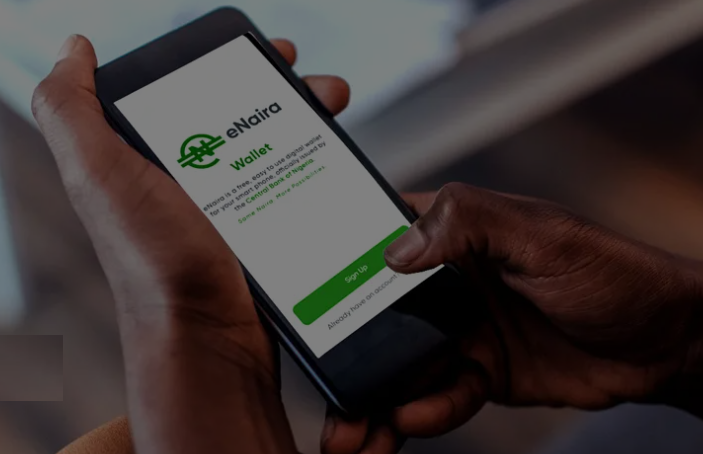
Launched by the Central Bank of Nigeria (CBN) in October 2021, the eNaira was envisioned as a digital alternative to physical cash, aiming to enhance financial inclusion, reduce transaction costs, and improve the efficiency of the monetary system. The digital currency operates alongside the traditional naira and is accessible through a dedicated mobile app.

The CBN has been actively promoting the eNaira through various initiatives. These include partnerships with financial institutions, merchant incentives, and public awareness campaigns. Despite these efforts, many Nigerians still prefer using cash for daily transactions due to its familiarity and widespread acceptance.

While eNaira holds promise for transforming Nigeria’s financial landscape, its current adoption rate highlights the need for continued efforts to address the barriers hindering its widespread acceptance. There is a need for continued efforts to educate the public, improve digital infrastructure, and address security concerns about the eNaira, towards driving the success of the digital currency.

PwC Warns Nigerian Government’s Proposed Windfall Tax Could Deter Investments

0

PricewaterhouseCoopers (PwC), a global tax and advisory services firm, has raised concerns over the Nigerian government’s recent proposal to tax the already reported FX windfall profits of banks in 2023.

In its reaction to the proposed amendment of the Finance Act and the introduction of a one-time windfall tax on commercial banks’ foreign exchange revaluation gains, PwC warned that this move could have far-reaching negative implications for investment in the country.

The proposal, which aims to impose a 50% tax on the foreign exchange gains reported by commercial banks for the entire year of 2023, is the main reason for a push for the amendment of the 2023 Finance Act by President Tinubu’s administration. This amendment seeks to address revenue generation for capital infrastructure development, education, healthcare access, and public welfare initiatives.

However, the implications of such a tax are being widely debated. The government anticipates that this move could generate over N3 trillion, but analysts caution that the long-term negative impact on the economy might outweigh the immediate financial gains.

PWC’s Analysis and Concerns

In its report titled, “The Windfall Tax Conundrum: Navigating the Fiscal Impact on Nigerian Banks,” PwC highlighted several key concerns. The firm argues that by taxing already realized and reported profits, the government may be perceived as unpredictable.

The PwC notes the following in its report:

This unpredictability could deter future investment and destabilize financial markets, making Nigeria a less attractive destination for both local and foreign investors.

Furthermore, the practical implementation of the windfall tax might present significant legal and perceptual challenges. These challenges pertain to the principles of equity, fairness, and constitutionality.

The retroactive nature of the tax is particularly contentious, as it undermines the principle of legitimate expectations for businesses that have already settled their tax liabilities.

The firm also pointed out that the proposed legislation could deter investors by introducing uncertainty into the fiscal environment. A stable and predictable tax regime is crucial for attracting and retaining investment, and any perception of arbitrariness or retroactive taxation can severely damage investor confidence.

Additionally, the proposed windfall tax rate of 50% on foreign exchange gains stands in stark contrast to the conventional 30% company income tax rate. This discrepancy poses confusion for banks regarding the allocation of expenses from different revenue streams.

According to some analysts, banks might find themselves in a situation where they need to apply different principles for allocating profits to tax-exempt income, leading to administrative challenges and potential disputes.

The Debate Continues

Although the federal government said the revenue generated from this tax would be critical for funding key public sectors such as infrastructure, education, and healthcare, it has sparked significant debate among stakeholders and economic analysts.

Notably, KPMG has also criticized the move, suggesting it could lead to legal disputes due to its retroactive nature.

The firm noted that Nigeria’s tax policy traditionally avoids retroactive taxation. Thus, imposing a windfall tax after banks have already settled their 2023 tax liabilities could lead to a constitutional crisis.

Also, KPMG noted that this retroactive application contradicts the principle of legitimate expectations, wherein businesses plan their finances based on existing tax laws and expect stability and predictability in the fiscal environment.

The concerns raised by PwC and KPMG are reflective of broader fears within the financial sector and the investment community. Economists and stakeholders are particularly worried that the proposed windfall tax could have several negative consequences.

Analysts argue that the unpredictability and retroactive nature of the tax could deter future investments, both foreign and local. This is because investors seek stable and predictable environments, and any perception of fiscal unpredictability can lead to capital flight and reduced investment inflows.

This means the proposed tax could destabilize financial markets by introducing uncertainty and reducing investor confidence. Also, banks and other financial institutions may face challenges in planning and managing their finances, leading to broader economic instability.

Debacle of Dangote Refinery and Nigeria on Oil and Gas Reforms

0

In recent times, the Nigerian oil and gas sector has witnessed significant changes, with the Dangote Refinery coming into operation and the Federal Government of Nigeria (FGN) implementing new executive orders aimed at reforming the industry. These developments have sparked discussions and debates among stakeholders, reflecting the complexities and high stakes involved in the sector that is pivotal to the nation’s economy.

The Dangote Refinery, touted as the largest oil refining plant in Africa, is positioned in Lagos and represents a monumental stride in Nigeria’s quest for self-sufficiency in refined petroleum products. The commencement of its operations amid rising inflation offers a beacon of hope for an economy seeking to improve its manufacturing output and reduce reliance on imported goods.

The Dangote Group, one of Africa’s most prominent and diversified business conglomerates, has been facing a series of challenges in its dealings with the Nigerian government in 2024. The issues have been multifaceted, ranging from regulatory hurdles to financial and infrastructural constraints that have affected the ease of doing business in the country.

The refinery’s potential to meet 100% of Nigeria’s requirements for refined products and its surplus for export is a game-changer. It signifies a shift from the longstanding practice of exporting crude oil for refining and then re-importing it, a cycle that has contributed to the country’s economic challenges. With the refinery’s activation, Nigeria aims to end gasoline imports, which could foster a new domestic market for its crude oil and alleviate the financial burden of importation.

Moreover, the National Assembly has acknowledged the private sector’s struggles, emphasizing their commitment to addressing these challenges. The Speaker of the House of Representatives, during a visit to the Dangote Refinery, highlighted the legislative body’s dedication to creating a more business-friendly environment through reforms aimed at streamlining processes and enhancing transparency.

The Dangote Group’s experiences reflect broader issues within the Nigerian business landscape, where private enterprises often grapple with regulatory, infrastructural, and financial obstacles. These challenges underscore the need for a collaborative approach between the government and the private sector to ensure mutual growth and national economic development.

Parallel to the private sector’s efforts, the FGN has shown a commitment to revitalizing the oil and gas sector through policy reforms. President Bola Ahmed Tinubu signed three executive orders on February 28, 2024, as part of these reforms. These orders include tax incentives for oil and gas companies, directives on local content compliance, and measures to reduce contracting costs and timelines in the petroleum sector.

These executive orders are expected to enhance the investment climate and position Nigeria as a preferred destination for petroleum sector investments in Africa. The focus on local content compliance is particularly noteworthy, as it underscores the government’s intent to bolster domestic capabilities and ensure that the benefits of the sector’s growth are felt within the country.

The reforms are not without their challenges and criticisms. The term ‘debacle’ often surfaces in public discourse, reflecting the tensions and high expectations from various quarters. Stakeholders are keenly observing the implementation of these reforms, looking for tangible outcomes that would justify the optimism surrounding the sector’s overhaul.

The interplay between the Dangote Refinery’s operations and the FGN’s policy reforms presents a complex tapestry of economic, political, and social implications. The success of these initiatives could herald a new era for Nigeria’s oil and gas sector, with positive ripple effects across the economy. However, the journey is fraught with uncertainties, and the ultimate impact of these reforms will unfold over time.

As Nigeria navigates this critical juncture, the global community watches with interest, recognizing the country’s role as a leading oil producer and its potential to influence energy markets. The outcomes of Nigeria’s oil and gas sector reforms will likely resonate beyond its borders, affecting regional and international economic dynamics.

Take Action On Something Productive And Win The Future

1

You underestimate how prepared you are. You underestimate how ready you are. Yes, get over that indecision and take action. Launch that company. Apply for that graduate program. Apply for that next line job. Unveil that product. Move forward, and you will be surprised at the outcome. Remember: nothing great has ever been accomplished until someone takes action. Action begins a history, and history is TIME.

The biggest professional victory in life is victory over your time. If you master and own your time, you will win your future. Greatness has been achieved not because of special talent, but rather via total dedication, perseverance and commitment through the mastering of time. A man or woman who cannot manage his seconds will wander through the boundless time. Time seems infinite, but time expires easily. A scarce product even on the illusion of being unbounded.

This is Monday. As you get back to business, have a purpose to serve as a productivity champion and a motivated leader in your office. Determine that you cannot be like a feather, which when tossed into water, moves wherever the current takes it.

Fly like a dragonfly which goes against the mild water current to reach its destination and  accomplish its mission. Simply, no excuses. Discover opportunities from the flanks if the frontal axes are inaccessible, and win new territories. 

#TakeAction on something productive and see how it would compound. Win that Future. We are expanding our business in Nigeria with a new subsidiary which will launch next month. Start your own Action on whatever inspires you!

Start your Action on whatever inspires you! Have a great week ahead. We’re launching a new subsidiary next month; so excited about what Nigeria promises.

Best eSIMs for Singapore for Travelers [2024 Updated]

0

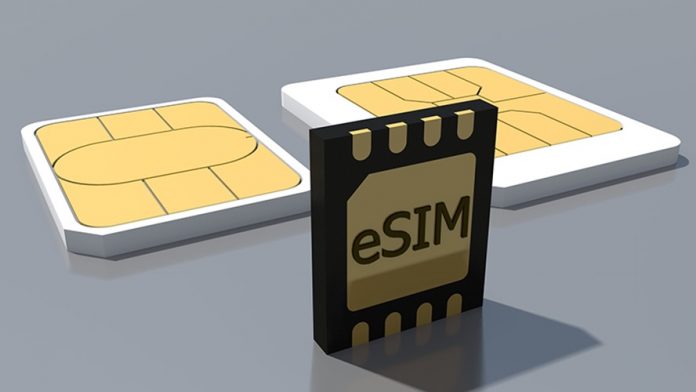
Are you considering traveling to Singapore to enjoy a short-term vacation? If so, an eSIM card for Singapore would be an essential tool. It’s very convenient as it doesn’t require a physical SIM card and allows you to quickly enjoy internet connectivity in Singapore. So, what is the best Singapore eSIM to suit your needs?

This guide explores the 5 best eSIMs for Singapore that are mostly mentioned on the Internet, helping you stay connected even without purchasing a physical eSIM card like in the past. Now, read on to choose the one that meets your requirements for duration, available data limit, pricing, stability, etc. Let’s get started!

Comparison of the 5 Best eSIM for Singapore

Firstly, the comparison table has concluded the basic information about the 5 best eSIMs for Singapore for you to preview:

eSIMs Duration Available Data Pricing Speed
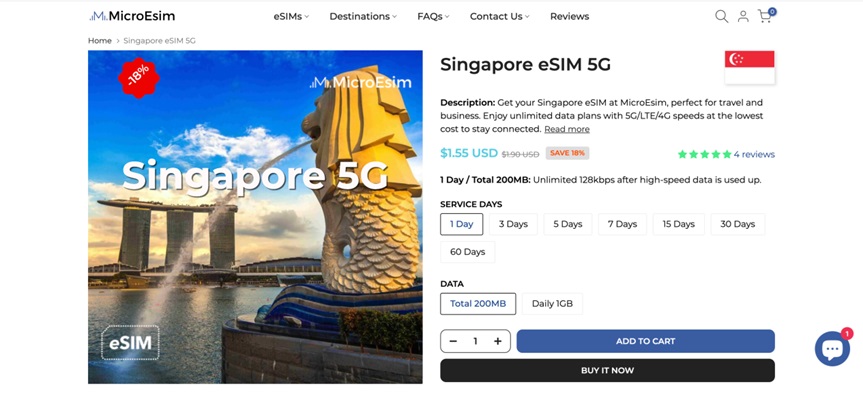
MicroEsim 1 to 60 days 200MB to unlimited From $1.55 5G/LTE/4G
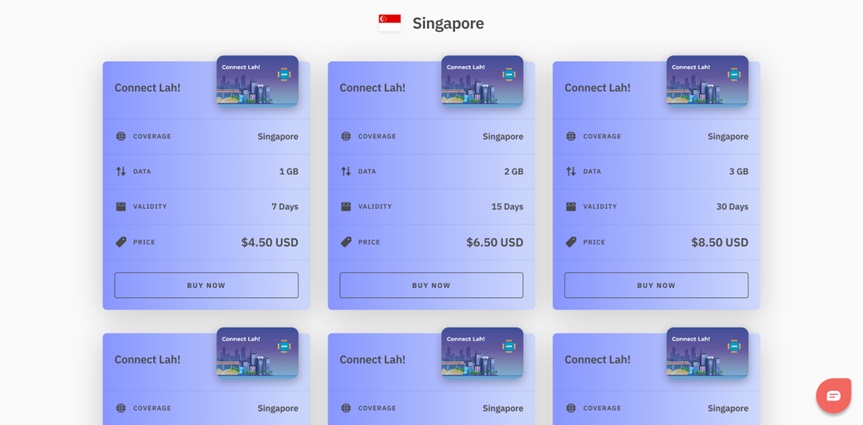
Airalo 7 to 30 days 1GB to 20GB From $4.50 5G/LTE/4G
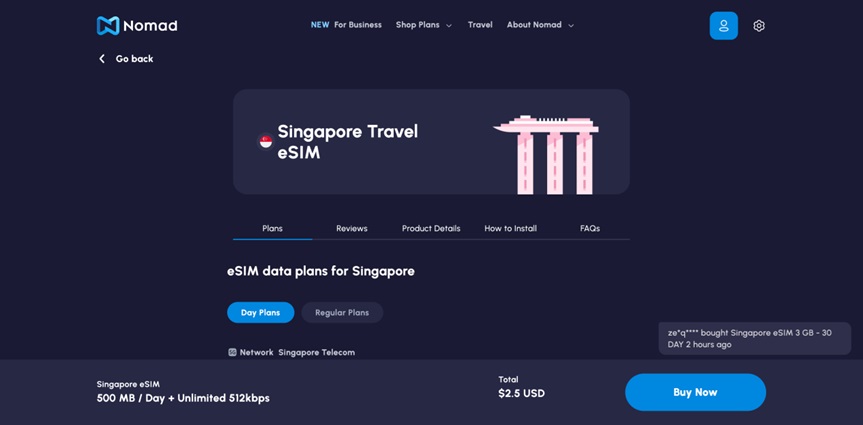
Nomad 1 to 30 days 500MB to 20GB From $2.50 4G LTE
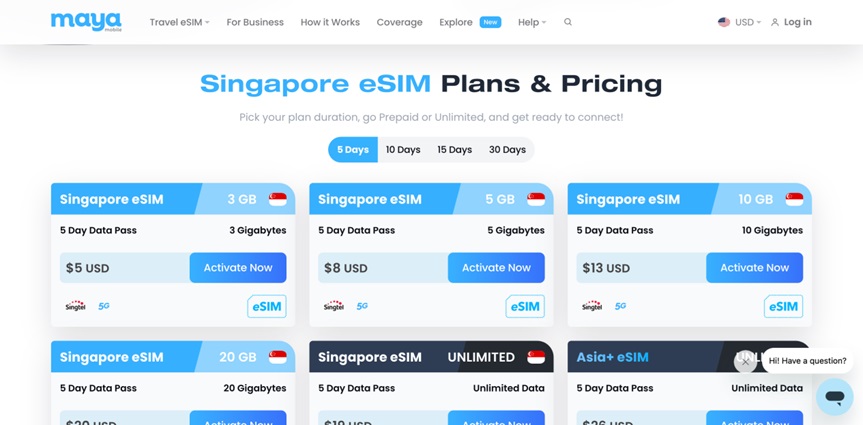
Maya 5 to 30 days 3GB to unlimited From $5.00 5G/4G
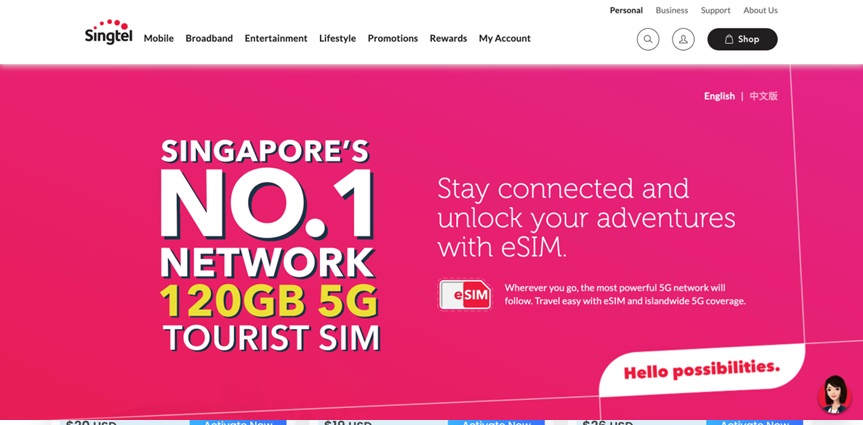
Singtel 14 to 28 days 3GB to 10GB From $12.00 5G/4G

If you are interested in any of them, keep reading to get more details before making a purchase.

Top 1. MicroEsim

Ranking the first place on the list, MicroEsim can be the best solution for travelers visiting Singapore and wanting a reliable eSIM service with reasonable price, stable connection, and fast Internet browsing speed. MicroEsim provides optional plans ranging from 1 day to 60 days, with available data from 200MB to the unlimited option for selecting. It can be suitable for users who only need a short-term stay or even a long visit.

For the eSIM speed, MicroEsim ensures lightning-fast connectivity, with up to 5G connection provided. You can use the network to smoothly take video calls, upload photos, and even watch videos during your stay in Singapore. Also, the stability of MicroEsim can be maintained at a good level, allowing you always to stay connected while staying in Singapore, no matter where you go. Therefore, if you are looking for the best eSIM for Asia including Singapore, MicroEsim can be the best recommendation for 2024.

Key Features:

  • Offers plans at competitive pricing for both short and long-term stays.
  • Ensures high-speed 5G/LTE/4G network connectivity for your daily usage in Singapore.
  • Supports easy operations to activate the eSIM service.
  • Ensures great stability without letting you stay disconnected during your trip.
  • Equips with 24/7 customer support to help solve any sudden problems and lets you have a worry-free trip.

Top 2. Airalo

Another recommended eSIM for Singapore is Airalo. It is noted that Airalo has a partnership with Singapore’s leading mobile networks, which can ensure super-fast speeds and extensive coverage across the whole country. You can always stay connected with reliable 4G LTE and 5G networks.

Airalo offers a user-friendly platform for you to manage your subscribed plan. It won’t take a very complicated process to activate the eSIM service once you buy it and need to prepare for your trip. No matter if you need to travel to Singapore for business, traveling, or studying, Airalo can be a good choice to consider when you are selecting the best eSIM for Singapore. However, it can be a bit more expensive for some users to afford.

Top 3. Nomad

Nomad also offers competitive pricing with a diverse range of plans for every traveler who is planning to visit Singapore, whether for long or short days. It fully covers the whole nation and will ensure stable network speed in all areas within the country, letting you always stay connected no matter where you go. However, compared with other more high-class eSIM services, Nomad’s browsing speed can be a bit slower, but it can still fulfill most requirements like making fluent video calls.

Also, like MicroEsim, Nomad offers unlimited data options, which are extremely suitable for those who have heavy usage of data while staying in Singapore. So if you are considering a reliable eSIM service, Nomad can also be one of the options for you.

Top 4. Maya

Another best eSIM for Singapore is Maya, which is also a popular choice for many travelers around the world. Maya also offers many different plans that are suitable for both short visits and long stays, but the prices are economical enough. It allows you to customize your plan based on personal situations and pay only for what you need, which is more convenient.

Also, Maya’s network connection can be ensured at high speed, which lets you do almost all online activities with a smooth experience with very few disconnection errors occurring. Therefore, if you want to make your trip to Singapore more friendly and enjoyable, Maya can surely bring you great help.

Top 5. Singtel

The final recommended best eSIM for Singapore refers to Singtel. This is the country’s leading telecom provider, so it can surely offer high-speed and stable eSIM service for travelers and also long-term foreign visitors but at very competitive pricing. Singtel ensures high speed with 5G coverage across the whole country, making you always stay connected no matter which places of interest you are planning to go.

Singtel also ensures high stability, making you never drop calls while staying in the nation. Especially for businessmen who need to join in online meetings from time to time, Singtel can surely be the best choice for its great connection stability and fast loading speed. However, Singtel is better for those who need to stay in Singapore for 14 days or up to 1 month. For very short-term visits, it doesn’t offer appropriate plans to select.

In Conclusion

To make a final comparison of these 5 best eSIMs for Singapore, MicroEsim can still be the best-recommended option because it offers more flexible plans for long and also short-term visits. More importantly, it provides very reasonable prices without sacrificing stability and network speed. So if you also want to get the best eSIM service, but without costing much, MicroEsim should be your choice. Get it today!