DD
MM
YYYY

PAGES

DD
MM
YYYY

spot_img

PAGES

Home Blog Page 3074

Dynamics of High FDV and Low Float in Cryptocurrency Markets

0

In the ever-evolving world of cryptocurrency, investors and enthusiasts are constantly introduced to new terms and concepts that shape the market dynamics. One such concept that has garnered attention is the phenomenon of “High Fully Diluted Valuation (FDV) and Low Float.” This concept is crucial for understanding market liquidity and the potential impact on a cryptocurrency’s price.

Before delving into the implications of high FDV and low float, it’s essential to understand what these terms mean. FDV refers to the Fully Diluted Valuation of a cryptocurrency, which is the theoretical market capitalization if all tokens were in circulation. It is calculated by multiplying the current price of a token by its maximum supply.

On the other hand, the term ‘float’ refers to the number of tokens that are currently available for trading in the market. A low float indicates that a significant portion of the total token supply is not yet in circulation, often locked up or scheduled for future release.

The Implications of High FDV and Low Float

The combination of high FDV and low float can lead to a volatile market situation. With only a small percentage of tokens available for trading, any significant buying or selling activity can result in substantial price swings. This scarcity can initially drive-up prices due to high demand and limited supply. However, as more tokens become unlocked and enter the market, there could be a sharp increase in selling pressure, potentially leading to a decrease in price.

The structure of high FDV and low float has been a topic of debate within the crypto community. Critics argue that this setup benefits early private investors and venture capitalists, who may capture much of the token’s potential value before it becomes available to the broader market. This scenario can leave little upside for retail investors and traders who enter the market at a later stage.

In response to the challenges posed by high FDV and low float tokens, some major cryptocurrency exchanges, like Binance, have shifted their focus towards listing projects with smaller market caps and stronger fundamentals. This move aims to protect retail investors from the potential risks associated with such tokens.

For investors, understanding the implications of high FDV and low float is vital for making informed decisions. It’s crucial to conduct thorough research and due diligence, considering factors such as the token release schedule, project fundamentals, and market demand.

The concept of high FDV and low float is an important aspect of the cryptocurrency market that can significantly influence a token’s price and liquidity. While it presents opportunities for early investment gains, it also poses risks that must be carefully considered. As the market matures, the discussion around fair token distribution and sustainable tokenomics continues to shape the future of cryptocurrency investments.

Navigating the cryptocurrency market requires a keen understanding of various metrics and market structures. High FDV and low float is one such concept that, while complex, is integral to grasping the nuances of this digital financial landscape. Investors are encouraged to stay informed and approach these market conditions with a strategic mindset.
Implications of Russia Legalizing Bitcoin and Crypto Mining

0

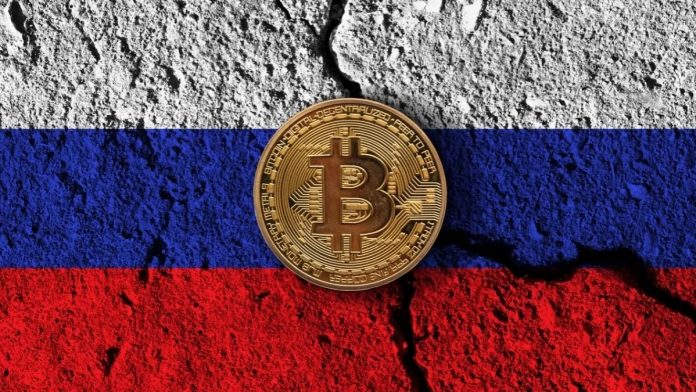
In a significant move, Russia has legalized Bitcoin and cryptocurrency mining, marking a pivotal shift in the country’s approach to the digital asset space. This development comes at a time when the global financial landscape is rapidly evolving, with digital currencies gaining prominence as both a means of transaction and a store of value.

The new legislation, which was signed into law by President Vladimir Putin, establishes a regulatory framework for the cryptocurrency mining industry. It is a clear indication that Russia is positioning itself to ‘seize the moment’ in the burgeoning field of digital assets. The law, set to take effect in November 2024, allows registered mining companies and small-scale individual miners to operate, provided they adhere to certain energy consumption thresholds.

This move is not just about embracing new technology; it’s also a strategic maneuver in the geopolitical arena. By legalizing crypto mining, Russia is reducing its reliance on the US dollar in international trade, especially in the wake of sanctions that have blocked its access to the SWIFT interbank messaging system. This step towards de-dollarization aligns with the efforts of the BRICS bloc—Brazil, Russia, India, China, and South Africa—to diminish reliance on the US dollar and explore alternative methods of international trade settlement.

The implications of this decision are manifold. For one, it legitimizes the crypto mining industry in Russia, providing a stable environment for businesses and entrepreneurs to invest and innovate. It also opens up the possibility for Russia to use digital assets as a method of cross-border settlement, potentially paving the way for a new era of international trade that is less dependent on traditional fiat currencies.

However, the move is not without its critics. Some economist’s express skepticism about the viability of a unified BRICS currency and the challenges associated with backing digital currencies with tangible assets like gold. There are also concerns about the potential for monetary debasement if the supply of digital claims outstrips the actual reserves of gold.

A report by Earthjustice, in partnership with the Sierra Club, highlights the staggering energy consumption of Bitcoin mining, which amounted to an estimated 36 billion kilowatt-hours (kWh) of electricity in the year prior to July 2022. This figure is comparable to the total electricity consumed by several US states combined. The report underscores the urgency of addressing the environmental impact of crypto mining, which, if left unchecked, could hinder global efforts to meet climate goals set by the Paris Agreement and the Intergovernmental Panel on Climate Change.

The environmental footprint of crypto mining extends beyond energy consumption. Investopedia notes that the industry produces over 77 kilotons of electronic waste annually, a byproduct of the hardware turnover associated with mining activities. Additionally, the relocation of mining operations to regions with lax regulations or cheap energy can lead to the revival of fossil fuel-based power plants, further exacerbating carbon emissions and local pollution.

The White House has also acknowledged the climate and energy implications of crypto assets, with global electricity generation for major cryptocurrencies resulting in significant carbon emissions. This has prompted discussions on the need for sustainable practices within the industry and the exploration of less energy-intensive alternatives to PoW mining.

While crypto mining has enabled the growth of a new financial ecosystem, it poses serious environmental challenges. The industry’s energy consumption, e-waste production, and potential to increase carbon emissions are critical issues that require immediate attention. As the sector evolves, it will be imperative to balance innovation with sustainability to ensure that the digital asset revolution does not come at the expense of the planet’s health.

Despite these concerns, the legalization of crypto mining in Russia is a bold step forward in the global adoption of digital currencies. It reflects a growing recognition of the potential of blockchain technology and digital assets to transform the financial sector. As regulatory oversight takes shape over the coming months, the world will be watching closely to see how this decision influences the global economic order and the future of digital currency.

For Russia, this could be a watershed moment, one that could either bolster its economic resilience or introduce new challenges in its quest for financial autonomy. Only time will tell the full impact of this legislative change, but one thing is certain: the eyes of the world are on Russia as it navigates the complex and dynamic landscape of digital finance.

Crypto Exchange WazirX is Rolling Back all Transactions

1

In a significant move to address the aftermath of a cyberattack, WazirX, one of India’s largest cryptocurrency exchanges, has announced that it will be reversing all transactions following a massive security breach that resulted in a loss of $235 million. The breach, which involved WazirX’s multisig wallet, occurred in July 2024 and led to the suspension of withdrawals on the platform. This decision to reverse transactions is aimed at restoring the integrity of user accounts and ensuring an equitable outcome for all users affected by the hack.

The rollback will reset account balances to their state before the hack, specifically to the snapshot taken on July 18, 2024. This measure is not only a reflection of WazirX’s commitment to its users but also highlights the inherent risks associated with digital assets and the importance of robust security measures in the crypto industry. The exchange has been transparent about the steps being taken to rectify the situation, including the reversal of trades and fees, and has communicated these actions to its users through official announcements and email notifications.

Here are some advanced security measures that exchanges can implement to enhance safety:

Adoption of the Cryptocurrency Security Standard (CCSS): This is a set of security requirements designed to safeguard cryptocurrency storage and usage within organizations. It covers a wide range of security protocols, including physical and network security measures, key management, and transaction monitoring and reporting policies.

Comprehensive Insurance Policies: To mitigate the risks of cyber theft and hacking, exchanges can secure comprehensive insurance policies that cover potential losses. Regular Security Audits: Conducting regular security audits by third-party firms can help identify and rectify vulnerabilities before they can be exploited. Enhanced User Security Education: users with education on security best practices can reduce the risk of phishing and other user-targeted attacks.

The incident has sparked discussions within the crypto community about the security of multisig wallets, which require multiple signatures to execute transactions and are generally considered to be more secure than single-signature wallets. However, the WazirX breach underscores the fact that even these advanced security measures can be vulnerable to sophisticated attacks.

Cryptocurrency exchanges are not only gateways to digital assets but also guardians of user trust and security. One of the most insidious risks they face is from insider threats, where individuals within the organization misuse their access to systems and data for malicious purposes. To combat this, exchanges are implementing a multi-faceted approach to security.

Rigorous Access Controls: Limiting access to sensitive systems and data is fundamental. Exchanges are employing strict role-based access controls, ensuring that individuals only have access to the information necessary for their job functions.

Continuous Monitoring and Behavior Analysis: By monitoring user activities and employing behavior analysis, exchanges can detect anomalies that may indicate malicious insider actions.

As the crypto industry continues to evolve, this event serves as a reminder of the need for continuous improvement in security protocols and the importance of swift, decisive action in the face of security breaches. WazirX’s response to the hack, while unprecedented, sets a precedent for how crypto exchanges might handle similar situations in the future, prioritizing user trust and the sanctity of their investments.

Ethereum ETFs see $48M in net inflows as Grayscale’s ETHE outflows slow

0

The cryptocurrency market has witnessed a significant event with Ethereum-based Exchange-Traded Funds (ETFs) experiencing a substantial $48 million in net inflows. This development comes as the outflows from Grayscale’s Ethereum Trust (ETHE) appear to be decelerating, marking a pivotal moment for Ethereum and its stakeholders.

Grayscale’s ETHE, a prominent investment vehicle for Ethereum, has seen more than $1.1 billion in assets shed during its initial days of trading. Despite this, the trust has managed to slow down the outflows, which is a positive sign for investors who have been closely monitoring the situation. The initial outflows were anticipated by analysts, considering ETHE’s relatively high fee of 2.5%, the highest among Ethereum ETFs.

The Grayscale Ethereum Trust differs from other Ethereum funds as it is a conversion from an existing fund, first offered as a private placement in 2017 and later publicly traded on OTC markets in 2019. A new Ethereum fund, the Grayscale Ethereum Mini Trust (ETH), based on ETHE, has generated $119 million in inflows, indicating a strong investor interest in Ethereum-based products.

The approval of spot Ethereum ETFs by the U.S. Securities and Exchange Commission (SEC) has been a catalyst for positive sentiment in the market. Despite the initial outflows from ETHE, the overall inflows into spot Ethereum ETFs have been robust, totaling approximately $978 million, led by the BlackRock Ethereum Trust (ETHA) with $354.8 million in investments.

The Ethereum ETFs track the ongoing price of ether, the native token of the Ethereum blockchain, which is widely regarded for its potential to transform various industries by eliminating the need for centralized organizations to record data and verify transactions. Ethereum stands as the second-largest cryptocurrency by market capitalization, trailing only behind Bitcoin.

Ethereum ETFs provide a straightforward path for investors to gain exposure to Ethereum without the need to navigate the complexities of cryptocurrency exchanges, digital wallets, and private keys. ETFs are subject to regulatory scrutiny, offering a layer of security and peace of mind for investors who might be concerned about the regulatory ambiguity surrounding direct cryptocurrency holdings.

The launch of Ethereum ETFs is considered a significant milestone for the crypto industry, as it represents a growing acceptance and recognition of cryptocurrencies as legitimate investment assets. The inflows into Ethereum ETFs suggest that investors are looking beyond Bitcoin for exposure to the crypto market, recognizing the unique value proposition that Ethereum offers. Trading like stocks on major exchanges, Ethereum ETFs offer high liquidity, allowing investors to buy and sell shares with ease throughout the trading day.

The recent movements in the Ethereum ETF space are indicative of a maturing market that is becoming increasingly sophisticated. Investors are now able to access Ethereum through traditional investment structures like ETFs, which offer liquidity, narrower spreads, and lower fees compared to previous investment vehicles.

As the crypto market continues to evolve, the role of Ethereum ETFs will likely become more prominent, providing investors with diversified options to gain exposure to the burgeoning world of digital assets. The slowing of outflows from Grayscale’s ETHE and the significant net inflows into other Ethereum ETFs reflect a growing confidence in Ethereum’s long-term potential and its role in the future of finance.

Memecoins to Moon: Dogwifhat and Dogecoin Steal Attention With DTX Exchange (DTX) Bullish Resurgence With $1.2M Raised  

0

Dogecoin (DOGE) and Dogwifhat (WIF) have grabbed the spotlight as millions pour into the memecoin sector after a historical crash, notably in hype-based crypto assets. Both memecoins are regaining positions over critical support levels and are up for a bullish price breakout in the upcoming days.

Parallel to Dogecoin (DOGE) and Dogwifhat (WIF), another emerging crypto star DTX Exchange (DTX) is leading the pack of recovering altcoins with a bullish presale momentum.  Let’s explore the market performance of Dogecoin (DOGE) and Dogwifhat (WIF) and the unique propositions of DTX Exchange which poise it to lead the deFi sector.

DOGE Reclaims $0.1 Ground: Whales Double Down Holdings

Dogecoin (DOGE) emerges as a prominent memecoin in the ongoing frenzy, recovering to critical support levels. With growing market optimism around cryptos, Dogecoin (DOGE) whales are also moving to bag memecoins for a potential bullish leg up. Sentiment reports show that the number of Dogecoin (DOGE) holders with 1 billion coins has increased by 1.5% since August 5.

With 4.8% intraday gains and bulls successfully defending the $0.10 support level, analysts forecast a significant price breakout for Dogecoin (DOGE). According to the Fibonacci line and other technical indicators, the memecoin rally will continue in the upcoming days with Dogecoin (DOGE) securing potential 20% gains to reach beyond the $0.127 support level.

Star Memecoin Dogwifhat (WIF) Hits Double-Digit Gains

With the Solana ecosystem gaining global traction after the ETF launch in Brazil, Dogwifhat (WIF) witnesses the highest investor activity and intraday gains, becoming the top Solana-based memecoin in the recovery market. Dogwifhat (WIF) has secured 10.25% gains in the last 24 hours with rising whale accumulation for long positions.

Moreover, the rising funding rate for Dogwifhat (WIF) to 0.0027% on August 8 also suggests that long investors are marching in with a bullish outlook for the memecoin. Trading above the $1.80 support level, Dogwifhat (WIF) can rally past the $2 threshold in the next few days, regaining previous highs if positive market sentiment persists.

Layer-1 DTX Exchange (DTX) Fires Up With $1.2 Million Raised

In the market limelight is the emerging AI-powered DTX Exchange (DTX) with its high-performing and next-gen trading platform. The tradFi star includes advanced schemas of trading to solve conventional problems in volatile markets for traders by spot-on features and a scalable infrastructure for leveraging 120k+ assets across multiple financial markets.

The platform empowers traders with no gas fees and a lightning-fast execution speed of 0.04 seconds. DTX Exchange has raised a mind-blowing $1.2 million in batch 2 of the public presale with a parabolic trend after a $2 million private seed round. Security is a top priority for the layer-1 backed DTX Exchange, making it a highly safe and secure marketplace with decentralized features like no-KYC requirements and non-custodial wallets.

Global traders can leverage up to 1000x to maximize their profits with AI-supported automated trading strategies with quant and algo trading approaches. With trader-centric narratives, DTX Exchange offers all trading tools that a trader might need to seamlessly and efficiently navigate through pumping and dumping markets for maximum gains.

DTX Platform Gears Up for Q4 Launch: Buy at $0.04

With traders shifting capital to revolutionary and industry-relevant features of DTX Exchange (DTX), the DTX platform is ready to dust away existing marketplaces with gas and security issues through its cutting-edge technology and community-defined trading schemas. Ready to outperform Dogecoin (DOGE) and Dogwifhat (WIF), DTX Exchange races past their potential with surging demand.

Available at a low price of $0.04, DTX tokens are poised to go sky-high after its anticipated Q4 CEX listing, potentially reaching beyond $2 post-launch. This prediction by market specialists strengthens the DTX position in the presale market, promising to yield massive 1,200% gains for early stakeholders.


Learn more:

Buy Presale

Visit DTX Website

Join The DTX Community