DD
MM
YYYY

PAGES

DD
MM
YYYY

spot_img

PAGES

Home Blog Page 3090

Implications of US SEC Issuing Wells Notice to OpenSea and NFT Industry

0

The recent news that OpenSea, a leading non-fungible token (NFT) marketplace, has received a Wells Notice from the U.S. Securities and Exchange Commission (SEC) has sent ripples through the crypto community. The SEC’s claim that NFTs traded on OpenSea are securities has sparked a debate on the nature of NFTs and the appropriate regulatory framework for digital assets.

A Wells Notice is a formal notification that the SEC may bring enforcement action against a company or individual. In this case, the SEC is suggesting that NFTs, which are unique digital tokens representing ownership of a specific item or asset, should be classified as securities. This classification would subject them to a different set of regulatory requirements, potentially reshaping the NFT landscape significantly.

OpenSea has responded with surprise and readiness to contest the SEC’s claims, emphasizing the impact such a move could have on creators and artists in the space. The company has also pledged $5 million to support legal defenses for NFT creators and developers who might face similar regulatory challenges.

The debate over whether Non-Fungible Tokens (NFTs) should be classified as securities is intensifying, especially with the recent Wells Notice issued to OpenSea by the U.S. Securities and Exchange Commission (SEC).

Here are some of the arguments that support the classification of NFTs as securities:

One of the primary criteria under the Howey Test, which is used to determine whether a transaction qualifies as an “investment contract” and thus a security, is the investment of money. Some argue that purchasing NFTs involves an investment of money with the expectation of future profits, aligning them with this criterion.

Buyers often purchase NFTs with the expectation that their value will increase over time, allowing them to sell at a profit. This expectation of profits, derived from the efforts of others, such as the original creator or a community’s promotion, can be seen as another hallmark of a security.

The value of NFTs can sometimes be heavily influenced by the efforts of the creators or promoters who work to enhance the value of the NFTs. This reliance on the efforts of others for profits could potentially meet the Howey Test’s criteria for a security.

Some NFTs are being used in ways that resemble traditional financial products. For example, some platforms allow NFTs to be used as collateral for loans or fractionalized into smaller parts that can be bought and sold, which brings them closer to the definition of securities.

The response from the crypto community has been largely critical of the SEC’s action. Many argue that applying traditional securities law to NFTs is a misstep that could stifle innovation and harm the burgeoning digital economy. Critics point out that NFTs, especially those representing digital art, are more akin to collectibles or fine art, which have never been regulated as securities.

Adding a political dimension to the controversy, Democratic Congressman Wiley Nickel has voiced his criticism of the SEC’s move. He has called the regulatory approach “heavy-handed” and suggested that it represents an “aggressive use of ‘regulation by enforcement'”. This criticism reflects a broader concern about the SEC’s current strategy and its implications for the future of digital asset innovation.

The debate over whether NFTs are securities is not just a legal issue but also a philosophical one. It touches on the very nature of what constitutes a security in the digital age and how new forms of asset ownership should be governed. The outcome of this situation could set a precedent for how digital assets are treated by regulators worldwide.

Meanwhile, NFT has integrated technologies which also support classic canvas wall art photos prints in the physical space for those who want translation in the real world.

As the situation unfolds, the crypto community, legal experts, and regulators will be watching closely. The resolution of this dispute will likely have far-reaching implications for the NFT market and the broader crypto ecosystem. For now, the industry remains in a state of uncertainty, awaiting clarity on the legal status of NFTs and the rules that will govern their trade.
Starting Small: Crafting Scalable MVPs for African Markets

0

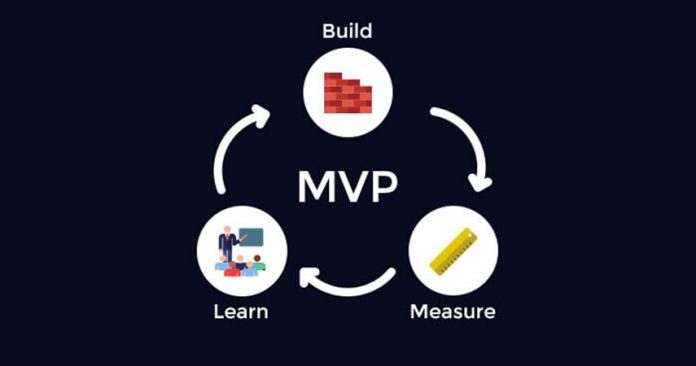
In the dynamic world of entrepreneurship, particularly in African markets, the principle of “starting small” cannot be overstated. For any entrepreneur venturing into new territories or innovative domains, embracing a phased, iterative approach is important. This article delves into why starting small is essential for creating scalable Minimum Viable Products (MVPs) and how it can be effectively applied to the diverse and evolving markets across Africa.

The Importance of Starting Small

Starting small revolves around launching a product or service in its most basic form, then gradually scaling based on real-world feedback. This approach allows entrepreneurs to manage risk, conserve resources, and refine their offerings before a full-scale launch. By focusing on a small segment of the market initially, businesses can fine-tune their MVPs, ensuring that they are better suited to meet the needs of a larger audience in the future.

Benefits of a Phased Approach

1. Risk Management: Launching a product with limited features and a small user base helps mitigate the risk of large-scale failures. If the MVP doesn’t perform as expected, the losses are contained, allowing for adjustments before committing further resources.

2. Cost Efficiency: Developing a full-featured product requires significant investment. By starting small, entrepreneurs can allocate funds more strategically, focusing on essential features that solve core problems. This lean approach minimizes unnecessary expenditures and maximizes learning opportunities.

3. Real-Time Feedback: An MVP allows for early interaction with users, providing valuable insights into their needs and preferences. This feedback is crucial for iterative development, helping entrepreneurs make informed decisions about future enhancements.

4. Focused Learning: When starting small, businesses can concentrate their efforts on a specific market segment. This focused approach enables a deeper understanding of customer behaviors and preferences, which can inform broader market strategies.

5. Agility and Flexibility: A small-scale launch provides the flexibility to pivot or refine the product based on user feedback. This adaptability is essential in rapidly changing markets, allowing businesses to respond to emerging trends and customer needs more effectively.

Practical Steps for Creating Scalable MVPs in African Markets

1. Identify a Niche: Begin by selecting a specific niche within the broader African market. Understanding local nuances, consumer behaviors, and market needs will help in designing an MVP that resonates with early adopters. For example, targeting a specific demographic or geographic area can provide a clearer focus and reduce complexity.

2. Develop a Core Value Proposition: Your MVP should address a well-defined problem or need within the chosen niche. This involves identifying key pain points and developing a solution that delivers substantial value with minimal features. The goal is to offer just enough functionality to demonstrate the product’s potential without overcomplicating the initial release.

3. Engage with Early Adopters: Once the MVP is ready, engage with a small group of early adopters who are willing to provide feedback. This group should represent your target market and be prepared to test the product in real-world conditions. Their insights will be instrumental in refining the MVP and validating its market fit.

4. Iterate Based on Feedback: Use the feedback gathered from early adopters to make iterative improvements to your MVP. This process involves analyzing user experiences, identifying pain points, and making necessary adjustments to enhance the product’s value and usability.

5. Gradual Scaling: After refining the MVP based on initial feedback, gradually expand your user base. This scaling should be done methodically, monitoring performance and user satisfaction at each stage. This approach allows for continuous learning and adaptation, ensuring that the product evolves in alignment with market needs.

Overcoming Common Challenges

Entrepreneurs in African markets may face unique challenges when implementing a small-scale MVP strategy.

Understanding and addressing these challenges can improve the possibility of success:1. Diverse Markets: Africa is characterized by its diverse cultures, languages, and economic conditions. Tailoring the MVP to address local variations and preferences is crucial for gaining traction in different regions.

2. Infrastructure Limitations: In some areas, infrastructure challenges such as limited internet connectivity or unreliable power supply can impact the deployment and usability of digital products. Designing MVPs that are resilient to these limitations can enhance user experience and adoption.

3. Regulatory Environment: Navigating the regulatory landscape can be complex, with varying regulations across countries. Ensuring compliance with local laws and regulations from the outset can prevent legal issues and facilitate smoother market entry. Watch this closely in Africa.

4. Funding Constraints: Access to funding can be limited, particularly for early-stage start-ups. Starting small helps manage financial constraints by focusing on essential features and minimizing initial investment.

5. Cultural Sensitivity: Understanding and respecting local cultural norms and values is essential for product acceptance. Incorporating cultural insights into the MVP can improve its relevance and appeal to the target audience.

From MVP to Scalable Success

Starting small is not just a strategy but a mindset that fosters continuous learning and adaptation. By using this approach, entrepreneurs can build a solid foundation for scaling their operations and achieving long-term success. The journey from a basic MVP to a fully developed product involves iterative refinement, user engagement, and strategic scaling.

As African markets continue to evolve, the ability to start small, learn from real-world feedback, and adapt accordingly will be crucial for entrepreneurs looking to make a significant impact. By prioritizing a phased approach, businesses can navigate the complexities of the market, build strong customer relationships, and position themselves for sustainable growth.

Facts:

a. Risk Management: Starting small helps manage risks by limiting initial investments and focusing on essential features.

b. Cost Efficiency: A phased approach allows for strategic allocation of resources and reduces unnecessary expenditures.

c. Real-Time Feedback: Early interaction with users provides valuable insights for iterative development.

d. Diverse Markets: Africa’s varied cultures and economic conditions require tailored MVPs to address local needs effectively.

e. Infrastructure Limitations: Designing MVPs that account for local infrastructure challenges can enhance usability and adoption.

Can Prediction Market Boom Continue Post US Elections?

0

As the dust settles after the fervor of the 2024 elections, a question looms large for investors and enthusiasts alike: Can the prediction market boom continue? The prediction markets, which saw a significant surge in activity in the lead-up to the election, are at a crossroads. With the political races decided, the immediate future of these markets is a subject of intense speculation and analysis.

The prediction market industry, which includes platforms like Polymarket and Hedgehog Markets, has traditionally seen a spike in volume during election cycles. The reason is straightforward: elections are high-stakes events with clear outcomes, making them ideal for prediction markets. However, the post-election landscape is often marked by a decline in activity as the event-driven excitement wanes.

Hedgehog Markets CEO Kyle DiPeppe suggests that the industry’s reliance on political events could be its Achilles’ heel. With an estimated 90% of trading volume tied to politics, the end of an election cycle could signal a downturn. DiPeppe’s concerns are not unfounded; historical trends indicate a pattern of post-election slumps in prediction market activity.

To counteract this potential decline, Hedgehog Markets is innovating with a new approach to prediction markets. By focusing on a “long tail” of bettable events with dedicated fan bases, they aim to create a more sustainable model that doesn’t rely solely on political liquidity. This strategy could potentially engage users with interests in a variety of fields, from sports to entertainment, thus diversifying the market’s appeal.

The broader financial markets also provide insight into post-election trends. Morgan Stanley’s forecast suggests that while election years bring volatility and gains, the business cycle plays a more significant role in market performance than electoral outcomes. This perspective offers a glimmer of hope for prediction markets, as it implies that broader economic factors could influence their trajectory post-election.

Bankrate’s analysis of stock market performance in election years supports this view, noting that market returns tend to dip in the months following an election as new policies and reforms are implemented. This could suggest that prediction markets might also experience a temporary slowdown before stabilizing.

Fundstrat’s Mark Newton adds another layer to the analysis, pointing out that election years often start with a challenging first quarter before markets pick up again. For 2024, the most promising times for investors, based on seasonal tendencies, could be from March to August and then from November to year-end.

One of the primary uses of prediction markets is in the field of economics, where they can forecast economic indicators such as inflation rates, GDP growth, and unemployment figures. This information is invaluable for policymakers and investors alike, providing insights into economic trends and potential shifts in the market.

In the entertainment industry, prediction markets have been used to anticipate box office returns for films, helping studios make informed decisions about marketing strategies and potential sequels. Similarly, in the sports world, these markets can predict the outcomes of games and tournaments, offering a dynamic layer to the fan experience.

The healthcare sector also benefits from prediction markets, especially in predicting the spread of infectious diseases. By analyzing the collective predictions, healthcare professionals can better prepare for and respond to public health crises.

Corporate decision-making is another area where prediction markets shine. Companies can use these markets internally to forecast product success, project completion times, and even regulatory outcomes. This can lead to more informed strategic planning and resource allocation.

Moreover, prediction markets have the potential to improve forecasting in various scientific fields. They can be used to predict research and development outcomes, helping to prioritize projects and investments based on the collective wisdom of experts in the field.

The versatility of prediction markets is a testament to the power of collective intelligence. By aggregating diverse opinions and predictions, these markets provide a unique perspective on the likelihood of future events, making them a valuable tool across multiple industries.

While the prediction market boom may face challenges in the immediate aftermath of the 2024 elections, the industry is not without avenues for growth and stabilization. Innovations in market offerings, coupled with the influence of broader economic cycles, could help sustain and even expand the reach of prediction markets. As with any investment, diversification and an understanding of market dynamics remain key to navigating the post-election landscape.

Brazil’s Supreme Court Judge Dares Elon Musk, Threatens to Shut X Down Within 24hrs

0

In an escalation of tensions between Brazil’s judiciary and Elon Musk, a Supreme Court judge has issued a stark ultimatum to the billionaire entrepreneur to name a legal representative for X (formerly Twitter) in Brazil within 24 hours or face the suspension of the platform in Latin America’s largest nation.

The warning from Justice Alexandre de Moraes is the latest in the ongoing struggle between Musk’s vision of free speech and Brazil’s efforts to curtail misinformation and hate speech.

Brazil’s Supreme Court has been the target of misinformation following the defeat of incumbent president Jair Bolsonaro.

Brazil’s third largest newspaper, O Estado de São Paulo, highlighted that the far-right’s preferred target was the supreme court, which it reported was hit with a barrage of “threats, insinuations and plenty of disinformation” over its rulings that were meant to curb fake news.

It added that social media and private messaging groups are lit up with tales of egregious police abuse, arbitrary arrests, and detention facilities akin to “concentration camps” – all as part of allegations of the new government’s brutality against Jair Bolsonaro supporters.

Police arrested over a thousand rioters following the insurrection triggered by Jair Bolsonaro’s defeat in January.

In April, de Moraes initiated an investigation into Musk for obstruction of justice after Musk vowed to defy a court order blocking certain accounts on X in Brazil. This defiance came despite X initially complying with the order by informing affected accounts that their access had been restricted due to legal obligations.

De Moraes, in his decision to open an inquiry against Musk, emphasized the importance of judicial authority, stating, “X shall refrain from disobeying any court order already issued, including performing any profile reactivation that has been blocked by this Supreme Court.”

He further imposed a fine of $20,000 for every instance in which an account is reactivated on X in defiance of court orders.

De Moraes’ actions reflect the broader concerns within Brazil’s government about the influence of foreign-owned social media platforms on the country’s political stability. The conflict with X is seen by many as a test case for how far Brazil is willing to go to assert its sovereignty over digital spaces that have become central to the dissemination of information—and misinformation.

Brazilian Attorney General Jorge Messias has publicly supported the need for urgent regulation of social media networks, arguing that unchecked power held by billionaires like Musk, poses a threat to the rule of law.

“We cannot live in a society in which billionaires domiciled abroad have control of social networks and put themselves in a position to violate the rule of law, failing to comply with court orders and threatening our authorities,” Messias stated.

In response, X announced earlier this month that it would cease operations in Brazil, a country with a significant user base for the platform. This decision came after de Moraes allegedly threatened to arrest X’s legal representative in Brazil for non-compliance with censorship orders.

In a public statement, X outlined reasons for its drastic decision: “Last night, Alexandre de Moraes threatened our legal representative in Brazil with arrest if we do not comply with his censorship orders. He did so in a secret order, which we share here to expose his actions. Despite our numerous appeals to the Supreme Court not being heard, the Brazilian public not being informed about these orders, and our Brazilian staff having no responsibility or control over whether the content is blocked on our platform, Moraes has chosen to threaten our staff in Brazil rather than respect the law or due process. As a result, to protect the safety of our staff, we have made the decision to close our operation in Brazil, effective immediately.”

Musk’s decision to pull X out of Brazil, a move that hearkens back to his self-proclaimed identity as a “free speech absolutist,” underpins his growing commitment to resisting what he views as authoritarian overreach.

Musk has long positioned himself as a staunch defender of free speech, often clashing with governments and regulatory bodies that he perceives as infringing on this principle. This latest episode in Brazil is a vivid illustration of this stance, as Musk takes a stand against what he describes as a judiciary that has “brazenly and repeatedly betrayed the constitution and people of Brazil.”

“Justice Alexandre de Moraes has applied massive fines, threatened to arrest our employees, and cut off access to ? in Brazil. We will probably lose all revenue in Brazil and have to shut down our office there. This is not compatible with democracy,” Musk said in a post on X.

However, X’s departure from Brazil sends a strong message about the platform’s commitment to Musk’s free speech ethos, and it also raises concerns about the future of digital platforms in Brazil.

Recently, the country has been a focal point for debates on the balance between free speech and the need to curtail harmful content online. Analysts believe the confrontation between Musk and Brazil’s judiciary could set a precedent for how other nations approach the regulation of social media platforms, particularly in politically sensitive environments.

Musk’s bold stance has garnered support from those who view his actions as a necessary defense of free speech in the face of authoritarianism. However, it has also drawn criticism from those who argue that it could lead to the unchecked spread of harmful content on digital platforms.

Emergence of Ether ETFs and the Crypto Market Dynamics

0

The cryptocurrency market has experienced significant turbulence since the introduction of Ether-based Exchange-Traded Funds (ETFs). A report from Citi indicates that the crypto market has faced challenges since the launch of spot Ether ETFs, with notable net outflows observed in the past month. This trend is a departure from the initial optimism that surrounded the introduction of these financial products.

Ethereum and Bitcoin are the two most recognized cryptocurrencies, each with its own unique characteristics and purposes. While they share some similarities, such as being decentralized digital currencies that can be traded on various exchanges, their differences are fundamental to their respective roles in the digital economy.

Bitcoin, introduced in 2009, is primarily a digital alternative to traditional currencies. It operates on a blockchain that is designed to handle transactions and store value. Bitcoin’s primary aim is to be a decentralized medium of exchange, free from government or corporate control, and it has a capped supply of 21 million coins, which contributes to its store of value proposition.

On the other hand, Ethereum is the native cryptocurrency of the Ethereum network, which was launched in 2015. Ethereum’s blockchain is designed not just for transactions but also to support smart contracts and decentralized applications (dApps). This makes Ether a fuel for the Ethereum ecosystem, where it is used to pay for transaction fees and computational services.

The Ether ETFs were anticipated to broaden institutional appetite for cryptocurrencies, potentially mirroring the bullish momentum Bitcoin experienced following its own ETF launch. However, the reality has been somewhat different. Ethereum, the platform underpinning the Ether cryptocurrency, has seen its price struggle to maintain the $3,000 mark, with eight consecutive days of ETF outflows. This has raised questions about the long-term impact of these ETFs on the market.

Analysts are divided on the implications of Ether ETFs. Some, like Standard Chartered, had projected a significant increase in Ether’s price, potentially reaching $8,000 by year’s end, driven by an influx of $15 billion to $45 billion into the market. Others, such as JPMorgan, have been more conservative in their estimates, suggesting that Ether ETFs might only see a fraction of Bitcoin’s inflows.

The introduction of Ether ETFs was expected to be a historic win for the crypto industry, offering a new way for investors to gain exposure to the second-largest cryptocurrency by market capitalization. The functionality of Ether, beyond being a mere investment vehicle, includes staking, which is not accessible through ETFs, potentially limiting their appeal.

Despite the current market struggles, some analysts remain optimistic about the future of Ether and the broader crypto market. Canaccord Genuity, for instance, has suggested that spot Ether ETFs could reverse the recent downtrend, given the continued growth in institutional adoption and the potential for inflows from retail investors through tax-advantaged accounts.

One of the key differences between the two is their approach to scalability and transaction processing. Bitcoin uses a proof-of-work (PoW) consensus mechanism, which, while secure, is energy-intensive and slower compared to Ethereum’s transition to a proof-of-stake (PoS) mechanism through its Ethereum 2.0 upgrade. PoS is considered to be more energy-efficient and has the potential to handle more transactions per second.

Another significant difference lies in their supply. Bitcoin has a fixed supply, which means there will only ever be 21 million Bitcoins. Ethereum, however, does not have a fixed supply, and while the annual issuance rate is controlled, it is not capped in the same way as Bitcoin.

The crypto market is known for its volatility, and the introduction of new financial instruments like Ether ETFs adds another layer of complexity to its dynamics. As the market continues to evolve, it will be crucial for investors to stay informed and adapt their strategies accordingly. The impact of Ether ETFs on the market is a developing story, one that reflects the ever-changing landscape of cryptocurrency investment.