DD
MM
YYYY

PAGES

DD
MM
YYYY

spot_img

PAGES

Home Blog Page 3093

The Warren Buffet’s Big Club Initiation And America’s Symphonic Economic Acceleration

0

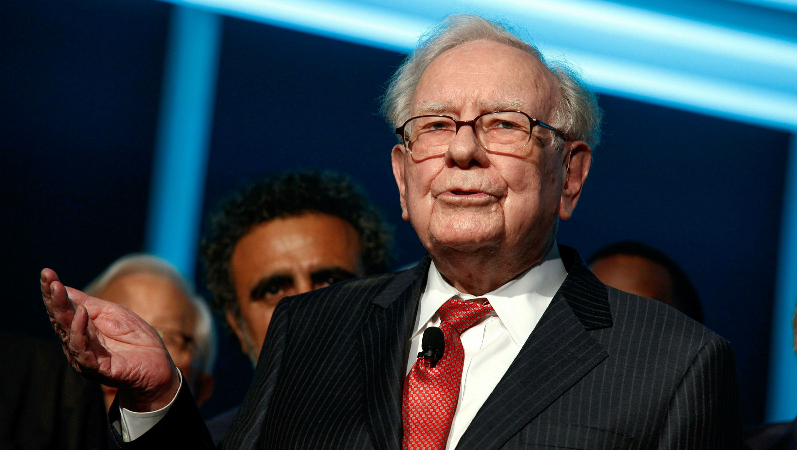
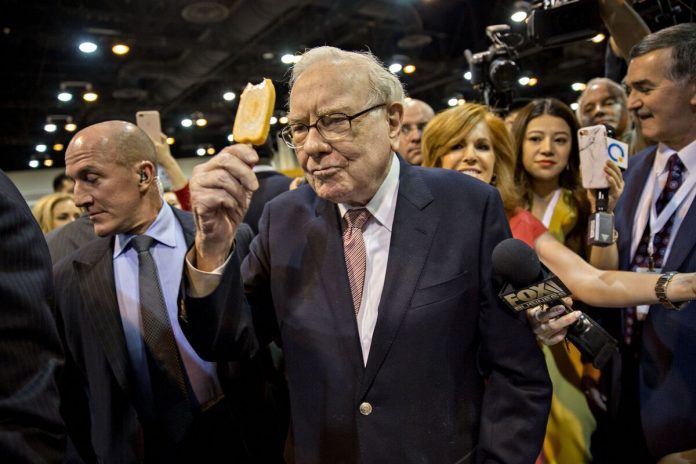
In the old boring industries, Warren Buffet’s Berkshire Hathaway has left the solid bounds of the traditional market, to touch the face of the ecclesiastical market alpha. Yes, Berkshire Hathaway has hit a market cap of $1 trillion, and got initiated into a special club:

“In the fast-paced world of high-tech valuations and digital-first businesses, it’s not every day that a company rooted in the old economy crosses the trillion-dollar threshold. Yet, on Wednesday, Warren Buffett’s Berkshire Hathaway did just that, joining the exclusive ranks of U.S. companies valued at $1 trillion. This achievement is particularly notable given the conglomerate’s focus on businesses that many might consider “traditional”—from railroads to insurance to retail.”

This is what we call symphonic economic acceleration. Yes, when the tech companies ascend, their improvements and the productivity accelerants they provide, are also enabling the boring 20th century industries to experience the alpha moments. It is magical because Nvidia, Apple and Bigtechs have not left insurance, railroads and others behind. America indeed is lucky on how they mix these ingredients, to cook the economic dishes, the world has come to consume!

For Warren Buffet, the Oracle, this is certainly a great moment for him. Indeed, when nations have great entrepreneurs, they rise. Buffett has served his nation, and markets have rewarded him beyond measures. The club of $1 trillion is a deserved cap. #legends.

Symphonic Innovation, as described by Tekedia, is an approach to innovation that is not limited to a specific domain. Instead, it involves a unified and harmonious deployment of various technology components to boost productivity and enhance competitiveness1. This concept emphasizes integrating multiple emerging technologies like blockchain, AI, and big data to transform industries, address market frictions, and create new competitive advantages2.

Berkshire Hathaway Hits $1 Trillion Market Cap, Forging A Legacy in Tradition in The Age of Modern Market

0

In the fast-paced world of high-tech valuations and digital-first businesses, it’s not every day that a company rooted in the old economy crosses the trillion-dollar threshold. Yet, on Wednesday, Warren Buffett’s Berkshire Hathaway did just that, joining the exclusive ranks of U.S. companies valued at $1 trillion.

This achievement is particularly notable given the conglomerate’s focus on businesses that many might consider “traditional”—from railroads to insurance to retail.

Berkshire’s journey to this milestone is a story of steady growth, strategic foresight, and, above all, a deep-seated belief in the fundamentals of value investing. As of Wednesday, shares of Berkshire Hathaway rose by 0.8% to $696,502.02, according to FactSet, officially pushing the company’s market capitalization past the $1 trillion mark. This feat comes on the heels of a remarkable 28% surge in Berkshire’s stock price in 2024, significantly outpacing the broader market’s gains.

At 94 years old, Warren Buffett, the “Oracle of Omaha,” stands as the architect of this empire—a company that, despite being steeped in traditional industries, has shown an uncanny ability to thrive in today’s complex and often volatile market landscape.

Old Economy, New Heights

Berkshire Hathaway’s rise to a trillion-dollar valuation is particularly striking given its portfolio’s composition. Unlike its peers in the trillion-dollar club—Apple, Nvidia, Microsoft, Alphabet, Amazon, and Meta—Berkshire is not driven by cutting-edge technology. Instead, it is powered by businesses that have been around for decades, such as BNSF Railway, Geico Insurance, and Dairy Queen. It’s a conglomerate built on a foundation of brick-and-mortar enterprises that many analysts might dismiss as relics in an era dominated by tech giants.

Yet, this very composition is what makes Berkshire’s achievement so significant. Cathy Seifert, a Berkshire analyst at CFRA Research, summed it up: “This milestone is a testament to the firm’s financial strength and franchise value.”

The company’s ability to command such a high valuation while sticking to its roots speaks volumes about the resilience of traditional business models, even in the face of modern market trends.

The Buffett Legacy

Warren Buffett’s journey with Berkshire began in the 1960s when he took control of what was then a struggling textile business. Over the decades, he transformed it into a sprawling conglomerate that now includes insurance, railroads, retail, manufacturing, and energy. His investment philosophy—rooted in patience, discipline, and a keen eye for value—has not only built Berkshire into a powerhouse but has also inspired generations of investors.

However, even as Berkshire basks in its trillion-dollar glory, Buffett has been making moves that suggest a more cautious outlook on the market. Recently, Berkshire has been in a selling mode, offloading a significant amount of stock, including half of its Apple stake, while amassing a record $277 billion in cash reserves by the end of June. For some, this signals that Buffett may be bracing for potential economic turbulence ahead.

This cautious stance extends to Berkshire’s recent sale of more than $5 billion worth of Bank of America shares in mid-July. This move is particularly noteworthy given that Buffett had been a major supporter of the bank in the aftermath of the 2008 financial crisis, purchasing preferred stock and warrants to help stabilize the embattled lender.

While Buffett is famous for advising investors against trying to time the market, his recent actions have led to speculation that he may have seen storm clouds on the horizon. Berkshire’s substantial investment in short-term Treasury bills, valued at $234.6 billion by the end of the second quarter, has now surpassed even the holdings of the U.S. Federal Reserve. This strategic conservatism suggests that Buffett is positioning Berkshire to weather any potential economic downturns, ensuring that the company remains a fortress of financial stability.

For investors, this approach has made Berkshire an increasingly attractive option in uncertain times. UBS analyst Brian Meredith recently raised his 12-month price target for Berkshire’s Class A shares to $759,000, citing strong second-quarter earnings and higher investment income. He believes that Berkshire’s diverse portfolio and substantial cash reserves make it a safe haven in a volatile market, with the potential for continued growth beyond the $1 trillion mark.

The Future of Berkshire As Buffet Passes the Torch

As Berkshire moves forward, the focus is also on the future leadership of the company. Greg Abel, currently vice chairman of Berkshire’s non-insurance operations, has been named Buffett’s successor. At this year’s annual meeting, Buffett assured shareholders that Abel, 62, will take the reins when he steps down. Abel will have the final say on investment decisions, a responsibility that has been crucial to Berkshire’s success.

But the road ahead is not without challenges. The high valuation of Berkshire’s stock, particularly its Class A shares, which now trade at a price 68% higher than the median home price in the U.S., has made it less accessible to smaller investors. Buffett has always resisted splitting the stock, believing that the high share price attracts long-term, quality-focused investors. However, in 1996, Berkshire did issue Class B shares, priced at one-thirtieth of a Class A share, to cater to those who wanted a stake in the company without the hefty price tag.

However, as Berkshire Hathaway celebrates its entry into the trillion-dollar club, the company also faces a pivotal moment in its history. The transition from Buffett to Abel will mark the end of an era, but the principles that have guided Berkshire’s success—prudent management, strategic foresight, and a commitment to long-term value—are expected to endure.

In an age where technology companies dominate the market, Berkshire Hathaway’s rise is seen as a powerful reminder that there is still immense value in traditional business models. The journey to $1 trillion has been a long one, but for Berkshire Hathaway, it’s just another milestone in a legacy defined by enduring success and unwavering commitment to its core principles.

As Buffett prepares to pass the torch, the company he built remains a testament to the power of long-term vision in a world that often favors short-term gain.

India’s CBDC Has 5M Users with Nationwide Roll Out in Phases

0

India’s journey towards a digital economy takes a significant leap with the Central Bank Digital Currency (CBDC) pilot reaching over 5 million users. The Reserve Bank of India (RBI) Governor, Shaktikanta Das, has emphasized a cautious and gradual approach to the nationwide rollout of the CBDC.

The CBDC, which is essentially a digital form of the Indian rupee, aims to revolutionize the way monetary transactions are conducted in the country. The pilot program, which involves both retail and wholesale segments, has been in operation with the participation of 16 banks. This initiative is part of India’s broader strategy to enhance its digital public infrastructure and embrace emerging technologies.

Governor Das, while addressing a conference in Bengaluru, highlighted the importance of not rushing the process. He pointed out that a comprehensive understanding of the CBDC’s impact on users, monetary policy, the financial system, and the economy is crucial before a full-scale implementation is considered.

The RBI’s approach reflects a global trend where nations are cautiously exploring the potential of CBDCs. The programmability feature of the CBDC is particularly noteworthy, as it could serve as a key enabler for financial inclusion. This feature allows for the precise delivery of funds to targeted users, which could be a boon for sectors like agriculture, where tenant farmers could benefit from easier access to credit.

Moreover, the RBI is exploring features such as offline payments and anonymity to cater to a wider range of use cases. These features aim to address concerns related to privacy and accessibility, ensuring that the benefits of a digital currency can reach all sections of society.

India’s Central Bank Digital Currency (CBDC) initiative is a significant step in the country’s digital transformation journey. With over 5 million users already on board, India’s CBDC is being phased in gradually, reflecting a cautious yet progressive approach by the Reserve Bank of India (RBI). This strategy is not unique to India; many countries are exploring and implementing CBDCs with varying degrees of progress and methodologies.

For instance, Australia is working with financial institutions to explore use cases for its eAUD, while Brazil aims to launch its CBDC by 2024 after conducting closed pilot programs. Canada has emphasized the importance of offline payment functionality, and China has included its e-CNY in currency circulation calculations, representing a small yet growing percentage of the central bank’s reserves.

India’s approach, focusing on a gradual rollout and the programmability of the CBDC to ensure precise delivery of funds, is similar to other nations that prioritize financial inclusion and the potential for targeted assistance. The RBI’s exploration of features like offline payments and anonymity also aligns with global trends to cater to a wide range of use cases and address concerns related to privacy and accessibility.

Comparatively, countries like Japan are establishing forums to discuss the feasibility of a digital yen and are planning to decide on the launch of a digital currency by 2026 based on pilot results. Other countries, such as Kazakhstan and Laos, are in the early stages of piloting their respective CBDCs, with Kazakhstan’s pilot set to run through 2025 and Laos starting tests on a prototype.

India’s CBDC initiative stands out for its focus on a careful and informed rollout, ensuring that the digital currency system is robust and beneficial for all stakeholders. The RBI’s stance on cryptocurrencies, which remains cautious due to the unregulated nature of these assets in India, also influences the country’s approach to digital currencies. As India continues to refine its CBDC strategy, it contributes to the global dialogue on how best to integrate digital currencies into existing financial systems.

As India continues to navigate the complexities of introducing a CBDC, the global financial community watches closely. The success of India’s CBDC pilot could serve as a model for other countries considering similar initiatives. With careful planning and a phased approach, India’s CBDC could potentially lead to a more inclusive and efficient financial system.

The RBI’s stance on the CBDC also parallels its position on cryptocurrencies. While the central bank recognizes the potential of digital currencies, it maintains a cautious stance, given the unregulated nature of cryptocurrencies in India. The nation is expected to release a consultation paper on cryptocurrency legislation, which could further define the regulatory framework for digital assets in the country.

Keir Starmer Rules Out UK’s Possibility of Rejoining European Union

0

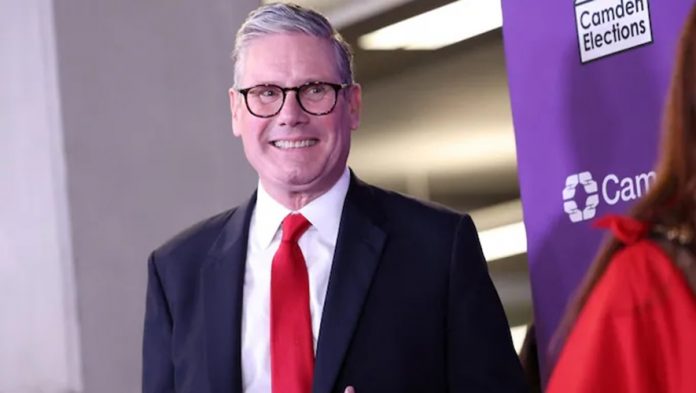
UK Prime Minister Keir Starmer has firmly ruled out the possibility of the United Kingdom rejoining the European Union. This statement comes amidst a series of meetings with European leaders, including German Chancellor Olaf Scholz. The visit, which is part of a broader effort to “reset” the UK’s relations with the EU, underscores the current government’s stance on maintaining the post-Brexit status quo while seeking a closer relationship with Europe on various fronts.

The United Kingdom’s departure from the European Union, commonly known as Brexit, has significantly altered the dynamics between the UK and EU member states. The transition has been complex, with both sides facing challenges and adjustments in various sectors.

Post-Brexit, the UK and EU have navigated a new trade landscape under the EU-UK Trade and Cooperation Agreement. This agreement ensures zero tariffs and zero quotas on goods, provided they meet specific rules of origin. Despite this, Brexit has introduced new layers of bureaucracy and trade barriers, affecting the flow of goods and services. The UK’s trade with the EU has seen fluctuations, with initial dips and subsequent recoveries. However, the overall trade volume has not increased as it might have without Brexit, indicating a potential drag on the UK’s economic growth.

Prime Minister Starmer’s declaration is a clear indication of his government’s commitment to forging a new path for the UK, one that respects the outcome of the Brexit referendum while acknowledging the importance of strong ties with European neighbors. The emphasis on resetting relations suggests a strategic approach to collaboration, particularly in areas such as security, defense, and economic growth, without reversing the fundamental aspects of Brexit.

The UK’s labour market has also felt the impact, with a decrease in labour supply from the EU. This reduction is partly due to new immigration rules and uncertainties surrounding Brexit. The changes have led to shortages in certain sectors, prompting discussions about the need for reform in immigration policies to address these gaps.

Uncertainty surrounding Brexit has affected foreign direct investment (FDI) in the UK. The prolonged negotiations and changes in trade relations have made the UK a less attractive destination for some investors, impacting the country’s investment growth rate and, consequently, its productivity growth.

On a positive note, Brexit has opened doors for the UK to pursue independent security and defense strategies. The UK is actively seeking to strengthen bilateral relations, particularly with key EU countries like Germany, to enhance cooperation in these areas.

The visit also highlights the UK’s intent to strengthen bilateral relations with Germany, a key player in the EU. The discussions around drafting a new security and defense treaty signal a move towards deeper cooperation, which could have significant implications for both countries’ strategic interests and collective security efforts within the region.

Moreover, the prime minister’s stance on not re-entering the single market or customs union, while ruling out a youth mobility scheme, points to a nuanced approach to migration and labor mobility. These decisions reflect the complexities of post-Brexit adjustments and the UK’s endeavor to balance national priorities with international commitments.

Brexit has presented challenges; it has also provided opportunities for the UK to redefine its international role. The long-term effects of these changes remain to be fully understood, but it is clear that the UK-EU relationship continues to evolve in this post-Brexit era.

As the UK navigates its post-Brexit journey, the outcomes of these high-level meetings and the proposed “reset” of relations will be closely watched. The government’s approach to EU relations will undoubtedly play a crucial role in shaping the UK’s international standing and its ability to address global challenges collaboratively.

NNPCL Mulls Assets Sales, Public Offers As Calls for Divestment Grows

0

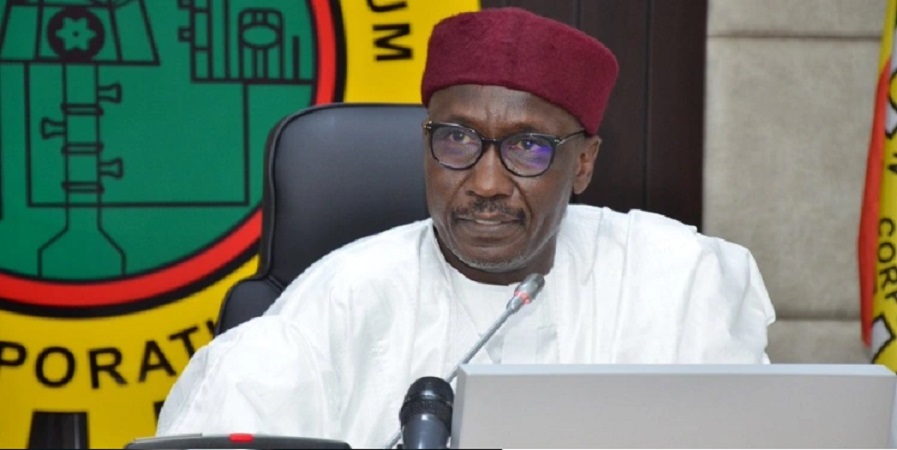
The Chief Financial Officer of the Nigerian National Petroleum Company (NNPC) Limited, Umar Ajiya, has revealed that the company is open to asset sales as part of its strategy to enhance profit margins and achieve higher returns in the near term.

In an interview discussing the 2023 audited financial statement of the oil company, Ajiya stated that NNPC is not just focused on maximizing the utilization of its assets but is also considering divesting those that cannot be optimized to generate better returns.

“We have a company that is literally just one year old. We started on the first of July, 2022, and 2023 marks our second year of operation.

“We are going to maximize the value of our assets by bringing in partners to help optimize them. Additionally, we will sell off assets that we believe we cannot optimize ourselves.

“This approach will allow us to rebalance the balance sheet and ensure that our assets are fully utilized, leading to expected returns,” Ajiya explained.

NNPC, which reported a 28% increase in profit, reaching N3.2 trillion, holds total assets valued at approximately N246.8 trillion, surpassing Nigeria’s entire Gross Domestic Product (GDP).

NNPC Ready for Public Offers

Ajiya also indicated that the company is preparing for public offers, contingent on shareholder approval. He pointed out that the Petroleum Industry Act (PIA) recommends a two to three-year financial history to assure investors that the national energy giant is on a profitable path.

He highlighted that NNPC has already demonstrated profitability in its first two years and that shareholders are eager to see the company deliver strong performance as it moves toward becoming a publicly traded entity.

“Entering the public market is ultimately a decision for the shareholders. We are almost there in the sense that we have at least two or three years of financial history to show investors that the company is on a profitable trajectory. We’ve demonstrated that for the first two years.

“Hopefully, the shareholders will determine how much equity to sell down and unwind. It’s really their call.

“The shareholders are not currently inclined to sell down. They are eager to see us deliver robust performance, and they can direct us to enter the market at the appropriate time,” Ajiya added.

The latest audited financial report of NNPC has sparked discussions about the company’s profit margins and the structure of its capital equity.

While the national oil company reported a 28% profit increase, reaching N3.2 trillion compared to 2022, many analysts argue that it has not fully optimized its assets and equity, which now exceed Nigeria’s GDP. However, NNPC has maintained that as a limited liability company for just two years, its profitability reflects a strong commitment to corporate governance. This has already generated significant interest from potential investors and shareholders as the company prepares for a potential public offering.

The Financial Struggles Behind the Curtain

While NNPCL’s public declaration of profit may have sparked optimism, its struggle to maintain financial solvency tells a different story. This paradox is further underscored by the company’s recent efforts to secure a $2 billion loan from the international market, a move that raises questions about the true state of its finances.

The NNPCL’s financial woes have become so pronounced that even high-ranking government officials have acknowledged the challenges. Heineken Lokpobiri, Nigeria’s Minister of State for Petroleum, recently admitted that the NNPCL lacks the necessary funds to rehabilitate its aging pipeline infrastructure. This admission stands in stark contrast to the company’s public image of profitability and success.

Calls for Asset Sales Grow Louder, Energy Expert Weighs In

NNPCL’s financial struggles have instigated growing pressure from industry stakeholders to adopt more drastic measures, including divestment of its assets. The Crude Oil Refiners Association of Nigeria has been vocal in urging the government to consider selling NNPCL’s refineries in Port Harcourt, Warri, and Kaduna. They argue that the proceeds from these sales could be redirected to finance the development of modular refineries, which could play a crucial role in bolstering Nigeria’s refining capacity.

Energy expert Kelvin Emmanuel supports this call for divestment. He argues that the government should unbundle NNPCL and focus on its core business areas where it can generate the highest returns.

“I agree with the Crude Oil Refiners Association that the government-owned refineries should be sold off to private sector companies who are interested in making a move for it,” Emmanuel stated.

Emmanuel further elaborated on the potential business lines where NNPCL could excel: including exploration and production through the IJVC model, gas and power, trading, new energy, and shipping. He believes that these areas offer significant opportunities for NNPCL to generate substantial returns if managed effectively.

However, he is critical of the company’s current focus on its retail business, which he describes as yielding low and negligible margins—a “complete waste of the potential the company has.”

Emmanuel suggests a series of strategic shifts for NNPCL to emerge from its current financial quagmire. These include increasing daily gas output to over 10 billion standard cubic feet (SCF), boosting crude oil production to meet both domestic and export demands, and investing in new energy sources such as bio-grade ethanol. He also advocates for NNPCL to invest in tankers and vessels to enhance its export capabilities and reduce gas flaring through joint ventures in Floating Liquefied Natural Gas (FLNG) projects.

One of the most critical aspects of Emmanuel’s recommendations is the unbundling of NNPCL. He believes that the company’s current board and management have failed to deliver the necessary results and that a transition team should be brought in to initiate the unbundling process.

“A major part of me thinks the current board and management has failed, and Mr. President needs to fire them and bring in a transition team that can start that unbundling process,” Emmanuel stated, underscoring the urgency of reforming NNPCL’s structure to ensure its long-term viability.