DD
MM
YYYY

PAGES

DD
MM
YYYY

spot_img

PAGES

Home Blog Page 3094

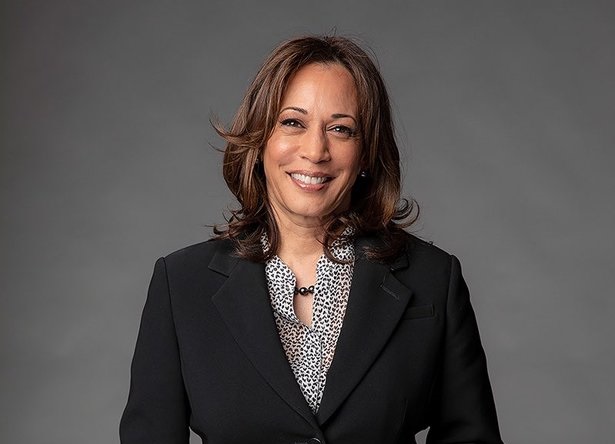
What Kamala Harris Must do to Win Back Crypto Voters

0

As the United States gears up for another election cycle, the crypto community has emerged as a significant constituency, one that could potentially sway the outcome of an election. Vice President Kamala Harris, recognizing the importance of this demographic, has embarked on a campaign to win back crypto voters who may have felt alienated by previous regulatory approaches.

The challenge for Vice President Harris is to balance the need for regulatory frameworks that protect consumers and the economy while also fostering innovation and growth within the crypto industry. Analysts suggest that her recent outreach efforts, while noteworthy, may not be enough to shift the industry’s leanings, which have been tilting towards candidates with a clearer pro-crypto stance.

To regain the trust and support of crypto voters, it is imperative for Vice President Harris to propose timely and substantial policy changes that address the concerns of the crypto community. This includes providing clarity on the regulatory landscape, supporting the development of infrastructure that facilitates the growth of digital assets, and engaging in open dialogue with industry leaders to craft policies that reflect the unique nature of cryptocurrencies.

Crypto voters seek clear and consistent regulations that define the boundaries without stifling innovation. A policy change that could provide this clarity would involve the establishment of a dedicated crypto regulatory body or the clarification of the roles of existing regulators like the SEC and CFTC.

Investment in blockchain technology infrastructure could be a significant policy shift. This would include support for startups and established companies that are developing blockchain solutions, potentially through grants or tax incentives.

Reassessing past enforcement actions that were perceived as hostile to the crypto industry could help mend relationships. This might involve reviewing cases and providing a more nuanced approach to compliance and enforcement.

Encouraging education and awareness around digital currencies and blockchain technology could foster a more informed voter base that feels supported by policymakers. Policies that encourage innovation within the crypto space, such as sandbox environments where new products can be tested without the full weight of regulatory compliance, could attract crypto entrepreneurs and investors.

Moreover, the rise of crypto-focused political action committees, such as Fairshake, which has raised substantial funds to support crypto-friendly candidates, indicates the financial influence the crypto industry wields. To win over this sector, Vice President Harris will need to demonstrate a proactive approach that goes beyond mere outreach.

A strategic pivot could involve advocating for policies that encourage the use of blockchain technology in public services, promoting digital literacy, and ensuring that the United States remains at the forefront of technological innovation. Additionally, addressing past grievances by revisiting enforcement actions that may have been perceived as hostile could help mend fences with crypto voters.

The path forward for Vice President Harris is complex, requiring a nuanced understanding of both the technology and the people behind it. It is not just about winning votes; it is about shaping the future of finance and governance in an increasingly digital world. The crypto voters are watching closely, ready to throw their support behind the candidate who best understands their vision for a decentralized and empowered future.

For Vice President Harris, the mission is clear: embrace the potential of cryptocurrency, engage with its advocates, and enact policies that will usher in a new era of innovation and economic prosperity. Only time will tell if these efforts resonate with the crypto electorate and translate into electoral success.

Register for the Next Tekedia Mini-MBA, Starting Sept 9 2024

0

Greetings! This is a reminder that registration for the next edition of Tekedia Mini-MBA continues. The next edition will begin on Sept 9, 2024 to end Dec 7, 2024. The cost is N90,000 or $170 and we have many payment options, including bank transfer, Flutterwave, PayPal, Stripe, etc. Click here and register if you plan to join us.

About Tekedia Mini-MBA: Tekedia Mini-MBA is an innovation management 12-week program, optimized for business execution and growth, with digital operational overlay. It runs 100% online. The theme is Innovation, Growth & Digital Execution – Techniques for Building Category-King Companies. All contents are self-paced, recorded and archived which means participants do not have to be at any scheduled time to consume contents. Besides, programs are designed for ALL sectors, from fintech to construction, healthcare to manufacturing, agriculture to real estate, etc.

The sector- and firm-agnostic management program comprises videos, flash cases, challenge assignments, labs, written materials, webinars, etc, and is delivered by a global faculty coordinated by Prof Ndubuisi Ekekwe.  Tekedia Institute, Boston USA, awards certificates of achievement at the end of the program.

Updated Curriculum: Our updated curriculum is here.

African Development Bank Approves $500m Loan to Nigeria for Energy Transition and Economic Governance

0

The African Development Bank Group has approved a $500 million loan to Nigeria, marking a significant step toward transforming the nation’s electricity infrastructure and enhancing access to cleaner energy.

This loan, designated for the first phase of the Economic Governance and Energy Transition Support Program (EGET-SP), aims to close the financing gap in Nigeria’s Federal Budget for the 2024/25 fiscal year and support the implementation of the country’s new Electricity Act and Nigeria Energy Transition Plan.

This $500 million loan from the African Development Bank Group is a critical financial component in Nigeria’s strategy to overhaul its electricity sector. The loan will directly support the Nigerian government’s initiatives to decentralize the electricity supply industry, paving the way for increased investments from subnational governments and the private sector. This move is expected to foster a competitive and efficient energy market, addressing the longstanding issues in Nigeria’s power sector.

Nigeria’s Ambitious Energy Transition Plan

Launched in August 2022, Nigeria’s Energy Transition Plan aims to develop 250 GW of installed electricity capacity by 2050, with a bold target of sourcing 90% of this capacity from renewable energy. The plan also seeks to provide clean cooking access to the majority of the population by 2030, utilizing a mix of liquefied petroleum gas (LPG), biogas, biofuels like ethanol, and electric cookstoves.

The new Electricity Act, passed in June 2023, supports this vision by decentralizing the electricity supply industry, which is expected to spur significant investments and innovation in the sector.

The Role of EGET-SP

The Economic Governance and Energy Transition Support Program (EGET-SP) will be crucial in delivering much-needed upgrades to Nigeria’s electricity infrastructure. By facilitating the transition of millions of households and businesses to cleaner and renewable energy sources, the program is set to improve energy access, reduce greenhouse gas emissions, and enhance the quality of life for Nigerians.

This initiative aligns with the African Development Bank Group’s new Ten-Year Strategy (2024-2033), its High 5s priorities, and the New Deal on Energy for Africa, which aims to achieve universal access to modern energy by 2030.

How Much More Will Nigeria Invest in its Power Sector?

Over the years, Nigeria has secured numerous loans amounting to billions of dollars aimed at improving its power sector. In 2018, the Nigerian government signed a $200 million loan agreement with the Japan International Cooperation Agency (JICA) to upgrade transmission lines and enhance power supply. Additionally, in 2020, the World Bank approved a $750 million Power Sector Recovery Operation (PSRO) loan to support critical reforms and attract private investments in the sector.

Tekedia reported that the World Bank has restructured a $350 million loan to Nigeria. This restructuring is specifically focused on ensuring the completion of seven critical power plants within educational institutions, a key component of the Nigeria Electrification Project (NEP).

These volumes of funds in investments in the power sector have, unfortunately, not abated Nigeria’s struggle with a stable electricity supply.

Nigeria’s power sector has been plagued by inefficiencies, inadequate infrastructure, and governance issues. Despite these substantial financial injections, the country still experiences frequent power outages and an unreliable electricity supply, hampering economic growth and affecting the daily lives of millions of Nigerians.

The EGET-SP, backed by the African Development Bank’s $500 million loan, represents a renewed effort to address these challenges comprehensively. While there is hope that the initiative will birth an improved power supply for Nigeria, decades of failures in developing and managing a sustainable power sector have cast doubt over the project.

Nvidia Faces U.S Department of Justice Antitrust Probe Over AI Chip Market Control

0

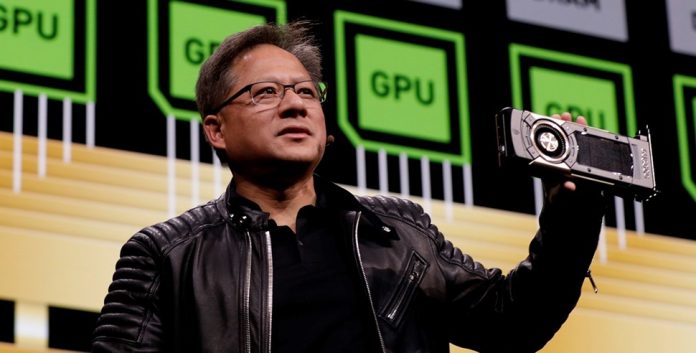
The U.S. Department of Justice (DOJ), has launched an antitrust investigation on Artificial Intelligence giant company Nvidia, over alleged abuse of its market dominance in the AI chip market.

According to a CNBC report, in recent weeks, U.S. officials have reached out to several Nvidia competitors, including advanced Micro Devices and AI chip startups, to gather information about the complaints.

The issues range from allegations that Nvidia has threatened to punish its customers who buy products from its competitors to potential concerns about its recent acquisition of startups that strengthen its grip on the software AI developers use.

Investigators are therefore examining whether Nvidia imposes higher prices on customers who purchase AI chips from competitors. Additionally, the DOJ is investigating whether Nvidia has coerced customers into buying supplementary products, such as cables for connecting servers, as part of their purchasing agreements.

In response to the report, a spokesperson for Nvidia said,

“We compete based on decades of investment and innovation, scrupulously adhering to all laws, making NVIDIA openly available in every cloud and on-prem for every enterprise, and ensuring that customers can choose whatever solution is best for them.”

The spokesperson further added that Nvidia is happy to provide any information regulators need.

Nvidia’s position in the AI chip market has been described as a moat by some experts. Its flagship AI graphics processing units (GPUs), such as the H100, coupled with the company’s CUDA software led to a head start on the competition that switching to an alternative can seem almost unthinkable.

The AI tech giant controls approximately 90% of the market for graphics processing units (GPUs), which are essential for training and deploying Al models. Nvidia’s GPs, particularly the high-demand H100 chips, are critical for generative Al and other advanced computing applications. The company’s dominance has raised issues about accessibility and pricing, as some customers face high costs and availability challenges.

This DOJ inquiry is part of broader scrutiny of tech giants like Microsoft and OpenAl, aiming to ensure competitive practices and prevent market abuse. This investigation underscores concerns about potential monopolistic practices in the rapidly growing Al sector.

Industry experts see the recent US deperatment of Justice investigation on Nvidia as a necessary measure to maintain healthy competition and innovation in the Al space. While Nvidia’s market position is a testament to its technological advancements, there are concerns that unchecked dominance could stifle innovation and limit the availability of cutting-edge technology to a broader range of companies and developers.

However, the company has committed to release a new AI chip architecture every year, rather than every other year as was the case historically, and to put out new software that could more deeply entrench its chips in AI software, giving it a significant edge in the AI market.

The Nigeria’s WhatsApp Battle on Consumer Rights and $220M Fine

1

In the ever-evolving landscape of tech regulation in Europe, a complex interplay of data privacy concerns, competition laws, and market dominance issues is shaping the future of major players like Apple, Meta (formerly Facebook), and Nvidia. Recent events have brought to light the European Commission’s scrutiny over Apple’s App Store rules under the Digital Markets Act, French antitrust regulator investigations into Nvidia’s alleged anti-competitive practices, and growing apprehensions surrounding Meta’s advertising model.

These developments underscore a broader theme of regulatory oversight aimed at curbing excessive data collection practices, ensuring fair competition, and safeguarding consumer rights within the tech industry.

As historical actions by the European Commission against tech giants like Google continue to reverberate through ongoing scrutiny of companies such as Apple, Meta, and Nvidia, it becomes evident that stringent EU regulations are reshaping business models and user experiences in profound ways. The implications extend beyond immediate compliance challenges to potential long-term effects on investment decisions, innovation strategies, market competitiveness, and even global business operations for these companies.

While debates persist on striking a balance between regulatory control and industry growth, fostering innovation while preventing monopolistic tendencies or unfair market advantages, among tech giants, remains at the forefront of discussions both within Europe and globally.

Fascinatingly, Nigeria has joined the party. Yes, from Coca Cola to WhatsApp, Nigeria’s Federal Competition and Consumer Protection Commission (FCCPC) is in business and has imposed a $220 million fine on Meta: “The fine, one of the largest ever levied by the FCCPC, is accompanied by a set of demands that include halting the sharing of user data with other Facebook-owned entities and third parties without explicit user consent. Furthermore, WhatsApp is being asked to provide comprehensive information about its data collection practices and to restore user control over their data usage.”

And WhatsApp’s response: “We want to be really clear that technically, based on the order, it would be impossible to provide WhatsApp in Nigeria or globally.”

I do not understand this privacy game in this age where we willingly share our lives on Facebook and WhatsApp to use these products for free. There was a time Yahoo launched a paid version with no adverts. My understanding was that those complaining of ads did not migrate to stop seeing ads. So, over time, Yahoo abandoned that premium version.

Where am I going? Nigeria and Meta should manage this to avoid any service disruption because WhatsApp, Instagram and Facebook, are big markets in Nigeria considering how many make a living therein. That said, Nigeria should focus on the tax element, and make sure these entities pay the appropriate taxes.

The Federal Competition and Consumer Protection Commission (FCCPC) of Nigeria imposed a $220 million fine on WhatsApp and its parent company, Meta, for alleged data privacy violations. This action has sparked discussions about WhatsApp potentially exiting the Nigerian market. The FCCPC has dismissed these claims, asserting that the fine is justified under Nigerian data protection laws. The situation highlights the tension between data privacy regulations and the operations of multinational tech companies in Nigeria.