DD
MM
YYYY

PAGES

DD
MM
YYYY

spot_img

PAGES

Home Blog Page 3116

Nigeria’s PalmPay And Kuda Make CNBC’s Top 250 Companies For 2024

0

Nigeria’s fintech sector has received significant recognition as PalmPay and Kuda have debuted on CNBC’s top 250 fintech companies globally for 2024.

This prestigious list, curated by CNBC in collaboration with market research firm Statista, highlights the world’s most innovative and impactful fintech companies across the globe.

The report showcases a diverse range of companies across various market segments. Unlike traditional rankings, this year’s report lists companies alphabetically within each segment, providing a comprehensive view of the industry’s leading players without implying any hierarchical superiority.

This year, despite the challenges faced by the fintech sector, innovation continues to thrive, with artificial intelligence emerging as a key theme. Fueled by technological advancements, expanding global markets, and collaborative leadership, fintech companies are shaping the future of financial services.

Notably, Fintech companies considered for the report included those that nominated themselves via an application form published by CNBC, as well as through analysis conducted by Statista. The selection process identified companies across eight different categories, based on a detailed analysis of overarching general KPIs and segment-specific KPIs focused on individual categories.

These categories include;

Payments: The “Payments” segment includes providers of payment services, gateways, and solutions facilitating online purchases/point-of-sale (POS) transactions via mobile devices or digital money transfers between individuals or companies.

Neobanking: The “Neobanking” segment refers to digital-only financial institutions, known as neo banks, operating without physical branches, providing services accessible via mobile and desktop devices.

Alternate Finance: The “Alternate Finance” segment encompasses companies providing digital funding and brick-and-mortar bank-independent lending solutions for both companies and individuals.

Wealth Technology: The “Wealth Technology” segment comprises companies providing digital trading, investment, and portfolio management options, along with technological platforms and tools supporting various aspects of the wealth management ecosystem.

Financial Planning: The “Financial Planning” segment consists of providers of personal finance management software/apps and financial comparison platforms, assisting individuals in managing expenses, establishing personal budgets or spending plans, and comparing/selecting financial products.

Digital Assets: The “Digital Assets” segment encompasses companies offering platform solutions and tools that streamline the utilization, development, and oversight of blockchain-based applications and digital assets, including cryptocurrencies and non-fungible tokens (NFTs).

Business Process Solutions: The “Business Process Solutions” segment includes offering finance-related and technology-based products and solutions aimed at assisting businesses in enhancing and automating their processes and financial workflows,

Banking Solutions: The “Banking Solutions” segment companies offer technological innovations and services to modernize and enhance banking processes. This includes Banking-as-a-Services (BaaS), Open Banking Solutions, Digital Identity, and KYC solutions.

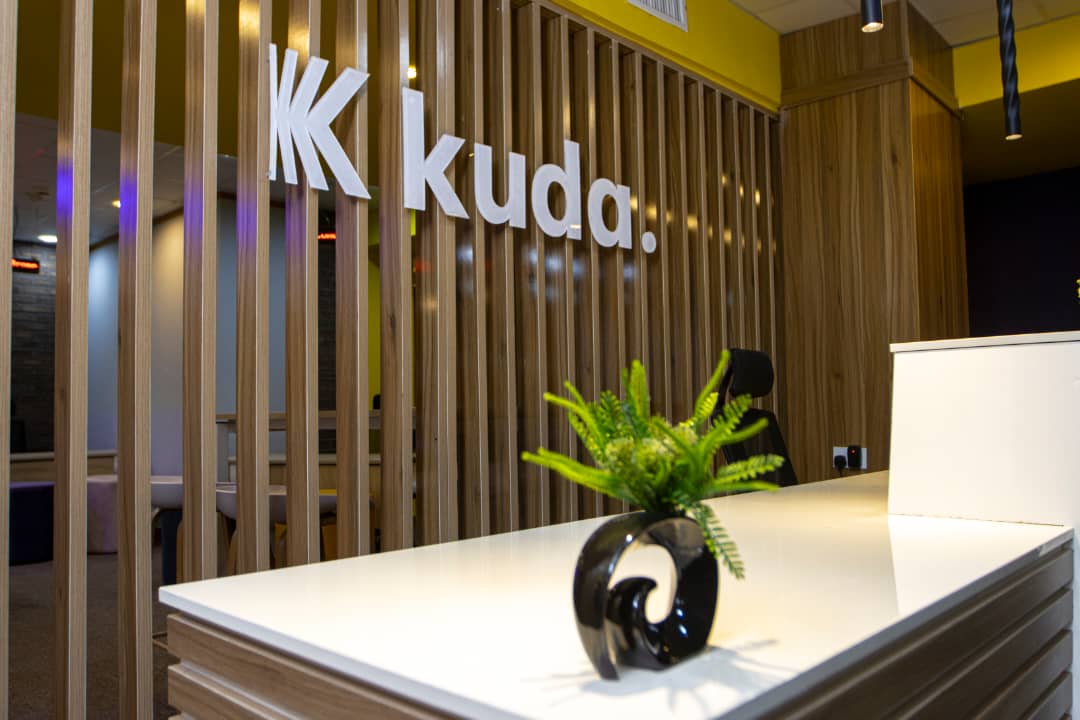
Recognized in the Neobank section, Kuda’s inclusion highlights its rapid growth, innovative approach, and increasing influence in the global digital banking sector. Often referred to as “the bank of the free”, Kuda has been at the forefront of transforming digital banking in Nigeria since its inception.

By leveraging technology to offer seamless, customer-centric banking services, Kuda has quickly gained a substantial user base and attracted significant investor interest. Unlike traditional banks, Kuda operates entirely online, offering users a range of banking services without the need for physical branches. The Neobank provides a comprehensive suite of services, including savings accounts, personal loans, and budgeting tools, all accessible through a mobile app.

On the other hand, Palmpay was recognized in the payments section, highlighting its remarkable growth, innovative solutions, and increasing impact on the global payments landscape. Since its launch in 2019, Palmpay has rapidly established itself as a leading player in the digital payments space in Nigeria and beyond.

The company offers a wide range of services, including mobile payments, money transfers, and bill payments, all accessible through a user-friendly mobile app. By providing secure, fast, and convenient payment solutions, Palmpay has gained a significant customer base and become a key driver of financial inclusion in the region.

The Fintech company rise is significant in the context of financial inclusion in Africa. With a large portion of the population unbanked or underbaked, digital payment platforms like Palmpay play a crucial role in bridging the gap. By providing accessible financial services, it has helped to bring more people into the formal financial system, promoting economic participation and growth.

The inclusion of PalmPay and Kuda in CNBC’s, Top 250 Fintech Companies for 2024 underscores the growing influence and innovation of Nigeria’s fintech landscape. Their recognition no doubt reflects the dynamic growth and potential of African fintech companies on the global stage.
EndSARS: ECOWAS Court Found Nigerian Government Guilty of Lekki Massacre in Landmark Ruling

0

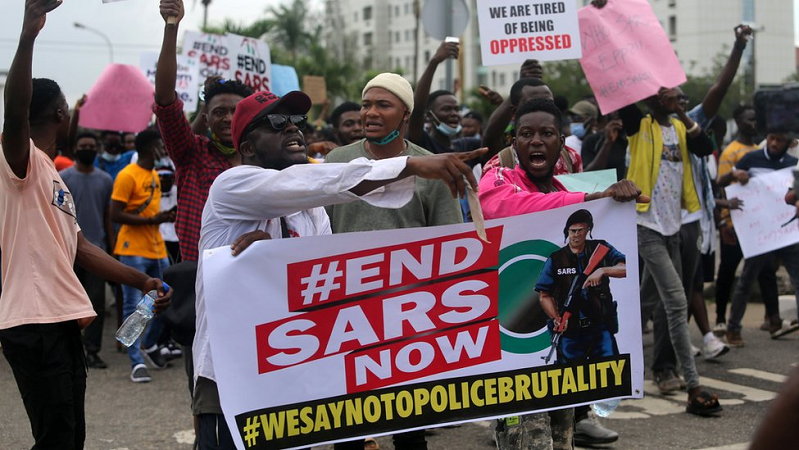
In a landmark decision, the Economic Community of West African States (ECOWAS) Community Court of Justice has ruled against the Nigerian government for its disproportionate use of force against #EndSARS protesters at the Lekki Tollgate in October 2020.

The ruling, delivered by Justice Koroma Mohamed Sengu, highlights severe violations of human rights and mandates compensation for the victims.

The court condemned the Nigerian government’s response to the peaceful protests, noting the excessive and lethal force used by security forces. The court found that live rounds were fired into the crowd of unarmed protesters, causing numerous casualties. This, it said, constituted a breach of multiple international human rights standards, including Articles 1, 5, 6, 9, 10, and 11 of the African Charter on Human and Peoples’ Rights.

In his ruling, Justice Sengu stated, “The disproportionate use of force by the Nigerian security forces at the Lekki Tollgate was unnecessary and violated the fundamental rights of the protesters to life, liberty, security, and freedom of assembly and expression.”

Following the decision, the court ordered the Nigerian government to pay N2 million in compensation to each of the victims named in the suit. It also mandated the government to conduct thorough investigations into the human rights abuses that occurred, to implement the outcomes of these investigations.

Additionally, the government was instructed to report back to the court within six months with an update on both the compensation and the progress of the inquiry.

The Backstory of the Legal Battle

The case was brought before the ECOWAS Court by a coalition of human rights activists and organizations, alleging severe human rights violations by Nigerian security forces.

Amnesty International also submitted an Amicus Brief, which the court admitted. The court’s decision was based on a comprehensive examination of evidence and testimonies, which confirmed the government’s use of excessive force and its failure to allow the protesters their rights to freedom of expression, assembly, and association.

Bolaji Gabari, lead counsel for the applicants, hailed the ruling as a significant victory for the #EndSARS movement.

“This judgment is an acknowledgment that citizens’ rights were violated and that abuses occurred at Lekki Tollgate,” Gabari said. “We urge the Nigerian government to comply fully with the court’s orders and address the systemic issues identified in the judgment.”

Mojirayo Ogunlana, another counsel of the applicants, recalled that the Nigerian government initially failed to present a defense until 2023. When it finally did, the government claimed the EndSARS peaceful protest was unlawful and perpetuated by hoodlums.

“The landmark ruling by the ECOWAS Court in favor of EndSARS victims is a powerful affirmation of justice and a significant step towards healing and accountability for the Lekki Tollgate tragedy,” added Nelson Olanipekun, Executive Director at Gavel, the coordinating organization for the coalition.

The EndSARS Story

On October 20, 2020, Nigerian security forces fired at peaceful and unarmed protesters at the Lekki Tollgate, marking a violent end to the #EndSARS protests. These protests had begun organically in Delta State 17 days earlier and quickly spread across the country, with calls for justice against police brutality.

In December 2021, three victims brought the case, Obianuju Catherine & 2 Others v. Federal Republic of Nigeria (ECW/CCJ/APP/72/2021), before the ECOWAS Court to seek justice for themselves and others affected by the violations. The court’s verdict builds on findings from a judicial panel set up by the Lagos State government, which concluded that Nigerian Army officers “provocatively and unjustifiably” shot at and killed several #EndSARS protesters.

In November 2021, a judicial panel set up on October 19, 2020, by the Lagos State government to probe the Lekki Massacre, concluded their investigation, after interviewing many witnesses and examining available evidence. It found that there was a killing of unarmed protesters by the Nigerian security forces at Lekki Toll Gate on October 20, 2020.

In a 309-page report, which was submitted to the Lagos State government, the panel reported that officers of the Nigerian Army “provocatively and unjustifiably” shot live bullets and killed several #EndSARS protesters at the Lekki Tollgate, and then took their corpses away.

The panel concluded its report, listing the names of those killed and making several key recommendations.

The panel called for disciplinary actions against officers who obstructed the investigation, specifically Lt. Col S.O. Bello and Major General Godwin Umelo, for refusing to honor the summons.

“All officers (excluding Major General Omata) and men of the Nigerian Army deployed to the Lekki Toll Gate on October 20, 2020, should face appropriate disciplinary action, be stripped of their status, and dismissed, as they are not fit and proper to serve in any public or security service of the nation,” the report stated.

Additionally, the panel recommended that all arrested protesters be granted bail and prosecuted if evidence exists or released immediately if no prima facie evidence is found.

The panel also advised against the Nigerian Army’s involvement in internal security matters.

Furthermore, the Divisional Police Officer of Maroko Police Station, along with officers deployed from the station on October 20th and 21st, 2020, should be prosecuted for arbitrary and indiscriminate shooting and killing of protesters.

Despite the government’s denial that the killings happened, in July 2023, A leaked memo addressed to the Lagos State Ministry of Health indicated that the State Government approved N61,285,000 for the mass burial of 103 persons identified as 2020 EndSARS victims, sparking outrage.

While the ruling by the ECOWAS Court brings a measure of reprieve to the victims, many have expressed concern that the Nigerian government, notorious for disobedience to court orders, will not abide by the judgment.

The government has yet to implement any of the recommendations made by the panel set up by the Lagos State Government. Nonetheless, many believe the judgment represents a crucial step towards justice and accountability for the victims of the Lekki Tollgate tragedy and the broader #EndSARS protest.

Rwanda Will Not Refund £270m as UK Cancels Controversial Asylum Seeker Deal

0

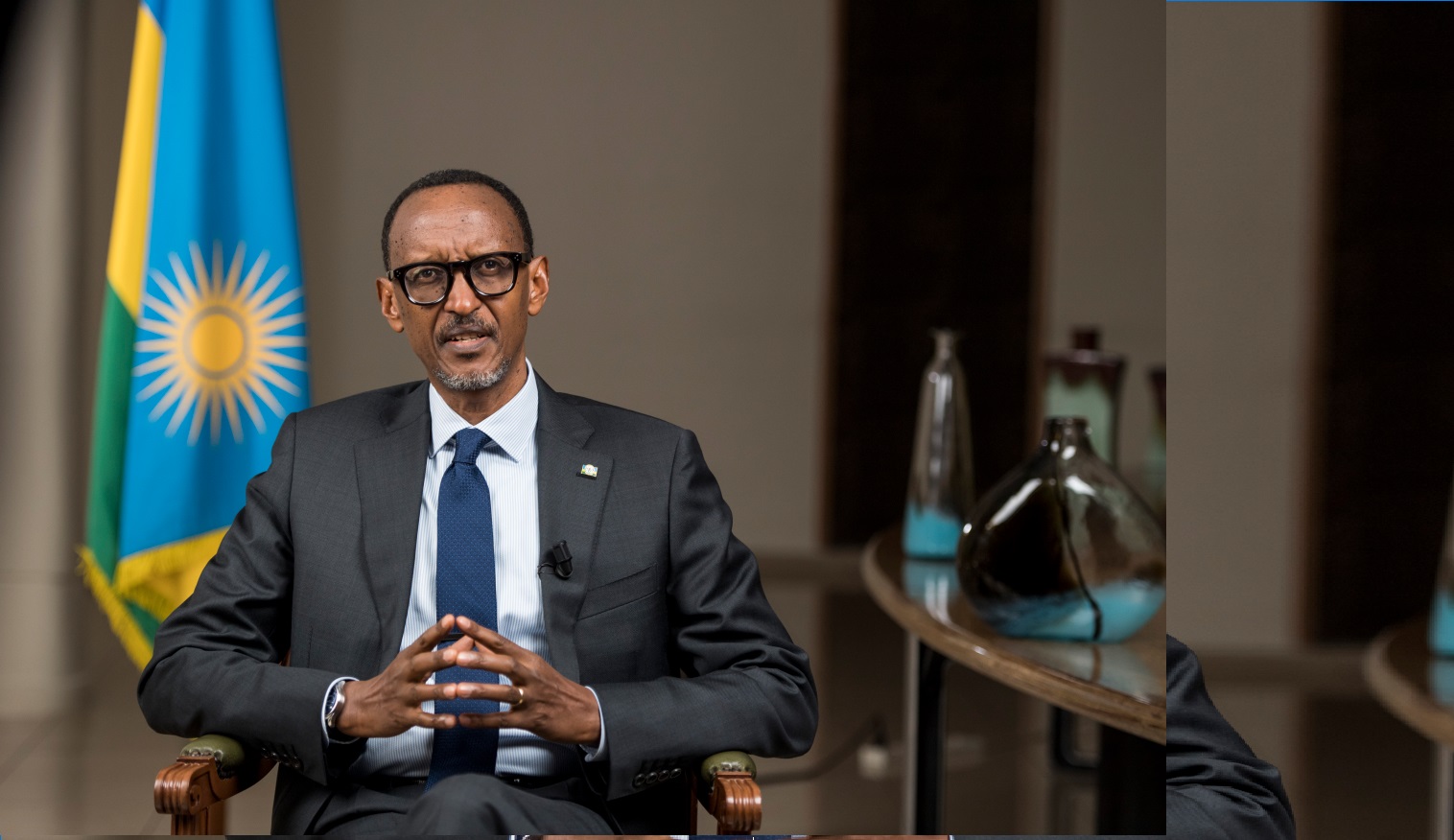
Rwanda has firmly stated that it will not refund the £270 million paid by the UK for a controversial asylum seeker programme, despite the new UK government’s decision to cancel the initiative.

Dr. Doris Uwicyeza Picard from the Rwandan Ministry of Justice emphasized that Rwanda has fulfilled its obligations under the agreement, and the issue remains a “UK problem.”

“We are under no obligation to provide any refund. We will remain in constant discussions. However, it is understood that there is no obligation on either side to request or receive a refund,” Dr. Uwicyeza Picard told the BBC World Service.

The Agreement and Its Fallout

The UK had paid £270 million to Rwanda as part of the Migration and Economic Development Partnership. This agreement aimed to help the UK manage its asylum seeker issues by relocating migrants to Rwanda.

However, not a single migrant has been forcibly deported to Rwanda, and only four failed asylum seekers have voluntarily moved there after being offered £3,000 each.

Although British ministers have not officially notified Rwanda of their intention to terminate the five-year agreement, Dr. Uwicyeza Picard acknowledged that Rwanda is aware of Sir Keir Starmer’s decision to cancel the deal, announced shortly after his election victory.

According to the agreement’s break clause, the UK can withdraw from two scheduled payments of £50 million in 2025 and 2026 without incurring penalties. The UK government is likely still responsible for funding the asylum seekers already sent to Rwanda.

“We were informed of the UK’s decision. We take note of the UK’s decision to terminate the agreement,” Dr. Uwicyeza Picard stated.

She reiterated Rwanda’s commitment to the partnership, highlighting that Rwanda stepped up to provide safety and opportunities for migrants as it has done in the past.

“Rwanda has maintained its side of the agreement and we have ramped up capacity to accommodate thousands of migrants and asylum seekers,” she said.

Dr. Uwicyeza Picard expressed concern over the criticism Rwanda faced due to misconceptions about the deal, noting, “It was because of this misconception that it was a Rwanda deal. Rwanda is not a deal; it is a country full of people whose policies are informed by the country’s recent history.”

She implicitly criticized the UNHCR, a major opponent of the scheme, which labeled Rwanda as unsafe for migrants while simultaneously working with Rwanda to accommodate asylum seekers from other countries.

“We work with organizations to take people from countries like Libya and provide them with opportunities in Rwanda. It beggars belief as to why Rwanda would be safe with these migrants rather than those migrants just because of the country they are coming from,” she said.

The termination of the agreement is complicated by a group of Sri Lankan Tamil asylum seekers transferred to Rwanda from the British territory of Diego Garcia. These asylum seekers have reported feeling “isolated and unsafe” in Rwanda and hope for relocation to a more permanent place.

Probing the Deal, The Labour’s Plan

Yvette Cooper, the British Home Secretary, has ordered an audit of the costs and liabilities of the Rwanda scheme, with a report expected before the summer recess at the end of July.

Labour argues that scrapping the Rwanda scheme will free up £75 million in the first year of their government, which they plan to use to establish a new Border Security Command. This new command will include Border Force, MI5, and the National Crime Agency (NCA) to crack down on people-smuggling gangs.

More than 90,000 migrants earmarked for deportation to Rwanda by Rishi Sunak’s government will now enter the UK’s asylum system, allowing them to apply for leave to remain. The UK government also faces a potential multi-million-pound compensation bill from over 200 migrants who claim wrongful detention for flights to Rwanda.

A spokesman for Ms. Cooper criticized the scheme as a waste of taxpayer money, saying, “This demonstrates a scandalous lack of care for taxpayers’ money – hundreds of millions of pounds wasted on a gimmick that only saw four people removed in over two years. Imagine what that money could have done if it had been channeled into boosting Britain’s border security?”

Innovate Africa Launches with $2.5M Angel Fund for Early-Stage Africa-Focused Startups

0

Innovate Africa, an angel investment fund that supports early-stage founders in funding life-changing ideas, taking startups from conception to product, and financing innovative ventures, has launched with an initial $2.5 million rollout.

Co-founded by Kristin Wilson and Christian Idiodi, the sector-agnostic fund aims to support up to 20 startups in its first year to solve complex, recognized problems such as insecurity, unemployment, and poverty with purpose-driven technology.

Since 2019, the African funding landscape has witnessed positive growth, with disclosed exits surpassing $2.3 billion, representing a significant 13.4% of the total $17.2 billion raised by African startups. Despite this growth, early-stage founders face challenges navigating the path from ideation to market fit. The persistent lack of early-stage funding further compounds these difficulties, hindering many startups from reaching their full potential and contributing to the continent’s economic growth.

With a mission to empower startups to thrive in Africa’s ever-evolving tech landscape, Innovate Africa Fund will provide insight-driven capital that helps founders accelerate the journey from Minimum Viable Product (MVP) to Product-Market Fit (PMF). The goal is to facilitate the infrastructure that enables founders to unlock growth through audacious problem-solving, supported by access to a comprehensive ecosystem of resources.

With an average investment of $50,000, the venture fund offers a comprehensive support package designed to propel promising startups toward success. The robust suite of critical advisory resources includes expert guidance in finance, governance, public relations, and strategy, ensuring a solid foundation for growth. Through its Product Leadership Accelerator, the fund delivers crucial product development support, helping startups refine their offerings and achieve product-market fit. It also facilitates talent resourcing via an extensive partner network, connecting startups with skilled professionals across various domains.

The fund’s portfolio strategy encompasses first cheque funding, a refined product operating model, valuable network and partnerships, assistance with revenue model iterations, and comprehensive operations and governance advisory. This holistic approach aims to accelerate startups’ path to success, providing them with the tools, resources, and connections needed to navigate early-stage challenges and achieve sustainable growth.

Innovate Africa Fund is anchored by a network of experienced operators and product specialists across Africa, providing a vigorous foundation of knowledge and experience to guide early-stage founders towards success. Managing Partner, Kristin is also the Chief Strategy Officer at Spurt!, a Venture Partner at Oui Capital, an Investment Lead for the Rising Tide Africa Angel Network, and a General Partner at the Bold Angel Fund.

She has a portfolio of 34 African startups including 26 tech startups such as Hoaq, Clafiya, Shuttlers, and OmniRetail–recognized as 2024’s Africa’s Fastest Growing Company by the Financial Times. Kristin’s portfolio companies have generated over $100m in revenue and collectively serve over 100,000 users.

Complimenting Kristin’s expertise is Christian, Founder of Firtsi and Work Nigeria. A world-renowned product expert, Christian is a partner at the Silicon Valley Product Group (SVPG) and helps companies transform the way they work to create products customers love and bring immense value to the business. He is co-author of INSPIRED, EMPOWERED, LOVED, and TRANSFORMED–New York Times Best-Selling books that have shaped product management globally.

He has shaped companies like Amazon and Merrill Corporation and tackled complex product challenges for industry giants like Microsoft, Interswitch, and Squarespace. His extensive background in enterprise and consumer products has helped scale businesses from the ground up. His track record includes successfully founding over two dozen companies worldwide.

Speaking about the launch of the Fund, Kristin Wilson, Managing Partner of Innovate Africa Fund said,

“Having witnessed the struggles that early-stage African founders face up close, we know that brilliant ideas often lack the resources they need to truly thrive. It’s not just about funding, it’s about deep expertise and strong connections–and our investment strategy breaks the cycle of innovators being at the mercy of those with too much leverage and too little knowledge.

“As a founder-first catalyst fund, we provide insight-driven capital to help founders accelerate their journey from MVP to PMF. By providing this support and funding, innovators can focus their efforts on building sustainable, transformative businesses that solve wicked problems and return value to investors”

“Through the Innovate ecosystem, we connect our portfolio companies with seasoned operators and advisors, both in Africa and globally, to ensure they get the expertise they need,” says Christian Idiodi, Founder of Innovate Africa Foundation. “The African diaspora has sent over $150 billion back to the continent in the past three years, but financial support alone isn’t enough. Many are eager to contribute their talent and expertise to impactful ventures, and that’s where we come in. It takes an ecosystem to build a startup. By reaching founders at a very early stage, we can connect them to key partners and help foster their success. Ultimately, our decisions today will shape who builds, owns, and benefits from the next wave of disruptive technology in emerging markets.”

Innovate Africa Fund is part of an ecosystem of companies, working together to empower Africa with meaningful technology. Through the fund, Innovate Founders will have access to the Product Leadership Accelerator, Pan-African Product Tours, InspireAfrica Gatherings, and Silicon Valley Product Group Coaching Programs.

Applications are open for founders across Africa who meet the six criteria for screening: Character, Credibility, Capacity, Courage, Competence and Context. Interested founders can apply via https://innovateafricafund.com/

OpenAI Blocks Chinese Users From Accessing its Tools and Services

0

OpenAI has notified its users in China that they will be blocked from accessing its tools and services starting July 9. This move is seen as a response to rising geopolitical tensions between the United States and China, as well as security concerns stemming from a hacking incident last year.

This decision marks a major shift in the AI industry, particularly for Chinese developers who have relied on OpenAI’s advanced technologies to refine their own generative AI applications.

One of the primary factors behind OpenAI’s decision is the escalating tension between the United States and China. This tension has already led to the US imposing restrictions on the export of certain advanced semiconductors to China. These semiconductors are crucial for training sophisticated AI models, and their restricted availability puts pressure on various segments of the AI industry.

In light of these tensions, OpenAI’s move to block access from China can be seen as a precautionary measure to align with broader US policies aimed at curbing China’s technological advancements. By limiting access to its AI tools, OpenAI is effectively participating in the US’s strategy to maintain a competitive edge in the AI sector.

Another critical aspect influencing OpenAI’s decision is the security breach that occurred last year. Early in 2023, a Chinese hacker infiltrated OpenAI’s internal messaging systems, gaining access to sensitive details about the company’s technologies.

Although the hacker did not breach the core systems housing key AI technologies, the incident exposed vulnerabilities and raised significant security concerns within the company.

The breach, disclosed to OpenAI employees and the board in April 2023, heightened fears about the potential for foreign adversaries, particularly China, to gain insights into OpenAI’s technological advancements. Despite the company’s assurance that the hacker was likely an individual without government ties, the incident escalated, highlighting the need for OpenAI to bolster security measures to protect its technology.

Impact on the Chinese AI Community

The decision to block access has caused considerable concern within China’s AI community. Xiaohu Zhu, founder of the Shanghai-based Centre for Safe AGI, noted that the move raises questions about equitable access to AI technologies globally. With OpenAI’s tools now out of reach, Chinese developers face significant challenges in maintaining the same level of innovation and development.

However, this restriction also presents an opportunity for domestic AI companies such as SenseTime, Baidu, and Zhipu AI. These companies are swiftly stepping in to fill the void left by OpenAI, offering incentives such as free tokens and migration services to attract OpenAI’s former users.

This competitive response may accelerate the development of China’s AI capabilities, potentially narrowing the performance gap with US counterparts.

Long-Term Implications

While the immediate impact of OpenAI’s decision is a setback for Chinese developers, it may ultimately serve as a catalyst for the growth of domestic AI technologies. Winston Ma, a professor at New York University, noted that OpenAI’s departure could provide a long-term opportunity for Chinese large language models to be rigorously tested and improved.

Until now, Chinese AI firms have focused more on commercializing existing models rather than advancing the models themselves. This shift could drive innovation and enhance the competition.

However, the economic strain on companies affected by these restrictions is palpable. The AI industry in China, already grappling with challenges like the chip shortage, now faces additional hurdles in accessing cutting-edge AI tools. This situation may lead to a surge in clandestine markets for US semiconductors and software, as companies seek ways to circumvent these restrictions.