DD
MM
YYYY

PAGES

DD
MM
YYYY

spot_img

PAGES

Home Blog Page 3140

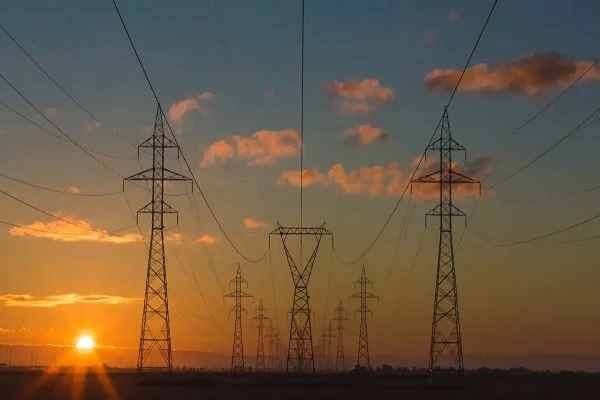
Nigeria Rebalances Electricity Tariff for Competitiveness

0

I wrote this, supporting the thesis that Nigeria must have reflective pricing, even as it works to find ways to subsidize electricity for industrial customers: “There are 3 classes of electricity customers – Residential, Commercial and Industrial. You use reflective tariffs for residential (homes) and commercial (like bank offices) while you subsidize industrial (like cement, biscuit factories). In Ethiopia, Dangote Cement – an industrial customer – receives massive subsidies and runs on the national grid.

“In Nigeria,  the company  is not connected to the grid as they have an independent power plant. That creates a big problem for DISCOs – some of their best customers in Nigeria have alternatives to the national grid, and even if you invest and improve capacity, you are left with residential and low-tier commercial customers which to a large extent are challenging to serve and not as lucrative as the industrial.”

Today, Nigeria has a playbook: “In a move bound to affect a segment of electricity consumers, the Nigerian Electricity Regulatory Commission (NERC), acting on behalf of the federal government, has given the green light for an increase in electricity rates for consumers categorized under Band A.”

Good People, that is a good policy. In all industrialized nations, electricity is subsidized for industrial customers. And Nigeria running its tariff in bands is a good policy, provided “connections” will not enable some people/companies to switch bands for tariffs.

Now, the big questions: would some Band A customers go to court? Recall the last time this happened, they went to court and a judge ruled for them, against tariff increase, causing dislocations in Nigeria’s electricity sector.

Comment: Doing what industrialized nations do without being industrialized does not industrialized Nigeria. In priority, is hiking the electricity prize a great step in today’s Nigeria? What’s the Multi-Dimensional Poverty rate across Nigeria today?

My ResponseThe electricity rate in Nigeria is such a mess that no company will invest in that, unless it is a charity. We have to be real and deal with that. In some states, water rates were last reviewed in 1997. That is why no investor goes there. Unless we want charities, these changes must be made for REAL investors! I can tell you that the government will get: “we like your market but we cannot invest in those rates because we cannot make money”.
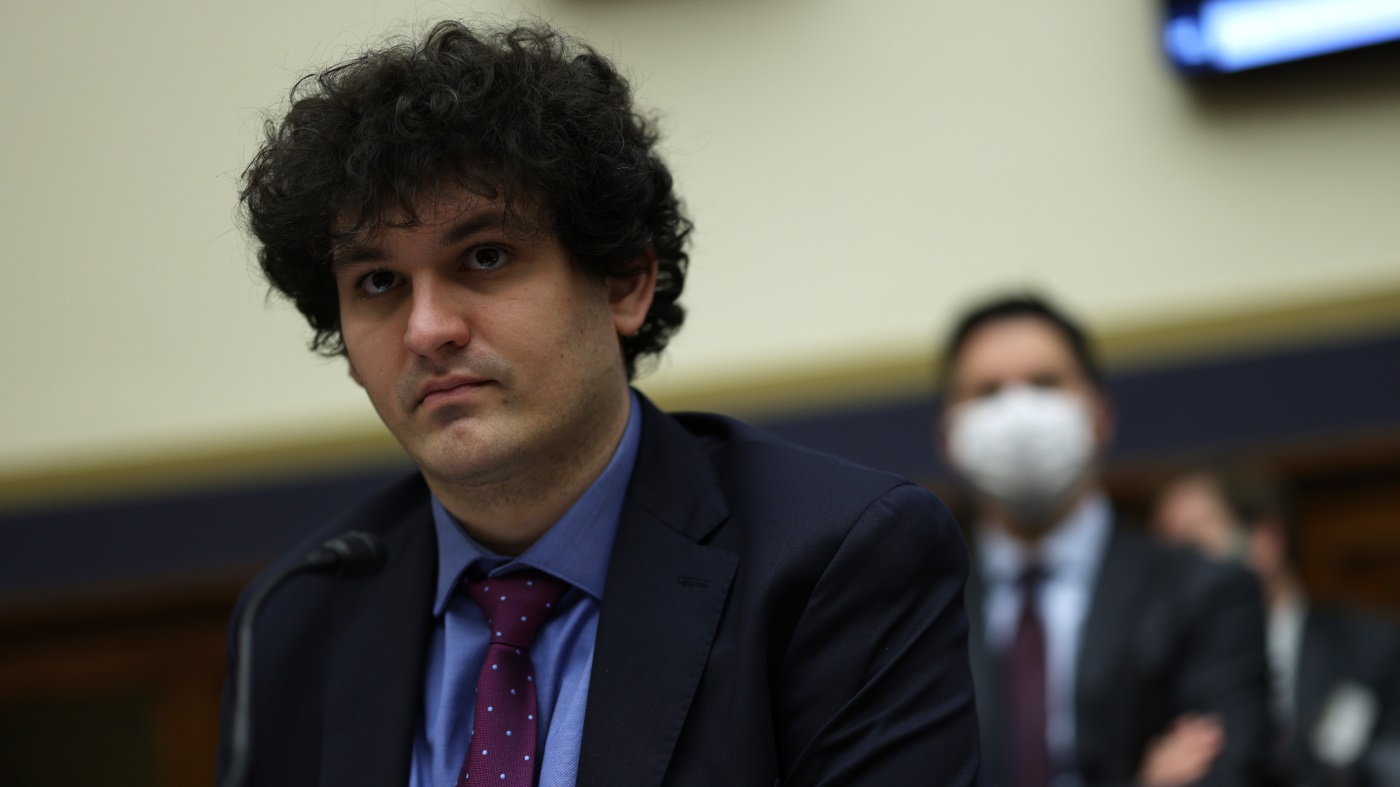

The Spectacular Rise and Fall of Sam Bankman-Fried

0

The story of Sam Bankman-Fried, often referred to by his initials SBF, is a modern-day Icarus tale that has captured the attention of the financial world. His journey from a cryptocurrency prodigy to a convicted fraudster serves as a stark reminder of the volatility and risks inherent in the crypto industry.

Bankman-Fried’s early success was nothing short of meteoric. As the founder of FTX, a prominent cryptocurrency exchange, he quickly became a celebrated figure in the digital finance arena. His platform’s innovative approach to crypto trading and his charismatic persona helped him amass a fortune and a following. However, this success story took a dramatic turn as allegations of financial misconduct surfaced.

In what has been described as one of the largest financial frauds in U.S. history, Bankman-Fried was found guilty of multiple counts of wire fraud and conspiracy to launder money. The charges stemmed from the misuse of customer funds, which were allegedly siphoned into FTX’s sister hedge fund, Alameda Research, to cover losses and maintain solvency.

The downfall of Bankman-Fried was swift and severe. Once hailed as the king of cryptocurrency, he faced a precipitous fall from grace, culminating in a 25-year prison sentence. The impact of his actions rippled through the crypto world, affecting thousands of individual and institutional investors who had placed their trust in FTX.

The case against Bankman-Fried highlighted the darker side of the crypto industry—a world where the lack of regulation and the allure of quick wealth can sometimes lead to unethical practices. His story is a cautionary tale that underscores the need for greater oversight and ethical standards within the sector.

As the dust settles on this saga, the crypto community is left to reflect on the lessons learned. The rise and fall of Sam Bankman-Fried is a reminder that while innovation and ambition can drive progress, they must be tempered with responsibility and integrity. It is a narrative that will undoubtedly influence the future of cryptocurrency and the approach to its regulation.

For those looking to understand the complexities and risks of cryptocurrency trading, the tale of Sam Bankman-Fried provides valuable insights. It serves as a warning that, in the pursuit of financial innovation, one must never lose sight of the ethical compass that guides sound business practices. The legacy of Bankman-Fried’s rise and fall will resonate for years to come, shaping the ethos of an industry at the crossroads of technology and finance.

The crypto world has seen its fair share of dramatic rises and falls, reflecting the volatile nature of this burgeoning industry. While Sam Bankman-Fried’s case is indeed remarkable, he is not alone in experiencing a significant downfall. These cases highlight the inherent risks and the need for due diligence in the crypto industry. They serve as a reminder that while the potential for innovation and wealth creation is vast, the path is fraught with challenges and potential pitfalls.

Burnt $XION raises $25 millions in Series A Round

0
Fund, money cash dollar

In a remarkable turn of events, XION, the blockchain initiative from the innovative team at Burnt, has successfully secured $25 million in Series A funding. This significant financial milestone marks a pivotal moment for XION, as it aims to redefine the landscape of consumer ready Web3 products.

Founded by the enigmatic “BurntBanksy,” XION has emerged from its parent company, Burnt, a Web3 foundry known for its smart contract development toolchain. The platform’s mission is to empower developers to create, launch, and scale applications that are ready for mainstream adoption, addressing the complexities often associated with blockchain technology.

The funding round, which took place earlier this month, saw contributions from a consortium of top-tier investors, including Multicoin, Animoca, and Arrington Capital, among others. This influx of capital is a testament to the confidence these investors have in XION’s vision and the potential impact it could have on the industry.

XION’s approach is revolutionary, focusing on user experience by rethinking traditional wallet interfaces, gas fees, and denominations. The platform introduces multiple abstractions at the protocol level, enabling a more familiar and intuitive user experience akin to what consumers expect from Web2 services.

The journey of XION is intertwined with the provocative actions of its founder, who made headlines in 2021 by burning an original Banksy painting valued at $95,000 and converting it into a non-fungible token (NFT). This NFT later sold for a staggering $400,000, highlighting the shifting paradigms of value in the digital age.

With over $36 million in total funding and a robust ecosystem of developers, validators, and builders, XION is well-positioned to scale the path to a frictionless Web3 future. The platform’s features, such as Meta Accounts and gasless transactions, are engineered to provide seamless mobile experiences and powerful protocol-level abstracted accounts, ensuring true accessibility for users across the globe.

XION’s recent triumph in securing Series A funding is a significant milestone that transcends mere financial gain. This achievement is indicative of the confidence investors have in XION’s vision, the viability of its business model, and the potential impact of its products or services on the market.

The influx of capital from Series A funding typically enables a startup to refine its product offerings, expand its team, and scale operations. For XION, this could mean accelerating product development to stay ahead of the curve in innovation. It’s an opportunity to attract top talent who can bring fresh ideas and expertise to the table, fostering a culture of excellence and creativity.

Moreover, successful funding rounds often increase a company’s visibility in the industry, attracting potential customers, partners, and even future investors. It’s a sign that XION is ready to transition from a startup with potential to a serious player in its respective field.

As XION prepares for its Mainnet launch, the excitement within the blockchain community is palpable. The platform’s philosophy, engineered for user-first experiences, promises to usher in a new era of consumer adoption for blockchain applications.

The success of XION’s Series A funding round is not just a financial achievement; it’s a harbinger of the transformative potential that blockchain technology holds. It’s a clear indication that the industry is ready to embrace solutions that prioritize user experience and accessibility, paving the way for widespread adoption.

XION’s successful fundraising round has attracted participation from renowned names such as Animoca Brands, Laser Digital, Multicoin, Arrington Capital, Draper Dragon, Sfermion, GoldenTree, and various other organizations. This solidifies XION’s position and immense potential in this emerging technology market.

Taiwan Earthquake Leaves Several Dead and Disrupts Semiconductor Production

0

A powerful earthquake measuring approximately 7.4 in magnitude struck Taiwan on Wednesday morning, resulting in significant casualties and disruptions to vital industries. Official reports confirm at least seven fatalities and numerous injuries in the aftermath of the seismic event, which ranks as one of the strongest to hit the island in decades.

The quake’s impact extended beyond human casualties, affecting critical infrastructure and economic activities. TSMC (Taiwan Semiconductor Manufacturing Company), the world’s largest manufacturer of computer chips and a linchpin in the global semiconductor supply chain, temporarily suspended operations in response to the earthquake.

Reports from Bloomberg indicate that TSMC halted production and evacuated some of its facilities following the earthquake. While workers are now returning to TSMC’s fabs, further inspections of the highly sensitive equipment used in chip production are underway to ensure safety and assess potential damage.

TSMC issued a statement confirming the activation of safety protocols and preventive measures in response to the earthquake. The company assured that all personnel were safe, with evacuated employees gradually returning to their workplaces. However, construction activities have been suspended for the day as a precautionary measure, pending thorough inspections.

The impact of TSMC’s temporary shutdown on the global semiconductor supply chain remains uncertain but is expected to be significant. Even a brief disruption in production could have lasting repercussions on the market, given TSMC’s pivotal role in supplying chips to major technology companies like Nvidia, AMD, and Apple.

While Taiwan’s Hsinchu Science Park administration expressed confidence in the stability of operations, the earthquake’s proximity to key technology hubs raises concerns about potential disruptions beyond TSMC’s facilities. The eastern side of Taiwan, closest to the earthquake’s epicenter, bore the brunt of the tremors, but the quake was felt across the entire island.

In response to the disaster, Japan has offered assistance to Taiwan as rescue efforts continue to aid those affected by the earthquake. The incident underscores the vulnerability of Taiwan’s semiconductor industry, which plays a crucial role in global technology supply chains.

While efforts are underway to diversify semiconductor production beyond Taiwan, with companies like Intel and Samsung expanding operations in other countries, the earthquake serves as a reminder of the region’s significance in global semiconductor manufacturing. The aftermath of the quake will likely prompt a reassessment of resilience measures and contingency plans within the industry to mitigate future disruptions.

The earthquake and the subsequent disruption to TSMC’s operations could have significant implications for the global semiconductor supply chain. Here are some further implications:

Supply Chain Disruptions: TSMC’s temporary shutdown may lead to delays in chip production, affecting the availability of critical components for various industries. Companies reliant on TSMC for chip manufacturing, including technology giants like Nvidia, AMD, and Apple, could face challenges in meeting demand for their products.

Impact on Tech Companies: Technology companies that rely on TSMC for chip supply may experience production delays or shortages, potentially affecting product launches and sales. This could have ripple effects across the entire technology ecosystem, impacting consumer electronics, automotive, and other sectors.

Market Volatility: The uncertainty surrounding TSMC’s operations and the potential impact on chip supply could lead to market volatility. Investors may react to news of disruptions by adjusting their positions in semiconductor stocks, leading to fluctuations in stock prices and broader market indices.

Increased Costs: Supply chain disruptions often result in increased costs for companies as they scramble to find alternative sources for components or absorb additional expenses associated with delays. This could lead to margin pressures for technology companies and potentially higher prices for end consumers.

Long-Term Supply Chain Resilience: The earthquake serves as a reminder of the importance of diversifying semiconductor manufacturing beyond Taiwan. Companies may accelerate efforts to build redundancy into their supply chains by investing in additional manufacturing capacity in other regions or exploring alternative suppliers.

Regulatory Scrutiny: The disruption caused by the earthquake may prompt regulators and policymakers to reassess the concentration of semiconductor manufacturing in Taiwan and its implications for global supply chain resilience. This could lead to discussions around incentivizing investments in semiconductor manufacturing in other countries or implementing measures to mitigate supply chain risks.

Abia State Government Plans Contributory Pension Scheme for Civil Servants

0

In a move geared towards improving pension administration in Abia State, the government has announced plans to implement a Pension Contributory Scheme for civil servants.

This decision comes in the wake of the recent repeal of the controversial jumbo pension scheme for ex-governors, reflecting the government’s commitment to fiscal responsibility and transparency.

Okey Kanu, the Commissioner for Information and Culture, made this announcement during a press briefing held on Tuesday at the Government House in Umuahia.

“The state government has concluded plans to introduce a contributory pension scheme for Abia civil servants,” stated Kanu, emphasizing the advanced stage of preparations for the scheme’s establishment. “The plans for establishing the scheme have gone very far and very soon we would start the cutover to a contributory pension scheme,” he added, underlining the government’s determination to modernize the pension system and ensure its sustainability.

The proposed contributory pension scheme aims to streamline the pension payment process, ensuring timely disbursement and full payments to pensioners.

Kanu highlighted that under the new scheme, pensioners would receive their pensions in full and on the 28th of every month, aligning with the payment schedule for civil servants.

This initiative seeks to provide pensioners with financial security and a sense of dignity in retirement, addressing longstanding challenges in pension administration.

Efforts are also underway to address issues related to pension arrears payment, with the Ministry of Finance establishing a help desk to assist pensioners with inquiries and resolve any discrepancies in payments. This proactive approach aims to ensure a smooth and transparent process, restoring confidence in the pension system and fostering trust between the government and pensioners.

In addition to pension reforms, the state government is prioritizing infrastructure development to enhance the overall well-being of its citizens. Kanu announced the approval for the reconstruction of the 3.5-kilometer Ekeakpara road, emphasizing the importance of improving connectivity and aesthetics in the area. The road rehabilitation project will include the installation of a concrete drainage system, enhancing its durability and lifespan for the benefit of residents and commuters.

Furthermore, preparations are underway for the upcoming Association of Nigerian Physicians in the Americas Medical Mission in the state, reflecting the government’s commitment to improving healthcare delivery.

Kanu highlighted the overwhelming interest shown by prospective patients, with registrations exceeding expectations. The medical mission is expected to provide essential healthcare services to hundreds of patients, addressing critical healthcare needs in the community.

“The Ministry of Health and ANPA joined forces to have about 200 patients undergo surgery but the number has now increased to about 350 patients because of the massive interest people have shown. The number of registered patients shows that it is going to be a hectic period for those involved. This means that they will be carrying out surgeries on about 25 patients per day; that’s very huge by any stretch of imagination,” Mr Kanu said.

The Abia State Government has continued to be praised for implementing reforms and investing in infrastructure and social programs. The introduction of the contributory pension scheme is seen as a significant move in ensuring financial security for civil servants and retirees, fostering a more sustainable and inclusive economy in the state.