DD
MM
YYYY

PAGES

DD
MM
YYYY

spot_img

PAGES

Home Blog Page 3143

Implications of Robinhood’s Crypto Futures Listing

0

Robinhood, the popular trading platform known for its commission-free model, is reportedly considering a significant expansion into the cryptocurrency futures market in both the U.S. and Europe. This move could potentially reshape the landscape of crypto trading by providing more accessibility and options for retail investors.

The company’s interest in crypto futures comes on the heels of its acquisition of Bitstamp, one of the longest-running cryptocurrency exchanges. With this acquisition, Robinhood could leverage Bitstamp’s established presence in Europe to offer perpetual futures for Bitcoin and other tokens. In the U.S., the company is looking to launch CME-based futures for Bitcoin and Ether, which would mark a substantial entry into the derivatives market.

The implications of such an expansion are manifold. For one, it could lead to increased liquidity in the cryptocurrency markets, as futures contracts allow traders to hedge against price volatility and take leveraged positions. This could attract more institutional investors, who typically seek out more regulated and liquid markets.

Moreover, Robinhood’s user-friendly platform could democratize access to crypto futures, traditionally the domain of more sophisticated traders. By simplifying the experience, Robinhood may draw a new wave of retail investors eager to explore the potential of crypto derivatives.

However, this move is not without its challenges. Regulatory hurdles remain a significant concern, as evidenced by the Wells notice received from the U.S. Securities and Exchange Commission over tokens traded on its platform. The company will need to navigate these complexities carefully to avoid potential enforcement actions.

Market Volatility: Cryptocurrencies are known for their high volatility, which can lead to large price swings in a short period. This unpredictability can result in substantial gains, but also significant losses, especially for those who are not prepared for such fluctuations.

Leverage Risks: Many crypto futures platforms allow traders to use leverage, which means borrowing funds to increase the potential return on investment. While this can amplify profits, it also increases the risk of losses, and traders can end up owing more than their initial investment.

Liquidity Issues: The crypto market can sometimes face liquidity issues, making it difficult to enter or exit positions without affecting the market price. This can be particularly problematic when trying to close a losing position in a fast-moving market.

Regulatory Changes: The regulatory environment for cryptocurrencies is still evolving, and sudden changes can have a significant impact on the market. Traders need to stay informed about regulatory developments that could affect their trading strategies.

Furthermore, the expansion into crypto futures is likely to intensify the competition among trading platforms. Robinhood will be up against established players in the crypto derivatives market, such as Coinbase, which already offers similar products. The company’s ability to differentiate itself and capture market share will be critical to its success in this new venture.

Robinhood’s potential foray into the crypto futures market in the U.S. and Europe represents a bold step that could have far-reaching effects on the industry. It underscores the growing mainstream acceptance of cryptocurrency as a legitimate asset class and highlights the evolving nature of the market. As the situation develops, all eyes will be on Robinhood to see how this ambitious plan unfolds.
UK Fintech Revolut Announces Record $545 Million Net Profit For 2023

0

British Fintech company Revolut has published its annual financial report for the year ending 31 December 2023, in which it recorded significant profit and revenue growth, amid the increasingly macro-economic environment.

The Fintech revenue surged by 95% over the year, posting a better-than-expected profit before tax of 545 million, with a net profit of $428 million, achieving a net profit margin of 19%.

Revolut has maintained net profitability for three years, with the growth driven by a diversified revenue model and an expansion into new markets enhancing customer engagement.

The CEO Nik Storonsky, disclosed that the firm’s financial performance was fuelled by its diversified business model and expanding customer base.

In his words,

“This year we took our biggest steps yet on our mission to deliver the best product and the best customer experience at great value to customers, everywhere. Our customer base is expanding at impressive rates and our diversified business model continues to fuel exceptional financial performance, delivering revenues of over $2.2bn in 2023.

“Every day, our products create value for new customer segments and new global markets. We remain committed to our ongoing UK banking license application in addition to bringing the Revolut app to new markets and customers around the world. Even as we reached 45 million global retail customers six months into 2024, Revolut remains poised for exponential growth in 2024 and beyond, continuing to define the financial services landscape and we have known it”.

The company claims that no single product stream or country accounted for more than 30% of the total revenue in 2023.

Key revenue streams include:

  • Cards & Interchange: $605 million (£ 486 million), up 59% from $379 million (£306 Million).
  • FX & Wealth: $491 million (£396 million), up 46% from 334 million (£270 million).
  • Subscriptions: $303 million (£244 million), up 53% from $196 million (£159 million).

Customer Growth And Engagement

Revolut added nearly 12 million new customers globally in 2023, the highest year-on-year increase in the company’s history, bringing the total to 38 million. Approximately, 70% of these customers joined organically. The company has also made substantial investments in marketing and sales functions, particularly for Revolut Business, which onboarded 20,000 SMEs each month by the end of the year.

Monthly transaction volumes increased by 58%, reaching close to $870 billion (€700 billion), with 590 million transactions recorded in December 2023 alone, up 73%. The number of customers opting for paid subscriptions grew by 41%.

Market Expansion And Product Development

Revolt expanded its global footprint to 38 countries, including new markets in Brazil and New Zealand. The Fintech company also continued to develop local features across key European markets, which include;

  • Credit Products: Launched personal loans in France, Germany, and Spain, as well as credit cards in Ireland and Spain.
  • IBAN Services: Expanded local IBAN offerings in France, Ireland, Spain, and the Netherlands.
  • Savings & Funds: Introduced Money Market funds across 22 countries in the EEA, with balances reaching nearly $1.9 billion (£1.5 billion).

Looking ahead, Revolut aims to surpass 50 million customers by the end of FY24. The company has launched several new products in the first six months of 2024, which has continued to generate significant revenue. Notably, the Financial Times reports that the company is targeting exceeding $40 billion in a share that would cement its status as Europe’s most valuable startup.

As the cost of fuel Hits N769.62/liter, How Much longer can Nigeria Pay Subsidies?

0

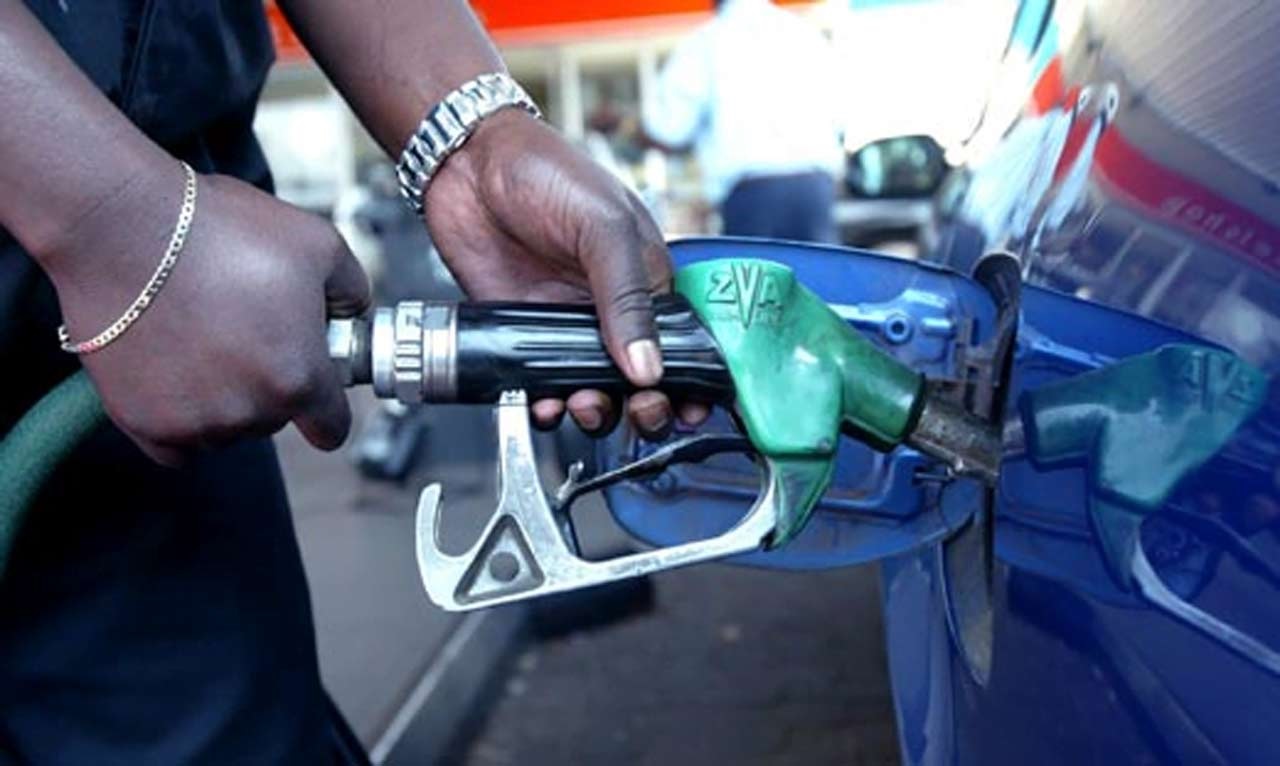
The National Bureau of Statistics (NBS) has revealed a dramatic surge in the average retail price of petrol in Nigeria, reporting a figure of N769.62 per liter in May 2024. This represents a staggering 223.21% increase from the N238.11 per liter recorded in May 2023 and a 9.75% rise from April 2024’s price of N701.24.

The significant hike follows the removal of petrol subsidies by President Bola Tinubu on May 29, 2023.

The NBS report, titled “Premium Motor Spirit (Petrol) Price Watch (May 2024),” highlights substantial regional variations in petrol prices across Nigeria. Jigawa State reported the highest average retail price at N937.50 per liter, followed by Ondo and Benue States, with N882.67 and N882.22 per liter, respectively. In contrast, Lagos, Niger, and Kwara States experienced the lowest average prices at N636.80, N642.16, and N645.15 per liter, respectively.

On a zonal level, the North-West Zone had the highest average retail price of N845.26 per liter, whereas the North Central Zone recorded the lowest at N695.04 per liter.

The removal of petrol subsidies has significantly impacted inflation rates in Nigeria. According to the NBS, the inflation rate surged to 33.95% as of May 2024, with food inflation soaring to 40%. There is concern that this economic strain will further be compounded as the rising landing cost of Premium Motor Spirit (PMS) further impacts the price of goods and services, weighing further down on the government’s ability to subsidize PMS.

Findings reveal that the landing cost of PMS increased by 46.8% year-on-year to N1,026.71 per liter in May 2024, up from N545.83 per liter in May 2023. This landing cost does not include additional charges such as deport-related fees, transportation logistics, and marketers’ margins, bringing the total delivery cost at filling stations to nearly N1,052.39 per liter, assuming an exchange rate of N1,510 to a dollar.

The Weight of Subsidy Payments Amidst Government’s Financial Struggles

Despite the government’s official stance of having removed petrol subsidies, the current pricing strategy indicates otherwise. The Nigerian National Petroleum Company Limited (NNPCL) continues to sell petrol at approximately N568 per liter at its retail outlets, a significant markup from the N238 per liter price of May 2023. Compared to the N1,052.39 per liter landing cost, there is a discrepancy suggesting that the government is effectively subsidizing petrol to the tune of over N400 per liter to maintain current pump prices.

The Dangote Refinery Challenge

A key part of Nigeria’s strategy to manage fuel subsidies was the operation of the Dangote Refinery, which was anticipated to significantly curtail the need for imported petrol and thus reduce subsidy payments. However, the refinery’s potential has been undermined by insufficient crude oil supply.

The NNPC, which holds a 20% equity stake in the Dangote Refinery, is required to provide a sufficient amount of crude oil. Still, Nigeria’s overall poor oil production has hindered this process. The refinery is struggling to secure the crude needed to operate at full capacity, delaying its ability to impact the subsidy situation meaningfully.

The Government’s Dilemma

The Nigerian government faces a challenging dilemma. On the one hand, the continued payment of petrol subsidies is financially untenable given the country’s heavy reliance on loans to fund its operations. On the other hand, the complete removal of these subsidies risks triggering widespread civil unrest.

The economic hardship following the subsidy removal has been profound, with many Nigerians facing increased living costs without a corresponding increase in income.

For many Nigerians, the spike in petrol prices has translated directly into higher costs for transportation, food, and other essentials. Businesses are also feeling the pinch, with increased operational costs leading to higher prices for consumers. The inflationary pressures have eroded purchasing power, leaving many families in a precarious financial situation.

How Much Longer Can the Government Pay?

The ongoing subsidization of petrol raises critical questions about the sustainability of such financial practices. With Nigeria’s government heavily reliant on loans to sustain its operations, the economic feasibility of continuing these subsidies is under scrutiny.

Against this backdrop, many Nigerians are increasingly concerned about how much longer the government can afford to subsidize petrol amidst escalating economic pressures and declining oil revenues.

Amid U.S. and European Sanctions, China’s Electric Vehicle Market Booms: Zeekr and Nio Set Records in First Half of 2024

0

China’s electric vehicle (EV) market is experiencing unprecedented growth, defying the impact of U.S. and European sanctions and forcing a competitive shift in the global auto industry.

Geely-owned Zeekr reported record deliveries in June, solidifying its position as the leader among U.S.-listed Chinese companies focusing solely on pure electric cars. With 20,106 cars delivered last month and 87,870 vehicles in the first half of 2024, Zeekr slightly surpassed Nio’s 87,426 deliveries for the same period. Nio also achieved a personal best with 21,209 deliveries in June, showing a strong recovery from earlier in the year.

Despite the geopolitical tensions and economic pressures from Western sanctions aimed at curbing China’s technological advancements, Chinese EV manufacturers have thrived. Xpeng, while lagging behind its peers, managed 52,028 deliveries in the first six months, including 10,668 in June. Li Auto, known for its hybrid vehicles, led the market with 47,774 deliveries in June and a total of 188,981 for the first half of the year.

Huawei’s Aito brand, a joint venture with Seres, reported 184,286 deliveries in the first half, further showcasing the resilience and growth of China’s automotive sector. Meanwhile, Xiaomi, primarily recognized for its electronics, has also made significant strides in the EV market, delivering over 10,000 cars in June, and more than 25,000 since the launch of its electric SU7 in March.

Despite Zeekr’s strong delivery numbers, its shares fell by 3.2% in U.S. trading, while Li Auto and Nio saw their shares rise by over 6%. Xpeng shares also increased by nearly 5.2%. BYD, another significant player, delivered 1.6 million new energy passenger vehicles in the first half of the year, marking a 29% increase from the previous year.

Interestingly, BYD’s growth was driven more by plug-in hybrid cars, which saw a 39.5% increase compared to a 17.7% increase for battery-only cars.

However, the preference for hybrid vehicles over purely electric ones highlights the ongoing concern of range anxiety among Chinese consumers. Wan Gang, the architect of China’s electric car strategy, emphasized the need for car companies to improve the battery charging process to alleviate these concerns.

Market Driven by Articulated Industry Policies

China’s new energy vehicle (NEV) sales have surged, accounting for 47% of all passenger cars sold in May, up from 32% at the start of the year. This increase is partly driven by government initiatives, including a trade-in policy to incentivize NEV sales and competitive pricing strategies adopted by companies. The Beijing auto show, which concluded on May 5, also saw the unveiling of new models aimed at capturing market share.

The remarkable growth in the Chinese auto market, particularly in the NEV sector, is a reflection of the efficacy of the Chinese government’s strategic policies to promote its domestic auto market.

The government has implemented a series of measures, such as subsidies for electric vehicle purchases, investment in charging infrastructure, and favorable regulatory frameworks, which have significantly boosted consumer confidence and demand. These policies not only make electric vehicles more accessible to a broader segment of the population but also stimulate local innovation and competition among manufacturers.

Vibrant Spending Power of the Chinese Populace, Boosting the Market

The vibrant financial disposition of China’s populace is instrumental to its booming auto market, underlining the importance of a large population with strong spending power. With a population exceeding 1.4 billion and a rapidly growing middle class, the Chinese market presents an enormous consumer base with increasing disposable income.

This demographic trend has led to heightened consumer demand for both electric and hybrid vehicles, driving sales and encouraging further investment in the auto sector. The combination of government support and consumer spending power creates a robust environment for sustained growth and innovation.

A Shift in Global Competition

The rapid expansion of China’s electric and hybrid vehicle market is poised to trigger a significant shift in the global auto industry. As Chinese automakers like Zeekr, Nio, and BYD continue to set new benchmarks for production and sales, international manufacturers will face increased competition.

The advancements in battery technology, production efficiency, and consumer adoption in China are likely to influence global trends, pushing other countries to accelerate their transition to new energy vehicles. This shift not only reshapes the competitive landscape but also sets new standards for sustainability and innovation in the auto industry.

Ethiopian Airlines Confirms Nigerian Government’s Withdrawal from the ‘Air Nigeria’ Project

0

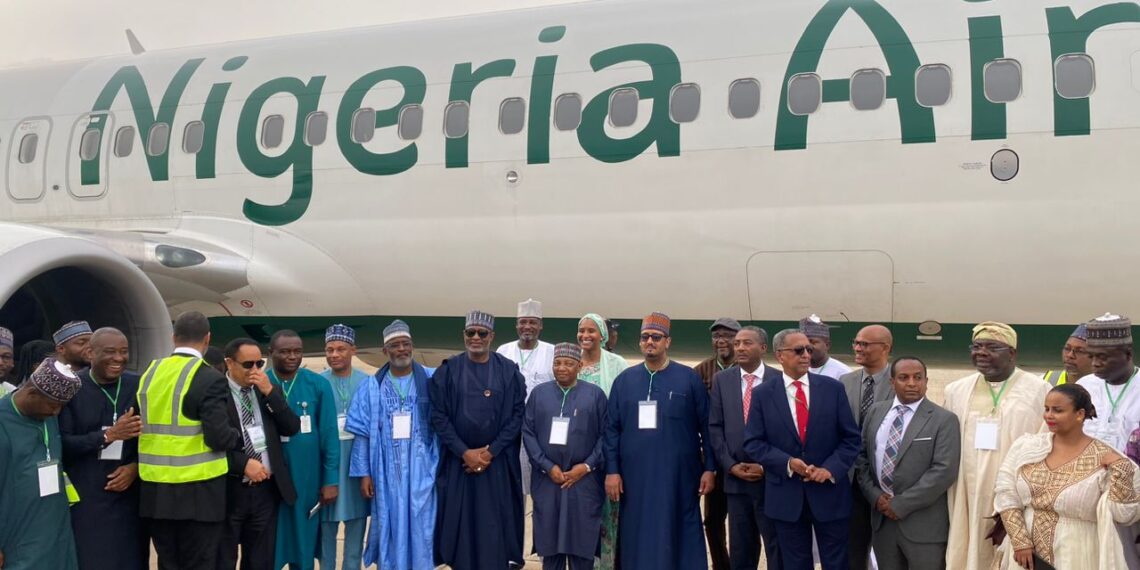
Ethiopian Airlines has confirmed that the Nigerian government is no longer pursuing the proposed Nigeria Air joint venture. This revelation came from the Group’s CEO, Mesfin Tasew, during a media briefing in Dubai, according to a report by Ethiopian Tribune.

This update comes shortly after the Federal Government of Nigeria suspended the Nigeria Air project indefinitely.

“The Nigerian government has lost interest in partnering with a foreign airline,” Tasew announced, confirming the end of the Nigeria Air project initiated by the past administration.

The Nigeria Air Backstory

In May 2024, Festus Keyamo, the Minister of Aviation and Aerospace Development, announced the suspension of the Nigeria Air project during a ministerial briefing commemorating the first year of President Bola Tinubu’s administration. Keyamo criticized the partnership with Ethiopian Airlines, arguing it would be detrimental to Nigerian airlines and risk creating a monopoly by a foreign entity in Nigeria’s aviation industry.

The Nigeria Air project was initially launched in May 2023 with high hopes under the stewardship of then Minister of Aviation, Hadi Sirika. The launch, which occurred just before President Muhammadu Buhari’s administration ended, was meant to revitalize the national carrier and boost the country’s aviation sector. However, optimism quickly faded as concerns emerged about the plane used for the launch and the specifics of the deal.

Controversial Deal Structure

Sirika had outlined that Ethiopian Airlines would hold a 49 percent equity stake in Nigeria Air, with the Nigerian government retaining only 5 percent. The remaining 46 percent was to be owned by a consortium of three Nigerian investors. This allocation raised eyebrows, with many critics arguing that the deal heavily favored Ethiopian Airlines, potentially compromising the benefits to Nigeria.

Investigative Revelations and Legislative Scrutiny

The launch of the Nigeria Air came with a lot of concerns about transparency, as it was hurriedly executed. Investigative journalist David Hundeyin’s exposé intensified the controversy, revealing potential fraudulent elements and a lack of transparency in the project.

His findings highlighted irregularities that increased public skepticism and prompted the House of Representatives to intervene. In June 2023, the House called for the suspension of Nigeria Air operations, labeling the deal a fraud and demanding a thorough review.

Following the legislative intervention, the government, through Minister Keyamo, suspended the Nigeria Air project in September 2023. Keyamo reiterated the government’s commitment to establishing a national carrier under terms beneficial to Nigeria. He emphasized that the suspended project was misrepresented as a Nigerian initiative when it was largely driven by Ethiopian Airlines.

The Aviation Minister was understood to be acting based on broader public and stakeholder sentiment that a true national carrier should belong to Nigeria in both ownership and operational benefits.

He criticized the initial ownership structure, stating, “Nigeria Air must be indigenous, it must be wholly Nigerian, and must be for the full benefits of Nigeria. Not that 50 percent of the profit is for another country.”

Thus, The Nigerian government’s decision to terminate the partnership with Ethiopian Airlines is seen as part of its commitment to creating a national carrier that aligns with national interests and promotes local growth in the aviation sector. The suspension of the Nigeria Air project is seen as a way to ensure that future ventures are transparent, equitable, and genuinely beneficial to Nigeria’s economy and its people.

Former Aviation Minister Hadi Sirika is currently being prosecuted by the Economic and Financial Crimes Commission (EFCC) on charges of alleged money laundering, contract fraud within the ministry, and issues related to his handling of the Nigeria Air project.