DD
MM
YYYY

PAGES

DD
MM
YYYY

spot_img

PAGES

Home Blog Page 3172

Experts Tipping Viral Presale Star To Eclipse Outdated Bitcoin Cash (BCH) and Ethereum Classic (ETC)

0

Experts now expect GambleFi superstar Rollblock (RBLK) to eclipse the outdated forks Bitcoin Cash (BCH) and Ethereum Classic (ETC) soon after its ICO. Top altcoin Rollblock is already starting to dominate the expanding online gambling industry and is set to grow more than 100x before the end of 2024.

Bitcoin Cash’s Speeds Are Still Too Slow For Modern Transactions

Today’s Bitcoin Cash price of $444 is actually down 20% from its price when it forked from the Bitcoin blockchain in 2017. The Bitcoin Cash price enjoyed some small rallies with the larger crypto market in 2018 and 2021, but nothing compared to Bitcoin.

Bitcoin Cash split because the original Bitcoin blockchain was considered too inflexible to handle projected transaction volumes. However, Bitcoin never became a day-to-day currency like people expected, and now there are newer chains that offer much better transaction speeds than Bitcoin Cash. As a result, Bitcoin Cash is slowly losing relevance.

Ethereum Classic’s Tiny Ecosystem Means It Will Fade Into Irrelevance

The Ethereum Classic price is currently lagging behind the main Ethereum blockchain by more than 100x. The Ethereum Classic price has seen a decent 23% return on the year, but it is now clear that the market has chosen to stick with the main Ethereum blockchain.

Now that the biggest race in crypto is to create the most comprehensive and populated ecosystem for dApps and Smart Contracts, there is no chance that Ethereum Classic will ever make a serious comeback due to its tiny user numbers. Ethereum Classic is currently trading at $22.94, and Ethereum Classic has a daily trading volume of $133 million.

Rollblock Goes Viral By Keeping It Simple, Profitable And Fun

Experts agree that complicated forks and layers are out, while the simple fun and profit of GambleFi are in.

The global gambling industry’s $450 billion in annual revenue represents enormous untapped potential for innovations from blockchain technology. Rollblock is rapidly grabbing market share from stale online casinos by bringing the innovation, excitement and community of crypto to the online casino model.

Rollblock’s online casino already features 150 of the most popular games on the market, and it is in the process of adding a sports betting platform with odds on every sport imaginable. Rollblock also hosts a non-stop rush of events and giveaways that create a real sense of excitement and connection in the community.

The feature that has the experts most excited is Rollblock’s game-changing tokenomics. Rollblock buys its own token back from the market each week, using up to 30% of its revenue. These tokens are burned to further increase the price of RBLK, or they are used as staking rewards with industry-beating APYs.

Rollblock went viral on social media and beyond in the 4th stage of its presale and is expected to sell out of tokens at $0.0175 very soon. The 5th stage price is set at $0.02, which is still a steal considering experts have RBLK pegged for at least $1 at the end of 2024.


Discover the Exciting Opportunities of the Rollblock (RBLK) Presale Today!

Website: https://presale.rollblock.io/

Socials: https://linktr.ee/rollblockcasino

African Start-Up Ecosystem Surpasses $1 Billion in 2024 Funding

0

The African start-up ecosystem has recorded a significant milestone in 2024, surpassing the $1 billion mark in total funding raised. This was revealed in a report by Africa: The Big Deal.

The surge in funding for startups was driven by several large deals announced in mid-July, which include a $176 million securitization deal secured by d.light, a global provider of affordable household solar solutions, and a $157.5 million funding round by Egyptian Fintech MNT-Halan aimed at fueling their expansion.

In addition to these major deals, other noteworthy contributions include Tanzania Fintech NALA’s $40 million Series A round earlier in July, which became one of the largest Series A transactions in Africa, and a series of other smaller funding rounds.

Part of the report reads,

“The ecosystem closed H1 2024 with just under $800 million raised (excluding exits), and it was only a matter of time until it crossed the $1 billion mark. Things happened a little faster than expected though thanks to two mega deals announced since the middle of the month: d.light’s new USD$176 million securitisation facility and MNT-Halan’s $157.5m raise to fuel their expansion. If we add NALA’s $40m Series A from earlier this month and other smaller deals, we’re getting very close to $400 million”.

These fundings have collectively pushed the total amount raised in July alone close to $400 million, making it the most successful month for fundraising in Africa in over a year. This figure also exceeds the total amount raised throughout the entire second quarter of 2024, indicating a significant acceleration in investment activity.

Although the pace of investment has not yet fully recovered to the highs of the past three years when the $1 billion threshold was reached by May 2021, April 2023, and as early as February 2022, the recent uptick is a positive sign. It suggests that 2024 may ultimately outperform the results of 2019 and 2020 periods, which are often used as benchmarks due to their slower investment pace.

In those years, the $1 billion mark was only reached in November, underscoring the current year’s relative strength. This renewed investor confidence highlights the resilience and potential of African start-ups, which have already raised more funding in 2024 than in the entire year of 2020.

The ecosystem’s growth is likely fueled by a combination of factors, which include increased global investor interest in African markets, the maturation of local start-ups, and the continued expansion of sectors such as fintech, renewable energy, and digital services.

The record-breaking funding in July underscores a growing global confidence in the potential of African startups to deliver high returns. Investors from the US, Europe, and Asia are increasingly participating in funding rounds, often in collaboration with African venture capital firms. This trend is not only bringing much-needed capital but also providing access to global networks and expertise.

As the year progresses, the African start-up ecosystem is poised for further growth and investment, potentially setting new records and attracting even more global attention.

Lesson from Sudan’s Bread and Nigeria’s Subsidized Rice In This Age of Hunger

0

Sudan’s fallen ruler, Omar al-Bashir, won many fights for three decades. He mastered the politics of UN. He overcame America and South Sudan. He triumphed over IMF and World Bank. He fought rebels, friends and enemies – and won. But at the end, he fell because of BREAD. Yes, bread – so simple and harmless- brought down one of the last surviving yoyo men of Africa.

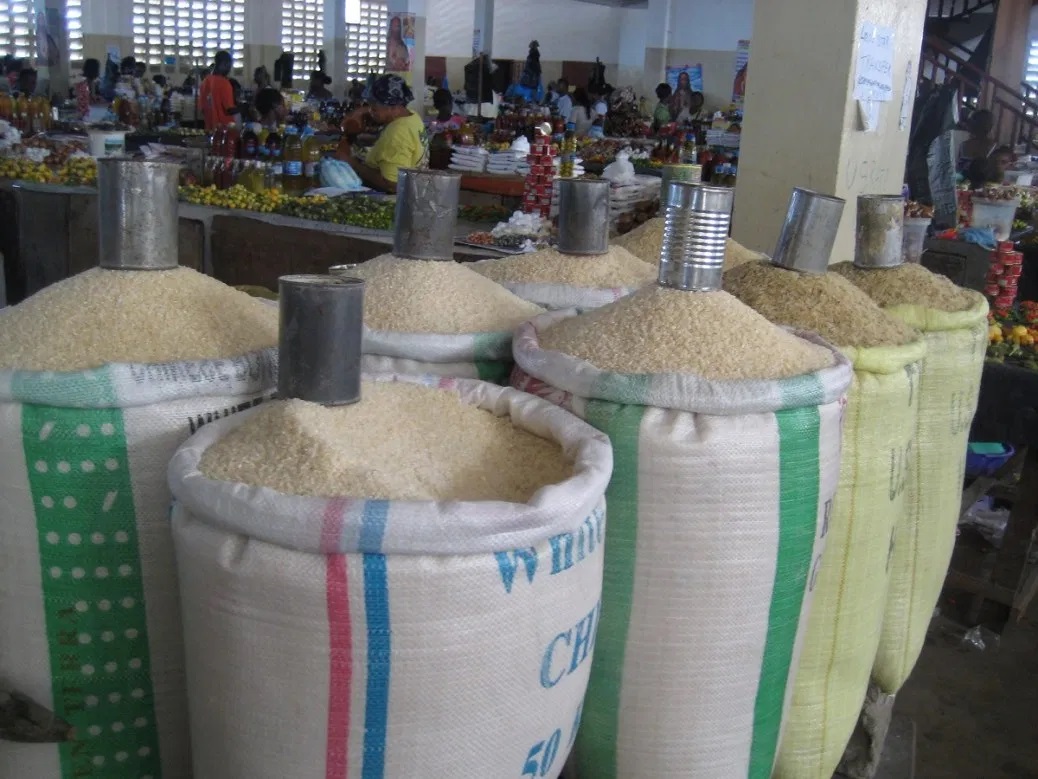
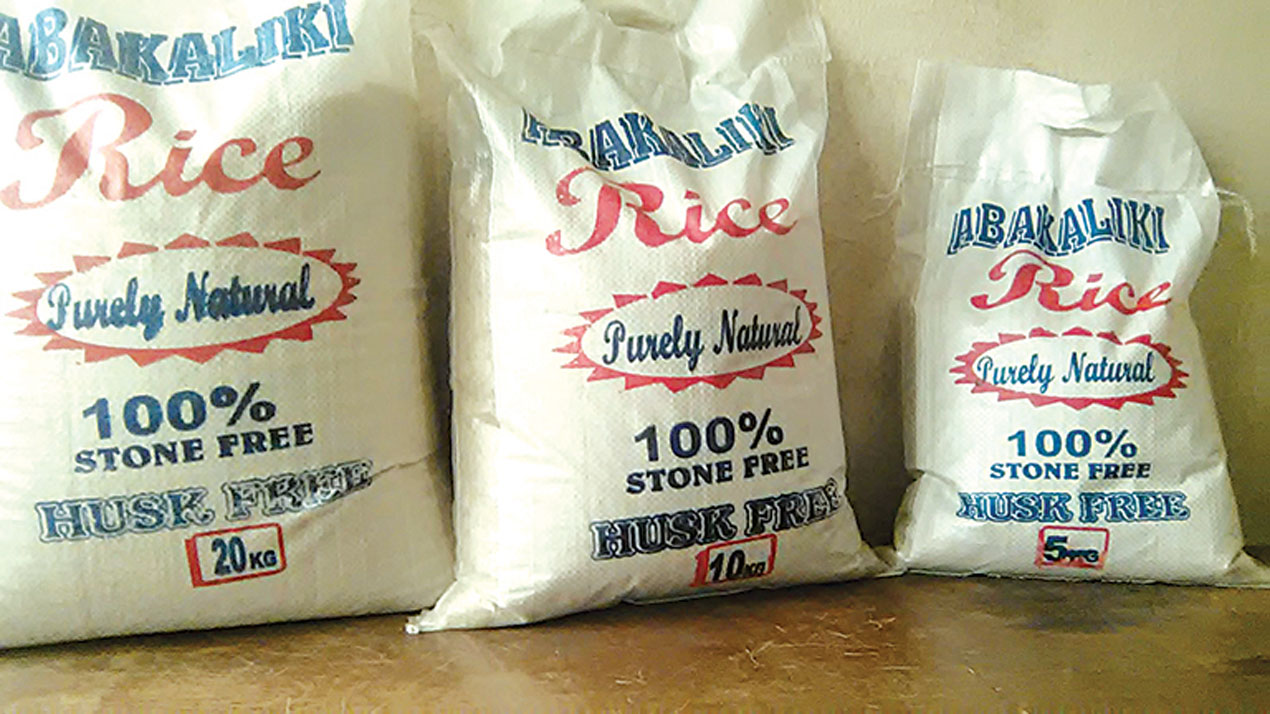
It seems that the Nigerian government has memory and is addressing the food challenges in the nation: “In a bid to address the growing discontent among Nigerians…, the Federal Government of Nigeria has announced the distribution of an additional 10 trucks of 50kg of rice to each state. This rice will be sold at designated centers for N40,000 per bag, significantly lower than the current market price, which can reach up to N90,000 per bag. The initiative, aimed at providing relief to struggling households, comes amid a backdrop of surging food inflation and economic instability.”

This is good policy and let us keep it going. Sure, we need to find sustainable solutions to these issues but homes and families need immediate help. So, open the vault and flood Nigeria with cheap food. The best policy now is subsidized food because if you remove electricity subsidy and forex subsidy, something must be subsidized in Nigeria. If food be it, please play on.

Mohammed Idris, the Minister of Information and National Orientation, made the announcement following the Federal Executive Council (FEC) meeting on Monday. He emphasized that the government is taking proactive measures to address the concerns raised by citizens, including those planning to participate in the upcoming #EndBadGovernance protests.

These protests are expected to express widespread dissatisfaction with President Bola Tinubu’s recent economic policies, which have significantly impacted the cost of living.

The sharp rise in food prices, including staples like rice, is attributed to a 41% food inflation rate, orchestrated by recent economic reforms, mainly – the removal of fuel subsidies and the floating of the naira, implemented last year by the Tinubu administration.

Nigerian Government Slashes Cost of 50kg of Rice to N40,000 in A Move to Quell Planned Protests

0

In a bid to address the growing discontent among Nigerians and quell the planned August 1 protests, the Federal Government of Nigeria has announced the distribution of an additional 10 trucks of 50kg of rice to each state. This rice will be sold at designated centers for N40,000 per bag, significantly lower than the current market price, which can reach up to N90,000 per bag.

The initiative, aimed at providing relief to struggling households, comes amid a backdrop of surging food inflation and economic instability.

Mohammed Idris, the Minister of Information and National Orientation, made the announcement following the Federal Executive Council (FEC) meeting on Monday. He emphasized that the government is taking proactive measures to address the concerns raised by citizens, including those planning to participate in the upcoming #EndBadGovernance protests.

These protests are expected to express widespread dissatisfaction with President Bola Tinubu’s recent economic policies, which have significantly impacted the cost of living.

The sharp rise in food prices, including staples like rice, is attributed to a 41% food inflation rate, orchestrated by recent economic reforms, mainly – the removal of fuel subsidies and the floating of the naira, implemented last year by the Tinubu administration.

Idris stated, “The government has not pretended that these supplies are enough. But these are necessary first steps being made, and more such interventions are planned in the interim.

“The position of the FEC is that most of the demands that the protesters are making are actually being addressed by the federal government.

“Therefore, it is the view of the government that there is really no need for the protests again because most of those things that the protesters are putting forward are already actually being addressed or are being addressed by the government. This is a listening government.”

The decision to sell rice at a subsidized rate is part of a broader strategy to cushion the impact of the economic reforms on ordinary Nigerians. The subsidy on rice, however, is only a temporary relief measure, as the government has yet to unveil a comprehensive plan to address the broader economic challenges facing the nation.

Since its inauguration, the current administration has been criticized for not rolling out a clear-cut plan to mitigate the economic hardship experienced by millions of Nigerians.

The removal of the fuel subsidy, a move intended to free up resources for other developmental projects, has had unintended consequences on the economy. The cost of fuel, a critical input in the transportation and production sectors, has surged, leading to increased prices for goods and services across the board. This, coupled with the floating of the naira, which has resulted in a devaluation of the currency, has made imports more expensive, further contributing to inflation.

In addition to the rice subsidy, the government has initiated other measures to stop the planned protests. These include the opening of the N110 billion Nigerian Youth Investment Fund portal, a loan scheme for small and medium-sized enterprises, and the announcement of new job openings by the Nigerian National Petroleum Corporation (NNPC). However, these efforts have been criticized as insufficient to address the root causes of the economic crisis.

President Tinubu, acknowledging the grievances, has said that his administration is effectively “protesting” on behalf of the youth by addressing their concerns. However, the absence of a detailed economic recovery plan has left many questioning the government’s ability to stabilize the economy and bring relief to the populace.

The upcoming #EndBadGovernance protests are believed to be a sign that Nigerians have been pushed to the extreme, requiring the government to take more decisive action. Critics argue that although the distribution of subsidized rice and other short-term relief measures may provide some respite, they are not a substitute for a comprehensive economic strategy that addresses the underlying issues of inflation, currency devaluation, and economic instability.

Business Law Basics for Small Businesses – Tekedia Mini-MBA

0

The transduction conversion process of ideas into products and services must follow protocols and ordinances of states, encapsulated in laws and regulations. Join us today at Tekedia Institute Mini-MBA as we look at Business Law within the mission and operations of firms. Our Faculty is Barrister Kenneth Nwimo, and he will teach us basic things which can help us.

Tekedia Mini-MBA; pick a seat here for the September edition.