DD
MM
YYYY

PAGES

DD
MM
YYYY

spot_img

PAGES

Home Blog Page 3175

Ethereum Gas Fees drop below 3 GWEI for the first time since 2020

0

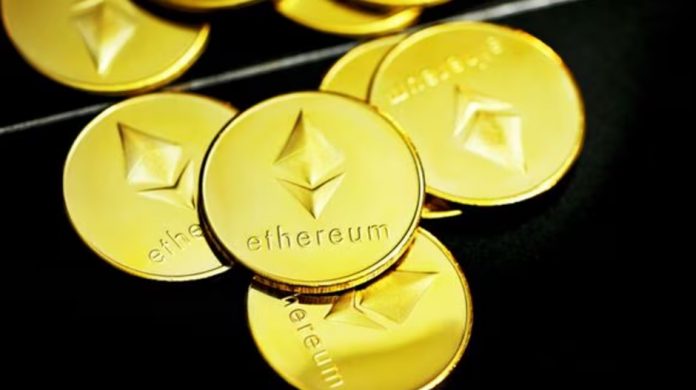
The Ethereum Network has witnessed a significant milestone as gas fees have plummeted to below 3 GWEI for the first time since 2020, marking a historic low in transaction costs. This remarkable decrease in gas fees is a boon for users and developers alike, fostering an environment conducive to increased activity and innovation on the blockchain.

Gas fees on Ethereum are a measure of the computational effort required to execute transactions and smart contracts. These fees are denominated in GWEI, with one GWEI equating to one-billionth of an ETH. The recent drop in gas fees is attributed to a combination of factors, including improvements in network efficiency and the adoption of layer 2 scaling solutions.

The implementation of EIP-1559, which introduced a base fee and a priority fee system, has played a pivotal role in making gas fees more predictable and fairer. Moreover, the surge in layer 2 protocol usage has effectively distributed the transaction load, resulting in a more efficient fee market. The integration of “blob” transactions through protocols like Base has further reduced costs, making operations like token swaps and NFT trades remarkably cheaper.

Despite the lower fees, network activity has soared to new heights, disproving the notion that reduced costs would lead to decreased usage. On the contrary, Ethereum’s daily transaction volume remains robust, indicating a healthy and active ecosystem. The efficient fee market, bolstered by layer 2 volumes and enhancements such as EIP-4844, has allowed the mainnet to maintain high throughput while keeping gas costs at bay.

One of the primary features of EIP-1559 is the introduction of a base fee for transactions, which fluctuates with network congestion and is burned, permanently removing it from circulation. This base fee replaces the previous first-price auction model, which often led to unpredictable and high transaction fees. The new model aims to provide more predictability and stability in transaction costs.

For miners, EIP-1559 has altered their revenue model. Previously, miners would receive the entire transaction fee; however, with the new system, they now receive only the priority fee (tip) set by users, while the base fee is burned. This change has raised concerns among miners about potential reductions in their income.

Despite initial worries, data following the activation of EIP-1559 indicated that miners’ revenue did not significantly decline. In fact, reports showed a slight increase in daily miner revenue by 7.1%, suggesting that the impact of EIP-1559 on miners’ earnings was not as detrimental as feared.

The dip in gas fees also has implications for Ethereum’s tokenomics, particularly concerning the burn rate introduced by EIP-1559. With fewer fees to burn, the supply dynamics of ETH have shifted slightly, leading to a marginal inflationary trend. Nonetheless, the network’s growth rate remains low, and the overall impact on Ethereum’s economy is yet to be fully understood.

This development is a testament to Ethereum’s ongoing evolution and its community’s commitment to improving user experience. As gas fees reach new lows, the potential for increased adoption and development on the Ethereum blockchain is boundless. The future looks promising for Ethereum as it continues to solidify its position as a leading platform for decentralized applications and financial innovation.

BlockDAG’s Bullish Outlook: Analysts Forecast $5M Daily Sales—Where do Solana and Filecoin Stand?

0

Solana faces a challenging market, with recent performance indicating a downturn, reflecting investor caution and broader market instability. Meanwhile, Filecoin showcases a contrasting scenario, securing investor interest with its robust institutional support despite recent fluctuations.

Entering this dynamic arena, BlockDAG captures the spotlight with its innovative use of Directed Acyclic Graph (DAG) technologies, enhancing transaction efficiency and scalability. Industry experts are optimistic about BlockDAG’s future, projecting that its innovative strategies could drive its presale’s daily earnings to an impressive $5 million. This potential surge in sales positions BlockDAG as a likely leader in the cryptocurrency market by 2024.

Solana Price Prediction: Bullish or Bearish?

Solana’s market downturn affects its price prediction, falling from a March high of $202 to $138.39. This decrease reflects a wider investor caution, evidenced by a 14% drop in 24-hour trading volume and an 8.57% decrease over the past week.

Analysts suggest a potential rebound if Solana surpasses the $157 resistance mark. However, bearish indicators dominate, such as a low RSI of 37.26 and negative MACD. The possibility of a decline to $102 persists if these conditions continue, making the immediate Solana price prediction cautiously pessimistic.

Filecoin News: The Highs and Lows

Filecoin (FIL) news highlighted a recent rally, driven by Grayscale Investments, pushing FIL close to its all-time high of $273.57 before facing a downturn. The cryptocurrency briefly hit $239.94 but dropped by 2.82%, stabilising near $180. Protocol Labs holds around 600 million FIL tokens, supporting Filecoin’s ecosystem, which trades excess digital storage on its blockchain.

Despite market swings, Filecoin (FIL) News indicates sustained investor confidence buoyed by institutional interest. This support highlights Filecoin’s critical role in decentralised storage across the blockchain sector.

BlockDAG Eyes $5M in Daily Presale Earnings 

BlockDAG is revolutionising the blockchain landscape with its innovative Directed Acyclic Graph (DAG) architecture. Unlike conventional blockchains that process transactions in a linear sequence, BlockDAG’s DAG structure enables each block to refer to multiple predecessors. This pivotal modification significantly increases transaction capacity and enhances network throughput, effectively addressing scalability issues and boosting overall efficiency.

In addition to its structural advantages, BlockDAG’s low code/no code platform democratises blockchain development. Simplifying the process of creating blockchain applications encourages wider participation and fosters innovation without requiring deep technical expertise. This approach will likely accelerate the adoption of blockchain technology across various sectors.

BlockDAG’s ongoing presale is notably successful, with the coin price escalating from $0.001 to $0.0122 across 18 batches. The presale has raised a staggering $53.2 million by selling over 11.7 billion BDAG coins. Such impressive results have fueled optimism among analysts, who anticipate that daily sales could soar from $500K to $5 million in the near future.

This projection is underpinned by BlockDAG’s cutting-edge technology and robust presale performance. The distinctive features and strong market presence position BlockDAG to potentially surpass its competitors and emerge as a leading cryptocurrency by 2024.

Final Scoop

Against Solana’s struggles and Filecoin’s steady performance, BlockDAG’s ascent in the crypto world is particularly noteworthy. Its innovative DAG technology and accessible blockchain platforms set new industry standards, paving the way for significant growth.

Analysts’ predictions of daily sales reaching $5 million underscore the potential of BlockDAG to outshine its competitors and dominate as a leading cryptocurrency in 2024. As BlockDAG continues to evolve, it promises to reshape the blockchain technology landscape.

Join BlockDAG Presale Now:

Website: https://blockdag.network

Presale: https://purchase.blockdag.network

Telegram: https://t.me/blockDAGnetworkOfficial

Discord: https://discord.gg/Q7BxghMVyu


Mt. Gox Distribution and Its Impact on Cryptocurrency Markets

0

The cryptocurrency world has been abuzz with the latest developments surrounding the defunct exchange Mt. Gox, which has begun the process of distributing assets to creditors affected by the infamous 2014 hack. This event has been closely watched by investors and enthusiasts alike, as the distribution involves a significant amount of Bitcoin (BTC) and Bitcoin Cash (BCH), leading to varied speculations on its potential impact on market prices.

Mt. Gox, once a dominant player in the crypto exchange arena, handling over 70% of Bitcoin transactions, faced a catastrophic hack that led to the loss of approximately 740,000 BTC. The long-awaited compensation plan is set to return over 140,000 BTC to the victims of the hack, a move that has stirred the market due to the sheer volume of assets involved.

The distribution process, slated to end in July 2024, has raised concerns about the potential selling pressure it could introduce to the market. As the repayments will be made in BTC and BCH, there is a possibility that early investors, who acquired these assets at much lower values, may be inclined to sell a portion of their holdings, thus increasing the supply and potentially driving prices down. This was reflected when Bitcoin prices dropped slightly following the announcement of the distribution schedule.

However, opinions on the matter vary. Some experts believe that the distribution of Mt. Gox’s assets is unlikely to have a lasting negative impact on BTC prices or the overall sentiment in the crypto market. They argue that the market has matured significantly since the days of Mt. Gox and is more resilient to such events. Moreover, the anticipation of this distribution has been part of the market narrative for years, possibly leading to its effects being already priced in.

Here’s a brief overview of some of the most notable hacks that have shaken the crypto world:

Ronin Network Hack ($625 Million): In March 2022, the Ronin Network, which supports the popular blockchain game Axie Infinity, suffered a massive breach resulting in the theft of around $625 million worth of Ethereum and USDC stablecoin. This hack was attributed to the Lazarus Group, a North Korean state-backed hacking collective.

Poly Network Hack ($611 Million): August 2021 saw the Poly Network, a decentralized finance platform, fall victim to a hacker who exploited a vulnerability and stole over $600 million. Remarkably, after an appeal from the developers, the hacker began returning the funds, with approximately $300 million recovered within two days.

FTX Hack ($600 Million): In November 2022, the crypto exchange FTX declared bankruptcy, and on the same day, over $600 million was stolen from its wallets. This led to many users reporting zero balances in their accounts. The exchange confirmed the hack and advised users to delete any FTX apps and avoid the website due to potential malware risks.

Binance BNB Bridge Hack ($586 Million): The Binance BNB Bridge also faced a significant security breach, with hackers stealing a substantial amount of funds. The exact details and repercussions of this hack are part of ongoing investigations and efforts to secure the assets.

These situations present a complex scenario where the interplay of supply and demand, investor sentiment, and market dynamics all converge. It serves as a reminder of the inherent volatility and unpredictability of the cryptocurrency markets. For investors, it underscores the importance of staying informed and prepared for sudden market movements.

As the distribution commences, the crypto community will be watching closely to see the actual impact on the market. Will there be a massive sell-off, or will the market absorb the additional supply with minimal disruption? Only time will tell. What is certain is that the resolution of the Mt. Gox case marks a significant milestone in the history of cryptocurrency and provides valuable lessons for the security and governance of digital assets.

Dangote Oil & Gas VP Accuses NMDPRA of Licensing “Dirty” Fuel Imports into Nigeria

0

Devakumar Edwin, Vice President of Oil and Gas at Dangote Industries Limited, has raised concerns over the indiscriminate licensing practices of the Nigerian Midstream and Downstream Petroleum Regulatory Authority (NMDPRA).

According to him, these practices are facilitating the importation of substandard diesel and jet fuel into Nigeria. Edwin voiced these concerns during a one-day training program for Energy Editors organized by the Dangote Group.

This coincides with the disclosure that NMDPRA had issued a license to import petrol into the country to 56 oil marketing companies. Chief Executive Officer of NMDPRA, Farouk Ahmed, said that 10 of the 56 firms have shown commitment to supply products from July to September.

Edwin disclosed that the NMDPRA’s current licensing strategy permits traders to import refined products that fail to meet international standards and have been banned in other countries. He specifically pointed out that high-sulfur diesel from Russia is being brought into Nigeria, despite the efforts of Dangote Industries to produce diesel that adheres to ECOWAS standards.

“Despite the fact that we are producing and bringing out diesel into the market, complying with ECOWAS regulations and standards, licenses are being issued, in large quantities, to traders who are buying the extremely high sulfur diesel from Russia and dumping it in the Nigerian market,” Edwin said.

He further explained that following the imposition of a price cap on Russian petroleum products by the US and UK, these products are now being offloaded in Nigeria.

Health and Environmental Concerns

The importation of such low-quality fuels has raised alarm in Europe due to their carcinogenic effects. Edwin mentioned that countries like Belgium and the Netherlands have recently banned the export of high-sulfur diesel to West Africa to protect public health.

“In fact, some of the European countries were so alarmed about the carcinogenic effect of the extra high sulfur diesel being dumped into the Nigerian market that countries like Belgium and the Netherlands imposed a ban on such fuel being exported from their country, into West Africa, recently,” Edwin noted.

The Vice President contrasted these practices with Dangote’s adherence to international oil standards, which has allowed the company to export its refined products to foreign markets. He expressed frustration that the NMDPRA’s licensing decisions undermine the refinery’s commitment to maintaining high-quality standards.

“The decision of the Nigerian Midstream and Downstream Petroleum Regulatory Authority (NMDPRA) in granting licenses indiscriminately for the importation of dirty diesel and aviation fuel has made the Dangote refinery expand into foreign markets. The refinery has recently exported diesel and aviation fuel to Europe and other parts of the world,” Edwin said.

He added that these indiscriminate licenses frustrate the refinery’s efforts to adhere to standard quality.

Business mogul and President of Dangote Refinery, Aliko Dangote, has echoed similar sentiments about the challenges facing his refinery. He has repeatedly stated that local and international oil organizations are attempting to sabotage his operations. Dangote has described these organizations as an “oil mafia,” more dangerous than the drug mafia, in their efforts to obstruct his refinery’s progress.

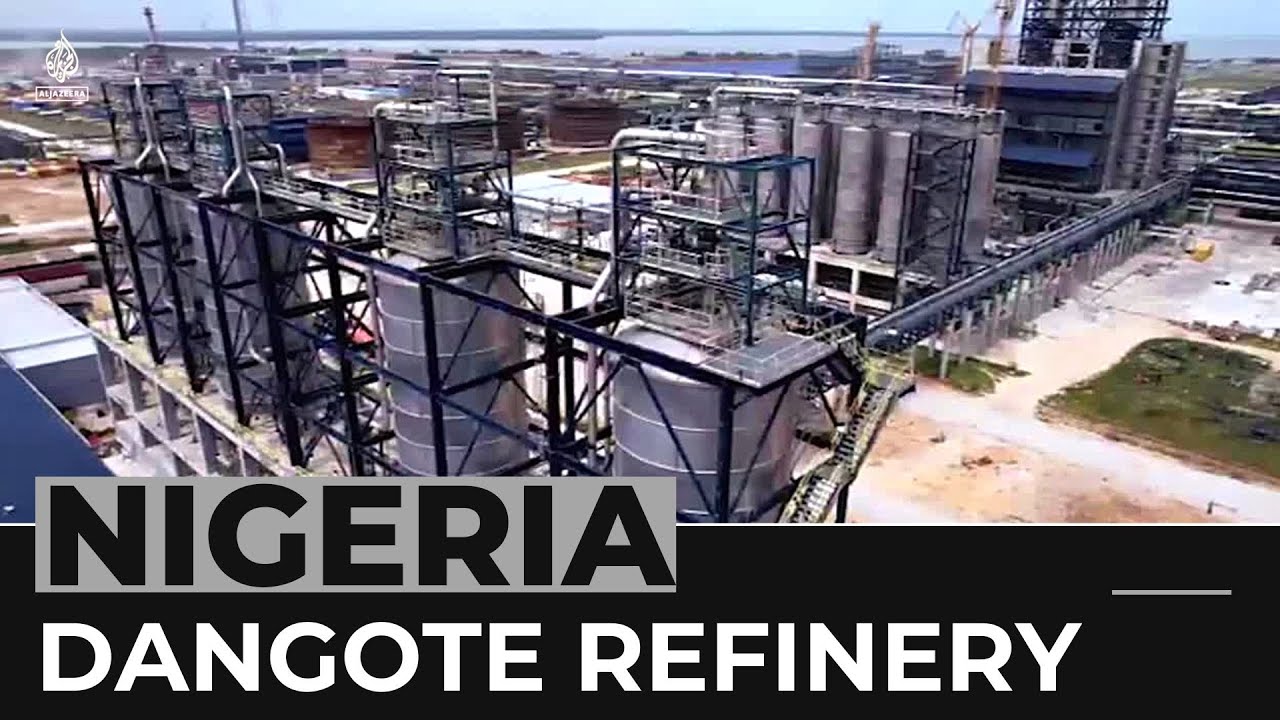
The Dangote refinery, with a capacity of 600,000 barrels per day, is set to disrupt the oil import market in Nigeria and across Africa. Once fully operational, it is expected to eliminate the continent’s dependency on imported refined products from Europe and the United States.

The refinery is the largest in both Africa and Europe, and its full operation next year is anticipated to significantly shift the dynamics of the oil and gas industry in the region.

The controversies surrounding fuel quality and licensing practices in Nigeria highlight the ongoing challenges in the country’s oil and gas sector. The Dangote Group’s commitment to international standards and its expansion into foreign markets underscore the potential for Nigerian refineries to compete globally.

However, the concerns raised by Edwin suggest that regulatory practices need to be re-evaluated to ensure that they support rather than hinder the development of a robust and sustainable energy sector in Nigeria.

Nigeria’s Economic Outlook for the Second Half of 2024: PwC Projects 29.5% Inflation Decline, 2.9% GDP Growth

0

In its latest report titled “Nigeria Economic Outlook: Navigating Economic Reforms,” PricewaterhouseCoopers (PwC) provides an in-depth analysis and projection for Nigeria’s economy in the second half of 2024.

The report highlights modest improvements driven by sustained policy reforms, while also addressing ongoing economic pressures and fiscal sustainability concerns.

PwC forecasts that Nigeria’s GDP will grow marginally by 2.9% by the end of 2024. This growth is primarily attributed to the sustained policy reforms being implemented by the government.

However, the report also warns that the growth prospects may be limited by elevated economic pressures.

In terms of inflation, PwC projects a slight decline to 29.5% by year-end: “GDP may grow marginally by 2.9% on the back of sustained policy reforms although growth prospect may be limited by elevated economic pressures,” the report says.

This projection balances the effects of recent reforms, policy actions, external pressures, and fluctuations in food prices. Despite this anticipated decline, fiscal sustainability remains a concern, as debt servicing costs are expected to finance 89% of the budget deficit through new borrowings.

Key Reforms and Their Impacts

Deregulation of PMS

One of the significant reforms highlighted in the report is the deregulation of PMS (Premium Motor Spirit). In May 2023, the government removed PMS subsidies, resulting in an increase in prices from N187 to N630. This move aims to reduce government spending and redirect resources to other critical sectors. However, the IMF has reported that PMS is still sold below the market price, effectively maintaining a partial subsidy.

Debt Reduction and Restructuring

To address the country’s debt burden, the Debt Management Office (DMO) restructured N4.9 trillion of ways and means advances at a reduced interest rate of 9%, down from 21%, over a 40-year period.

This restructuring has improved fiscal discipline and increased government savings. The report highlights that improved fiscal discipline from refinancing debt service obligations has led to significant savings for the government.

Tax System and Revenue Generation

The report notes that major tax reforms are underway to harmonize tax laws and enhance revenue collection. Some recommendations include new national tax and borrowing policies, tax exemptions for 95% of the informal sector, and focused enforcement targeting the middle class and elites. These measures aim to create an efficient and equitable tax system, thereby boosting revenue generation.

Liberalization of the Foreign Exchange Market

In June 2023, the Central Bank of Nigeria (CBN) liberalized the foreign exchange market to achieve price discovery. This move included the clearance of FX backlogs and the removal of restrictions on 43 banned items from accessing FX. Additionally, the CBN has gradually increased the Monetary Policy Rate (MPR) to 26.25% as of April 2024, up from 18.5% in June 2023, to address inflationary pressures and ensure price stability.

Power Sector Reforms

Reforms in the power sector include the introduction of a market-reflective tariff of N225/kWh for customers receiving a minimum of 20 hours of daily electricity supply. This is part of the Electricity Act aimed at tackling Nigeria’s energy challenges, which result in annual economic losses of $26 billion. The National Electricity Regulatory Commission (NERC) has introduced these tariffs to pave the way for a more sustainable and efficient power sector.

Banking Sector Reforms

The CBN has also increased capital requirements for banks to support economic growth. Commercial banks with international licenses now require N500 billion, national banks need N200 billion, and regional banks require N50 billion to operate. These measures are designed to strengthen the banking sector and ensure its ability to support economic growth.

Oil and Gas Sector Reforms

The government has issued three executive orders covering tax incentives, exemptions, and local content compliance requirements in the oil and gas sector. These orders aim to streamline the contracting process, reduce cycle time to six months, and enhance local content requirements without compromising cost efficiency.

Agriculture Sector Initiatives

To combat food inflation and enhance production, the government has embarked on initiatives such as dry season farming and the distribution of rice, fortified crops, seeds, fertilizers, and improved farmland security. These measures aim to boost agricultural production and stabilize food prices.

Positive Outcomes from Reforms

The report highlights several positive outcomes from the implemented reforms. FAAC (Federation Account Allocation Committee) disbursements increased by 91.3%, from N976 billion in May 2023 to N1.87 trillion in April 2024. This increase was driven by distributable VAT, statutory allocation, and exchange rate difference revenue.

Fitch Ratings revised its outlook on Nigeria’s Long-Term Foreign-Currency Issuer Default Rating (IDR) from Stable to Positive. This revision was attributed to exchange rate and monetary policy reforms, reduction in fuel subsidy payments, and the scaling back of government financing by the CBN.

Oil exports grew by 200.9% to N15.5 trillion in Q1 2024 from N5.15 trillion in Q1 2023. Non-oil exports also saw significant growth, increasing by 38.5% to N1.8 trillion in Q1 2024 from N1.3 trillion in Q1 2023. Foreign direct investments (FDI) grew by 114% from $86 million in Q2 2023 to $184 million in Q4 2023, while foreign portfolio investments (FPI) surged by 190%, from $106.9 million in Q2 2023 to $309.8 million in Q4 2023.

The Challenges

Despite these positive outcomes, the report also identifies significant challenges and unpopular developments resulting from the reforms. Inflation rose from 22.41% in May 2023 to 33.95% in May 2024, driven by increases in food, utilities, and transportation costs. Public debt grew by 144.1% to N121.67 trillion in Q1 2024 due to naira devaluation and the securitization of ways and means.

Government spending remains high, with recurrent expenditure averaging 84% of total expenditure between 2015 and 2023. Limited revenue-generating capacity has resulted in revenue as a percentage of spending being 65% between January and September 2023. Total revenues as of September 2023 exceeded 2022 revenues by only 7%, driven by an increase in net oil revenues (82%) and non-oil revenues (4%).

Experts’ Insights

PwC emphasizes the importance of continued reforms and strategic measures to stabilize Nigeria’s economy while addressing immediate economic challenges.

According to the report, “The continuous rise in debt from issuances of debt instruments without commensurate rise in revenue-generating investments may crowd out private investment and worsen the country’s debt profile in the long-term.”

On the inflation front, PwC notes, “The rise in inflation driven by food (40.6%), utilities (29.6%), and transport (25.6%) continues to erode the purchasing power of households and businesses. CBN’s reform actions have not yet tapered the continuous rise of headline inflation, which was 33.95% in May 2024.”

Furthermore, PwC highlights the impact of high borrowing costs on businesses, stating, “Although the rise in MPR may attract more investors to the fixed-income market due to higher yields, it has negatively impacted borrowing costs for businesses.”

Recommendations for the Government

PwC advises the government to focus on three key areas: structured and focused policy, policy flexibility, and mitigation measures.

Structured and Focused Policy

The government should prioritize macro stability by addressing security, social, and economic pressure points, particularly inflation and exchange rate pressures. Mobilizing capital to drive growth through market-focused policies and intensifying investment promotion is essential. Short- and long-term sectoral bets should focus on exports, domestic substitution, and job creation.

The government must drive fiscal prudence by optimizing spending on capital projects with the highest returns on investment, rationalizing public service spending, and improving revenue diversification and collection efficiency.

Policy Flexibility

The report emphasizes the need for policy flexibility, advising the government to decide when and how to introduce, defer, sequence, or stagger different policies based on current economic and social conditions.

Scenario planning should be adopted before implementing any major economic reform to avoid unwarranted policy reversals. Contingency plans should be embedded within economic policies during the planning phase.

Mitigation Measures

To support businesses and households affected by economic pressures, PwC recommends implementing intervention funding schemes, such as low-interest loan programs or credit guarantees.

Social safety net programs, such as unemployment benefits and workforce development programs, should be created to absorb job losses from business exits due to economic pressure points.

The government may also need to reconsider any planned increases in selected taxes to alleviate financial challenges and unlock liquidity for impacted businesses.