DD
MM
YYYY

PAGES

DD
MM
YYYY

spot_img

PAGES

Home Blog Page 3226

Senegal’s Oil Production Begins, with Potential Impact on Nigeria’s Oil Exports

0

Senegal has officially commenced production at its first offshore oil project. This development not only marks a significant milestone for Senegal but also has potential implications for Nigeria’s oil exports.

The Australian group Woodside Energy announced on Tuesday that oil extraction has started at the Sangomar oil fields, a project expected to produce 100,000 barrels of oil per day.

“This is a historic day for Senegal and for Woodside,” stated Meg O’Neill, Woodside Energy’s Chief Executive, in a press release. The vessel extracting the oil is moored about 100 kilometers (60 miles) offshore at the Sangomar oil fields.

This project is expected to generate billions of dollars in revenue for Senegal and potentially transform its economy.

Shifting The Dynamics in West African Oil Trade

However, initiating oil production in Senegal means that Nigeria has lost one of its crude oil trade partners. Historically, Senegal has relied on imports from Nigeria to meet its energy needs. In 2023, Nigeria’s exports to Senegal were valued at US$904.93 million, with mineral fuels, oils, and distillation products accounting for $846.50 million of that total, according to the United Nations COMTRADE database on international trade. However, with the start of its own oil production, Senegal will increasingly rely on domestically produced oil, reducing its dependence on Nigerian imports.

Analysts note that this development could compound the challenges facing Nigeria’s oil industry, which is already grappling with declining revenues. The decrease in demand from Senegal is expected to add pressure on Nigeria to find alternative markets for its crude oil, amidst an already competitive global oil market.

In April, Bloomberg reported that Nigeria was struggling to find buyers for its crude oil due to a shortfall in demand from Europe. According to four traders specializing in the West African market, cited by the report, about 20 to 25 shipments of Nigerian crude for April loading sought buyers for weeks.

Nigeria’s economy heavily relies on oil exports, and any demand reduction has significant implications. The loss of Senegal as a buyer means reduced export volumes, which directly affects Nigeria’s oil revenue. This comes at a time when Nigeria is facing numerous economic headwinds, including fluctuating oil prices and production shortfalls.

Nigeria’s oil revenue has been on a downward trend, contributing to the nation’s fiscal deficits. In recent years, the country’s oil production has struggled to meet targets due to various operational issues, and global oil prices have been volatile. The Organisation of Petroleum Exporting Countries (OPEC) says Nigeria’s average daily crude oil production dropped to 1.25 million barrels per day (mbpd) in May, falling short of its 1.5mbpd 2024 quota. The current output figure represents a 2.34 percent decline from the 1.28mbpd recorded in April.

However, the government has been making fruitless efforts to boost oil production – aiming at issues such as vandalism, and oil theft, hindering oil output. On May 20, Mele Kyari, group chief executive officer (GCEO) of the Nigerian National Petroleum Company (NNPC) Limited, said Nigeria has the potential to produce two million barrels per day.

In recent years, Nigeria has seen its debt profile balloon, with approximately 96 percent of its revenue going towards servicing this debt. The government has been forced to borrow extensively to cover budget shortfalls, partly due to lower-than-expected oil revenues.

Against the backdrop of the loss of a key market like Senegal, some analysts believe the additional reduction in demand could further strain the already tight fiscal space that has forced the government into borrowing.

Senegal’s new government, under President Bassirou Diomaye Faye, has been keen on reviewing and renegotiating oil and gas contracts with foreign companies to ensure that the country benefits more significantly from its natural resources.

“The exploitation of our natural resources, which according to the constitution belong to the people, will receive particular attention from my government,” Faye declared in his first address to the nation in April.

Prime Minister Ousmane Sonko reaffirmed this commitment, stating, “We will face multinationals… We’re the ones who promised you we’d renegotiate the contracts, and we’re going to do it.”

This proactive approach aims to ensure that a larger share of the profits from oil and gas production remains within Senegal, boosting its economy and improving public welfare.
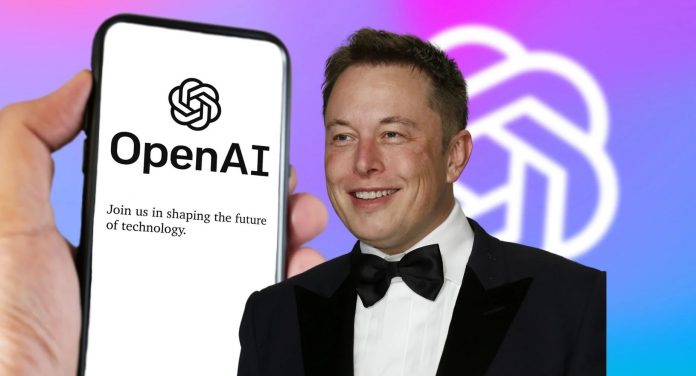

Elon Musk Withdraws Lawsuit against OpenAI Months After it Published His Email

0

In a surprising turn of events, lawyers representing Elon Musk filed a motion on Tuesday to dismiss the billionaire’s lawsuit against OpenAI and its CEO, Sam Altman.

This move ends a contentious legal battle between the co-founders of the artificial intelligence startup that began in February.

Elon Musk, who co-founded OpenAI in 2015, initiated the lawsuit earlier this year, accusing the ChatGPT creator of deviating from its original nonprofit mission. Musk’s complaint alleged that OpenAI was reserving some of its most advanced AI technologies for private customers, rather than adhering to its founding principles.

The lawsuit sought a jury trial and demanded that Altman, along with co-founder and president Greg Brockman, return any profits accrued from these business practices.

OpenAI quickly responded to Musk’s allegations, characterizing them as “incoherent” and “frivolous.” In their defense, the company pointed to several emails from Musk himself, dating back to OpenAI’s early days. These emails purportedly showed Musk acknowledging the necessity for the company to generate significant revenue to support the immense computing resources required for its AI projects.

This evidence starkly contrasted with Musk’s claim that OpenAI was improperly pursuing profit.

Musk’s legal team did not provide an explanation for their decision to withdraw the lawsuit in the court filing, according to CNN.

This development came just a day before a scheduled hearing on OpenAI’s motion to dismiss the case. Interestingly, the lawsuit’s withdrawal coincided with Musk’s public criticism of OpenAI on his social media platform X, following Apple’s announcement of a partnership to integrate ChatGPT with Siri on an opt-in basis.

Musk vehemently opposed this integration, citing security concerns and threatening to ban Apple devices from his companies.

“If Apple integrates OpenAI at the OS level, then Apple devices will be banned at my companies,” Musk declared, describing it as “an unacceptable security violation.”

He further added that visitors would need to check their Apple devices at the door, where they would be stored in a Faraday cage to prevent any potential data leaks.

Diverging Visions for OpenAI

The lawsuit underscored the starkly different visions held by Musk and OpenAI for the future of the company. Musk accused OpenAI of prioritizing the development of powerful “artificial general intelligence” (AGI) to maximize profits, while OpenAI suggested Musk was envious of the company’s direction after his departure in 2018.

Musk, who has been a fierce advocate for AI regulation, left OpenAI following an unsuccessful attempt to convince his fellow co-founders to allow Tesla to acquire the startup.

The lawsuit withdrawal is another challenge overcome by OpenAI, which has had to deal with a serious internal crisis that resulted in the ouster of Altman. Although the CEO was later reinstated after the intervention of Microsoft, a major investor in OpenAI, the crisis spurred by concerns from several board members about the risks associated with artificial intelligence, was noted as the company’s biggest controversy since launch.

Safety has remained a huge topic within the burgeoning AI industry, with Musk warning that the technology is capable of ending civilization if a safety regulatory framework to contain its excess is not promptly developed.

Launching Grok

In response to what he perceives as missteps by OpenAI, Musk has launched his own generative AI named Grok. Announced shortly after his lawsuit against OpenAI, Grok aims to offer an alternative vision for AI development, emphasizing transparency, safety, and adherence to the principles Musk believes OpenAI has abandoned. Grok’s launch signifies Musk’s determination to influence the AI industry directly, challenging OpenAI’s dominant position in the field.

Although the lawsuit has been dismissed, OpenAI still faces internal issues emanating from safety concerns, reflecting broader concern about AI development. More recently, the company faced further challenges with the departure of several high-profile safety leaders who criticized the company for prioritizing rapid product rollouts over safety concerns. In response, OpenAI established a new committee dedicated to making safety and security recommendations to its board.

WhatsApp Rolls Out New Features, Updates Video Calling Experience

0

Meta-owned messaging platform WhatsApp has rolled out new features, and updated the video calling experience, positioning it as a formidable competitor in the video communication market.

The platform included screen sharing with audio and Video calls across devices including phones and laptops, allowing up to 32 people to join a Video conference call, with a speaker spotlight feature. This upgrade makes WhatsApp a viable option for larger virtual meetings for businesses, family   Hangout, amongst others.

Also, WhatsApp expanded video calling support across devices with Apple’s FaceTime, which allows iPhone and iPad users to have up to 32 participants on video calls.

Additionally, Meta has introduced the Meta Low Bitrate (MLow) codec on WhatsApp to significantly improve call reliability, especially for users with poor network connectivity or older devices.

This upgrade represents a substantial improvement over the previously used open-source codec, Opus, which Meta had deployed across its real-time communication products.

The new proprietary codec, MLow, is designed to deliver twice the audio quality of Opus while maintaining 10 percent lower computational complexity.

This means users can expect clearer and more reliable audio calls without putting additional strain on their device’s processing power. It is interesting to note that MLow has already been implemented in Instagram and Messenger calls and is now being rolled out on WhatsApp.

This enhancement aims to provide a consistent and high-quality calling experience across all Meta platforms, ensuring that users stay connected more effectively, regardless of their network conditions or the age of their devices.

WhatsApp’s newly rolled-out features are designed to work seamlessly across various devices including smartphones, tablets, and desktops, ensuring a consistent user experience.

With over two billion users globally, WhatsApp has a massive built-in user base, which gives it a significant edge over many competitors. The ease of use and familiarity with the app can drive quick adoption of the new video calling features.

Notably, the new video calling updates are integrated into an already robust platform that includes messaging, file sharing, and voice calling. This integration provides users with a one-stop solution for various communication needs.

These latest updates not only enhance its calling experience but also position it as a competitive player in the video communication industry. The ability to host large video calls, coupled with improved audio and video quality and an intuitive interface, makes WhatsApp a strong alternative to existing platforms, poised to meet the evolving needs of its vast user base.

BlackRock Announces Decision to Liquidate $400m in iShares ETFs, citing Nigerian and Kenyan Economic Challenges

0

BlackRock, one of the world’s leading asset managers, has announced plans to liquidate its iShares exchange-traded funds (ETFs) valued at $400 million, citing unprofitable business conditions in Nigeria and Kenya.

The primary issue prompting this decision is the difficulty of currency repatriation, compounded by the recent devaluation of Nigeria’s naira.

The iShares Frontiers fund, which has invested heavily in emerging market equities in Nigeria and Kenya over the years, will see its final trading day on March 31, 2025, marking the anticipated conclusion of an extended liquidation process. This decision follows a proposal approved by the fund’s board of directors, who determined that the persistent liquidity challenges in frontier markets made liquidation the most viable option.

“In light of persistent liquidity challenges in certain frontier markets, including among other things, delays or limits on repatriation of local currency, the board determined that it is in the best interest of the fund and its shareholders for the fund to liquidate,” iShares stated.

The extended liquidation period is a direct result of the significant impact of converting Nigeria’s naira, which complicates the liquidation process. iShares highlighted the unpredictability of currency conversions as a key factor influencing the timing of the fund’s closure.

“Currency conversions, including conversion of Nigeria’s currency, the naira, will impact the timing of the fund’s liquidation. As a result, the fund will enter into an extended liquidation period,” the company stated.

The fund will cease trading and the creation and redemption of creation units will halt after market close no earlier than August 12, 2024.

Recent Divestments

Ahead of the full liquidation, BlackRock has already divested $5.2 million of its holdings in Kenyan companies. This includes shares in Safaricom ($2.8 million), Equity Group ($1.5 million), and KCB Group ($885,000), all listed on the Nairobi Securities Exchange (NSE).

Adding to the growing list of companies exiting Nigeria

BlackRock’s planned exit from Nigeria marks another setback for the country’s economic landscape under President Bola Tinubu’s administration, which is currently struggling with declining economic fortunes. The move by BlackRock follows similar actions by other multinational companies facing challenging business environments in Nigeria.

The withdrawal of BlackRock adds to a growing list of multinational companies that have exited Nigeria in recent years. Prominent examples include Diageo, the parent company of the Guinness brand, which announced its decision to sell its controlling shares to Tolaram after recording a loss of over N61 billion in the financial year ending March 31.

Additionally, UK pharmaceutical giant GlaxoSmithKline shut down its Nigerian operations, citing an unsustainable business environment. Tech giant Microsoft also announced its exit from Nigeria, following persistent economic challenges and an unfavorable business climate. Other companies like South African retail giant Shoprite, Truworths, and fashion retailer Mr. Price have also pulled out of Nigeria, citing currency fluctuations, import restrictions, and complex business conditions.

Economic Downturn Since 2015

The economic challenges in Nigeria can be traced back to the administration of President Muhammadu Buhari, which began in 2015. Under Buhari’s leadership, the Nigerian economy suffered from several issues. The economy entered a recession in 2016, the first in 25 years, driven by falling oil prices and a lack of economic diversification. Persistent foreign exchange shortages made it difficult for businesses to import goods and repatriate profits. Inflation surged, eroding consumer spending power and leading to a rising cost of living.

Tinubu’s Policies Compounding Issues

President Bola Tinubu’s administration has implemented policies that further compound these economic issues. The removal of fuel subsidies led to a significant increase in fuel prices, exacerbating inflation.

The unification of exchange rates resulted in a sharp depreciation of the naira, increasing costs for businesses and consumers. In response to rising inflation, the Central Bank of Nigeria (CBN) has aggressively raised interest rates, making borrowing more expensive and stifling investment.

Against this backdrop, inflation has significantly eroded the spending power of Nigerian consumers, crippling economic activities and making it difficult for companies to thrive. The annual inflation rate hit 33.69% in April 2024, up from 29.90% in January, marking the highest level in 28 years. Food inflation soared to 40.53%, putting immense pressure on household budgets and reducing disposable income.

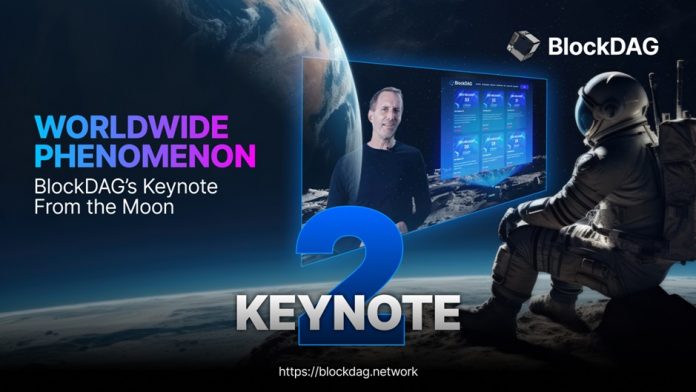
Big Bang Moment In Crypto: BlockDAG’s Keynote 2 Rockets Past ApeCoin & Worldcoin with $5M Daily Sales

0

While Worldcoin’s value dips amid its ongoing halt in Spain due to data privacy issues, ApeCoin shows unpredictable returns, with an ROI barely touching 0.80%, making investors cautious. Meanwhile, BlockDAG emerges as a frontrunner with its Keynote 2 unveiling, boasting an 1120% price surge in Batch 18 as its presale rockets to $49.5 million. This keynote showcased substantial tech upgrades and mining enhancements, predicting daily earnings to spike to $5 million, marking BlockDAG as a standout investment.

Worldcoin Token Price: Navigating Hurdles and Uncertainty

Worldcoin (WLD) is currently navigating tough waters, especially in Spain, where its operations are paused until 2024’s end for a GDPR evaluation. This suspension follows concerns regarding Worldcoin’s practice of collecting biometric data by scanning irises for digital IDs, sparking global privacy alarms and leading to bans in multiple nations. These issues have drastically reduced Worldcoin’s market value, dropping 55% since its March peak, now trading at approximately $4.79. Its unpredictable regulatory outlook renders it a less appealing investment choice.

ApeCoin Price: Analyzing Stability and Growth Prospects

ApeCoin, rooted in Ethereum, aims to facilitate governance and transactions in the Ape-verse. Despite its intended utility, ApeCoin has faced significant price swings, offering a scant potential ROI of just 0.80%. This instability has left investors hesitant about its reliability. As ApeCoin’s market potential is tied to Yuga Labs’ success, its pronounced volatility and low ROI have prompted investors to explore more lucrative alternatives, with many turning to BlockDAG.

BlockDAG’s Keynote 2: Peering into the Future of Mining

BlockDAG’s recent Keynote 2 was a landmark event that revealed significant achievements and upcoming initiatives, sparking widespread excitement. This keynote introduced the beta version of the X1 Crypto Miner app and blockchain enhancements, highlighting BlockDAG’s dedication to innovation. It also spotlighted the upcoming mainnet launch, new development tools, and an imminent DOXing video featuring its all-human team, emphasizing BlockDAG’s potential to transform the blockchain realm.

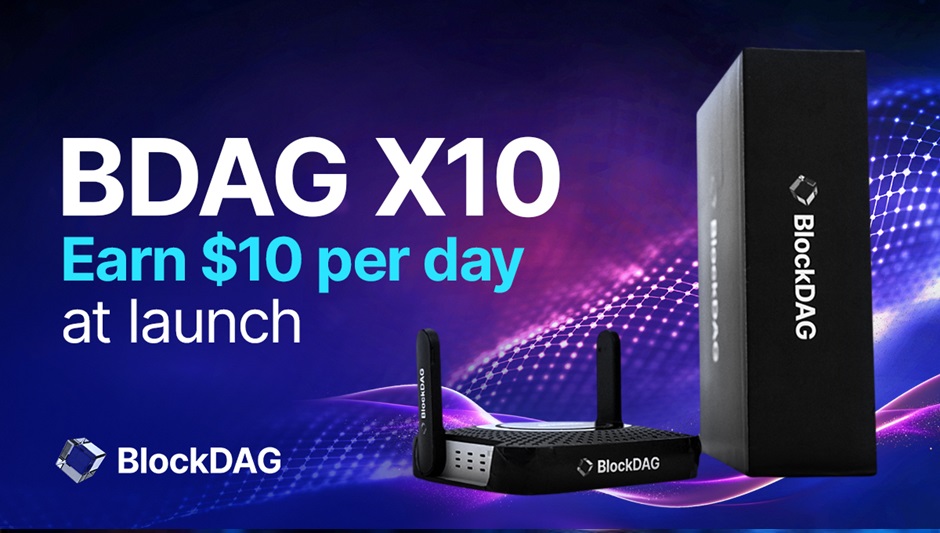
Moreover, BlockDAG’s mining technology, particularly the X10 Miner, received significant attention during Keynote 2. This compact yet robust mining tool combines energy efficiency and scalability and is capable of mining up to 200 BDAG daily with a 100 MH/s hash rate. Its user-friendly design and quiet operation make it an appealing choice for novice and seasoned miners. Integrating ASIC technology ensures top performance, positioning BlockDAG as a frontrunner in the mining hardware and crypto NFT sectors.

BlockDAG’s ongoing presale success has solidified its reputation as a prime investment destination. The $49.5 million collected during Batch 18 reflects community confidence in BlockDAG’s vision. With projections to reach $5 million in daily earnings, the rapid presale progress and robust support underscore the project’s viability and potential for significant returns. The buzz around the mainnet launch and continual tech advancements create a buzz among investors, spurring further interest in the presale.

Final Thoughts

The difficulties faced by Worldcoin and ApeCoin’s instability have pushed investors towards more promising avenues. In contrast, BlockDAG is reshaping the crypto market with its pioneering technology and strategic progress. BlockDAG’s Keynote 2 captured global attention and showcased the project’s potential to redefine blockchain technology.

With its advanced X10 Miner and thriving presale, which raised over $49.5 million and aims for $5 million daily, BlockDAG is poised to be a major player in the crypto NFT realm. Investors seeking a significant crypto venture should eye BlockDAG’s mineable network, which is poised to generate substantial wealth for its community.


Join BlockDAG Presale Now:

Website: https://blockdag.network

Presale: https://purchase.blockdag.network

Telegram: https://t.me/blockDAGnetworkOfficial

Discord: https://discord.gg/Q7BxghMVyu