DD
MM
YYYY

PAGES

DD
MM
YYYY

spot_img

PAGES

Home Blog Page 3236

Why are native token transfers the next evolution of interoperability?

0

Interoperability is the ability of different blockchain networks to communicate and exchange value with each other. It is a key feature that enables the growth and innovation of the decentralized ecosystem. However, most interoperability solutions today rely on bridges or wrapped tokens that introduce additional complexity, risk, and fees for users and developers.

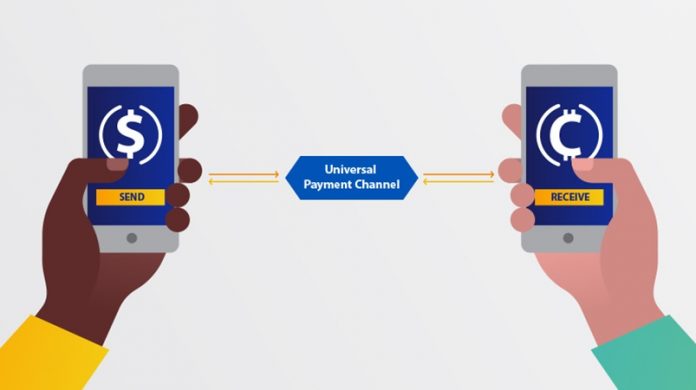
Native token transfers are a new approach to interoperability that allows users to send and receive tokens across different blockchains without using any intermediaries or wrappers. This means that users can enjoy the benefits of each network without sacrificing security, speed, or convenience.

Native token transfers also open up new possibilities for cross-chain applications, such as decentralized exchanges, lending platforms, and NFT marketplaces. This means that the token remains the same on both networks, preserving its original value, functionality, and governance.

For example, a user can send ETH from Ethereum to Polkadot and receive the same ETH on Polkadot, without having to wrap it or use a bridge.

How do native token transfers work?

Native token transfers are enabled by cross-chain communication protocols (CCPs) that allow blockchains to exchange messages and data with each other. These protocols use cryptographic proofs to verify the validity and finality of transactions across networks, ensuring that tokens are not duplicated or lost in the process.

One example of a CCP is XCLAIM, which stands for Cross-Chain Asset Management Framework. XCLAIM is a generic framework that can support any pair of blockchains and any type of asset, including native tokens.

What are the benefits of native token transfers?

Native token transfers offer several advantages over other forms of interoperability, such as:

Simplicity: Users do not have to deal with complex processes or intermediaries to move their tokens across networks. They can simply send and receive tokens as they would on a single network, using the same wallets and interfaces.

Efficiency: Users do not have to pay extra fees or lock up their tokens in order to transfer them across networks. They can also benefit from faster transaction speeds and lower latency, as there is no need for multiple confirmations or waiting periods.

Security: Users do not have to trust third parties or centralized entities to facilitate their token transfers. They can rely on the security and consensus of the underlying blockchains, which are verified by cryptographic proofs. There is also no risk of losing access or control over their tokens due to technical failures or malicious attacks.

User-friendliness: Users do not have to worry about the compatibility or liquidity of their tokens across networks. They can access the same features and services on both networks, such as decentralized applications (DApps), exchanges, or lending platforms. They can also participate in the governance and development of both networks, as they retain their voting rights and stake in their tokens.

Native token transfers represent a more advanced and mature form of interoperability that can unlock the full potential of blockchain technology. By enabling seamless and frictionless value transfer across networks, native token transfers can foster greater innovation, collaboration, and adoption in the blockchain space. They can also create new opportunities and use cases for users, developers, and enterprises, such as:

Cross-chain composability: Users can leverage the best features and functionalities of different blockchains, creating new possibilities for DApps and smart contracts. For example, a user can use ETH to interact with a DApp on Polkadot that leverages its scalability and interoperability features.

Cross-chain arbitrage: Users can take advantage of price differences and market inefficiencies across networks, maximizing their profits and minimizing their risks. For example, a user can buy ETH on Ethereum at a lower price and sell it on Polkadot at a higher price, without incurring extra costs or delays.

Cross-chain asset management: Users can diversify their portfolios and optimize their returns by investing in different assets across networks. For example, a user can hold ETH on Ethereum for its security and stability, while also holding DOT on Polkadot for its growth potential and governance participation.

Native token transfers are the next evolution of interoperability that can enable more efficient, secure, and user-friendly value transfer across blockchains. By allowing users to send and receive tokens without changing their identity or properties, native token transfers can preserve the original value, functionality, and governance of tokens across networks.

This can create new opportunities and use cases for users, developers, and enterprises in the blockchain space, as well as foster greater innovation, collaboration, and adoption.

Unlocking 100x Gains: Exploring ADA, MATIC, and Scorpion Casino for Passive Income

0

Finding the next big opportunity for exponential gains is the ultimate pursuit for investors seeking passive income. Among the many options available, Cardano (ADA), Polygon (MATIC), and Scorpion Casino (SCORP) stand out as promising contenders, each offering unique avenues for lucrative returns.

Closing Phases of Presale, Tokens Nearly Gone

Unveiling Cardano

Cardano has emerged as a good option in the crypto sphere, known for its robust infrastructure and commitment to scalability, interoperability, and sustainability. Powered by the ADA token, Cardano’s blockchain protocol offers a secure platform for building decentralized applications (dApps) and smart contracts.

Investing in Cardano presents an opportunity for substantial gains, with its focus on solving real-world problems through blockchain technology. With ongoing developments and a dedicated community backing its vision, Cardano stands poised for significant growth in the coming years.

Shaping the Polygon

Polygon, formerly known as Matic Network, addresses Ethereum’s scalability issues by providing a multi-chain scaling solution. By leveraging sidechains, Polygon enhances Ethereum’s throughput and usability, making it an attractive option for developers and investors alike.

Polygon’s native token, MATIC, has witnessed remarkable growth, fueled by its role in facilitating efficient and low-cost transactions on the Ethereum (ETH) network. As Ethereum continues to dominate the decentralized finance (DeFi) landscape, Polygon’s integration offers a promising avenue for passive income through staking and participating in liquidity pools.

Enter Scorpion Casino

Amidst the burgeoning crypto market, Scorpion Casino emerges as a disruptive force, combining the allure of online gaming with the potential for lucrative investments. Operating similarly to cryptocurrency presales, Scorpion Casino offers early access to its native token, SCORP, providing investors with the opportunity to capitalize on its future value.

Presale Ending Soon, Tokens Almost Sold Out

Scorpion Casino’s strategic partnerships and collaborations with over 30 renowned YouTubers and influencers in the crypto space have generated significant buzz, further solidifying its position as a promising investment opportunity. With a focus on transparency and community engagement, Scorpion Casino aims to revolutionize the gambling industry while offering substantial returns to its investors.

The Path to Passive Income: Seizing the Opportunity

For investors seeking the next big crypto investment, the allure of Cardano, Polygon, and Scorpion Casino presents an enticing proposition. With the potential for 100x gains and beyond, these platforms offer diverse avenues for generating passive income and maximizing returns on investment.

As the crypto market continues to evolve, staying informed and strategic in investment decisions is paramount. By exploring opportunities presented by Cardano, Polygon, and Scorpion Casino, investors can position themselves for success in the ever-expanding world of cryptocurrencies.

With its disruptive model and strategic collaborations, Scorpion Casino embodies the future of crypto gambling and presales. As investors look towards the horizon for the next big opportunity, Scorpion Casino stands poised to deliver substantial returns and redefine the landscape of decentralized finance.


For more information on SCORP:

 Presale: https://presale.scorpion.casino/

Twitter: https://twitter.com/ScorpionCasino

Telegram: https://t.me/scorpioncasino_official

BlockDAG Predicted As Best Crypto Investment For 2024; Dusting Off XRP Crypto And RETIK Token In The Race

0

The world of cryptocurrency is abuzz with excitement as innovative projects and emerging trends reshape the landscape of digital finance. In this dynamic environment, investors are constantly seeking the best opportunities to maximise their returns and capitalise on the potential of disruptive technologies. Although Retik Finance (RETIK) and Ripple’s XRP crypto are among the options available, one project stands out, BlockDAG Network, offering unique value propositions and significant growth potential as the best crypto investment.

Retik Finance A Decentralised Financial Platform

Retik Finance (RETIK) is a decentralized finance (DeFi) project that aims to revolutionise how individuals interact with financial services. With a comprehensive ecosystem of products and services, Retik Finance empowers users to participate in a wide range of decentralised financial activities, including lending, borrowing, yield farming, and staking.

At its core, Retik Finance is driven by its native token, RETIK, which serves as the fuel for its decentralised ecosystem. With a dedicated team of developers, advisors, and community members, Retik Finance is committed to building a decentralised financial ecosystem that is accessible, efficient, and resilient, offering investors the opportunity to participate in the future of finance.

XRP Crypto Entertaining Digital Payments

XRP crypto is a digital currency that aims to revolutionise the world of cross-border payments. With its fast transaction speeds and low fees, XRP has become a popular choice for banks and financial institutions looking to streamline their payment processes. In addition to its utility as a payment solution, XRP allows investors to capitalise on the growing demand for digital assets in the global economy. However, with the current battle between SEC and Ripple, the coin remains a concern for investors and enthusiasts.

BlockDAG The Best Crypto Investment For 2024

While Retik Finance and XRP crypto offer exciting investment opportunities, one project that has generated significant buzz in the crypto community is BlockDAG. Positioned as the next frontier in cryptocurrency investing, BlockDAG is poised to revolutionise how investors approach the digital asset market. With its innovative technology and promising future, BlockDAG can potentially deliver significant returns for investors seeking high-growth opportunities.

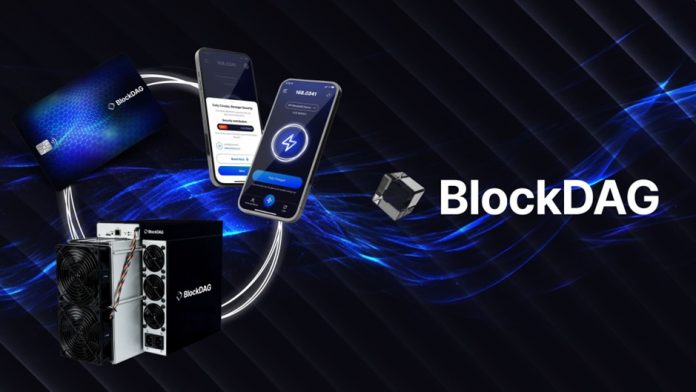
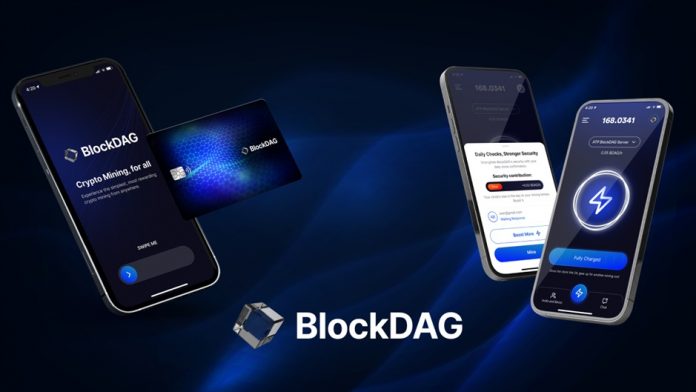
The mining approach and crypto payment card facility make BlockDAG an exciting project for investors and miners. The BDAG coin has gained over $3.3 million in its presale phase, quickly concluding its early presale batches. With the speed at which the coin is gaining traction, market analysts predict the coin will be launched by the end of 2024. Furthermore, market analysts hope the coin will give more than 10,000% returns on investment once its presale concludes.

BlockDAG’s unique approach to decentralised finance sets it apart from traditional cryptocurrencies, allowing investors to participate in a groundbreaking project with the potential for exponential growth.

Seizing the Opportunities of Tomorrow

In conclusion, the world of cryptocurrency is full of exciting opportunities for investors looking to capitalise on the future of finance. As Retik Token and XRP crypto play their part, emerging and innovative trends like BlockDAG, provide endless possibilities for those willing to seize tomorrow’s opportunities.


Invest in BlockDAG Now

Website: https://blockdag.network

Presale: https://purchase.blockdag.network

Telegram:https://t.me/blockDAGnetworkOfficial

Discord: https://discord.gg/Q7BxghMVyu

BlockDAG Expected To Grow 5000x As BTC Mining Risks Surface With BTCMTX Coin’s Crypto Cloud Mining

0

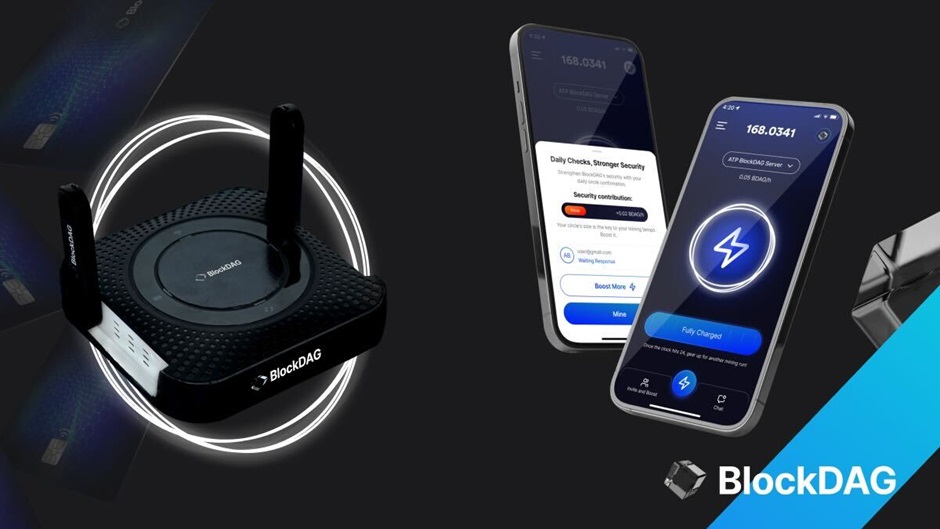
Exploring the dynamic landscape of cryptocurrency innovation unveils a promising horizon. While Bitcoin Minetrix (BTCMTX) offers crypto cloud mining, BlockDAG is the leader in overall crypto mining. Staying cautious of BTC mining risks, BlockDAG emerges as a formidable contender, promising exponential growth and disruptive potential, drawing investors seeking diversification and high returns.

Together, these innovations symbolise a transformative shift towards democratised mining and investment opportunities, propelling the crypto space into a future of accessibility, sustainability, and profitability.

Structure Of BTCMTX Coin

Innovative solutions are constantly reshaping traditional practices in the world of cryptos. One such innovation is crypto cloud mining, which allows individuals to participate in Bitcoin mining without expensive hardware or high electricity costs. At the forefront of this revolution is Bitcoin Minetrix, a pioneering platform that utilises a unique stake-to-mine model to democratise mining activities.

The Risks Of BTC Mining

Bitcoin mining presents several financial, regulatory, and environmental risks. Financially, the danger of not recouping investments made on expensive mining equipment is dangerous. Individuals must consider their local regulations regarding cryptocurrency mining, as it’s prohibited in some areas.

Environmentally, the significant energy consumption and carbon footprint associated with BTC mining, particularly with the expansion of Proof of Work (PoW) systems, pose sustainability issues. Additionally, the heat generated by mining equipment necessitates increased cooling efforts, potentially raising utility expenses.

BlockDAG Evolving Crypto Mining

While Bitcoin Minetrix revolutionises the mining landscape, another project is making waves in the crypto market: BlockDAG. Positioned as a formidable challenger to Bitcoin, BlockDAG is gaining traction among investors due to its innovative features and potential for exponential growth. Analysts predict a jaw-dropping 5000x surge for BlockDAG, positioning it as a top contender for investment opportunities in the coming years.

Investors seeking higher returns in the crypto market increasingly focus on BlockDAG, drawn by its strategic pricing and disruptive potential. With predictions of exponential growth to surpass 5000x and comparisons to established cryptocurrencies like Bitcoin, BlockDAG presents a compelling investment opportunity for those looking to diversify their portfolios and capitalise on emerging trends in the digital asset space.

BlockDAG represents the zenith of Layer 1 blockchain innovation, drawing inspiration from the DAG protocol employed by Kaspa. Distinguished by its method of concurrent block addition, it significantly enhances scalability and transaction processing efficiency. It achieves a transaction confirmation speed of ten blocks per second, aiming to escalate to one hundred in the foreseeable future.

Embracing Innovation for Profitable Crypto Ventures

As the cryptocurrency market evolves, embracing innovation is key to unlocking profitable investment opportunities. Meanwhile, projects like BTCMTX coin and the domain of BTC mining come with their risks. On the contrary, BlockDAG exemplifies the transformative power of technology in reshaping traditional practices and creating new avenues for wealth creation. By incorporating scalability and efficiency, BDAG is set to evolve the world of mining and crypto cloud mining and tap into a future where crypto mining is as easy as possible.


Buy BlockDAG Now

Website: https://blockdag.network

Presale: https://purchase.blockdag.network

Telegram:https://t.me/blockDAGnetworkOfficial

Discord: https://discord.gg/Q7BxghMVyu

Under Naira FX Paralysis, MVNO Business Model Will Struggle in Nigeria

1

“Now, it is a matter of cutting your coat according to your clothes. We are in an unusual time. From a governance perspective, our CAPEX is fixed in Naira, so with the devaluation of the Naira it does mean that you are going to get fewer dollars to spend.” – MTN Nigeria

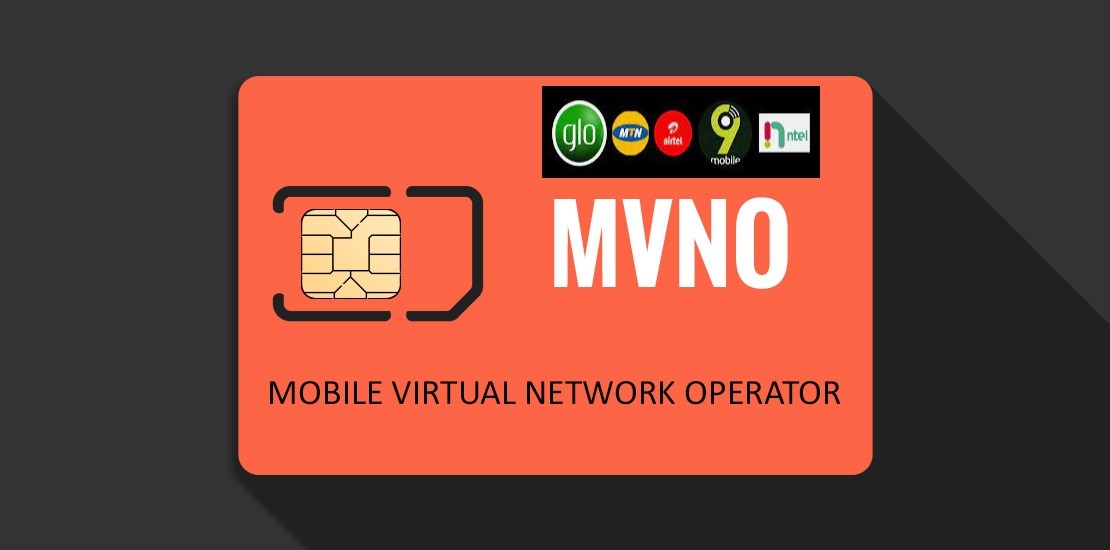
This is one of the reasons why I think the Mobile Virtual Network Operator (MVNO*) framework may not deliver the alpha many people may be expecting in Nigeria. In Western Europe and US where MVNO companies are common, their main infrastructure firms like Verizon and AT&T are usually at overcapacity which means they have excess bandwidth, and can support more customers. 

In other words, Verizon may have for RegionA a capacity to support 10 million customers, but at the moment, it has just 4 million customers in the network. When an MVNO comes, Verizon will be happy as it can “power” that MVNO to go out there, and get the customers in RegionA via better customer support, laser-focused marketing, etc. If that MVNO does get 2 million customers, the overall service level within Verizon remains intact.

But in Nigeria, I do posit that some of our core telcos are already operating at above customer-capacity. For example, they are built for say 20 million users, but they have 30 million users, causing service failures, call drops, inability to browse efficiently, and broad network congestion.

If you now allow them to add an NMVO, and that company brings 2 million users, you are not helping any person. This is why I do not have a positive view of the MVNO market in Nigeria considering the Naira FX paralysis.

Indeed, with the above MTN warning where spending is expected to reduce on core infrastructure, customers cannot expect better service delivery if MVNOs are piled on top of the already over-congested network.

*A mobile virtual network operator (MVNO) is a telecommunications company that provides wireless services under its own brand name. MVNOs do not own the wireless network infrastructure they use, but instead buy network capacity from licensed mobile operators (MNOs). MVNOs then resell this capacity to consumers at a lower price.