DD
MM
YYYY

PAGES

DD
MM
YYYY

spot_img

PAGES

Home Blog Page 3249

Nigeria Introduces New Anti-Money Laundering Guidelines For Digital Asset Operators

0

The Nigerian Securities and Exchange Commission (SEC) has developed new anti-money laundering guidelines aimed at enhancing the licensing, registration, and screening processes for digital and virtual asset service providers (VASPs).

In a circular seen by Tekedia, the SEC disclosed that the new guidelines would ensure that criminals are not registered as operators in the capital market.

The SEC further highlighted that the new guidelines will complement the existing regulatory framework, reinforcing the commission’s commitment to ensuring market integrity and investor protection.

Based on the circular, the new guidelines will serve as additional rules and regulations to the existing ones.

Part of the circular reads,

“In September 2020, the commission released its treatment and classification of digital assets where it specified its regulatory purview over Crypto tokens traded on a recognized exchange, Utility tokens traded on a recognized exchange, security tokens that have features of securities and funds and derivatives of these three types of tokens”.

SEC outlined the existing guidelines issued in May 2022 to include, general requirements for VASPs, issuance of digital assets as securities, digital assets offering platforms (DAOPs), digital assets exchange (DAX), and digital asset custodians (DACs).

Furthermore, the SEC said it has unveiled a new Anti-Money Laundering (AML), Countering the Financing of Terrorism (CFT), and Countering Proliferation Financing (CPF) onboarding manual.

This manual is specifically designed for the licensing, registration, and ongoing screening of beneficial owners of digital and virtual asset service providers (VASPs). The objective according to SEC is to prevent individuals with criminal backgrounds from being registered as operators within the capital market, SEC further noted that it is ready to interface with genuine VASPs based on these clear rules and regulations.

Based on the commission’s recent engagement with the Central Bank of Nigeria (CBN), it said that additional comments are being incorporated into the rules that will soon be exposed to the market for comment before final approval.

By introducing these new regulations, the SEC seeks to enhance the integrity and transparency of the digital asset market while mitigating the risks of financial crime. It also aims to foster greater investor confidence in the digital asset space by establishing clear regulatory standards for AML compliance among digital asset operators.

To enforce compliance with the new regulations, the SEC could introduce stringent penalties for non-compliance, including fines, license revocation, and legal action against violators. By imposing consequences for failure to adhere to guidelines requirements, the SEC aims to incentivize digital asset operators to prioritize compliance and mitigate the risk of financial crime in the digital asset space.
Germany’s largest stock exchange, Deutsche Boerse, launches a Crypto Spot Trading Platform

0

Duetsche Boerse, the operator of Germany’s largest stock exchange, has launched a crypto spot trading platform for institutions. This is an important step for the integration of cryptocurrencies into the traditional financial market.

The platform, which operates under the name Xetra Digital Assets (XDA), provides participants with access to a wide range of crypto assets, including Bitcoin, Ethereum und Litecoin. XDA leverages Duetsche Boerse’s existing infrastructure and regulatory environment to ensure safe and efficient trading.

The XDA is the result of a partnership between Duetsche Boerse and Swiss Digital Asset AG, bridging the gap between the crypto and fiat markets. The platform allows institutional investors to buy and sell crypto assets through their existing brokerage accounts without having to deal with additional wallets or custody solutions.

The crypto assets are in the form of securities that have the same legal status as traditional stocks or bonds. The settlement is carried out by the central securities custody company Clearstream, a subsidiary of Duetsche Boerse.

The XDA is not the first initiative of the Duetsche Boerse in the field of crypto assets. Back in 2019, it launched the Eurex Exchange, a derivatives exchange for digital assets that offers futures contracts on Bitcoin.

In addition, Duetsche Boerse participates in various projects to promote blockchain technology, such as the European Blockchain Institute or the Digital Asset Research Lab. The Duetsche Boerse sees crypto assets as a great opportunity for the future of finance and wants to play a leading role in their development.

The XDA is a milestone for the crypto market in Europe and globally. It opens up new opportunities for institutional investors who want to participate in the growing demand for digital assets.

The launch of XDA marks a significant milestone in the development of the digital asset ecosystem, as it bridges the gap between the traditional and the emerging markets. By offering a regulated and secure environment for trading digital assets, XDA hopes to attract more institutional and retail investors to the crypto space, as well as to foster innovation and growth in the DLT sector.

XDA is currently in its beta phase, with a limited number of participants. The platform plans to expand its services and features in the coming months, as well as to onboard more partners and clients. XDA is open to any interested parties who meet the eligibility criteria and comply with the regulatory requirements.

It also boosts confidence in the legitimacy and security of crypto assets, by integrating them into the regulated financial market. The XDA is an example of how traditional and innovative financial players can work together to drive change in the financial sector.

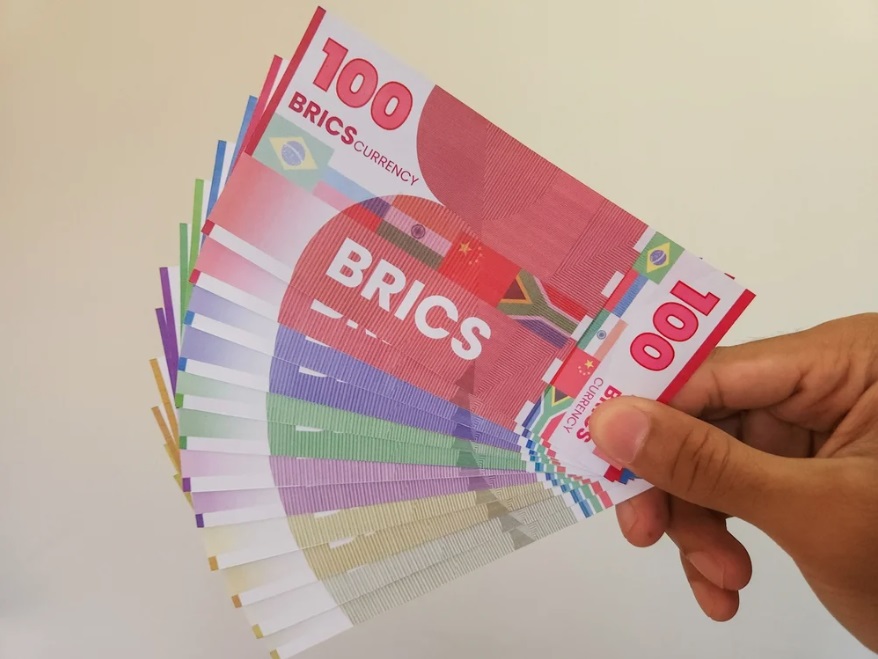
Nigeria Explores BRICS Membership and Pursues UN Security Council Permanent Seat

0

Nigeria is setting its sights on new diplomatic horizons, with the Minister of Foreign Affairs, Amb. Yusuf Tuggar, revealing the country’s exploration of joining BRICS and its unyielding ambition to secure a permanent seat on the United Nations Security Council (UNSC). 

Amb. Tuggar unveiled Nigeria’s strategic objectives during an official visit to Russia, underscoring the nation’s commitment to elevating its global influence and representation.

BRICS, an intergovernmental organization comprising Brazil, Russia, India, China, and South Africa, alongside Egypt, Ethiopia, Iran, and the United Arab Emirates, has emerged as a potent geopolitical force since its inception in 2009. Initially established to showcase investment opportunities, BRICS has evolved into a cohesive bloc shaping multilateral policies. Nigeria’s potential entry into BRICS signifies its proactive approach to aligning with influential global players and amplifying its voice on the world stage.

During discussions with Russian officials, Amb. Tuggar noted Nigeria’s profound appreciation for the unwavering support extended by the Russian Federation, particularly under President Bola Ahmed Tinubu’s administration. Highlighting Nigeria’s aspirations, he articulated the country’s determination to secure representation within BRICS and on the UNSC, which underlines the need for African inclusion in global decision-making processes.

The longstanding diplomatic relations between Nigeria and Russia, dating back to December 25, 1960, serve as a solid foundation for enhanced cooperation. Amb. Tuggar reiterated Nigeria’s commitment to strengthening bilateral ties with Russia, recognizing the pivotal role of diplomacy and economic collaboration in advancing mutual interests.

Echoing Nigeria’s stance on the Russia-Ukraine conflict, he emphasized the importance of a peaceful resolution while highlighting the shared interests of both countries as significant grain exporters. 

Moreover, the Ambassador noted the significance of the Joint Commission between Nigeria and Russia in facilitating the implementation of bilateral agreements. Emphasizing the importance of concluding pending agreements, he reaffirmed Nigeria’s resolve to deepen economic, cultural, and political ties with Russia for mutual benefit.

In the aspect of energy cooperation, Amb. Tuggar lauded Russia’s commitment to projects such as the Ajaokuta Steel Company Limited and the Aluminium Smelting Company, signaling a broader partnership in nuclear and renewable energy. Nigeria has expressed interest in nuclear energy as part of its pursuit of sustainable development and energy security.

Military and defense cooperation between Russia and Nigeria, dating back to the Soviet era, remains pivotal in combating terrorism and insurgency. Amb. Tuggar acknowledged Russia’s support in intelligence sharing and sought further collaboration in education, acknowledging Russia’s contribution to Nigerian students through scholarships.

Nigeria’s diplomatic journey to bolster its global standing through engagement with Russia and exploration of BRICS membership is said to be a reflection of a strategic shift towards proactive diplomacy and regional leadership. With concerted efforts to secure a permanent seat on the UNSC and deepen ties with influential partners, Nigeria is expected to play a pivotal role in shaping the future of global politics. However, there are implications.

Potential Implications of Nigeria Joining BRICS

Geopolitical analysts have warned that Nigeria’s prospective entry into BRICS holds far-reaching implications across diplomatic, economic, and geopolitical spheres. The merits and demerits were noted as follows:

  • As the largest economy in Africa, Nigeria’s inclusion could bolster BRICS’ collective bargaining power and augment its influence in shaping global policies. 
  • Moreover, Nigeria’s robust demographic dividend and burgeoning market potential could inject fresh vitality into BRICS’ economic agenda, fostering greater trade and investment opportunities among member nations.
  • From a geopolitical standpoint, Nigeria’s accession to BRICS could rebalance global power dynamics, amplifying the voice of the Global South in international affairs. By championing African interests within BRICS, Nigeria could serve as a catalyst for addressing pressing continental issues such as sustainable development, peace, and security.
  • However, Nigeria’s integration into BRICS may also pose challenges, including navigating divergent interests and reconciling varying developmental priorities among member states. 
  • Additionally, Nigeria’s alignment with BRICS could strain its traditional alliances with Western powers, potentially sparking geopolitical tensions and recalibrating global alliances.
  • Overall, Nigeria’s potential entry into BRICS holds immense promise for reshaping the contours of global governance and fostering South-South cooperation. 

Apple Terminates Epic Games Developer Account Amidst Ongoing Legal Battle

0

The ongoing saga between tech giants Apple and Epic Games has taken a dramatic turn as Apple announces the termination of Epic’s developer account.

This move comes as a shock to many, especially after the earlier approval of Epic’s account just last month. The termination throws into question the future of Fortnite on iOS devices in the EU, following the enactment of the Digital Markets Act (DMA) in the region.

Epic Games wasted no time in responding to Apple’s actions. In a scathing blog post, the game developer accused Apple of sabotaging competition and flouting the DMA.

“In terminating Epic’s developer account, Apple is taking out one of the largest potential competitors to the Apple App Store,” Epic stated. “They are undermining our ability to be a viable competitor and they are showing other developers what happens when you try to compete with Apple or are critical of their unfair practices.”

According to Epic, Apple cited various reasons for terminating the account, including Epic’s criticism of Apple’s proposed DMA rules and CEO Tim Sweeney’s remarks on social media. This move by Apple appears to be a direct response to Epic’s ongoing legal battles and advocacy for increased regulation of Apple’s control over the app economy.

Apple’s decision was further justified by Phil Schiller, an Apple executive, in a letter dated February 23, 2024. Schiller pointed to Epic’s past breaches of agreements with Apple and accused the company of deliberate violations for financial gain. He expressed concerns that Epic’s actions could compromise the integrity and security of the iOS platform.

In response to Epic’s allegations, Apple issued a statement reaffirming its decision to terminate the developer’s account. The company cited a court judgment from September 2021, which granted Apple the right to terminate agreements with Epic Games subsidiaries at its discretion. Apple said that Epic Games Sweden had entered into the Apple Developer Program License Agreement through a click-through agreement, which did not undergo executive review.

“Epic’s egregious breach of its contractual obligations to Apple led courts to determine that Apple has the right to terminate ‘any or all of Epic Games’ wholly owned subsidiaries, affiliates, and/or other entities under Epic Games’ control at any time and at Apple’s sole discretion.’ In light of Epic’s past and ongoing behavior, Apple chose to exercise that right,” the Cupertino giant said in a statement.

This latest development marks a significant escalation in the ongoing legal battle between Apple and Epic Games. It raises questions about the future of competition in the app economy and the extent of Apple’s control over its platform. As both companies dig in their heels, the fallout from this decision is likely to reverberate across the tech industry for months to come.

It’s worth noting that Epic Games has had a long-standing relationship with Apple, dating back to 2010, with agreements covering Epic Games, Unreal Engine, and other creator tools. However, recent clashes between the two companies have strained their once-cooperative partnership.

As the Economic Downturn Erodes the Purchasing Power of Nigerians, Living Wage is Urgently Needed.

0

Nigeria’s economic downturn characterized by soaring inflation rates and escalating living costs, has significantly eroded the spending power of ordinary Nigerians, rendering basic necessities increasingly unattainable for many.

The removal of fuel subsidy by the Federal Government in May 2023, intended to address fiscal challenges, has inadvertently exacerbated the financial burden on citizens. The situation was compounded by the floating of Nigeria’s forex market in June, which has seen the naira plummet helplessly to N1625 per dollar, stoking inflation to 29.90% as of January.

Despite initial palliatives offered by the government, the relentless rise in the cost of goods and services has negated any temporary relief.

The consequence of this economic turmoil is palpable across all strata of society. From the urban centers to the rural hinterlands, individuals and families alike are grappling with the harsh reality of diminished purchasing power. What was once considered affordable has now become a luxury beyond reach for many.

The inflationary pressures have had a domino effect on essential commodities such as food, transportation, housing, healthcare, and education. Basic staples that were once accessible have now become prohibitively expensive, forcing families to make difficult choices between essentials.

For instance, the cost of rice, the most common Nigerian staple, has risen from its pre-2015 price of N8,000 per a 50KG bag to N75,000. This means that to afford a bag of rice, a minimum wage earner will need to spend nearly his three-month earnings.

For Nigerian workers, whose wages have remained stagnant or inadequately adjusted to keep pace with inflation, the situation is particularly dire. A monthly salary below N100,000 is deemed insufficient to cover even the most basic needs, let alone provide for the well-being and education of their families.

As prices continue to spiral upward, the purchasing power of the average Nigerian has dwindled, eroding their ability to afford a decent standard of living. This has led to a cycle of financial strain, where individuals are forced to cut back on spending, further dampening economic activity and exacerbating the downturn.

The impact of the economic crisis is felt not only in the present but also in the prospects of the nation. With households struggling to make ends meet, investment in education, healthcare, and other critical sectors is compromised, hindering long-term development and prosperity.

In the face of these challenges, calls for urgent action to address the root causes of the economic downturn and restore confidence in the economy have been on high. The International Monetary Fund (IMF) has called for a comprehensive approach that combines fiscal discipline, prudent monetary policies, and targeted interventions to support vulnerable segments of society is essential to rebuilding the resilience of Nigeria’s economy and safeguarding the welfare of its citizens.

While the government is dragging its feet to enact and implement policies that will mitigate the soaring cost of living, stakeholders and economists are advocating a significant increase in the minimum wage to boost Nigerians’ spending power to commensurate with the dire economic realities. Labor unions have demanded N200,000 and above.

On Wednesday, the House Representatives acknowledged that minimum wage below N100,000 is not sustainable given the current harsh economic realities, setting up a 37-member tripartite committee on national minimum wage, tasked with recommending a new minimum wage for Nigerian workers.

There is hope that despite the government’s initial lax attitude toward calls for a living wage, the minimum wage will be reviewed this time to sustain a dignified livelihood.