DD
MM
YYYY

PAGES

DD
MM
YYYY

spot_img

PAGES

Home Blog Page 3255

BlockDAG’s X1 Miner Beta Ignites a 1120% Presale Boom: Are Uniswap and Ripple Whales Diving In

0

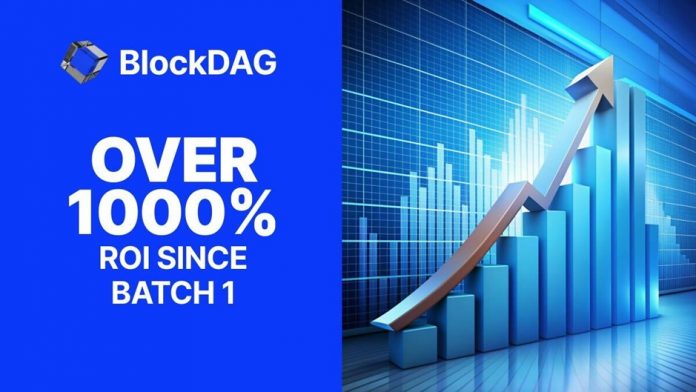
In the ever-evolving crypto landscape, BlockDAG emerges as a revolutionary force. While Uniswap’s UNI jumps 18%, and Ripple’s XRP anticipates an ETF green light, BlockDAG’s latest keynote has truly stolen the show. With a $48.8 million in presale increase of 1120% and state-of-the-art mining apps like X1 and X30, BlockDAG is setting new standards in mining efficiency and investor trust.

Uniswap Breaking $10 Barrier

Meanwhile, Uniswap’s token, UNI, has seen an 18% increase, breaking the $10.00 barrier to trade around $11.23. This uptick fuels speculation that it could soon hit $12.00, spurred by yet-to-be-revealed updates possibly linked to transaction fee changes or community-centric airdrops.

Despite some past volatility, UNI has notched a remarkable 125% growth this year, securing its spot as a standout asset in 2024. Additionally, Uniswap is gearing up for a pivotal vote on a “fee switch” initiative that could substantially benefit token holders.

Bright Horizons for XRP

Lastly, Ripple’s CEO Brad Garlinghouse has expressed strong confidence in the impending approval of an XRP ETF, inspired by the success of Bitcoin and Ethereum ETFs. His optimism, shared at a recent summit, has invigorated the market, prompting the movement of 83 million XRP coins among major investors, or “whales.”

This reshuffling highlights a buoyant market mood, notwithstanding Ripple’s ongoing SEC disputes. XRP’s price has seen a modest uptick, with indicators pointing towards a promising future for its adoption and valuation, bolstering investor confidence in XRP’s potential.

BlockDAG’s Presale Soars with 1120% Valuation Increase

BlockDAG has electrified the crypto world, with its $48.8 million presale soaring to an impressive 1120% increase. The spotlight at its recent keynote was the Beta release of the X1 Miner app, now available for Android and Apple users, signaling a major stride in the company’s innovation journey. This event also showcased the advanced X10 miners and a refined Blockchain explorer, ensuring the system’s comprehensive functionality and reliability.

Adding to the magic, BlockDAG also introduced the X30 miner, a robust model boasting a 280 GH/s hash rate, tailored to enhance the productivity of both new and seasoned miners. Celebrated for its efficiency, low noise, and sleek design, the X30 miner highlights BlockDAG’s commitment to pushing the boundaries of crypto mining technology.

BlockDAG also made waves with high-profile displays in global centers like Tokyo’s Shibuya Crossing and London’s Piccadilly Circus, broadening its market visibility. These moves, alongside influencer collaborations and educational drives, have significantly strengthened community ties and investor confidence.
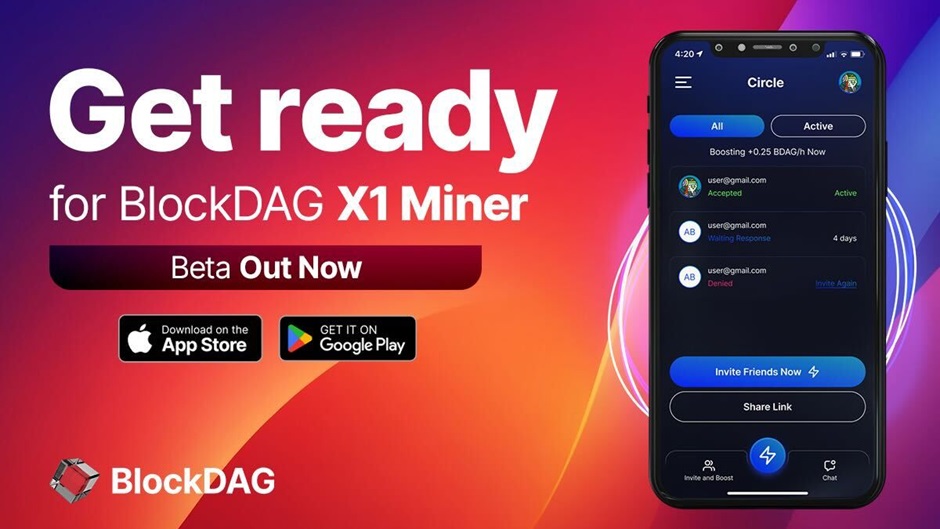
These efforts have culminated in a spectacular financial uptick, with the company securing millions overnight and moving thousands of miners. This financial windfall underscores BlockDAG’s growing footprint in the crypto world, capturing both attention and investment with its innovative approach.

Concluding Thoughts

BlockDAG’s significant innovations are making waves in the crypto domain. While Uniswap and Ripple are also advancing with UNI’s price surge and XRP’s anticipated ETF approval, BlockDAG’s monumental 1120% presale growth in price making $48.8 million and pioneering mining technologies truly distinguish it. The launch of the X1 and X30 Miner apps reflects BlockDAG’s dedication to enhancing mining efficiency and bolstering investor confidence. As the crypto market continues to evolve, BlockDAG’s strategic innovations position it as a powerhouse, attracting significant interest and investment.


Join BlockDAG Presale Now:

Website: https://blockdag.network

Presale: https://purchase.blockdag.network

Telegram: https://t.me/blockDAGnetworkOfficial

Discord: https://discord.gg/Q7BxghMVyu


Dangote Announces Plan to Establish Terminal in the Caribbean to Export Petroleum Products

0

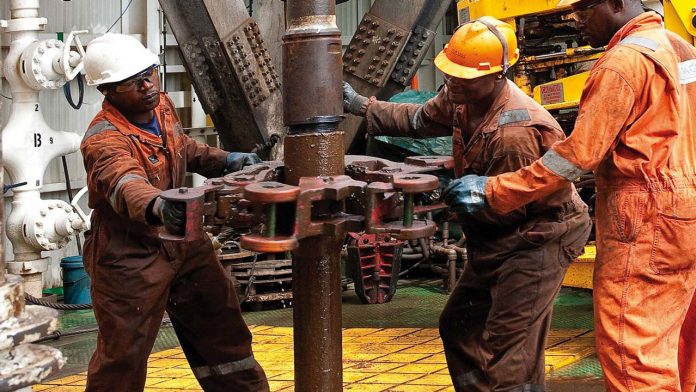
In a move to expand its market reach, the Dangote Refinery is planning to establish a terminal in the Caribbean, facilitating the export of petroleum products to North American countries.

This announcement was made by Aliko Dangote, the president and CEO of the refinery, during Afreximbank’s Trade and Investment Forum held in The Bahamas on Wednesday.

The African richest man highlighted the refinery’s capability to efficiently supply petroleum products to the Caribbean region, promising delivery within 18 to 20 days.

“I know the price in the Caribbean in terms of petroleum products is very high. We produce it cheaply. We can always bring it here. We can set up a terminal and we’ll be able to fix their needs,” he stated.

The proposed bilateral agreement aims to construct a terminal specifically for this purpose, ensuring that the Caribbean region benefits from more affordable petroleum products. Dangote explained that cheap energy could significantly boost the local economies by accelerating growth.

Apart from petroleum products, Dangote also announced plans to export cement to the Caribbean. The Dangote Group’s cement production capacity is expected to increase from nearly 52 million tons to about 62 million tons by the end of next year. This expansion enables the conglomerate to meet the demands of the Caribbean market effectively.

Dangote articulated the potential for a mutually beneficial relationship, stating, “It’s not only about the oil. We now have a capacity of almost 52 million cement capacity. By the end of next year, we will be at 62 million of cement capacity. We are not only saying that we can bring in from Nigeria or from Africa.”

He further explained that if the Caribbean countries have essential ingredients like limestone, the company could set up local production facilities within 28 months, promoting self-sufficiency in the region.

“We’ve done that before in Africa and we should be able to free them up from the shackles of other people,” he added.

Targeting Broader Markets

The Dangote Refinery, with its massive 650,000 barrel-per-day refining capacity, is set to revolutionize the oil and gas sector. Once operational, it will be the largest refinery in Africa and Europe, significantly impacting the $17 billion Africa-European market by reducing the continent’s dependence on imported petroleum products from Europe.

In addition to the Caribbean, Dangote revealed ambitions to supply refined products to the Brazilian market and other North American countries.

“Our capacity is too big for Nigeria. It will be able to supply West Africa, Central Africa, and also Southern Africa,” Dangote remarked during a panel discussion in Rwanda a few weeks ago.

Widening the Scope: From Oil to Steel

The Dangote conglomerate is not just stopping at oil and cement. It is broadening its business scope, marking a significant presence in various industries. Recently, Dangote announced plans to enter the steel production sector, further diversifying its industrial footprint.

“We want to make sure every single steel that we use will come from Nigeria,” Dangote said, underlining the company’s commitment to local production and self-sufficiency.

This ambitious move into steel production follows the successful launch of a Sinotruk assembly plant in Lagos. The plant, established in collaboration with China’s Sinotruk, aims to meet the growing demand for commercial vehicles in Nigeria and across Africa.

This venture is expected to boost local manufacturing capabilities and reduce dependence on imported trucks, aligning with the broader vision of industrialization and economic development in the region.

The plan to establish a terminal in the Caribbean, along with the potential export of cement and the vast refining capacity of the Dangote Refinery, underscores the company’s strategic efforts to become a major player in the global oil and gas market. This expansion, which promises economic growth for the regions involved, is also expected to highlight the significant role of African enterprises in the global economy.

CBK to Issue Payment License to Fintech Firms Following Amends of National Payment Act

0

The Central Bank of Kenya (CBK) has announced plans to issue payment licenses to Fintech firms that operate in the country, following the amendment of the National Payment Act.

The move signifies a huge shift from CBK’s previous stance, opening up Kenya’s payment market. Recall that in 2022, CBK via a circular ordered local financial institutions including banks and mobile money service providers to cut links with fintechs, citing unspecified threats to the country’s financial systems. The regulator emphasized that the firms were operating without authorization.

Part of the circular reads,

“It has come to the attention of the Central Bank of Kenya (CBK) that Flutterwave Payments Technology Limited (Flutterwave) and Chipper Technologies Kenya Limited (Chipper) have been engaging in Money Remittance and Payment Services without licensing and authorization by CBK. You are therefore directed to immediately cease and desist from dealing with Flutterwave and Chipper”.

However, the latest amendment is poised to unlock opportunities for fintech companies, streamlining their operations and enhancing their ability to innovate and expand.

Speaking on the amendment, CBK’s governor Kamau Thugge disclosed that the regulator is working to amend the National Payment Systems Act of 2011. This is aimed at establishing a legal framework that will allow fintech firms to operate legitimately.

In his words,

“We are in the process of updating and amending the Payments Act, basically coming up with a new act. We hope to be able to finish that soon and also the regulations and that would guide our way forward in terms of payments service providers space”.

The proposed changes are poised to be a big win for remittance and payment providers who have faced investigations by Kenyan authorities on allegations of money laundering.

Also, CBK’s proposed changes to the National Payment Systems Act to allow the registration and licensing of fintech startups could solve a legal gray area that has slowed down the expansion of fintech in the country.

Notably, the amendments to the National Payment Systems Act will no doubt introduce a more flexible and comprehensive regulatory framework for payment services. Key aspects of these changes include; a streamlined licensing process, Enhanced regulatory clarity, and consumer protection.

Streamlined Licensing Process:

The revised will simplify the licensing process for fintech companies, reducing bureaucratic hurdles and accelerating the time to market for new payment solutions. This move is expected to attract both local and international fintech firms to Kenya, fostering a competitive and innovative financial ecosystem.

Enhanced Regulatory Clarity:

By providing clear guidelines on compliance requirements, the CBK aims to reduce ambiguity and improve regulatory transparency. This clarity will help fintech companies better understand their obligations, reducing the risk of non-compliance and associated penalties.

Consumer Protection:

The act will ensure that users of payment services are safeguarded against fraud and other risks. This focus on consumer trust is crucial for the widespread adoption of digital payment solutions.

The amendments to Kenya’s National Payment Systems Act represent a significant breakthrough for the fintech sector. By creating a more conducive regulatory environment, the CBK is paving the way for innovation, growth, and increased investment in digital payment solutions.

Senegal’s Oil Production Begins, with Potential Impact on Nigeria’s Oil Exports

0

Senegal has officially commenced production at its first offshore oil project. This development not only marks a significant milestone for Senegal but also has potential implications for Nigeria’s oil exports.

The Australian group Woodside Energy announced on Tuesday that oil extraction has started at the Sangomar oil fields, a project expected to produce 100,000 barrels of oil per day.

“This is a historic day for Senegal and for Woodside,” stated Meg O’Neill, Woodside Energy’s Chief Executive, in a press release. The vessel extracting the oil is moored about 100 kilometers (60 miles) offshore at the Sangomar oil fields.

This project is expected to generate billions of dollars in revenue for Senegal and potentially transform its economy.

Shifting The Dynamics in West African Oil Trade

However, initiating oil production in Senegal means that Nigeria has lost one of its crude oil trade partners. Historically, Senegal has relied on imports from Nigeria to meet its energy needs. In 2023, Nigeria’s exports to Senegal were valued at US$904.93 million, with mineral fuels, oils, and distillation products accounting for $846.50 million of that total, according to the United Nations COMTRADE database on international trade. However, with the start of its own oil production, Senegal will increasingly rely on domestically produced oil, reducing its dependence on Nigerian imports.

Analysts note that this development could compound the challenges facing Nigeria’s oil industry, which is already grappling with declining revenues. The decrease in demand from Senegal is expected to add pressure on Nigeria to find alternative markets for its crude oil, amidst an already competitive global oil market.

In April, Bloomberg reported that Nigeria was struggling to find buyers for its crude oil due to a shortfall in demand from Europe. According to four traders specializing in the West African market, cited by the report, about 20 to 25 shipments of Nigerian crude for April loading sought buyers for weeks.

Nigeria’s economy heavily relies on oil exports, and any demand reduction has significant implications. The loss of Senegal as a buyer means reduced export volumes, which directly affects Nigeria’s oil revenue. This comes at a time when Nigeria is facing numerous economic headwinds, including fluctuating oil prices and production shortfalls.

Nigeria’s oil revenue has been on a downward trend, contributing to the nation’s fiscal deficits. In recent years, the country’s oil production has struggled to meet targets due to various operational issues, and global oil prices have been volatile. The Organisation of Petroleum Exporting Countries (OPEC) says Nigeria’s average daily crude oil production dropped to 1.25 million barrels per day (mbpd) in May, falling short of its 1.5mbpd 2024 quota. The current output figure represents a 2.34 percent decline from the 1.28mbpd recorded in April.

However, the government has been making fruitless efforts to boost oil production – aiming at issues such as vandalism, and oil theft, hindering oil output. On May 20, Mele Kyari, group chief executive officer (GCEO) of the Nigerian National Petroleum Company (NNPC) Limited, said Nigeria has the potential to produce two million barrels per day.

In recent years, Nigeria has seen its debt profile balloon, with approximately 96 percent of its revenue going towards servicing this debt. The government has been forced to borrow extensively to cover budget shortfalls, partly due to lower-than-expected oil revenues.

Against the backdrop of the loss of a key market like Senegal, some analysts believe the additional reduction in demand could further strain the already tight fiscal space that has forced the government into borrowing.

Senegal’s new government, under President Bassirou Diomaye Faye, has been keen on reviewing and renegotiating oil and gas contracts with foreign companies to ensure that the country benefits more significantly from its natural resources.

“The exploitation of our natural resources, which according to the constitution belong to the people, will receive particular attention from my government,” Faye declared in his first address to the nation in April.

Prime Minister Ousmane Sonko reaffirmed this commitment, stating, “We will face multinationals… We’re the ones who promised you we’d renegotiate the contracts, and we’re going to do it.”

This proactive approach aims to ensure that a larger share of the profits from oil and gas production remains within Senegal, boosting its economy and improving public welfare.

Elon Musk Withdraws Lawsuit against OpenAI Months After it Published His Email

0

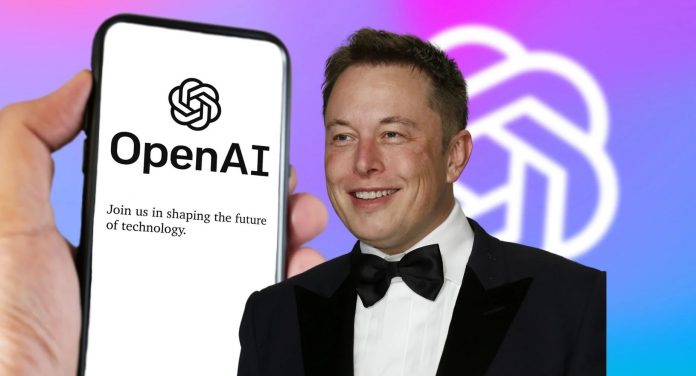
In a surprising turn of events, lawyers representing Elon Musk filed a motion on Tuesday to dismiss the billionaire’s lawsuit against OpenAI and its CEO, Sam Altman.

This move ends a contentious legal battle between the co-founders of the artificial intelligence startup that began in February.

Elon Musk, who co-founded OpenAI in 2015, initiated the lawsuit earlier this year, accusing the ChatGPT creator of deviating from its original nonprofit mission. Musk’s complaint alleged that OpenAI was reserving some of its most advanced AI technologies for private customers, rather than adhering to its founding principles.

The lawsuit sought a jury trial and demanded that Altman, along with co-founder and president Greg Brockman, return any profits accrued from these business practices.

OpenAI quickly responded to Musk’s allegations, characterizing them as “incoherent” and “frivolous.” In their defense, the company pointed to several emails from Musk himself, dating back to OpenAI’s early days. These emails purportedly showed Musk acknowledging the necessity for the company to generate significant revenue to support the immense computing resources required for its AI projects.

This evidence starkly contrasted with Musk’s claim that OpenAI was improperly pursuing profit.

Musk’s legal team did not provide an explanation for their decision to withdraw the lawsuit in the court filing, according to CNN.

This development came just a day before a scheduled hearing on OpenAI’s motion to dismiss the case. Interestingly, the lawsuit’s withdrawal coincided with Musk’s public criticism of OpenAI on his social media platform X, following Apple’s announcement of a partnership to integrate ChatGPT with Siri on an opt-in basis.

Musk vehemently opposed this integration, citing security concerns and threatening to ban Apple devices from his companies.

“If Apple integrates OpenAI at the OS level, then Apple devices will be banned at my companies,” Musk declared, describing it as “an unacceptable security violation.”

He further added that visitors would need to check their Apple devices at the door, where they would be stored in a Faraday cage to prevent any potential data leaks.

Diverging Visions for OpenAI

The lawsuit underscored the starkly different visions held by Musk and OpenAI for the future of the company. Musk accused OpenAI of prioritizing the development of powerful “artificial general intelligence” (AGI) to maximize profits, while OpenAI suggested Musk was envious of the company’s direction after his departure in 2018.

Musk, who has been a fierce advocate for AI regulation, left OpenAI following an unsuccessful attempt to convince his fellow co-founders to allow Tesla to acquire the startup.

The lawsuit withdrawal is another challenge overcome by OpenAI, which has had to deal with a serious internal crisis that resulted in the ouster of Altman. Although the CEO was later reinstated after the intervention of Microsoft, a major investor in OpenAI, the crisis spurred by concerns from several board members about the risks associated with artificial intelligence, was noted as the company’s biggest controversy since launch.

Safety has remained a huge topic within the burgeoning AI industry, with Musk warning that the technology is capable of ending civilization if a safety regulatory framework to contain its excess is not promptly developed.

Launching Grok

In response to what he perceives as missteps by OpenAI, Musk has launched his own generative AI named Grok. Announced shortly after his lawsuit against OpenAI, Grok aims to offer an alternative vision for AI development, emphasizing transparency, safety, and adherence to the principles Musk believes OpenAI has abandoned. Grok’s launch signifies Musk’s determination to influence the AI industry directly, challenging OpenAI’s dominant position in the field.

Although the lawsuit has been dismissed, OpenAI still faces internal issues emanating from safety concerns, reflecting broader concern about AI development. More recently, the company faced further challenges with the departure of several high-profile safety leaders who criticized the company for prioritizing rapid product rollouts over safety concerns. In response, OpenAI established a new committee dedicated to making safety and security recommendations to its board.