DD
MM
YYYY

PAGES

DD
MM
YYYY

spot_img

PAGES

Home Blog Page 3257

Rwanda Will Not Refund £270m as UK Cancels Controversial Asylum Seeker Deal

0

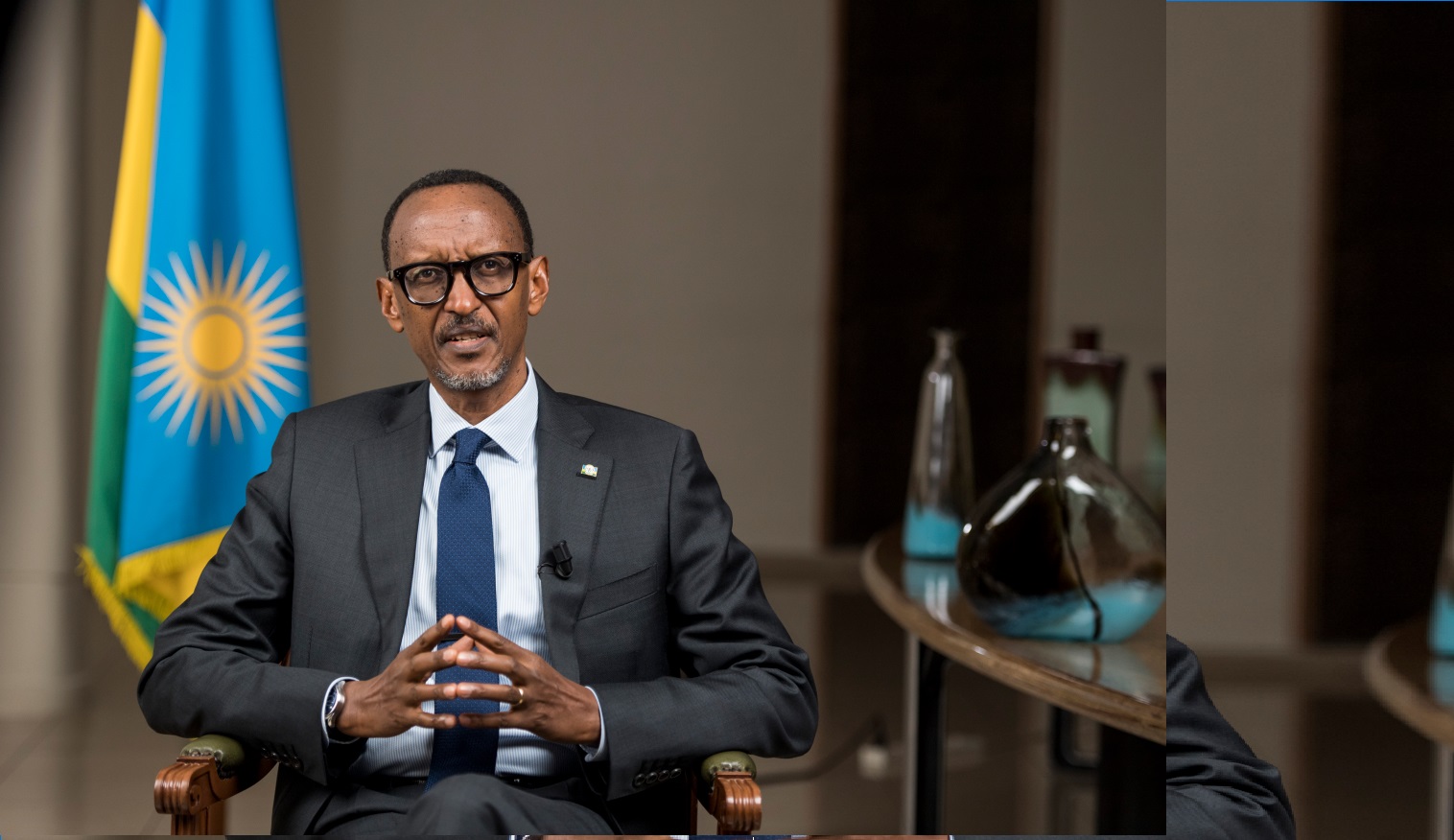
Rwanda has firmly stated that it will not refund the £270 million paid by the UK for a controversial asylum seeker programme, despite the new UK government’s decision to cancel the initiative.

Dr. Doris Uwicyeza Picard from the Rwandan Ministry of Justice emphasized that Rwanda has fulfilled its obligations under the agreement, and the issue remains a “UK problem.”

“We are under no obligation to provide any refund. We will remain in constant discussions. However, it is understood that there is no obligation on either side to request or receive a refund,” Dr. Uwicyeza Picard told the BBC World Service.

The Agreement and Its Fallout

The UK had paid £270 million to Rwanda as part of the Migration and Economic Development Partnership. This agreement aimed to help the UK manage its asylum seeker issues by relocating migrants to Rwanda.

However, not a single migrant has been forcibly deported to Rwanda, and only four failed asylum seekers have voluntarily moved there after being offered £3,000 each.

Although British ministers have not officially notified Rwanda of their intention to terminate the five-year agreement, Dr. Uwicyeza Picard acknowledged that Rwanda is aware of Sir Keir Starmer’s decision to cancel the deal, announced shortly after his election victory.

According to the agreement’s break clause, the UK can withdraw from two scheduled payments of £50 million in 2025 and 2026 without incurring penalties. The UK government is likely still responsible for funding the asylum seekers already sent to Rwanda.

“We were informed of the UK’s decision. We take note of the UK’s decision to terminate the agreement,” Dr. Uwicyeza Picard stated.

She reiterated Rwanda’s commitment to the partnership, highlighting that Rwanda stepped up to provide safety and opportunities for migrants as it has done in the past.

“Rwanda has maintained its side of the agreement and we have ramped up capacity to accommodate thousands of migrants and asylum seekers,” she said.

Dr. Uwicyeza Picard expressed concern over the criticism Rwanda faced due to misconceptions about the deal, noting, “It was because of this misconception that it was a Rwanda deal. Rwanda is not a deal; it is a country full of people whose policies are informed by the country’s recent history.”

She implicitly criticized the UNHCR, a major opponent of the scheme, which labeled Rwanda as unsafe for migrants while simultaneously working with Rwanda to accommodate asylum seekers from other countries.

“We work with organizations to take people from countries like Libya and provide them with opportunities in Rwanda. It beggars belief as to why Rwanda would be safe with these migrants rather than those migrants just because of the country they are coming from,” she said.

The termination of the agreement is complicated by a group of Sri Lankan Tamil asylum seekers transferred to Rwanda from the British territory of Diego Garcia. These asylum seekers have reported feeling “isolated and unsafe” in Rwanda and hope for relocation to a more permanent place.

Probing the Deal, The Labour’s Plan

Yvette Cooper, the British Home Secretary, has ordered an audit of the costs and liabilities of the Rwanda scheme, with a report expected before the summer recess at the end of July.

Labour argues that scrapping the Rwanda scheme will free up £75 million in the first year of their government, which they plan to use to establish a new Border Security Command. This new command will include Border Force, MI5, and the National Crime Agency (NCA) to crack down on people-smuggling gangs.

More than 90,000 migrants earmarked for deportation to Rwanda by Rishi Sunak’s government will now enter the UK’s asylum system, allowing them to apply for leave to remain. The UK government also faces a potential multi-million-pound compensation bill from over 200 migrants who claim wrongful detention for flights to Rwanda.

A spokesman for Ms. Cooper criticized the scheme as a waste of taxpayer money, saying, “This demonstrates a scandalous lack of care for taxpayers’ money – hundreds of millions of pounds wasted on a gimmick that only saw four people removed in over two years. Imagine what that money could have done if it had been channeled into boosting Britain’s border security?”

Innovate Africa Launches with $2.5M Angel Fund for Early-Stage Africa-Focused Startups

0

Innovate Africa, an angel investment fund that supports early-stage founders in funding life-changing ideas, taking startups from conception to product, and financing innovative ventures, has launched with an initial $2.5 million rollout.

Co-founded by Kristin Wilson and Christian Idiodi, the sector-agnostic fund aims to support up to 20 startups in its first year to solve complex, recognized problems such as insecurity, unemployment, and poverty with purpose-driven technology.

Since 2019, the African funding landscape has witnessed positive growth, with disclosed exits surpassing $2.3 billion, representing a significant 13.4% of the total $17.2 billion raised by African startups. Despite this growth, early-stage founders face challenges navigating the path from ideation to market fit. The persistent lack of early-stage funding further compounds these difficulties, hindering many startups from reaching their full potential and contributing to the continent’s economic growth.

With a mission to empower startups to thrive in Africa’s ever-evolving tech landscape, Innovate Africa Fund will provide insight-driven capital that helps founders accelerate the journey from Minimum Viable Product (MVP) to Product-Market Fit (PMF). The goal is to facilitate the infrastructure that enables founders to unlock growth through audacious problem-solving, supported by access to a comprehensive ecosystem of resources.

With an average investment of $50,000, the venture fund offers a comprehensive support package designed to propel promising startups toward success. The robust suite of critical advisory resources includes expert guidance in finance, governance, public relations, and strategy, ensuring a solid foundation for growth. Through its Product Leadership Accelerator, the fund delivers crucial product development support, helping startups refine their offerings and achieve product-market fit. It also facilitates talent resourcing via an extensive partner network, connecting startups with skilled professionals across various domains.

The fund’s portfolio strategy encompasses first cheque funding, a refined product operating model, valuable network and partnerships, assistance with revenue model iterations, and comprehensive operations and governance advisory. This holistic approach aims to accelerate startups’ path to success, providing them with the tools, resources, and connections needed to navigate early-stage challenges and achieve sustainable growth.

Innovate Africa Fund is anchored by a network of experienced operators and product specialists across Africa, providing a vigorous foundation of knowledge and experience to guide early-stage founders towards success. Managing Partner, Kristin is also the Chief Strategy Officer at Spurt!, a Venture Partner at Oui Capital, an Investment Lead for the Rising Tide Africa Angel Network, and a General Partner at the Bold Angel Fund.

She has a portfolio of 34 African startups including 26 tech startups such as Hoaq, Clafiya, Shuttlers, and OmniRetail–recognized as 2024’s Africa’s Fastest Growing Company by the Financial Times. Kristin’s portfolio companies have generated over $100m in revenue and collectively serve over 100,000 users.

Complimenting Kristin’s expertise is Christian, Founder of Firtsi and Work Nigeria. A world-renowned product expert, Christian is a partner at the Silicon Valley Product Group (SVPG) and helps companies transform the way they work to create products customers love and bring immense value to the business. He is co-author of INSPIRED, EMPOWERED, LOVED, and TRANSFORMED–New York Times Best-Selling books that have shaped product management globally.

He has shaped companies like Amazon and Merrill Corporation and tackled complex product challenges for industry giants like Microsoft, Interswitch, and Squarespace. His extensive background in enterprise and consumer products has helped scale businesses from the ground up. His track record includes successfully founding over two dozen companies worldwide.

Speaking about the launch of the Fund, Kristin Wilson, Managing Partner of Innovate Africa Fund said,

“Having witnessed the struggles that early-stage African founders face up close, we know that brilliant ideas often lack the resources they need to truly thrive. It’s not just about funding, it’s about deep expertise and strong connections–and our investment strategy breaks the cycle of innovators being at the mercy of those with too much leverage and too little knowledge.

“As a founder-first catalyst fund, we provide insight-driven capital to help founders accelerate their journey from MVP to PMF. By providing this support and funding, innovators can focus their efforts on building sustainable, transformative businesses that solve wicked problems and return value to investors”

“Through the Innovate ecosystem, we connect our portfolio companies with seasoned operators and advisors, both in Africa and globally, to ensure they get the expertise they need,” says Christian Idiodi, Founder of Innovate Africa Foundation. “The African diaspora has sent over $150 billion back to the continent in the past three years, but financial support alone isn’t enough. Many are eager to contribute their talent and expertise to impactful ventures, and that’s where we come in. It takes an ecosystem to build a startup. By reaching founders at a very early stage, we can connect them to key partners and help foster their success. Ultimately, our decisions today will shape who builds, owns, and benefits from the next wave of disruptive technology in emerging markets.”

Innovate Africa Fund is part of an ecosystem of companies, working together to empower Africa with meaningful technology. Through the fund, Innovate Founders will have access to the Product Leadership Accelerator, Pan-African Product Tours, InspireAfrica Gatherings, and Silicon Valley Product Group Coaching Programs.

Applications are open for founders across Africa who meet the six criteria for screening: Character, Credibility, Capacity, Courage, Competence and Context. Interested founders can apply via https://innovateafricafund.com/

OpenAI Blocks Chinese Users From Accessing its Tools and Services

0

OpenAI has notified its users in China that they will be blocked from accessing its tools and services starting July 9. This move is seen as a response to rising geopolitical tensions between the United States and China, as well as security concerns stemming from a hacking incident last year.

This decision marks a major shift in the AI industry, particularly for Chinese developers who have relied on OpenAI’s advanced technologies to refine their own generative AI applications.

One of the primary factors behind OpenAI’s decision is the escalating tension between the United States and China. This tension has already led to the US imposing restrictions on the export of certain advanced semiconductors to China. These semiconductors are crucial for training sophisticated AI models, and their restricted availability puts pressure on various segments of the AI industry.

In light of these tensions, OpenAI’s move to block access from China can be seen as a precautionary measure to align with broader US policies aimed at curbing China’s technological advancements. By limiting access to its AI tools, OpenAI is effectively participating in the US’s strategy to maintain a competitive edge in the AI sector.

Another critical aspect influencing OpenAI’s decision is the security breach that occurred last year. Early in 2023, a Chinese hacker infiltrated OpenAI’s internal messaging systems, gaining access to sensitive details about the company’s technologies.

Although the hacker did not breach the core systems housing key AI technologies, the incident exposed vulnerabilities and raised significant security concerns within the company.

The breach, disclosed to OpenAI employees and the board in April 2023, heightened fears about the potential for foreign adversaries, particularly China, to gain insights into OpenAI’s technological advancements. Despite the company’s assurance that the hacker was likely an individual without government ties, the incident escalated, highlighting the need for OpenAI to bolster security measures to protect its technology.

Impact on the Chinese AI Community

The decision to block access has caused considerable concern within China’s AI community. Xiaohu Zhu, founder of the Shanghai-based Centre for Safe AGI, noted that the move raises questions about equitable access to AI technologies globally. With OpenAI’s tools now out of reach, Chinese developers face significant challenges in maintaining the same level of innovation and development.

However, this restriction also presents an opportunity for domestic AI companies such as SenseTime, Baidu, and Zhipu AI. These companies are swiftly stepping in to fill the void left by OpenAI, offering incentives such as free tokens and migration services to attract OpenAI’s former users.

This competitive response may accelerate the development of China’s AI capabilities, potentially narrowing the performance gap with US counterparts.

Long-Term Implications

While the immediate impact of OpenAI’s decision is a setback for Chinese developers, it may ultimately serve as a catalyst for the growth of domestic AI technologies. Winston Ma, a professor at New York University, noted that OpenAI’s departure could provide a long-term opportunity for Chinese large language models to be rigorously tested and improved.

Until now, Chinese AI firms have focused more on commercializing existing models rather than advancing the models themselves. This shift could drive innovation and enhance the competition.

However, the economic strain on companies affected by these restrictions is palpable. The AI industry in China, already grappling with challenges like the chip shortage, now faces additional hurdles in accessing cutting-edge AI tools. This situation may lead to a surge in clandestine markets for US semiconductors and software, as companies seek ways to circumvent these restrictions.

Nigeria Establishes Ministry of Livestock Development, Contrasting Commitment to Implement Oronsaye Report

0

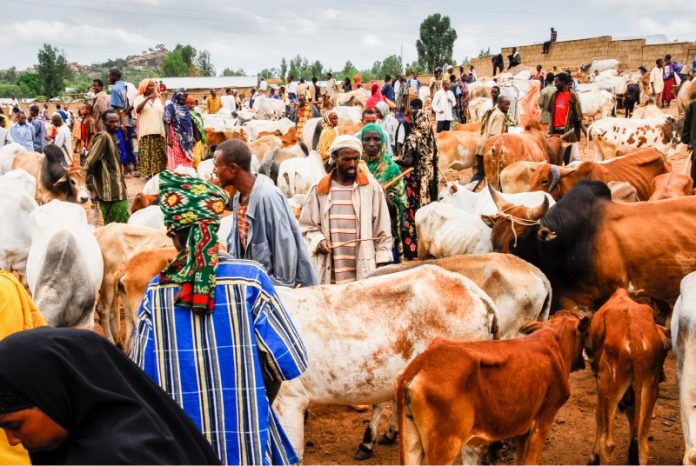
In a move aimed at addressing the persistent killings of farmers by herders, and fostering economic growth through livestock farming, Nigerian President Bola Tinubu has announced the creation of the Federal Ministry of Livestock Development.

This decision, revealed during the inauguration of the Presidential Committee on Livestock Reforms at the State House in Abuja, is seen as a pivotal step towards modernizing livestock production and resolving the age-old crisis that has plagued Nigeria.

The Miyetti Allah Cattle Breeders Association of Nigeria (MACBAN) has long championed the call for a dedicated ministry to oversee livestock development. Following the failure of the Rural Grazing Area (RUGA) initiative under former President Muhammadu Buhari, MACBAN has been persistent with its demand.

“We as an association had for years been agitating tooth and nail to actualize the creation of a stand-alone ministry to modernize livestock production system in line with global best practices,” the group declared in a welcome statement to the development.

They assured the federal government of their support, promising to help turn livestock production into a significant foreign exchange earner and reduce farmer-herder conflicts.

Tinubu expressed his confidence in the new ministry’s potential to resolve the longstanding conflicts.

“Who says the solution is far? I say, ‘No, the solution is here.’ Majority of you have great experience and you want Nigeria to prosper,” Tinubu proclaimed.

He noted the benefits of improving the quality and safety of livestock products, reducing food waste, and ensuring a stable supply from farm to market.

The Federal Government has pledged to cover the costs of acquiring lands to facilitate peaceful coexistence between pastoralists and farmers.

Heading the committee on livestock reforms is President Tinubu himself, with former INEC chairman Attahiru Jega serving as the deputy chairman. The committee’s mandate is to propose recommendations that foster peaceful coexistence between herders and farmers while ensuring the security and economic well-being of Nigerians.

This announcement follows Tinubu’s approval, ten months prior, of the Presidential Committee on Livestock Reforms, set up to address herders and farmers’ conflict and bolster the livestock and dairy industries.

Previous efforts by the government, such as the controversial RUGA scheme, have failed to put an end to conflict effectively. For instance, a recent attack in Plateau State, which resulted in dozens of deaths, highlights the urgency of finding a sustainable solution.

The Ministry Ushers in Contradictions in Policy

The creation of this new ministry contrasts sharply with President Tinubu’s earlier declared commitment to implementing the Oronsaye report, aimed at streamlining government operations by merging and reducing the number of agencies.

The 2012 Oronsaye report recommended significant restructuring, including reducing the number of statutory agencies from 263 to 161 and eliminating or merging others. Full implementation of the report could save the Nigerian Government over N241 billion.

However, with Nigeria already burdened by 28 ministries and 45 ministers, adding a new ministry raises concerns about increased government expenditure and administrative inefficiency.

The Political Underpinnings

While the federal government is heralding the creation of the Ministry of Livestock Development, critics argue that the move may serve more as a political maneuver than a genuine attempt to solve the herder-farmer conflicts.

“If the North today asks for Federal land and federal funding for RUGA, they will get it. If they ask for all roads to have air conditioning, they will get it also,” Economist Kalu Aja remarked.

Aja suggested that the President’s decision is driven by a desire to secure northern votes ahead of the 2027 presidential election rather than a commitment to budgetary discipline or implementing the Oronsaye report.

“The administration that spoke eloquently about implementing Oronsaye is creating a brand new ministry for cows,” he noted. “To economists, budget watchers, and those expecting an economic miracle, I say collect your L in peace.”

Is The New Ministry A Solution?

Despite the optimistic tone from the presidency, many Nigerians remain skeptical about the new ministry’s ability to quell the violence between herders and farmers.

Some believe that the creation of the ministry could embolden herders rather than curb their aggression. They argue that without stringent enforcement of laws and a balanced approach to land use and rights, the ministry might not stop the herders from killing farmers but might instead reinforce their sense of impunity.

Decentralization of Health Policies

0

The concept of decentralization in health policies is a pivotal aspect of health system reform, aiming to enhance the efficiency, equity, and responsiveness of health services. Decentralization involves the transfer of authority and responsibility for health services from the central government to local or regional entities. This shift is designed to bring decision-making closer to the communities that the health systems serve, potentially leading to more tailored and effective health interventions.

The degree of decentralization can vary significantly across different countries and regions. Some nations adopt a more centralized approach, while others delegate substantial autonomy to local governments in policy design and health service management.

The Organization for Economic Co-operation and Development (OECD) has explored the impact of decentralization on spending decisions and the budget framework within the health sector. Their findings suggest that while decentralization can alleviate budget pressures on central governments, it also requires robust governance frameworks to ensure efficient and equitable delivery of health services.

A systematic review by BMJ Global Health assessed the impact of decentralization on health systems, examining how it affects the six WHO building blocks of health systems: service delivery, health workforce, health information systems, access to essential medicines, financing, and leadership/governance.

Here are some examples of countries that have seen success with decentralized health systems:

Ethiopia: Ethiopia’s health system has benefited from decentralization, allowing local decision-makers to allocate resources effectively, leading to increased equity and improved health outcomes.

Nepal: In Nepal, decentralization has empowered local entities to make decisions that are more attuned to the needs of their communities, contributing to the overall enhancement of health services.

Rwanda: Rwanda’s health system has been praised for its decentralized approach, which has played a significant role in improving access to healthcare and the quality of services provided.

Senegal: The decentralization of health systems in Senegal has allowed for more targeted and efficient use of resources, improving the reach and impact of health services across the country.

These examples demonstrate that when implemented with careful planning and consideration of the local context, decentralization can lead to significant improvements in health systems. It can enhance the responsiveness and adaptability of healthcare services, ultimately leading to better health outcomes for the population.

The review found that the impacts of decentralization are mixed, with both positive and negative outcomes reported. While some evidence suggests that decentralization can improve health system performance, other studies indicate potential challenges, particularly in leadership and governance, which can shape the overall impact on health systems.

The decentralization process can take various forms, such as devolution, deconcentrating, and delegation. Devolution typically involves shifting planning and financing functions to lower levels of the system, while deconcentrating transfers authority from the central ministry to regional or local offices. Delegation, on the other hand, involves transferring authority to organizations not directly controlled by the ministry, such as non-governmental organizations (NGOs).

Effective management of decentralized health systems requires a clear understanding of the roles and responsibilities at each level of government. It also necessitates the establishment of mechanisms for accountability and performance monitoring to ensure that decentralization leads to improved health outcomes. The impacts of health decentralization on equity, efficiency, and sustainability are significant, granting local governments a wide range of competencies that can influence the performance of healthcare systems.

The decentralization of health policies is a complex and dynamic process that holds the promise of making health systems more responsive to the needs of the population. However, it also presents challenges that require careful consideration and management. Policymakers must navigate these complexities to harness the potential benefits of decentralization while mitigating its risks. The ongoing dialogue and research in this field are crucial for shaping health policies that are both effective and equitable.