DD
MM
YYYY

PAGES

DD
MM
YYYY

spot_img

PAGES

Home Blog Page 3266

Here’s Why Cardano (ADA) and Dogecoin (DOGE) Holders Are Going Crazy Over This New Ethereum Token

0

Cardano (ADA) and Dogecoin (DOGE) are in the spotlight, but there’s a new player in town that’s grabbing even more attention. Rollblock (RBLK), a fresh Ethereum token, is making waves among crypto enthusiasts.

With the Cardano price showing promising signs of a breakout and Dogecoin experiencing significant whale activity, investors are looking for the next big opportunity. Rollblock’s innovative approach and strong presale performance make it a standout contender. Let’s dive into why Cardano and Dogecoin holders are so excited about this new Ethereum token.

Cardano (ADA) shows signs of a breakout

Cardano (ADA) has been grabbing a lot of attention lately with a solid price increase. In the past week alone, ADA has surged by 6.9%, which has caught the eye of investors. Crypto analyst Ray Trader is pretty optimistic, predicting that the Cardano price could jump to $9 based on the Elliott Wave theory, which analyzes market cycles of optimism and pessimism.

Also, we’re seeing more trading on Cardano’s decentralized exchanges, which suggests there’s growing interest and activity in the network. Despite these positives, the overall trend for ADA has been a bit bearish, with some ups and downs in wallet activity and transaction volumes. But if these new projects take off, we could see a significant boost in the Cardano price.

Dogecoin (DOGE) whales cause a stir

Dogecoin (DOGE), which began as a joke, has turned into a significant player in the crypto world. Lately, its price has been quite volatile, mainly because of some big moves by whale investors. These large holders have sold off about 400 million DOGE, leading to almost $4 billion in losses as the price dropped from $0.114 to $0.105.

Despite this sell-off, DOGE is starting to show some signs of bouncing back. Analysts are saying that if DOGE can push past the $0.116 resistance level, it might shift back into a bullish pattern and could aim for a target of $0.220. The next few weeks will be key to seeing if DOGE can find its footing and start climbing again.

Rollblock is the new Ethereum token everyone is talking about

While Cardano and Dogecoin are dealing with their ups and downs, Rollblock (RBLK) is catching the eye of smart investors. This new Ethereum token is shaking things up with its fresh take on online gambling. Rollblock combines both centralized and decentralized gaming platforms to create a smooth user experience. Its presale has already raked in over $1 million, with tokens going for just $0.017 each.

Rollblock’s revenue-sharing model is truly innovative. Token holders get a share of the casino’s daily profits, providing a steady income stream. This feature not only boosts the token’s value but also offers dependable returns, making Rollblock a standout in the crowded crypto space.

Another big plus for Rollblock is how easy it is to get started. Users can begin with just an email or wallet connection, skipping the hassle of complicated KYC procedures. This simplicity has quickly ramped up both user numbers and investor interest, driving demand for RBLK tokens.

The online gambling market is poised for significant growth, and Rollblock is perfectly positioned to take advantage of this boom. As more users and investors join the platform, the demand for RBLK tokens is expected to skyrocket, leading to substantial price increases and impressive returns for early adopters.

In conclusion, Rollblock (RBLK) stands out as the top investment choice. Its innovative revenue-sharing model, low entry price, and huge growth potential make it a more stable and lucrative option compared to Cardano and Dogecoin. With the Cardano price rising and Dogecoin in uncertainty, now is the perfect time to invest in Rollblock.

Discover the Exciting Opportunities of the Rollblock (RBLK) Presale Today!


Website: https://presale.rollblock.io/
Socials: https://linktr.ee/rollblockcasino

What can $5,000 do to help start your dream?

0

What can $5,000 do to help start your dream?

Sure – we can send you $100k, $200k, etc depending on the vision and imagination. But begin by telling Tekedia Capital how $5,000 can enable that dream. This call is to all sub-Saharan African countries. We’re agnostic of industry provided technology is playing a core role to drive efficiency and value creation. You can watch this video on what we look for.

 At Tekedia Capital, we fund Africa’s future through entrepreneurial capitalism. 

BLord Arrest – Need For Businesses To Follow Compliances

0

Linus Williams popularly known as B Lord, a popular crypto vendor and socialite recently ran into trouble with law enforcement agencies as he was arrested (or invited as they claim) by the cybercrime unit of the police and has been under detention for days.

He may be found innocent of all the allegations levelled against him but it is obvious that where he got it wrong is from compliances and failure to get the necessary licenses and certificates for his Fintech (bill point ) before they went full operational hence why one of the allegations on him which is the most grievous one is terrorism financing.

Nigeria is not a banana republic, there are laws and compliances guiding every line of business or investment. If you run a Fintech in Nigeria, you must get compliance certificates/licenses from the Security and Exchange Commission (SEC), the Economic and Financial Crimes Commission (EFCC), the Central Bank of Nigeria (CBN), the National Security Agency (NSA), the State Security Services (SSS), the Nigerian Financial Intelligence Unit (NFIU), the Nigerian Communications Commission (NCC) etc and your platform must have a strong Know Your Customers (KFC) verification that there must be traces of everybody moving money in and out of the platform and their identities must be known and their addresses verifiable if not you can be charged with terrorism financing which is a serious offence in Nigeria; B Lord could be charged with financing IPOB, ISWAP or even Boko Haram.

Therefore, before you get into any business or invest in any line of trade in Nigeria, consult a lawyer to highlight all the compliances and regulations guiding that line of business/investment and you should comply with all of them (to the latter) if not you can be shut down any time by the government agencies and charged for a crime and you can even end up in jail.

For instance, if you’re into real estate or auto dealerships etc after your incorporation with the Corporate Affairs Commission, one of the compliances that is mandatory is for you to get a certificate from the Special Control Unit against Money Laundering (SCUML) from the Economic and Financial Crimes Commission (EFCC) and you are expected to report back to the EFCC on a regular basis if not the banks have been directed to freeze your bank accounts if you fail to comply and you could be charged with money laundering.

If you carry out investment banking/ management or managing of funds in Nigeria, one of the required compliance is that you must get a license or register with Capital Market Operators (CMO) of the Security and Exchange Commission if not your operations are illegal and can be clamped down anytime by the government.

Also, if you are in the business of Telecommunications or any other line of business where citizens’ data can be shared or traded, you must follow the compliance of the Nigerian Communications Commission (NCC) as well as other compliances or else your operations are illegal.

In all, your business must be incorporated with the Corporate Affairs Commission (CAC), which is the first and foremost compliance for every business and you must always file your annual returns with the CAC or your business could be struck off the CAC database.

Hong Kong’s Path to Stablecoin Regulation in Asia, as South Korea Pushes Crypto Gain Taxation to 2028

0

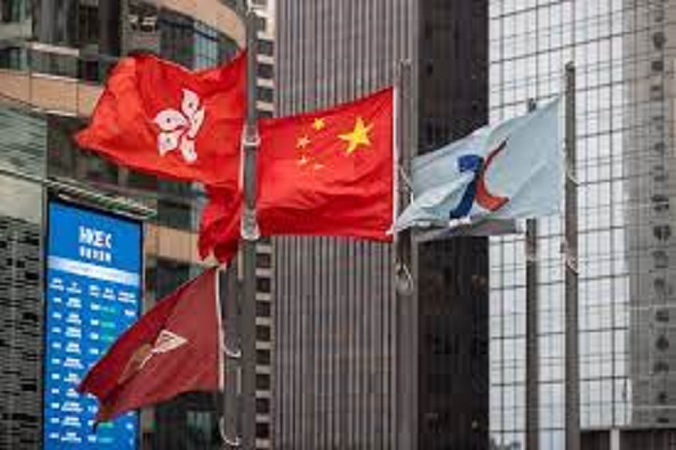
The financial landscape of Hong Kong is on the brink of a significant transformation with the impending release of stablecoin regulation results. This move underscores the region’s commitment to establishing a robust framework for digital currencies, aligning with global financial trends and addressing the burgeoning demand for a regulated virtual asset environment.

The Hong Kong Monetary Authority (HKMA), in collaboration with the Financial Services and the Treasury Bureau (FSTB), has concluded a public consultation that sought to gather insights on the proposed regulatory regime for fiat-referenced stablecoins (FRS). The consultation, which received 108 submissions from various stakeholders, reflects a general consensus on the necessity of a regulatory framework to manage potential monetary and financial stability risks associated with stablecoin issuance.

The proposed legislation aims to introduce a licensing regime for FRS issuers, thereby fortifying the virtual asset (VA) regulatory framework in Hong Kong. This initiative is expected to mitigate financial stability risks and provide transparent and suitable guardrails for the stablecoin ecosystem. The Secretary for Financial Services and the Treasury, Mr. Christopher Hui, emphasized the importance of this regime in strengthening Hong Kong’s VA regulatory framework and aligning it with international standards.

The Chief Executive of the HKMA, Mr. Eddie Yue, expressed gratitude for the supportive feedback and highlighted that a well-regulated environment is essential for the sustainable and responsible development of the stablecoin ecosystem in Hong Kong. The HKMA is also processing applications for the stablecoin issuer sandbox, with the list of participants to be announced shortly, marking a proactive step towards fostering innovation while ensuring regulatory compliance.

The regulatory approach taken by Hong Kong is indicative of a global trend where jurisdictions are increasingly recognizing the need to regulate stablecoins due to their growing prevalence and potential impact on the financial system. The proposed rules suggest that stablecoins must be fully backed by high-quality liquid assets and redeemable at par to their referenced fiat currencies. This ensures the stability and integrity of the stablecoins, addressing market risk, operational risk, technology risk, and other business-related risks.

ZA Bank, one of Hong Kong’s pioneering digital banks, has expressed support for the consultation conclusions, committing to provide dedicated banking services tailored for stablecoin issuers. This commitment is a testament to the bank’s anticipation of a thriving web3 ecosystem and its role in enhancing user protection in the event of business disruptions or failures of FRS issuers.

As Hong Kong gears up to introduce the stablecoin regulation bill to the Legislative Council, the financial community eagerly awaits the detailed licensing and supervisory guidelines. The forthcoming regulations are poised to pave the way for a more secure, transparent, and efficient stablecoin market, contributing to the overall stability and growth of the digital economy in the region.

The road to regulation in Hong Kong is a clear indication of the region’s dedication to embracing the future of finance while ensuring the safety and interests of its participants. With the world watching, Hong Kong’s journey towards stablecoin regulation could set a precedent for other economies seeking to balance innovation with financial security.

South Korea is expecting to push Crypto Gain Taxation to 2028

In a significant development for the cryptocurrency market in South Korea, the government has proposed a delay in the taxation of crypto gains until 2028. This move represents a substantial shift from the original plan to implement a tax on cryptocurrency gains in 2022, which was later postponed to 2025. The decision to push the taxation date further to 2028 comes amidst ongoing discussions and debates regarding the optimal approach to regulating the burgeoning crypto market.

The proposed delay is seen as a response to the current sentiment toward crypto assets, which has been deteriorating. The People’s Power Party, South Korea’s ruling party, submitted the proposal, noting that rapidly imposing taxes on virtual assets is “not advisable at this time” due to the higher risks associated with crypto compared to traditional stocks. Investors are expected to leave the market if income tax is also imposed on their crypto gains.

The taxation on cryptocurrency gains was originally set to take effect on January 1, 2025. However, if the new proposal is approved, the implementation tax will be postponed until January 1, 2028. This delay aligns with the People’s Power Party’s election promises to postpone the implementation of crypto gains tax in the country by two years. The party has argued that before diving into taxation, the country must first establish a general crypto framework and that taxing crypto should only happen once the base framework is fully established.

The ongoing debate in South Korea reflects a global conversation on how to integrate cryptocurrencies into existing financial systems and regulatory frameworks. The unique nature of cryptocurrencies poses challenges for lawmakers and regulators, who must balance the need for innovation and growth in the sector with the protection of investors and the integrity of the financial system.

The proposed three-year delay is expected to be discussed in the National Assembly’s second half session, aligning with the 2025 tax law amendment deliberations. This period will allow for the development of a more robust infrastructure capable of supporting fair and accurate tax collection on crypto transactions.

As the crypto market continues to evolve, the South Korean government’s approach to taxation will be closely watched by other nations grappling with similar regulatory challenges. The outcome of these deliberations could set a precedent for how countries around the world choose to regulate and tax cryptocurrency gains in the future.

For investors and stakeholders in the crypto industry, this proposed delay could provide a temporary reprieve from the uncertainties of taxation. However, it also underscores the need for ongoing engagement with regulatory developments to ensure compliance and to influence the shaping of policies that will affect the industry for years to come.

The decision to delay crypto gain taxation to 2028 is a pivotal moment for South Korea’s crypto landscape. It reflects a cautious yet forward-thinking approach to policymaking in an era where digital assets are becoming increasingly mainstream. As the details of the proposal are debated and refined, the global crypto community will be watching with keen interest to see how South Korea navigates the complex interplay between innovation, regulation, and taxation in the digital age.

How Crypto Exchanges can Navigate Tunnels in Nigeria

0

The cryptocurrency landscape in Nigeria presents a dynamic and complex environment for exchanges operating within the country. With a burgeoning population keen on digital finance and a significant volume of peer-to-peer (P2P) crypto trading, Nigeria stands as a pivotal market in the African continent. However, navigating this space is fraught with challenges and opportunities alike.

The State of Crypto Exchanges in Nigeria

Nigeria has seen a surge in cryptocurrency activity, with a reported $56 billion worth of cryptocurrencies and stablecoins moved in the previous year. This impressive figure underscores the country’s leading position in P2P crypto trading volume globally. Despite the lack of clear national legal provisions for crypto-related activities, the growth of crypto businesses and the adoption of blockchain technology have not slowed down. Nigerian investors have shown a strong attraction to cryptocurrencies, not only as a swift banking medium but also as a financial investment.

Challenges Faced by Crypto Exchanges in Nigeria

One of the primary hurdles for crypto exchanges in Nigeria is the government’s stance on cryptocurrency. Recent actions have included access restrictions to major exchanges like Binance, Coinbase, and Kraken to control currency speculation and stabilize the naira. These measures represent a shift from previous market-friendly reforms and pose a significant challenge for exchanges seeking to operate in the region.

Moreover, the Nigerian Securities Exchange Commission’s crypto licensing requirements are set to reduce the number of local crypto exchanges, despite the Central Bank of Nigeria lifting restrictions on Nigerian banks facilitating cryptocurrency transactions. This regulatory uncertainty creates a complex tunnel for exchanges to navigate, balancing compliance with innovation.

The recent exit of OKX from the Nigerian market has sent ripples through the cryptocurrency community, raising questions about the future of crypto exchanges in the country. OKX’s departure, prompted by regulatory concerns, underscores the challenges faced by crypto platforms operating within Nigeria’s complex legal framework.

For crypto exchanges looking to navigate this evolving landscape, the key will be adaptability and compliance. With the Nigerian government taking a cautious approach to cryptocurrency regulation, exchanges must prioritize transparency and work closely with regulatory bodies to ensure their operations align with local laws.

The void left by OKX presents both challenges and opportunities for other exchanges. Platforms like Binance, Bitget, Luno, Kraken, and Paxful are stepping up to offer services to Nigerian users, each bringing unique features and security measures to the table. These exchanges are now tasked with building trust with a user base that is becoming increasingly aware of the importance of regulatory compliance.

For crypto exchanges to thrive in Nigeria, a multifaceted approach is necessary. Firstly, understanding the local market and offering services tailored to Nigerian users is crucial. Exchanges like KuCoin and Luno have found success by providing P2P marketplaces and supporting the Nigerian naira, allowing users to buy cryptocurrencies directly with their local currency.

Secondly, exchanges must stay abreast of regulatory changes and engage with policymakers to foster a conducive environment for crypto-related activities. Building trust with the local community and ensuring robust security measures will also be key in attracting and retaining users.

Lastly, offering a diverse range of cryptocurrencies and trading products can cater to the varied interests of Nigerian investors, from blue-chip assets like Bitcoin and Ethereum to memecoins and low-cap altcoins.

Crypto exchanges operating in Nigeria must navigate a labyrinth of regulatory and market challenges. By understanding the local landscape, engaging with regulatory bodies, and offering tailored services, exchanges can position themselves to capitalize on the significant opportunities within this vibrant market. As the Nigerian economy continues to grow, so too does the potential for crypto exchanges to play a pivotal role in the country’s digital finance ecosystem.

The Nigerian cryptocurrency sector still holds significant potential for growth. By fostering a transparent and cooperative relationship with regulators, crypto exchanges can thrive and contribute to the country’s burgeoning digital economy. The road ahead may be complex, but with careful navigation, the tunnels can lead to a brighter future for cryptocurrency in Nigeria.