DD
MM
YYYY

PAGES

DD
MM
YYYY

spot_img

PAGES

Home Blog Page 3268

Banks and Fintechs Can Co-exist Under A Smart Regulatory Regime in West Africa

0

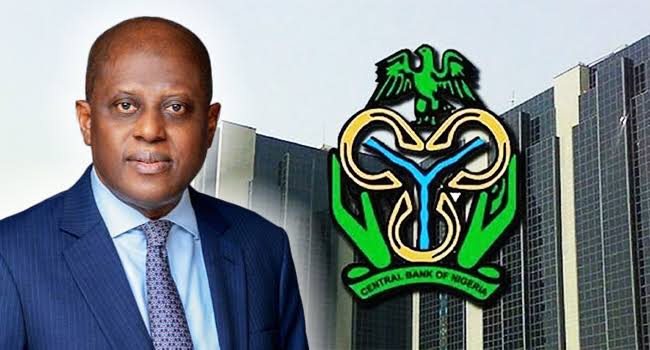
Good observation: “The Governor of the Central Bank of Nigeria (CBN), Olayemi Cardoso, has expressed concern over the rising volume of non-bank transactions which he says poses a major threat to financial stability in West Africa.” 

Yet, we should not go after fintechs with high-voltage regulations. They offer great value and actually make the banks better!  My suggestion is to execute a nuanced balancing policy, picking some lessons from China. Simply, do what China did when their local banks were having challenges due to Alipay and WeChat. 

Yes, all fintech settled account balances cannot stay in fintech wallets after 72 hours, thereby making sure the funds are warehoused in banks. Those local banks need the funds to serve local communities. By doing that, you ensure the fintechs are mere transaction ecosystems, fixing frictions on distributions, but not as a vehicle to hold value in perpetuity.

We need the fintechs and we also need the banks to be strong. Study how China handled this, and we can allow both to breathe, modifying the lessons learned for our local peculiarities. 

Rising Non-Bank Transactions Pose Threat to Financial Stability in West Africa – Yemi Cardoso Laments

0

The Governor of the Central Bank of Nigeria (CBN), Olayemi Cardoso, has expressed concern over the rising volume of non-bank transactions which he says poses a major threat to financial stability in West Africa.

Cardoso stated this at the 10th meeting of the College of Supervisors for Non-Bank Financial Institutions of the West African Monetary Zone.

The CBN governor who was represented by the Apex bank’s acting Director of the Other Financial Institutions Department, Abayomi Arogundade, emphasized the critical need to monitor trends, risks, and innovations within the financial sector. He also commented on the rise in Fintech loans, alongside crypto and stablecoin assets.

In his words,

“We reiterate the importance of monitoring trends, risks and innovations of NBFIs/(Non-Bank Financial Institutions or Other Financial Institutions) as their increasing transaction volumes pose major financial system stability risk. Fintech loans are one of the most commonly reported innovations. While overall this may appear small in relation to the size of credit by DMBs, some jurisdictions globally, have noted a growing trend in the volume of these loans.

“In many cases, fintech credit is provided via electronic platforms that connect lenders to borrowers in which case the platform takes the role of a financial auxiliary. In some cases, however, loans are taken on the balance sheet of these platforms (even if it is short-term), in which case the platforms are akin to new types of financial intermediaries.

“These entities are typically Fintech firms that offer applications, software, and other technologies to streamline mobile and online banking. In many jurisdictions, these digital firms have a banking license and are subject to prudential requirements or they may just be regulated as fintech payment service firms. Innovations linked to crypto or stablecoin assets were also reported by some jurisdictions”.

The governor further highlights the need for regulatory oversight of these Fintech firms, whether they hold banking licenses or operate as payment service providers, to mitigate potential risks.

While non-bank transactions and digital financial services offer significant benefits in terms of financial inclusion and convenience, he noted that they also introduce new risks that need to be properly managed to maintain financial stability in West Africa.

One of the primary concerns is the increased risk associated with non-bank financial institutions (NBFIs), which often operate with less regulatory oversight compared to traditional banks. This according to the IMF can lead to liquidity mismatches, inadequate risk management, and high levels of interconnectedness, potentially causing systemic risks during periods of financial stress.

In a bid to mitigate these challenges, the CBN has been working actively to develop frameworks that can effectively monitor and manage these risks. Also, stakeholders in the financial sector have emphasized the need for resilience in the industry, citing emerging risks such as climate-related risks, cyber threats, and digitization challenges.

Payday Loans Explained: How to Avoid Common Pitfalls and Manage Debt Responsibly

0

Payday loans offer a quick financial fix for those who find themselves in a pinch between paychecks. However, the convenience of these loans comes with considerable risks, particularly if not managed wisely. High interest rates and the potential for quick debt accumulation make it essential for borrowers to approach these loans with informed caution. This article explores how to use payday loans responsibly, avoiding common pitfalls that can lead to financial turmoil.

Understanding the Terms and Conditions

Before taking out a payday loan, it is crucial to fully understand the terms and conditions associated with the loan. Payday loans typically come with very high interest rates, sometimes exceeding 300% APR, and have short repayment periods, often just two weeks. These conditions can create a cycle of debt that is difficult to escape if not managed carefully.

It’s important to read the fine print and ask questions about anything that isn’t clear. Be sure to understand the full cost of the loan, including fees and interest rates. Know exactly when the loan is due and what happens if you cannot repay the loan on time. Some lenders offer rollovers or renewals, which allow you to extend the loan period but also add additional fees and interest. Understanding these aspects can help you plan better and avoid being caught off guard by unexpected charges or debt cycles.

Additionally, consider why you need the loan. If it’s for an unavoidable emergency expense, a payday loan might make sense. However, if you’re using it to pay off another debt, it might be time to reevaluate your finances or seek help from a debt counselor.

Planning for Repayment

Effective planning for repayment starts before you even accept the loan. Before taking out a payday loan, ensure that you have a solid plan to pay it back on time. This means having a clear understanding of your financial situation and upcoming income. You need to be certain that you’ll have enough funds by the due date to cover the full amount you owe, including any fees and interest.

To prepare, create a budget that accounts for your essential expenses and the loan repayment. Look for areas where you can cut spending temporarily to ensure you have enough to repay your loan without needing to borrow additional funds. It’s also wise to prioritize your expenditures, making sure the most important bills and necessary expenses are covered first.

If you’re worried about your ability to repay on time, consider alternatives to a payday loan. Sometimes, discussing your situation with creditors can result in an extension on your bills, or setting up a payment plan that fits better with your financial capabilities. These options can prevent the need for a high-cost payday loan.

Avoiding Multiple Payday Loans

One of the biggest pitfalls of payday loans is the temptation to take out multiple loans, either from the same lender or different ones, to cover ongoing financial needs. This can quickly lead to a debt spiral that is difficult to escape. To avoid this, it’s crucial to use payday loans only as a last resort for emergency expenses and not as a regular part of your financial management.

If you find yourself repeatedly needing payday loans, it’s time to take a closer look at your budget and spending habits. Seek help from financial counseling services, which can offer guidance on budgeting, debt management, and financial planning. They can also provide strategies for saving money and reducing expenses, which can help avoid future financial shortfalls.

Additionally, consider building a small emergency fund, even if it’s just a little at a time. This can provide a buffer for future unexpected expenses, reducing the need for high-cost borrowing.

Payday loans can be a useful tool in managing temporary financial shortfalls if used correctly. By understanding the terms, planning for repayment, and using these loans responsibly, you can avoid common pitfalls and manage your debt effectively. 

Remember, the key to using payday loans responsibly is to ensure they are only a part of a well-thought-out financial strategy that includes budgeting, saving, and financial planning. Make informed decisions to protect your financial health and ensure that these quick solutions do not lead to long-term problems. For more info, check our guide to learn about the best platforms!

Why is the Rollblock and AAVE Price Up Over The Past Week When Many Top Altcoins Like Shiba Inu (SHIB) Are Down?

0

Bitcoin (BTC) and many major altcoins like Shiba Inu (SHIB) have been recording losses over the past few weeks. Investors’ sentiment for most coins has swung negative while many await the next bull run.

However, a few cryptocurrencies have remained in the green. Two examples are Aave (AAVE) and Rollblock (RBLK), which are ranked among the few top trending projects over the last 7 days. Analysts monitoring Rollblock’s performance tip $RBLK could surpass 50X returns in the next few weeks, which has put it in the spotlight of several major analysts.

Shiba Inu (SHIB) Drops 32% In June

Shiba Inu (SHIB) has experienced extreme ups and downs since it popped up in 2020. Driven heavily by community trends, Shiba Inu looked to follow Dogecoin to become a leading meme coin. However, having developed its ecosystem over the last year, Shiba Inu has entered a league of its own.

That said, recent altcoin lawsuits have sent the general crypto market in a downward spiral, with several meme coins seeing negative trends. Shiba Inu has been trading between $0.000021 and $0.000028 throughout Q2, unable to approach its $0.000988 all-time high. Based on technical indicators, analysts predict that the highly volatile coin, Shiba Inu will continue on a downtrend without further support, though historically Shiba Inu will recover should crypto enter a new bear market.

Aave (AAVE) Sees Significant Rise In Transaction Volume

Analysts monitoring AAVE have seen an uptrend in all indicators throughout June. In 7 days, AAVE’s price shot up from $80 to $98.20, creating a bullish sentiment around the altcoin. Experts now believe that Aave could reach $150 in July, with some predicting highs of $324 in 2024.

Experts believe the current bullish sentiment could be due to whale investors staking Aave, which could lead to additional price increases over the next month.

Rollblock (RBLK) to Dominate The Online Gambling and Crypto Markets

Rollblock (RBLK) is a new altcoin set to become the best altcoin for investors in 2024. Rollblock introduces an AI-driven GambleFi ecosystem designed to disrupt the $540 billion global gambling industry.

The project uses blockchain technology to secure every transaction on the platform, which has made it a big hit among the gambling community. Unlike the less transparent platforms in the industry, Rollblock’s technology guarantees that every bet placed on the platform is impossible to alter. This extra layer of security brings in new players and investors across the marketplace looking for a platform with better security protocols than traditional online casinos.

Experts also attribute investor growth over the last weeks to Rollblock’s ease of access. Unlike other casinos that require KYC verification to sign up, Rollblock users only have to connect with their email address or crypto wallet. Once inside, users have access to the Rollblock ecosystem and can receive $RBLK tokens for their activities on the platform.

To enhance investor returns, Rollblock has also implemented a profit-sharing model to increase community engagement and token value. Rollblock dedicates up to 30% of the daily casino profits to repurchasing $RBLK from the open market, splitting buybacks among rewards and burning to increase the coin’s value.

Rollblock is now in stage 3 of its presale, having sold 90 million $RBLK tokens in just one month. The Rollblock token is currently trading at $0.015, with the $RBLK price set to increase in the next week.

Rollblock’s rapid sell-out rate indicates strong investor interest in the platform and signals an ongoing bullish trend for Rollblock. With this in mind, analysts predict that $RBLK could see over 800% rise in value in the coming weeks.

Rollblock is built for long term success. It offers smooth transactions, transparent payment and analytics, crypto exclusivity, and a profit-sharing model that gives it the potential to become a top DeFi token in 2024. As other altcoins struggle to retain their positions in the market, Rollblock (RBLK) is quickly climbing to the top. Experts suggest that now would be the best time for growth-seeking investors to buy $RBLK before it becomes a 100X token.

Discover the Exciting Opportunities of the Rollblock (RBLK) Presale Today!

Website: https://presale.Rollblock.io/

Socials: https://linktr.ee/Rollblockcasino

Abia Government to Introduce CNG-Powered Buses Following Restriction on Motorcycles and Tricycles Transport

0

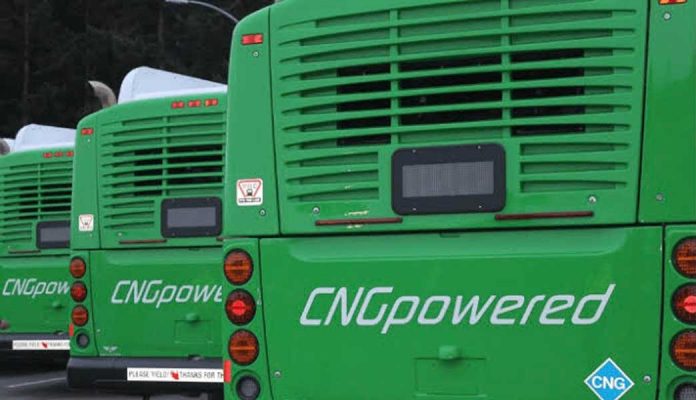
The Abia State Government has unveiled plans to introduce Compressed Natural Gas (CNG)-powered buses as part of efforts to enhance the state’s transportation system.

This move comes in response to the recently implemented policy that restricts the operational hours of tricycles and motorcycles in the cities of Umuahia and Aba.

The announcement was made by the state Commissioner for Information and Culture, Okey Kanu, during a press conference held at the Government House in Umuahia on Monday, following a State Executive Council meeting.

Kanu explained that the introduction of CNG-powered buses is essential to bridge the transportation gap created by the new policy, which limits the operating hours of tricycles and motorcycles from 6 AM to 7 PM in Umuahia and Aba.

“As part of the initiatives and incentives to drive this new policy, the Abia Government plans to introduce CNG-powered buses to close up whatever gaps that will be created by the full implementation of this restriction policy,” he stated.

Security Concerns Prompting the Ban

The decision to ban tricycles and motorcycles during late hours stems from growing concerns over security. Tricycles and motorcycles have frequently been implicated in criminal activities, including armed robbery and kidnapping, which often occur under the cover of darkness. By restricting their operation to daylight hours, the government aims to curb these security threats and create a safer environment for residents and businesses in Umuahia and Aba.

To ensure a smooth transition and maintain extended business hours in Aba and Umuahia, the Abia State Government has postponed the enforcement of the restriction policy from July 1 to August 1. This decision, according to Kanu, is in response to public feedback and is aimed at allowing more time for adjustment and preparation.

Kanu also mentioned that tricycle and motorcycle operators interested in the CNG-powered buses could access them by forming cooperatives and working in clusters.

“The bottom line will be to access these buses so that there will be no gaps in terms of people missing out on earning income,” he explained.

This measure ensures that commuters can move around the state, particularly in Aba and Umuahia, once the restriction orders take effect, thus mitigating any potential disruptions to income generation for operators.

Preparations and Registration

Preparations for the policy’s enforcement include the enumeration and registration of all commercial vehicles, a process that has commenced as planned. Kanu noted that these steps are crucial for the official implementation of the restriction policy on August 1.

Backstory of the Restriction Policy

A week ago, the Abia State Government announced a ban on the operation of tricycles and motorcycles in Aba and Umuahia from 7 PM to 6 AM, effective July 1. The primary aim of this decision is to improve security by curbing criminal activities often facilitated by these vehicles during late hours.

A key component of the policy is the compulsory registration of all commercial vehicles, enabling the government and security agencies to accurately identify owners and operators, thereby enhancing security and accountability.

To oversee the implementation of this policy, a government committee has been established, chaired by Navy Commander MacDonald Ubah (Rtd), the Special Adviser to the Governor on Security. The committee’s primary role is to ensure effective compliance with the new regulations by all commercial vehicle operators throughout the state.