DD
MM
YYYY

PAGES

DD
MM
YYYY

spot_img

PAGES

Home Blog Page 3276

CrowdStrike Cybersecurity Outage Resulted in A $5.4bn Loss for Fortune 500 Companies

0

The software update gone awry from CrowdStrike, a prominent cybersecurity firm, led to what is being described as the largest IT failure in history, affected a broad spectrum of industries, and is projected to cost U.S. Fortune 500 companies an estimated $5.4 billion.

This staggering figure does not include the losses incurred by Microsoft, whose systems were also disrupted during the crisis.

The financial impact is particularly severe in the banking, healthcare, and airline sectors, where insurer, Parametrix, predicts insured losses for non-Microsoft Fortune 500 companies to range between $540 million and $1.08 billion.

The incident, which has illuminated the fragility of modern technological infrastructure, where a single error in an update can have catastrophic global repercussions, grounding flights, disrupting hospital operations, and crashing payment systems, has been the subject of discussions for days.

The crisis began with a seemingly routine malware signature update from CrowdStrike’s flagship Falcon platform, a cloud-based service designed to protect businesses from cyber threats. However, this update contained a critical bug that led to widespread system failures. Specifically, 8.5 million Windows machines experienced crashes, manifesting as the infamous Blue Screen of Death.

CrowdStrike, headquartered in Texas and valued at around $83 billion prior to the incident, has been at the forefront of cybersecurity, serving approximately 538 of the Fortune 1000 companies. The ubiquity of its services meant that the consequences of the faulty update were felt globally, revealing the extent to which businesses are reliant on a few key technology providers to maintain operations.

Since the incident, CrowdStrike has lost roughly 22% of its stock market value. The company has issued multiple apologies and released a detailed postmortem report on Wednesday, outlining the steps it will take to prevent such incidents in the future. These steps include enhanced software testing protocols and a phased rollout of updates to mitigate the risk of widespread simultaneous failures.

The CrowdStrike outage has had far-reaching implications, with some sectors facing more significant disruptions than others. Delta Air Lines, for instance, has been particularly hard-hit, canceling and rescheduling hundreds of flights. The U.S. Department of Transportation has opened an investigation into Delta’s response to the crisis, highlighting the severe impact on passengers, including families unable to reunite and individuals stranded abroad.

The healthcare sector also suffered major disruptions, with hospitals reporting difficulties in accessing critical systems. Payment systems across various industries went offline, causing further chaos and underscoring the interconnectedness of today’s technological infrastructure.

 Regulatory and Legal Fallout Expected

The fallout from the CrowdStrike outage extends beyond immediate operational disruptions. The U.S. House Committee on Homeland Security has formally requested public testimony from CrowdStrike CEO George Kurtz.

In a letter signed by Committee Chairman Mark E. Green and Subcommittee on Cybersecurity and Infrastructure Protection Chairman Andrew R. Garbarino, the committee emphasized the seriousness of the incident.

The committee letter reads: “We cannot ignore the magnitude of this incident, which some have claimed is the largest IT outage in history. In less than one day, we have seen major impacts to key functions of the global economy, including aviation, healthcare, banking, media, and emergency services.”

They noted that this failure must serve as a broader warning about the national security risks associated with heavy network dependency, especially considering that hostile nation-states such as China and Russia may exploit such vulnerabilities.

The committee’s letter highlighted the urgency for transparency and accountability, urging Kurtz to explain the incident’s causes and the measures CrowdStrike is taking to prevent future occurrences.

While the current request for testimony is voluntary, the committee has the authority to issue a subpoena if necessary.

Given the scale of the incident and the significant financial losses incurred, CrowdStrike is likely to face regulatory penalties and potential legal actions from affected companies. The U.S. Securities and Exchange Commission (SEC) may investigate whether the company adequately disclosed the risks associated with its update protocols. Additionally, class-action lawsuits from affected businesses are a strong possibility, as companies seek compensation for the losses and operational disruptions they endured.

In response to the crisis, CrowdStrike has pledged full transparency and accountability. Kevin Benacci, Senior Director of Corporate Communications at CrowdStrike, confirmed that the company is in active communication with relevant Congressional Committees.

The company is offering its partners a $10 Uber Eats gift card as an apology, according to several people who say they received the gift card. CrowdStrike spokesperson Kevin Benacci confirmed to TechCrunch that the company sent the gift cards.

“We did send these to our teammates and partners who have been helping customers through this situation. Uber flagged it as fraud because of high usage rates,” Benacci said in an email.

CrowdStrike has also committed to providing a detailed explanation of the incident and outlining preventive measures to avoid similar occurrences in the future. CEO George Kurtz has publicly promised to offer a comprehensive account of the incident, both to the public and to regulatory bodies.

The technical glitch was linked to a malware signature update that caused Falcon software to malfunction. Operating at a low level within the Windows kernel, Falcon’s failure led to widespread system crashes. CrowdStrike’s significant market share in the Endpoint Protection Platform sector—14.7%, second only to Microsoft’s 40.2%—amplified the impact of the faulty update, affecting millions of Windows devices globally.

The Challenge Ahead Towards Nigeria’s Energy Security

1

“To succeed in business, you must build a brand and never destroy it. One competitive advantage I had when I ventured into manufacturing was my brand ‘Dangote,’ which I diligently built in the course of my trading commodities.” – Aliko Dangote

“Don’t kill the competition. Competition is healthy for businesses. It keeps you the entrepreneur on your toes.” – Aliko Dangote

‘‘We [Dangote Group] are not doing like other Africans who keep most of their money in the bank. We do not keep money in the bank. We fully invest whatever we have and we keep on investing. ’’ – Aliko Dangote

“I built a conglomerate and emerged the richest black man in the world in 2008 but it didn’t happen overnight. It took me 30 years to get to where I am today. Youths of today aspire to be like me but they want to achieve it overnight. It’s not going to work. To build a successful business, you must start small and dream big. In the journey of entrepreneurship, tenacity of purpose is supreme.” – Aliko Dangote

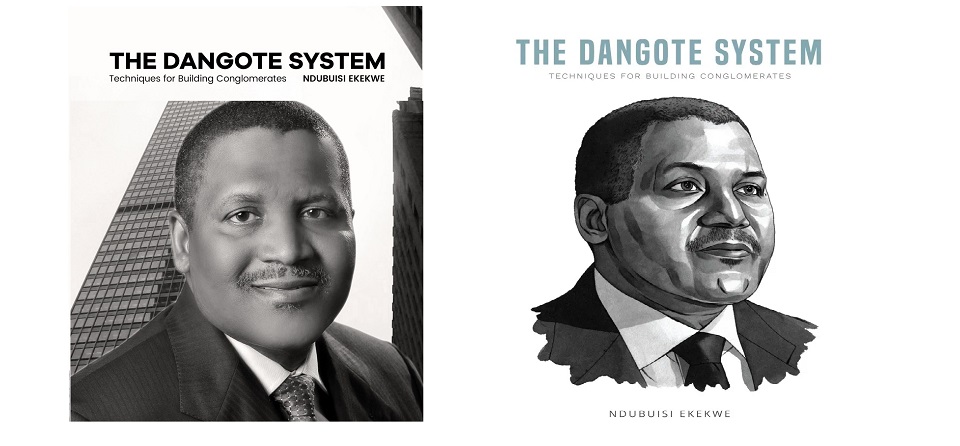
I took time to organize Aliko Dangote’s business worldview. I am updating “The Dangote System: Techniques for Building Conglomerates” with new lessons.

I have argued that nations rise via many phases. Phase 1 is enshrining the Rule of Law in the land. Phase 2 is Energy Security.  Possibly, while Dangote can provide cement security, etc for Nigeria/West Africa, any attempt for Energy Security will not come easily, because that will distort the global energy market system. Simply, Nigeria may not solve the fuel or electricity problem unless we have uncommon radical leaders, to decouple us from the global lords.

If Africa can overcome the energy challenge, many things will open up. But I doubt the possibility because energy is synonymous with global battle, and  Nigeria does not seem to be ready to fight. Shut them from electricity, shut down from fuel; you will keep them poor!

Why Inflation Remains High in Nigeria

0

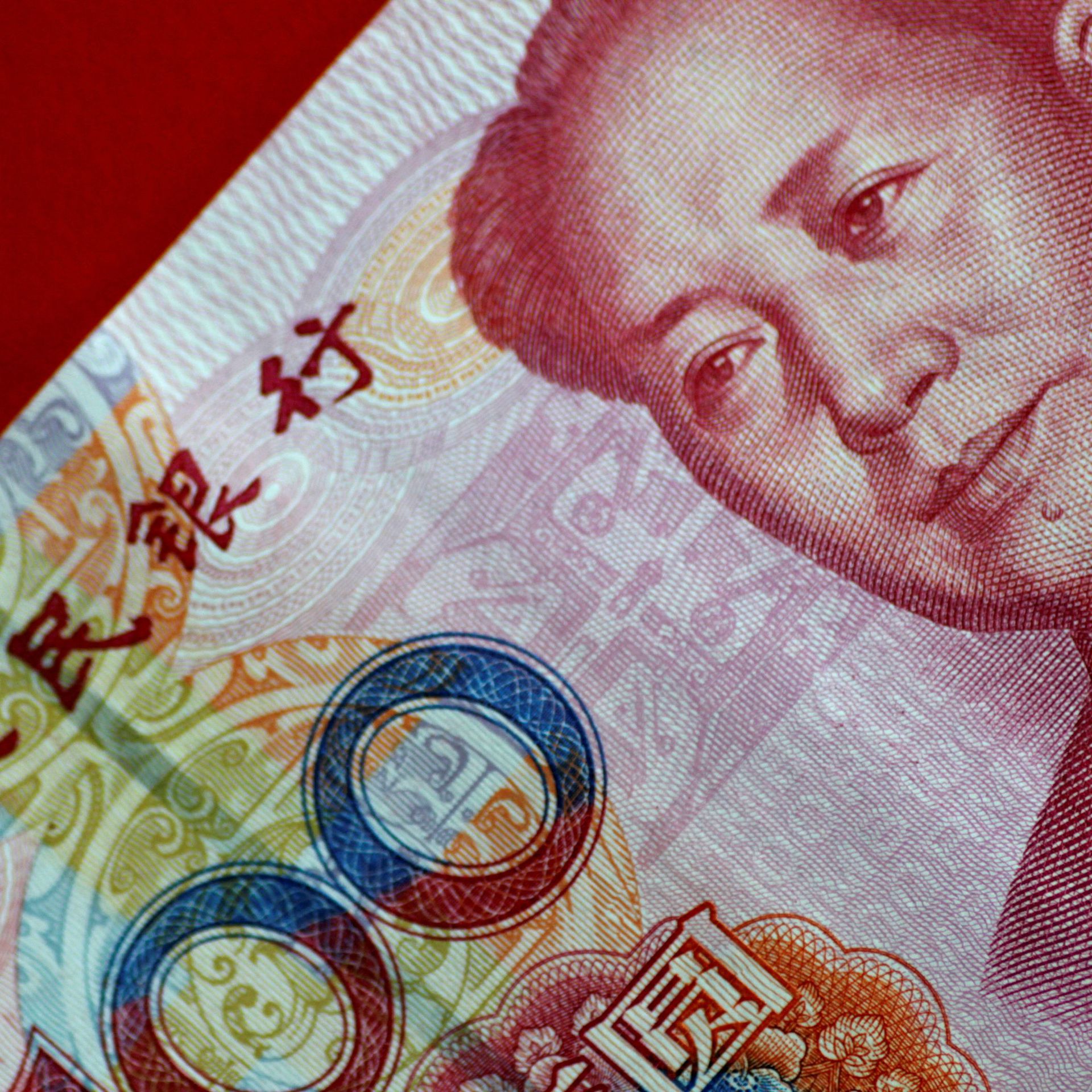
Lucky China as they fight to keep growth going: “In a series of unexpected moves, China has implemented consecutive interest rate cuts, signaling a strategic response to the current economic pressures facing the nation. …The People’s Bank of China (PBoC) has reduced key rates, including a significant cut in the one-year medium-term lending facility rate, from 2.5% to 2.3%, injecting a substantial 200 billion yuan into the market.”

The recent rate cuts also follow a major Communist Party meeting that disappointed investor looking for short-term stimulus measures. Instead, the meeting emphasized President Xi Jinping’s plan to prioritize technology in China’s economic future while accepting slower growth in the near term. This shift in focus suggests a longer-term strategy aimed at restructuring the economy’s growth drivers away from sectors like property, which have traditionally been fueled by debt.

During the pandemic, the United States also cut rates, to cushion growth. Japan has been on sustained low interest rates for ages now. Even the European Union does the same thing. And the US will soon begin cutting rates.

But when it comes to Nigeria, we are always reminded that we must keep raising rates to fight inflation. In my thesis, I posit that we have this stubborn regime of inflation because our SUPPLY is low, and if we can fix the supply, inflation will reduce. But with sustained increases in rates, we will reduce SUPPLY which will then trigger more inflation, since Demand is unaffected in a country will insignificant consumer credit, ceteris paribus. Of course, I wish Nigeria good luck.

Nigeria’s inflation has defied all efforts by the government, rising once again in June to a record 34.19%, according to the latest report from the Nigerian Bureau of Statistics (NBS).

The headline inflation was up from 33.95% in May 2024, marking an increase of 0.24 percentage points within a month and a substantial year-on-year jump of 11.40 percentage points from the 22.79% recorded in June 2023.

The report highlighted that on a month-on-month basis, the headline inflation rate in June 2024 was 2.31%, a 0.17 percentage point rise from the 2.14% recorded in May 2024.

Nigeria’s Illusion of Using Interest Rates to Control Inflation

China Rate Cuts Signals Panic Amongst Investors

0

In a series of unexpected moves, China has implemented consecutive interest rate cuts, signaling a strategic response to the current economic pressures facing the nation. These rate cuts, while indicative of the urgency to bolster economic growth, have raised concerns among investors and market observers, leading to a ripple effect across global markets.

The People’s Bank of China (PBoC) has reduced key rates, including a significant cut in the one-year medium-term lending facility rate, from 2.5% to 2.3%, injecting a substantial 200 billion yuan into the market. This is the largest reduction since 2020 and comes on the heels of a recent Communist party plenum that provided limited support to the flagging economy. The PBoC’s actions reflect a proactive approach to address the slower-than-expected growth, as recent data revealed a second-quarter expansion of only 4.7%, below the estimated 5.1%.

The rate cuts have led to a steepening of the U.S. Treasury yield curve, a situation that historically aligns with risk aversion. The spread between 10-year and two-year Treasury yields has seen a notable increase, primarily due to persistent 10-year yields. This steepening curve is often interpreted as a sign of economic instability, which has contributed to the decline in risk assets, including cryptocurrencies and equity markets globally.

China’s economy, the world’s second largest, is grappling with sluggish growth and a debt-laden environment. The rate cuts are part of a broader effort to stimulate the economy amid these challenges. However, the impact of these measures on long-term economic stability remains to be seen. The PBoC’s decision to lower rates outside of its regular schedule has added to the sense of urgency among policymakers to support growth and mitigate the risk of further economic slowdown.

The recent rate cuts also follow a major Communist Party meeting that disappointed investor looking for short-term stimulus measures. Instead, the meeting emphasized President Xi Jinping’s plan to prioritize technology in China’s economic future while accepting slower growth in the near term. This shift in focus suggests a longer-term strategy aimed at restructuring the economy’s growth drivers away from sectors like property, which have traditionally been fueled by debt.

One of the primary concerns is the risk of a liquidity trap, where the lower interest rates fail to encourage lending and investment, which is essential for economic recovery. This situation could lead to a scenario where monetary policy becomes ineffective, as seen in other economies facing similar challenges.

Another risk is the widening divergence between China’s monetary policy and that of other major central banks, which are currently tightening their policies to combat inflation. This divergence could potentially lead to increased volatility in financial markets, as investors adjust to the contrasting approaches.

The rate cuts could also exacerbate existing debt issues within China’s economy. Lower interest rates may encourage borrowing, but they also make it easier for companies and individuals to accumulate more debt, potentially leading to a debt bubble that could burst if not managed properly.

As the global economy continues to navigate uncertainties, China’s rate cuts serve as a reminder of the delicate balance policymakers must maintain between stimulating growth and ensuring long-term economic health. The immediate market reactions underscore the interconnectedness of global financial systems and the significance of China’s economic policies on worldwide markets.

While the rate cuts may signal a sense of urgency, they also represent a calculated move by China to address its economic challenges. The effectiveness of these measures will be closely watched by investors and policymakers alike, as the world anticipates China’s next steps in navigating its economic trajectory.

India to Release Its Crypto Policy Template in September

0

India’s approach to cryptocurrency regulation has been a subject of global interest, given the country’s significant stake in the financial technology sector. The nation’s stance on digital currencies has been cautious yet evolving, and recent developments indicate a more structured framework may soon be unveiled.

In a move that signals India’s commitment to engaging with the complexities of cryptocurrency, the government is set to release a discussion paper on its policy stance by September 2024. This paper is expected to be the culmination of extensive stakeholder consultations, reflecting a comprehensive view of the diverse opinions within the country’s financial ecosystem.

The Economic Affairs Secretary, Ajay Seth, has been quoted saying that the policy stance will emerge from open discussions and the presentation of issues for stakeholders to deliberate upon. This approach suggests a democratic and inclusive process, aiming to balance the innovative potential of cryptocurrencies with the need for regulatory oversight.

The Reserve Bank of India (RBI) and the Securities and Exchange Board of India (SEBI) have been collaborating to develop this policy, indicating a unified effort from India’s financial regulators. While the RBI has historically been skeptical of legitimizing cryptocurrencies, citing macroeconomic stability risks, SEBI has not opposed the regulation of digital assets. This collaboration could lead to a policy that acknowledges the concerns of the central bank while also considering the regulatory perspectives that favor the growth of the crypto market.

India’s current regulatory environment for cryptocurrencies is marked by stringent taxation and a requirement for crypto entities to register with the Financial Intelligence Unit (FIU-IND). These measures align with global anti-money laundering (AML) standards and reflect a shift towards recognizing the legitimacy of the crypto industry within the country’s financial landscape.

The major concerns around cryptocurrency in India are multifaceted and reflect the country’s unique socio-economic dynamics. One of the primary concerns is the potential for cryptocurrencies to be used for illicit activities, such as drug trafficking. India has reported a significant number of cases involving the dark net and cryptocurrencies in recent years. This underscores the need for robust mechanisms to combat the misuse of digital currencies for illegal purposes.

Another concern is the impact of cryptocurrencies on the nation’s financial stability. The Reserve Bank of India (RBI) has expressed apprehension about the macroeconomic risks posed by digital assets. The central bank’s skepticism stems from the potential for cryptocurrencies to disrupt the traditional financial system and the challenges they present to monetary policy implementation.

The volatility of cryptocurrency values is also a major worry. The dramatic fluctuations in the prices of digital currencies can lead to significant financial losses for investors, especially those who are not well-versed in the crypto market. This volatility is compounded by the lack of a regulatory framework, which can lead to uncertainty and risk for both individual and institutional investors.

Furthermore, the integration of cryptocurrencies into the mainstream financial system raises questions about their impact on traditional monetary systems. There is a delicate balance to be struck between embracing the innovative potential of cryptocurrencies and ensuring they do not undermine the existing financial infrastructure.

The upcoming discussion paper is a result of India’s participation in the G20 discussions, where member countries agreed that each should assess the risks and potential use cases of digital assets individually. This paper is anticipated to foster a consensus among stakeholders, rather than immediately shifting towards comprehensive crypto regulation.

As the world watches, India’s policy stance on cryptocurrencies could set a precedent for other nations grappling with similar regulatory challenges. The balance between innovation and regulation will be key, and the outcomes of India’s policy discussions are eagerly awaited by investors, entrepreneurs, and regulators alike. The discussion paper due in September is not just a document; it’s a potential roadmap for the future of crypto regulation in one of the world’s largest economies.