DD
MM
YYYY

PAGES

DD
MM
YYYY

spot_img

PAGES

Home Blog Page 3281

Fraud Losses in Nigeria Declines Significantly to N3 Billion in Q1 of 2024 – NIBSS

0

In recent data by the Nigeria Inter-Bank Settlement System (NIBSS), fraud losses in Nigeria significantly reduced to N3.007 billion in the first quarter of 2024, down from ?5.47 billion in the fourth quarter of 2023.

According to NIBSS, the decline in fraud losses occurred despite an increase in fraud attempts with 20,638 attempts in Q1 2024 and 7,423 in February. 

While fraud occurs across several channels, Mobile, POS, and Web are the most popular choices for criminals. NIBSS notes that the mobile channel remains the preferred means for fraudsters, as it increased significantly compared to the rest. Meanwhile, channels like ATMs and Internet banking saw only a handful of attempts. 

In a sign that customers need to be more careful in sharing their personal information, social engineering was the most popular fraud technique in Q1 (10,007 attempts) followed by phone and card theft (4,008 attempts).

Nigeria’s economic hub Lagos, is reported to be the headquarters of fraudulent activities, accounting for more than 60% of all the attempts in Q1 and also a significant amount of the actual losses suffered.

NIBSS revealed that in Q1 2024, 27 deposit money banks, 65 microfinance banks, 20 payment service providers, 5 mobile money operators, 2 payment service banks 3 EFT Switches, and 15 Other Financial institutions reported their fraud data. 

The institution noted that “non-reporting of fraud is a breach of the Central Bank of Nigeria’s circular on the establishment of Industry Fraud Desk.”

Meanwhile, the sharp decline in fraud losses, underscores the effectiveness of enhanced security measures and stricter regulatory frameworks within the financial sector. Authorities and financial institutions have been intensifying their efforts to combat fraud, including the implementation of advanced technology and more robust monitoring systems. The progress seen in the reduction of fraud losses highlights a positive trend towards a more secure financial environment in Nigeria.

An analysis of reports on fraud and forgeries in Nigerian banks from FITCS revealed that out of 270 bank staff members involved in various acts of fraud last year, just 54 faced terminations of employment. This marks a slight decrease from the 22% termination rate recorded in 2022.

KYC (Know Your Customer) is today a significant element in the fight against financial crime and money laundering, and customer identification is the most critical aspect as it is the first step to better perform in the other stages of the process.

The global anti-money laundering (AML) and countering the financing of terrorism (CFT) landscape raise tremendous stakes for financial institutions. 

Amid growing concerns stemming from high-profile fraud incidents and critiques of lenient KYC standards, Nigeria is promoting financial system stability by reinforcing KYC procedures.  In December 2023, the Central Bank of Nigeria (CBN), mandated stricter KYC processes for banks and fintechs.

While deposit money banks offer Tier-1 accounts—bank accounts that usually require no identification—neobanks like OPay and Palmpay may have popularised these easy-to-open accounts using the narrative of aiding financial inclusion. It has allowed them to onboard customers with little friction or without a need for national identity cards, which only 30% of Nigerians have.

The new rules come as an amendment to Section 1.5.3 of the Regulatory Framework for Bank Verification Number (BVN) Operations and Watchlist for the Nigerian Banking Industry. 

Why Uniswap, Kangamoon and Pendle Prices Pumped Last Week

0

Cryptocurrency markets are renowned for their volatility, where prices can surge or plummet unpredictably. Last week, three tokens, Uniswap (UNI), Pendle (PENDLE), and KangaMoon (KANG), witnessed notable price pumps, each driven by unique factors. While Uniswap and Pendle soared, KangaMoon (KANG) particularly caught investors’ attention, delivering impressive returns of over 400% ROI for early investors in its presale.

Uniswap (UNI): Price Surges 24% in a Week – Is Regulatory Clarity Fueling Investor Confidence?

Uniswap (UNI) token, renowned as one of the largest decentralized exchanges in the crypto market, has recently garnered investors’ attention. The exchange platform’s native token, UNI, witnessed a remarkable rise of over 24% within a week and 14% over the past month.

Despite experiencing impressive gains earlier this year, reaching a peak price above $15 before retracing, Uniswap’s token has embarked on a new upward trajectory, swiftly climbing from below $8 to its current rate of above $9.

This surge can be attributed to the Uniswap ecosystem’s commitment to providing a secure platform for users, after SEC classified UNI as a security. This has led the Uniswap community to brace themselves for further changes that lie ahead.

KangaMoon (KANG) Soars – Presale Success, Exchange Listings, and $1 Target in Sight

A top meme coin in the presale market has caught investors’ attention: KangaMoon (KANG), which has carved out a unique niche at the intersection of GameFi and SocialFi, has defied expectations and reached new milestones. Over the past week, KangaMoon secured listings on CoinMarketCap and Coingecko, and is now looking forward to another listing on tier 1 exchanges like BitMart and Uniswap.

Notably, KangaMoon will offer Social and Game-Fi features in its upcoming ecosystem dubbed “Kangaverse”. As such, its native KANG token allows holders to participate in governance as well as serve as in-game currency. Moreso, participants can engage themselves in battle-themed contests and speculative betting to earn KANG tokens or other valuable in-game assets. Interestingly, these items can be traded in on a dedicated marketplace for real world value.

Meanwhile, recognized as one of the best meme coins to buy in 2024, KangaMoon has gathered a significant following, with over 32,000 registered members consisting of nearly 10,000 token holders. In its bonus presale stage, KangaMoon’s price leads the pack, surging by 400%, from an initial offering price of $0.005 to $0.025, providing substantial returns for early investors.

Furthermore, KangaMoon has raised over $7 million in presale funding while progressing through its presale stages, hoping to hit $8 million before the campaign ends. At this pace, market analysts predict that KangaMoon could reach $1 by the end of the year, therefore drawing the attention of a broader audience to its offerings. As more people take part in social media challenges for the KANG token, its popularity is expected to grow, further solidifying its position among top meme coins to watch in the market.

Pendle (PENDLE) Price Rebounds on Spot ETF Optimism, Eyes Higher Ground

Pendle (PENDLE), along with several other altcoins, witnessed a significant rebound in price from its previous peak of $6 to new levels. Notably, Pendle’s seven-day gains soared by 33% and are currently trading around $6.4. This surge in Pendle’s price last week could be attributed to growing optimism surrounding the potential approval of the Spot Ethereum ETF, which has now been confirmed.

Looking at its monthly performance, Pendle price reflects a modest increase of 0.56%, with a robust 24-hour trading volume of $266 million and a market cap of $987 million. Investors and the Pendle community are confident that more strategic investments will push it to new highs.

Why Does KangaMoon Stand Out Over Uniswap and Pendle?

Distinguishing itself through its innovative approach to meme tokens, including gamification elements, sustainable tokenomics, and strategic marketing efforts, KangaMoon aims to rank among best meme coins to buy in 2024.

Discover the Exciting Opportunities of the KangaMoon (KANG) Presale Today!

Website: https://Kangamoon.com/

Join Our Telegram Community: https://t.me/Kangamoonofficial

Organized Labour Rejects Nigerian Government’s New N60,000 Minimum Wage Proposal

0

In a significant standoff in Nigeria’s wage negotiations, the Organized Labour, comprising the Nigeria Labour Congress (NLC) and the Trade Union Congress (TUC), has firmly rejected the Federal Government’s latest offer to raise the minimum wage to N60,000.

The labour unions have also slightly adjusted their demand, lowering it from N497,000 to N494,000.

The Tripartite Committee, which includes representatives from the Federal Government, the Organized Private Sector (OPS), and the labour unions, remains deadlocked. The latest meeting on Tuesday ended without a resolution, intensifying the pressure as the May 31 deadline approaches.

A member of the Tripartite Committee disclosed that the government and the OPS had initially proposed N48,000 and N54,000 last week, which were subsequently raised to N57,000, and now to N60,000. However, these proposals have been consistently rejected by the Organized Labour. Initially demanding N615,000, the labour unions revised their demand to N497,000 and now to N494,000.

The Quest for a Livable Wage

NLC President Joe Ajaero has been vocal about the inadequacy of the current minimum wage of N30,000, which he said is insufficient to support the basic needs of Nigerian workers.

“It is still not substantial compared to what we need to make a family moving,” Ajaero said, noting the economic hardship faced by workers.

“The economy of the workers is totally destroyed. In fact, the workers don’t have any economy. I think there are two economies in the country; the economy of the bourgeoisie and the economy of the workers. I think we have to harmonize this so that we can have a meeting point,” he added.

The labour unions argue that the current wage fails to reflect the contemporary economic realities and does not cater to the well-being of an average Nigerian worker. This sentiment is compounded by the fact that not all states are paying the existing N30,000 minimum wage, which expired in April 2024.

Government and Private Sector’s Position

The Federal Government and the Organized Private Sector (OPS) have countered that the demands of the labour unions are unrealistic and unsustainable. Many states are struggling to meet the current minimum wage obligations, let alone a significantly higher one.

For instance, last week, Dauda Lawal, governor of Zamfara, said the state will begin payment of the N30,000 minimum wage to its workers in June.

The Nigeria Employers’ Consultative Association (NECA) expressed concerns about meeting the NLC’s demands, citing significant financial losses in the private sector.

NECA’s Director-General, Adewale-Smatt Oyerinde, highlighted the strain on businesses, stating, “It will be practically impossible to guarantee enterprise sustainability and job security with the current demands of organized labour,’’ he said.

Economic Strain and Employer Challenges

The broader economic context adds complexity to the wage negotiations. The Nigerian economy has been under strain, with many businesses reporting significant losses and some relocating due to unfavorable conditions.

NECA emphasized that the economic downturn makes the labour unions’ demands particularly challenging.

“With organised businesses declaring over one trillion naira in combined losses and many shutting down their businesses for different reasons, the ability to pay the prevailing N30,000 was already compromised,” Oyerinde said.

The Path Forward

As the May 31 deadline looms, the resolution of the minimum wage dispute remains uncertain. However, stakeholders say both sides must find a compromise to ensure that Nigerian workers receive a fair wage that reflects the current economic conditions while maintaining economic stability.

The outcome of these negotiations is expected to significantly impact Nigeria’s economy and the livelihoods of its workers. The Federal Government and the Organized Labour have been advised to engage in constructive dialogue to address the economic realities and work towards a solution that benefits all stakeholders.

Impacts of Ethereum ETFs Approval on the Crypto Industry

0

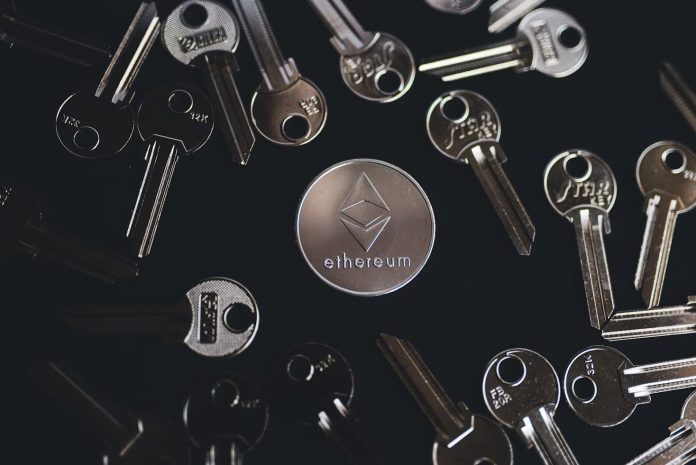
The approval of Ethereum ETFs by the US SEC marks a significant milestone for the cryptocurrency industry, signaling a maturation of the market and a step towards mainstream financial acceptance. This move is expected to have far-reaching implications for the industry as a whole.

Firstly, the approval serves as a validation of Ethereum’s legitimacy as an investment vehicle. It opens the doors for institutional investors who have been waiting on the sidelines for a regulated and secure way to gain exposure to Ethereum. The introduction of ETFs could lead to an influx of institutional money, which is likely to increase the liquidity and stability of Ethereum as an asset class.

Secondly, the availability of Ethereum ETFs provides a more accessible option for retail investors who may not be comfortable with the complexities of cryptocurrency exchanges or the security concerns of holding digital assets. ETFs simplify the investment process, allowing investors to buy shares in the fund, which in turn holds the underlying Ethereum tokens. This ease of access could lead to broader participation in the cryptocurrency market.

The regulatory environment for cryptocurrencies is still evolving. Changes in regulations or enforcement actions can have immediate and profound effects on the market. For Ethereum ETFs, any adverse regulatory developments could impact the fund’s operation and the underlying asset’s value.

Counterparty Risk: When investing in an ETF, investors are exposed to the risk that the counterparty managing the fund may fail to fulfill their obligations. This risk is present in all ETFs but may be heightened in the case of cryptocurrency ETFs due to the relatively new and complex nature of the underlying assets.

Liquidity Risk: While ETFs generally provide liquidity, the underlying asset’s liquidity can affect the ETF’s ability to accurately track the price of Ethereum. In times of market stress, the liquidity of Ethereum could be tested, leading to potential discrepancies between the ETF’s price and the actual price of Ethereum.

Fees and Performance: Investors should also be aware of the fees associated with Ethereum ETFs, which can impact overall returns. Additionally, the performance history of these funds is limited, making it challenging to assess long-term potential.

Technological Risks: The Ethereum network, like any technology, is subject to risks such as network attacks, software bugs, and other issues that could disrupt the network’s operation and affect the value of Ethereum and, by extension, Ethereum ETFs.

Furthermore, the approval could potentially pave the way for other cryptocurrency-based ETFs, encouraging innovation and diversification within the industry. As Ethereum powers a vast ecosystem of decentralized applications, the increased investment could accelerate the development and adoption of these platforms.

However, it’s important to note that the SEC’s decision to prohibit staking in the initial ETFs means that investors will miss out on the potential yields from Ethereum staking. This could influence the decision-making process for investors who are seeking passive income from their cryptocurrency holdings.

The impact on the price of Ethereum and other cryptocurrencies is also a point of interest. Historically, the launch of similar financial products has led to increased demand and price appreciation. The market’s response to the Ethereum ETFs will be closely watched by industry participants and analysts alike.

The SEC’s approval of Ethereum ETFs is a landmark event that is likely to have a positive impact on the cryptocurrency industry. It represents a step towards the integration of cryptocurrencies into the traditional financial system and could usher in a new era of growth and innovation for the sector. The long-term effects of this development will be crucial to observe as the industry continues to evolve.

Obasanjo Criticizes Tinubu’s Economic Policies, Calls for Transformational Leadership As Investors Shun Nigeria

0

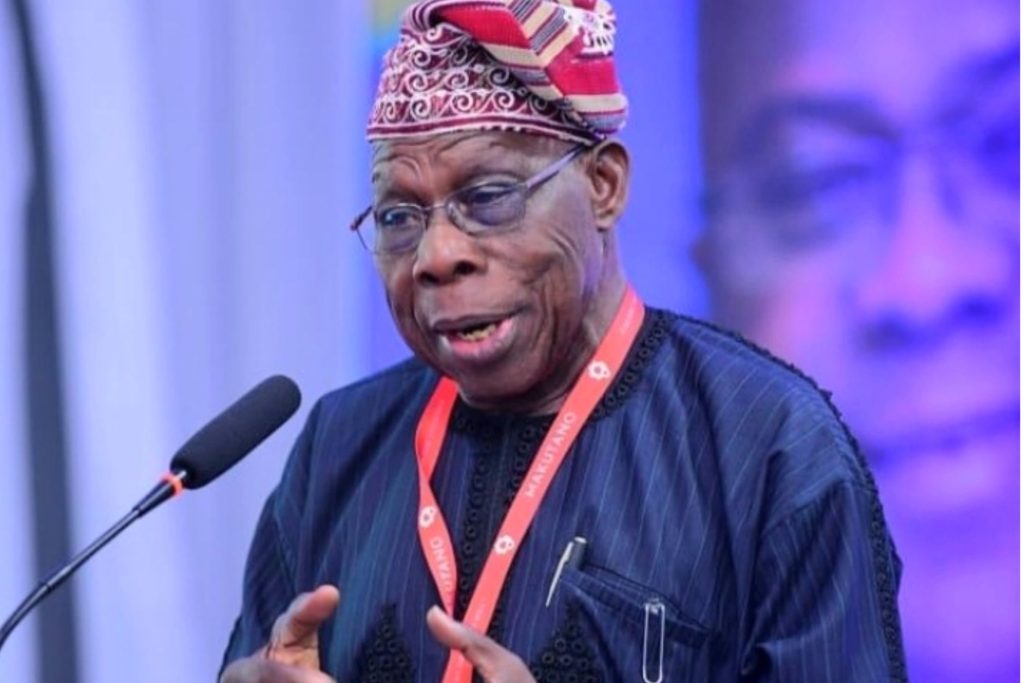
Former President Olusegun Obasanjo has issued a scathing critique of President Bola Tinubu’s economic policies, particularly targeting the removal of fuel subsidies and the unification of exchange rates. 

In a statement issued by his media aide, Kehinde Akinyemi, on Sunday, Obasanjo evaluated the current administration’s performance over the past year, arguing that these policies have significantly harmed the Nigerian economy and driven away foreign investors.

He pointed out that the implementation of these policies was flawed, leading to economic impoverishment. 

“Today, the government has taken three decisions, two of which are necessary but wrongly implemented and have led to the impoverization of the economy and of Nigerians. These are removal of subsidy, closing the gap between the black market and official rates of exchange, and the third is dealing with a military coup in Niger Republic,” he stated.

He further argued that the current administration has not yet found the right approach to manage the economy in a way that inspires confidence and trust among investors. “The present Administration has not found the right way to handle the economy to engender confidence and trust for investors to start trooping in,” Obasanjo said.

Obasanjo’s criticism comes amid a notable exodus of multinational companies from Nigeria. Companies like Shoprite, which sold its Nigerian operations, and Mr. Price, which exited the market entirely, underscore the growing challenges of doing business in the country. Others, such as ExxonMobil, have scaled back their operations significantly, citing the unfriendly business environment and policy inconsistencies. These departures are described as symptomatic of the broader issues plaguing Nigeria’s investment climate.

Highlighting the exodus of investors, Obasanjo cited the example of Total Energy opting to invest $6 billion in Angola instead of Nigeria. He lamented that foreign investors, who are well aware of Nigeria’s economic challenges, are now avoiding the country. 

“If the existing investors are disinvesting and going out of our country, how do we persuade new investors to rush in?” he asked.

Tinubu’s Global Investment Hunt

In an effort to attract foreign investment, President Tinubu has been globetrotting, meeting with potential investors and world leaders. However, these efforts have yet to yield positive results. Despite his trips to major economic hubs such as the United States, Europe, and the Middle East, Nigeria’s poor economic policies and unfriendly business environment continue to deter investors.

Against this backdrop, Obasanjo emphasized the need for transformational leadership, which he believes is essential for economic recovery and growth. 

“We need to change from transactional leadership in government to transformational and genuine servant leadership. With change by us, the investors will give us the benefit of doubt, and security being taken care of on a sustainable long-term basis, they will start to test the water,” he said.

The former president stressed that consistency and continuity in policy are crucial for ensuring stability and predictability, which in turn incentivize both domestic and foreign investment. 

“Tinkering with the exchange rate is not the answer to the economic problems,” Obasanjo asserted. “The answer is consistency and continuity in policy to ensure stability and predictability. That way, we will be sure of incentivizing domestic and foreign investment.”

The former military head of state called for honesty and transparency in government dealings, particularly regarding contracts and economic policies. 

“There must be honesty and transparency in government dealings and contracts and not lying with deception about these issues. When the government is seen as pursuing the right policy, the private sector will go for production and productivity,” he noted.

Obasanjo also underscored the importance of integrity and honesty of purpose in economic management. He expressed optimism that with the right policies and a unified effort, Nigeria can overcome its economic challenges. 

“With the right economic policies, attributes of integrity, and honesty of purpose, all should be well with all hands on deck and the government becoming a catalyst for development, growth, and progress,” he concluded.

The Way Forward

Obasanjo’s critique comes at a time when Nigeria is grappling with significant economic challenges, including sky-high inflation, a depreciating currency, and a lack of investor confidence. His remarks highlight the need for a strategic and transparent approach to economic policy-making to restore stability and foster growth.

Many believe his detailed assessment serves as a call to action for the Tinubu administration to reevaluate its economic strategies and adopt a more consistent and transparent approach. The goal, according to Obasanjo, should be to create an environment conducive to investment and economic growth, driven by transformational leadership.