DD
MM
YYYY

PAGES

DD
MM
YYYY

spot_img

PAGES

Home Blog Page 3286

BlockDAG’s Dashboard Unveils Whale Transactions As Presale Hits $34M; Fantom Investors Shift, Chainlink Prices Adjust

0

Amid the whirlwind of activity in the cryptocurrency market, BlockDAG stands out by securing a staggering $34 million in its latest presale. This feat is overshadowed by Fantom investors diversifying their portfolios amidst ongoing volatility and Chainlink experiencing price fluctuations due to Ether ETF speculations. BlockDAG‘s advanced dashboard, which now provides detailed insights into whale transactions and user rankings, alongside consistent development releases, has cemented its position as a leading crypto investment 2024, boasting a potential 30,000x ROI.

Fantom Investors Explore New Opportunities

Fantom’s price has fluctuated significantly, peaking in March but now steadying at around $0.84. Despite a positive trajectory set by active whale involvement and enhanced network interactions, aiming for a target price of $1.60 this year, investor confidence wavers. Many seek to diversify into more promising ventures like BlockDAG, attracted by its innovative approach and substantial presale achievements.

Chainlink Responds to Ether ETF Developments

The price of Chainlink has responded positively to recent developments surrounding the Ether ETF, surging past key resistance levels before experiencing a slight decline. The price of LINK is currently adjusting, reflecting a day-to-day drop of 1.89%. Market analysts remain neutral, anticipating a potential retest of the $20 threshold. Daily charts suggest a foundational buildup at $13, with an uptrend confirmation pending a break above $20. Despite a positive RSI crossover, market bears might still exert influence.

BlockDAG Enhances User Engagement with New Dashboard Features

BlockDAG’s latest dashboard update has significantly enhanced its functionality, focusing on user transparency and engagement. The new features include a sophisticated leaderboard and comprehensive transaction monitoring, with sections like ‘My Transactions’ and ‘Live Transactions’ readily accessible. Additionally, users can now view and update their ranks and delivery addresses directly on their profiles, tailored to the specific requirements of their location, ensuring both accuracy and security.

Moreover, the updated dashboard enhances the user experience by facilitating direct interactions and providing real-time updates, fostering a more connected and informed community. BlockDAG’s commitment to continuous improvement is also evident in its latest 38th Development Release, which focuses on optimizing DAG-based consensus mechanisms and transaction processing efficiency. This release also prepares to launch the X1 Miner App on mobile platforms, enhancing accessibility and user interaction.

The project’s presale continues to revolutionize the altcoin market, with $34 million raised by the 15th batch of a total of 45. The big goal for the network, included in its official roadmap, is to reach the milestone of $600 million by the end of the year, something seen by crypto experts as feasible due to the staggering pace of growth recorded.

In Conclusion

As Fantom investors look for stable opportunities and Chainlink adjusts to market reactions from the Ether ETF news, BlockDAG continues to excel with robust technological advancements and a community-driven solid approach. With its presale success reaching new heights and the dashboard enhancements fostering greater transparency and engagement, BlockDAG is poised for unprecedented growth, making it an attractive investment with a promising future in the cryptocurrency market.


Join BlockDAG Presale Now:

Website: https://blockdag.network

Presale: https://purchase.blockdag.network

Telegram: https://t.me/blockDAGnetworkOfficial

Discord: https://discord.gg/Q7BxghMVyu
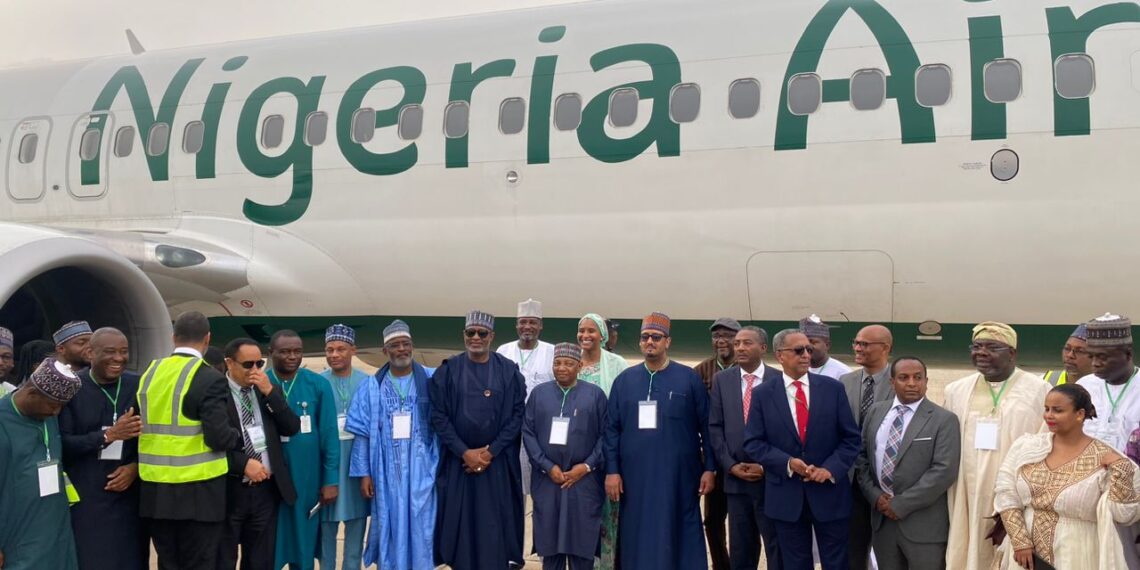
Aviation Minister Confirms Nigeria Air Indefinite Suspension, Says Project Not for Nigeria

0

The federal government has confirmed that the Nigeria Air project remains suspended. This announcement came from Minister of Aviation and Aerospace Development, Festus Keyamo, during a ministerial press briefing in Abuja, marking President Bola Tinubu’s first year in office. 

Keyamo, who provided crucial updates on the status of the national carrier – shedding light on the government’s stance and future plans, said the Nigeria Air project did not exist.

The Nigeria Air project was initially unveiled with great anticipation in 2023 by then Minister of Aviation, Hadi Sirika. The launch occurred just days before the conclusion of President Muhammadu Buhari’s administration. At the time, the announcement was met with optimism, as many Nigerians hoped for the revival of a national carrier that would enhance the country’s aviation sector and national pride. However, the optimism was short-lived as details of the plane used for the launch emerged, sparking widespread concern and skepticism.

Earlier, Sirika had announced the proposed structure of Nigeria Air, allocating a 49 percent equity stake to Ethiopian Airlines, with the Nigerian government retaining a mere 5 percent stake. The remaining 46 percent was to be owned by a consortium of three Nigerian investors. This arrangement quickly drew criticism from various quarters, including aviation experts, industry stakeholders, and the general public. Critics argued that the deal disproportionately favored Ethiopian Airlines and raised questions about the benefits to Nigeria.

Investigative Revelations and Legislative Action

The controversy surrounding Nigeria Air reached a tipping point following an exposé by investigative journalist David Hundeyin. Hundeyin’s in-depth investigation revealed questionable details about the deal, highlighting potential fraudulent aspects and a lack of transparency in the process. His report brought to light irregularities that further fueled public distrust and called into question the intentions behind the national carrier’s hurried launch.

In response to these revelations, the House of Representatives took decisive action. In June 2023, the legislative body called for the suspension of Nigeria Air operations, labeling the deal a fraud and urging for a thorough examination of its terms. This intervention by the House of Representatives was a significant blow to the project that eventually led to its suspension.

Government’s Suspension of the Project

Following the legislative intervention, in September 2023, Minister Keyamo announced the suspension of the Nigeria Air project until further notice. This decision was rooted in the government’s commitment to ensuring that any national carrier would be established under terms that were truly beneficial to Nigeria. 

During the recent press briefing, Keyamo reaffirmed this stance, providing further clarity on the government’s position and future plans.

“It remains suspended. It was never Air Nigeria. It was not Air Nigeria. That’s the truth. It was only painted Nigeria Air. It was Ethiopian Airlines trying to flag our flag,” Keyamo stated. His remarks underscored the perception that the project, as initially structured, did not align with Nigeria’s national interests. 

He emphasized the need for an airline that is genuinely Nigerian, both in ownership and in its benefits to the country. 

“Air Nigeria must be indigenous, must be wholly Nigerian, and must be for the full benefits of Nigeria, not that 50 percent of the profit is for another country.”

Speaking further on the Nigerian Air project, Keyamo highlighted the pitfalls of the initial ownership structure.

“Nigeria Air must be indigenous, it must be only Nigeria or it must be for the full benefit of Nigeria. Not that 60 percent of the profit is for another country. How does that benefit us? So it remains suspended,” he reiterated. 

This sentiment reflects the government’s broader commitment to ensuring that any future national carrier maximizes economic benefits for Nigeria, bolstering the country’s aviation sector and avoiding the outflow of profits to foreign entities.

Zimbabwe Grants Starlink License Approval to Operate

0

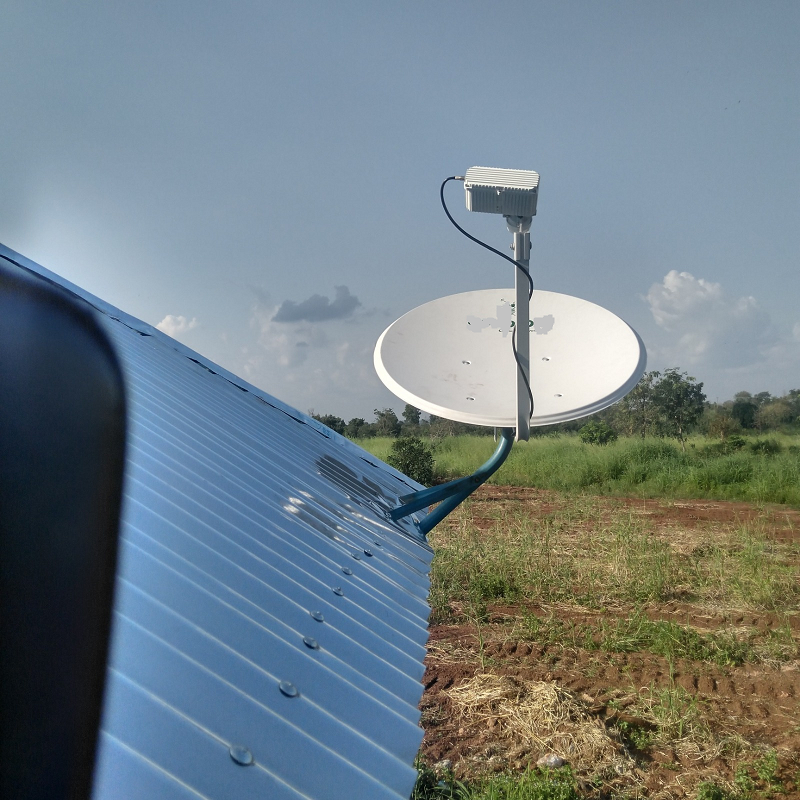
Zimbabwe has granted Elon Musk-owned internet service provider (ISP) Starlink, a license to operate in the Southern African country.

This was disclosed by Zimbabwe’s president Emmerson Mnangagwa, who said the approval of the satellite internet is expected to result in the deployment of high-speed, low-cost, LEO (low-Earth-Orbit) Internet infrastructure throughout the country, particularly in all the rural areas.

He further noted that Starlink will provide services through its sole and exclusive local partner, IMC Communications.

In his words,

“I’m pleased to announce that I have approved the licensing of Starlink by POTRAZ to provide advanced internet and related digital processing services in Zimbabwe through its sole and exclusive local partner, IMC Communications (Pvt) Ltd.

“The entry by Starlink in the digital telecommunications space in Zimbabwe is expected to result in the deployment of high speed, low cost, LEO internet infrastructure throughout Zimbabwe and particularly in all the rural areas. This will be in fulfillment of my Administration’s undertaking to leave no one and no place behind”.

The approval of Starlink marks a significant milestone in Zimbabwe’s efforts to enhance its digital infrastructure and expand high-speed internet access across its regions.

The Southern African country becomes the eighth African nation to authorize Elon Musk’s Starlink to provide satellite internet services. It joins the likes of African countries such as Rwanda, Benin, Nigeria, Kenya, Zambia, Mozambique, and Malawi.

It is worth noting that the approval of Starlink in Zimbabwe is coming after an initial ban by the government. Recall that in 2023, POTRAZ, the nation’s telecom regulator, issued a statement warning to Zimbabweans against the use of Starlink which they described as illegal.

The Starlink device has been illegal in Zimbabwe since when the telecommunications authority announced plans to arrest individuals and businesses found distributing and advertising the device.

Coming under pressure from the market to explain why the internet service provider was illegal to use, POTRAZ said they had no issues licensing Starlink as long as the company complied with the country’s laws – read fees, taxes, and the ability for the government to snoop on the traffic or disable the service at wish if the politics demanded it.

It is understood that Licensed operators in the country pay these costs (part of why the internet is so expensive in Zimbabwe) and allow the government to intercept the internet when it wishes.

POTRAZ repeated that while Starlink had expressed interest in regularising operations in Zimbabwe, the company had not been licensed.

Last month, Starlink‘s operation was suspended until it obtained licensing approval from the country’s telecommunications regulator. To operate in the southern African country, the regulator proposed two options: the company can either apply directly for a license or collaborate with a registered public network within the country to offer its services.

Kano Emir Tussle: High Court Orders Eviction of Ado Bayero from the Palace

0

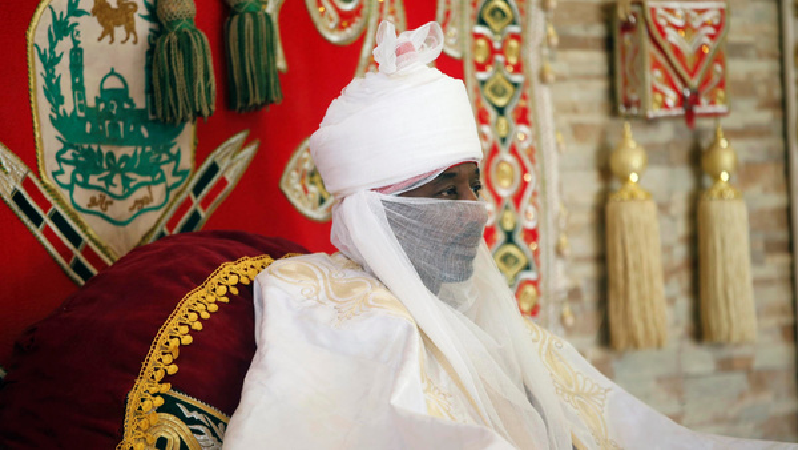
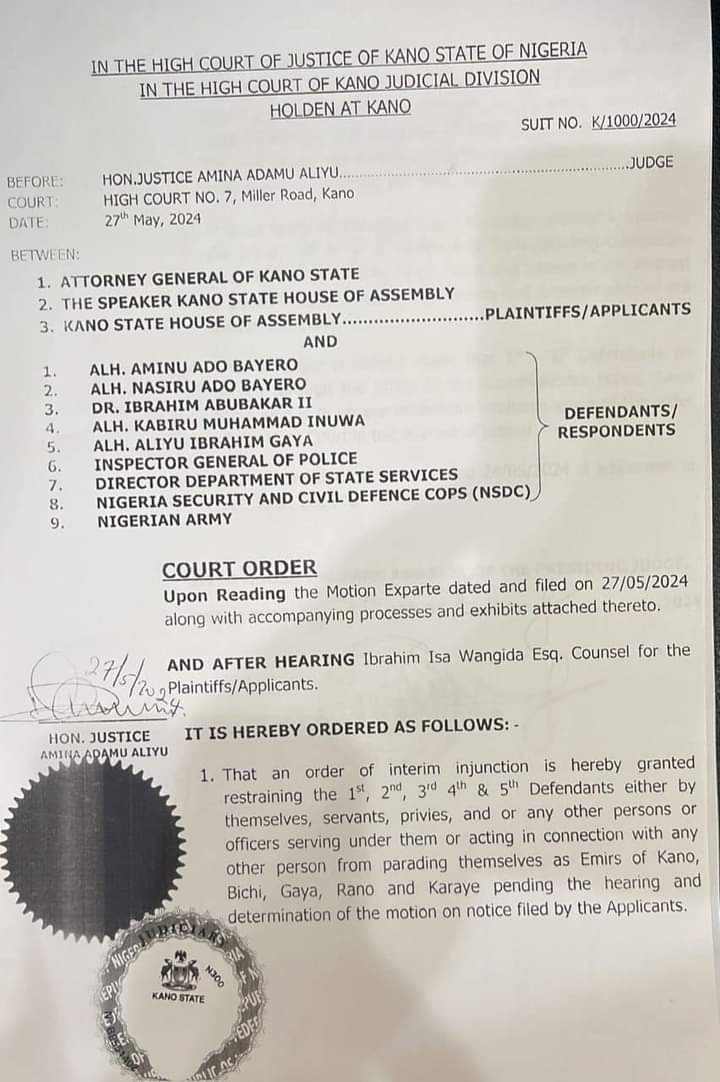
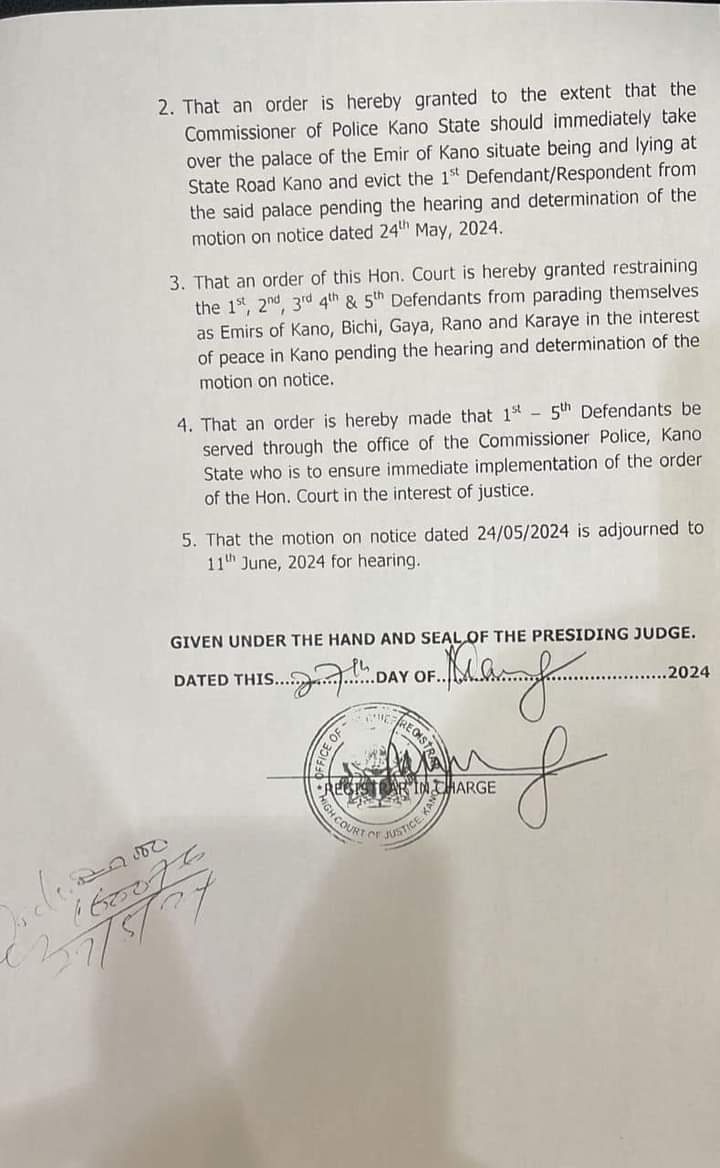
Justice Aisha Adamu Aliyu of a High Court in Kano State has issued an order for the eviction of the 15th Emir of Kano, Aminu Ado Bayero. This order, which has significant implications for the traditional and political fabric of the region, mandates the Commissioner of Police in Kano to enforce the eviction.

The court’s ruling is detailed in documents seen by Tekedia, where the judge granted several orders, including one that “restrains the 1st, 2nd, 3rd, 4th & 5th Defendants either by themselves, servants, privies, and or any other persons or officers serving under them or acting in connection with any other person from parading themselves as Emirs of Kano, Bichi, Gaya, Rano and Karaye pending the hearing and determination of the motion on notice filed by the Applicants.”

Additionally, the court ordered, “That an order is hereby granted to the extent that the Commissioner of Police Kano State should immediately take over the palace of the Emir of Kano situate being and lying at State Road Kano and evict the 1st Defendant/Respondent from the said palace pending the hearing and determination of the motion on notice dated 24th May, 2024.”

This sweeping order effectively bars the current Emirs from performing their traditional roles, pending further judicial review. The respondents include the deposed Emirs of Karaye, Gaya, Bichi, Rano, and Kano, as well as high-ranking security officials such as the Inspector General of Police, the Director of the Department of State Services (DSS), and others. The applicants are the Attorney General of Kano State, the Speaker of the House of Assembly, and the Kano State House of Assembly.

The Story Background 

The crisis surrounding the emirate structures in Kano has been brewing for some time. In 2019, the then-Governor of Kano State, Abdullahi Ganduje, created four new emirates: Bichi, Gaya, Rano, and Karaye. This move was seen by many as a way to diminish the influence of the Emir of Kano, Muhammadu Sanusi II, who had been a vocal critic of the governor. Sanusi was subsequently dethroned and replaced by Aminu Ado Bayero.

However, the creation of the new emirates and the dethronement of Sanusi sparked public outcry. The new emirates were perceived by many as a political maneuver rather than a genuine administrative reform. 

The situation escalated when last week, the Kano State House of Assembly, passed a bill to reinstate Sanusi. A Federal High Court issued an order halting the reinstatement of Emir Sanusi II, a decision reportedly issued by a judge on vacation in the US.

The latest court ruling by Justice Aliyu comes amid heightened tensions over the legitimacy and recognition of the new emirates. The Kano State Government, under Governor Abba Kabir Yusuf, has defended its actions, emphasizing the need for stability and unity within the state’s traditional institutions.

In a statement released on May 27, the Commissioner of Information, Baba Halilu Dantiye, addressed the situation, stating, “In view of the current tense situation in the state, the need to allay the fears of the public following the reports, reassure them of government commitment in ensuring the protection of their lives and properties, and set the record straight has become necessary to clarify the inaccuracies in the media reports and present the true situation on the ground.”

Dantiye further clarified that the decision to abrogate the emirates and reinstate Sanusi was made after careful consideration of the state’s best interests. He accused certain political actors of using the media to spread false information and incite public unrest for personal gain. 

“Their actions and those of their agents are not representative of the genuine feelings of the citizens of Kano State but are instead driven by selfish ulterior motives,” he asserted.

The state government reiterated its commitment to maintaining peace and stability in Kano, adding that the decision will yield the long-term benefits of a unified emirate structure.

“The administration of Abba Kabir Yusuf remains steadfast in its commitment to maintaining peace and stability in Kano State. The government will not renege in its responsibility to take all measures to ensure that law and order are upheld and the rights of the citizens are protected,” Dantiye added.

The government urged the public to disregard sensational media reports and support its efforts to foster unity and development. 

“Kano State government under the leadership of Abba Kabir Yusuf remains committed to the progress and development of the state and calls on all citizens to join hands in this regard,” the statement concluded.

However, as the judicial process unfolds, the future of the emirate structures and the traditional leadership in Kano remains uncertain. The court’s upcoming decisions will play a crucial role in shaping the future of traditional institutions in Kano.  

SoftBank Commits to Annual $9 Billion AI Investment Push, Poised to Ignite Fresh Tech Investment Rivalry

0

SoftBank Group is gearing up for a substantial commitment to artificial intelligence, with plans to invest nearly $9 billion annually in AI ventures, the Financial Times has reported. 

This bold move is part of a broader strategy that could redefine the company’s future, as founder Masayoshi Son seeks to position SoftBank at the forefront of the next technological revolution.

Over the past year, SoftBank’s expenditures on investments and commitments have surged to $8.9 billion. This sharp increase comes after Son’s declaration that the company was ready to launch a “counteroffensive” in the tech world. Now, SoftBank is prepared to sustain or even exceed this level of investment for major opportunities that align with its strategic goals.

Yoshimitsu Goto, SoftBank’s Chief Financial Officer, noted the company’s readiness to escalate its AI investment activities. 

“We will, in principle, be keeping the same kind of trend in terms of the pace of investment activities,” Goto told the Financial Times. “From now on, we want to step up investments in AI companies. The reason we’ve been keeping our balance sheet at a very safe level is because we would like to be prepared and flexible if there is anything that we would like to move on.”

Masayoshi Son has a history of transforming SoftBank, initially from an internet broadband business to a major player in the telecom industry through acquisitions like Vodafone Japan and Sprint. He then shifted gears, turning SoftBank into a tech investment powerhouse with significant backing from entities such as Saudi Arabia and Abu Dhabi. Notably, SoftBank’s investment in Alibaba was a tremendous success, significantly boosting the group’s profile and financial strength.

Son’s vision is now firmly focused on AI, which he believes will drive future growth. However, SoftBank faces intense competition from tech giants like Microsoft, Amazon, and Google. Microsoft, in particular, has made substantial investments in AI, including a notable $13 billion partnership with OpenAI, the organization behind the cutting-edge GPT-4 language model. This has positioned Microsoft as a leader in AI innovation and commercialization.

Despite these competitive pressures, SoftBank is undeterred. Its recent financial recovery, marked by an upgrade from rating agency S&P to double B plus, reflects an “improvement in asset quality” and gives the company the capacity to engage in large-scale deals. Nevertheless, Goto stressed fiscal prudence.

“That [strength] doesn’t mean that we are ready to spend $10 billion, $20 billion, $30 billion… that’s not something that we expect to come out from our balance sheet,” he said.

SoftBank’s deal-making momentum is already evident. This month, the company led an investment of over $1 billion into the UK self-driving car startup Wayve, marking Europe’s largest AI deal to date. Son’s direct involvement underscored the importance of this investment.

Goto has highlighted several sectors ripe for AI investment, including power generation and data centers, which are crucial for supporting AI infrastructure. However, he declined to comment on reports about SoftBank’s potential interest in producing an AI chip or its discussions to acquire another UK chip designer, Graphcore.

Son is expected to provide more details about his AI strategy at SoftBank’s annual shareholders’ meeting in June. This could address some investors’ concerns about the group’s focus potentially straying from its core businesses, such as Arm and its telecom subsidiary, SoftBank Corporation.

A Tokyo-based long-term investor expressed some skepticism about SoftBank’s aggressive AI push. 

“If you look at their investments, the volatility is such that whether they do $10 billion or $20 billion doesn’t matter… and it will be all or nothing if they go in on AI chips. Yes, they have Arm and they can write big cheques, but moving from planning to execution is not going to be easy,” he said.

Within SoftBank, significant organizational changes are underway. The Vision Funds are transitioning from making new investments to focusing on exits that deliver returns, leading to billions of dollars in sales over the past year. This shift is part of a broader integration, with the Vision Funds increasingly operating under the SoftBank umbrella rather than as separate entities. This change is driven in part by the fact that most remaining investment capital in the second Vision Fund is Son’s personal money.

To streamline AI investments, SoftBank created the Platform Group, comprising Vision Funds advisers who scout for AI opportunities. These investments are strategically financed through SoftBank’s balance sheet, reflecting a long-term commitment rather than a focus on short-term returns.

Alex Clavel, co-chief executive of SoftBank’s Vision Funds, articulated this integrated approach saying: “We’ve actually merged and call our international businesses ‘One SoftBank’ internally as a way to remind ourselves that look, the goal is bringing money home.”

SoftBank’s new aim at AI investments sets the stage for a new era of competition in the tech sector. With Microsoft leading the charge with its substantial investments and SoftBank poised to make significant moves, the race to dominate the AI industry is intensifying. This is expected to usher in a period of dynamic growth and innovation, increasing the volume of investment in AI, and shaping the future of technology and its applications across industries.