DD
MM
YYYY

PAGES

DD
MM
YYYY

spot_img

PAGES

Home Blog Page 3289

Organized Labour Rejects Nigerian Government’s New N60,000 Minimum Wage Proposal

0

In a significant standoff in Nigeria’s wage negotiations, the Organized Labour, comprising the Nigeria Labour Congress (NLC) and the Trade Union Congress (TUC), has firmly rejected the Federal Government’s latest offer to raise the minimum wage to N60,000.

The labour unions have also slightly adjusted their demand, lowering it from N497,000 to N494,000.

The Tripartite Committee, which includes representatives from the Federal Government, the Organized Private Sector (OPS), and the labour unions, remains deadlocked. The latest meeting on Tuesday ended without a resolution, intensifying the pressure as the May 31 deadline approaches.

A member of the Tripartite Committee disclosed that the government and the OPS had initially proposed N48,000 and N54,000 last week, which were subsequently raised to N57,000, and now to N60,000. However, these proposals have been consistently rejected by the Organized Labour. Initially demanding N615,000, the labour unions revised their demand to N497,000 and now to N494,000.

The Quest for a Livable Wage

NLC President Joe Ajaero has been vocal about the inadequacy of the current minimum wage of N30,000, which he said is insufficient to support the basic needs of Nigerian workers.

“It is still not substantial compared to what we need to make a family moving,” Ajaero said, noting the economic hardship faced by workers.

“The economy of the workers is totally destroyed. In fact, the workers don’t have any economy. I think there are two economies in the country; the economy of the bourgeoisie and the economy of the workers. I think we have to harmonize this so that we can have a meeting point,” he added.

The labour unions argue that the current wage fails to reflect the contemporary economic realities and does not cater to the well-being of an average Nigerian worker. This sentiment is compounded by the fact that not all states are paying the existing N30,000 minimum wage, which expired in April 2024.

Government and Private Sector’s Position

The Federal Government and the Organized Private Sector (OPS) have countered that the demands of the labour unions are unrealistic and unsustainable. Many states are struggling to meet the current minimum wage obligations, let alone a significantly higher one.

For instance, last week, Dauda Lawal, governor of Zamfara, said the state will begin payment of the N30,000 minimum wage to its workers in June.

The Nigeria Employers’ Consultative Association (NECA) expressed concerns about meeting the NLC’s demands, citing significant financial losses in the private sector.

NECA’s Director-General, Adewale-Smatt Oyerinde, highlighted the strain on businesses, stating, “It will be practically impossible to guarantee enterprise sustainability and job security with the current demands of organized labour,’’ he said.

Economic Strain and Employer Challenges

The broader economic context adds complexity to the wage negotiations. The Nigerian economy has been under strain, with many businesses reporting significant losses and some relocating due to unfavorable conditions.

NECA emphasized that the economic downturn makes the labour unions’ demands particularly challenging.

“With organised businesses declaring over one trillion naira in combined losses and many shutting down their businesses for different reasons, the ability to pay the prevailing N30,000 was already compromised,” Oyerinde said.

The Path Forward

As the May 31 deadline looms, the resolution of the minimum wage dispute remains uncertain. However, stakeholders say both sides must find a compromise to ensure that Nigerian workers receive a fair wage that reflects the current economic conditions while maintaining economic stability.

The outcome of these negotiations is expected to significantly impact Nigeria’s economy and the livelihoods of its workers. The Federal Government and the Organized Labour have been advised to engage in constructive dialogue to address the economic realities and work towards a solution that benefits all stakeholders.
Impacts of Ethereum ETFs Approval on the Crypto Industry

0

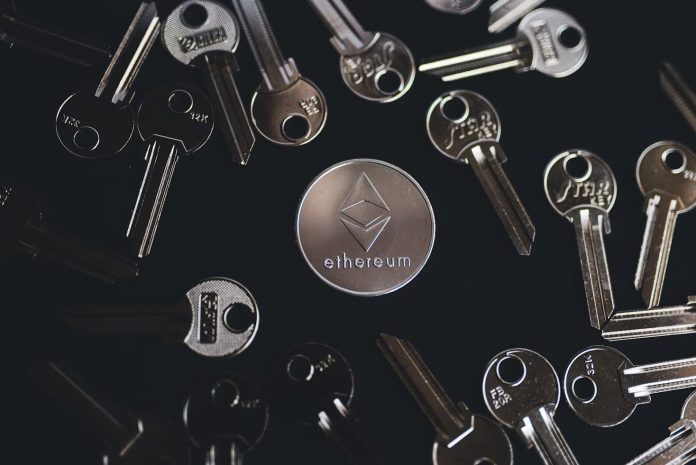
The approval of Ethereum ETFs by the US SEC marks a significant milestone for the cryptocurrency industry, signaling a maturation of the market and a step towards mainstream financial acceptance. This move is expected to have far-reaching implications for the industry as a whole.

Firstly, the approval serves as a validation of Ethereum’s legitimacy as an investment vehicle. It opens the doors for institutional investors who have been waiting on the sidelines for a regulated and secure way to gain exposure to Ethereum. The introduction of ETFs could lead to an influx of institutional money, which is likely to increase the liquidity and stability of Ethereum as an asset class.

Secondly, the availability of Ethereum ETFs provides a more accessible option for retail investors who may not be comfortable with the complexities of cryptocurrency exchanges or the security concerns of holding digital assets. ETFs simplify the investment process, allowing investors to buy shares in the fund, which in turn holds the underlying Ethereum tokens. This ease of access could lead to broader participation in the cryptocurrency market.

The regulatory environment for cryptocurrencies is still evolving. Changes in regulations or enforcement actions can have immediate and profound effects on the market. For Ethereum ETFs, any adverse regulatory developments could impact the fund’s operation and the underlying asset’s value.

Counterparty Risk: When investing in an ETF, investors are exposed to the risk that the counterparty managing the fund may fail to fulfill their obligations. This risk is present in all ETFs but may be heightened in the case of cryptocurrency ETFs due to the relatively new and complex nature of the underlying assets.

Liquidity Risk: While ETFs generally provide liquidity, the underlying asset’s liquidity can affect the ETF’s ability to accurately track the price of Ethereum. In times of market stress, the liquidity of Ethereum could be tested, leading to potential discrepancies between the ETF’s price and the actual price of Ethereum.

Fees and Performance: Investors should also be aware of the fees associated with Ethereum ETFs, which can impact overall returns. Additionally, the performance history of these funds is limited, making it challenging to assess long-term potential.

Technological Risks: The Ethereum network, like any technology, is subject to risks such as network attacks, software bugs, and other issues that could disrupt the network’s operation and affect the value of Ethereum and, by extension, Ethereum ETFs.

Furthermore, the approval could potentially pave the way for other cryptocurrency-based ETFs, encouraging innovation and diversification within the industry. As Ethereum powers a vast ecosystem of decentralized applications, the increased investment could accelerate the development and adoption of these platforms.

However, it’s important to note that the SEC’s decision to prohibit staking in the initial ETFs means that investors will miss out on the potential yields from Ethereum staking. This could influence the decision-making process for investors who are seeking passive income from their cryptocurrency holdings.

The impact on the price of Ethereum and other cryptocurrencies is also a point of interest. Historically, the launch of similar financial products has led to increased demand and price appreciation. The market’s response to the Ethereum ETFs will be closely watched by industry participants and analysts alike.

The SEC’s approval of Ethereum ETFs is a landmark event that is likely to have a positive impact on the cryptocurrency industry. It represents a step towards the integration of cryptocurrencies into the traditional financial system and could usher in a new era of growth and innovation for the sector. The long-term effects of this development will be crucial to observe as the industry continues to evolve.

Obasanjo Criticizes Tinubu’s Economic Policies, Calls for Transformational Leadership As Investors Shun Nigeria

0

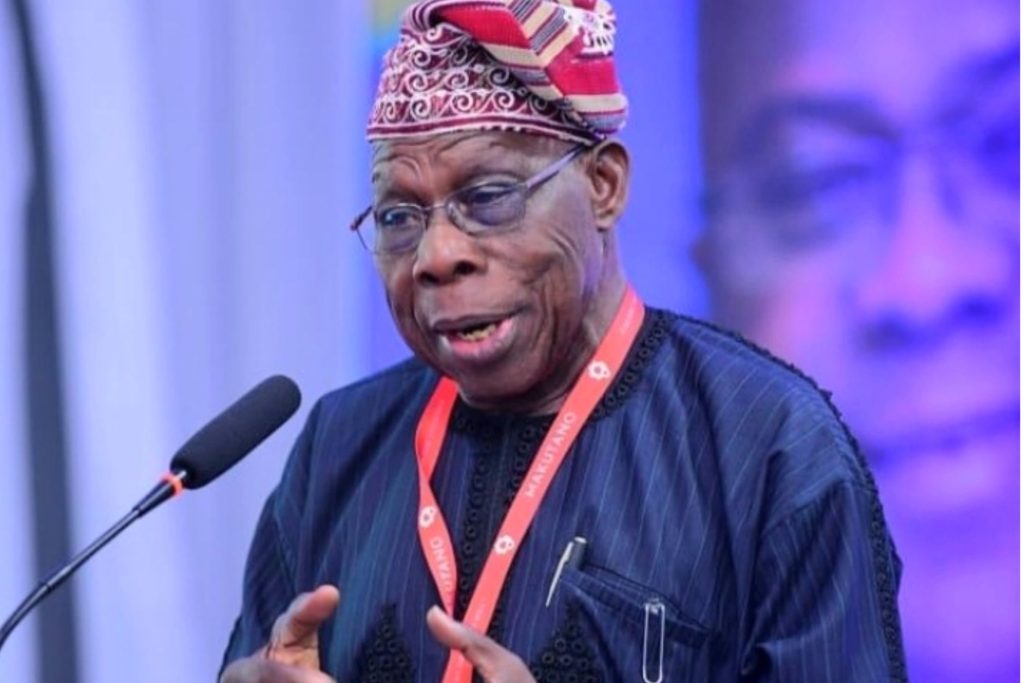
Former President Olusegun Obasanjo has issued a scathing critique of President Bola Tinubu’s economic policies, particularly targeting the removal of fuel subsidies and the unification of exchange rates. 

In a statement issued by his media aide, Kehinde Akinyemi, on Sunday, Obasanjo evaluated the current administration’s performance over the past year, arguing that these policies have significantly harmed the Nigerian economy and driven away foreign investors.

He pointed out that the implementation of these policies was flawed, leading to economic impoverishment. 

“Today, the government has taken three decisions, two of which are necessary but wrongly implemented and have led to the impoverization of the economy and of Nigerians. These are removal of subsidy, closing the gap between the black market and official rates of exchange, and the third is dealing with a military coup in Niger Republic,” he stated.

He further argued that the current administration has not yet found the right approach to manage the economy in a way that inspires confidence and trust among investors. “The present Administration has not found the right way to handle the economy to engender confidence and trust for investors to start trooping in,” Obasanjo said.

Obasanjo’s criticism comes amid a notable exodus of multinational companies from Nigeria. Companies like Shoprite, which sold its Nigerian operations, and Mr. Price, which exited the market entirely, underscore the growing challenges of doing business in the country. Others, such as ExxonMobil, have scaled back their operations significantly, citing the unfriendly business environment and policy inconsistencies. These departures are described as symptomatic of the broader issues plaguing Nigeria’s investment climate.

Highlighting the exodus of investors, Obasanjo cited the example of Total Energy opting to invest $6 billion in Angola instead of Nigeria. He lamented that foreign investors, who are well aware of Nigeria’s economic challenges, are now avoiding the country. 

“If the existing investors are disinvesting and going out of our country, how do we persuade new investors to rush in?” he asked.

Tinubu’s Global Investment Hunt

In an effort to attract foreign investment, President Tinubu has been globetrotting, meeting with potential investors and world leaders. However, these efforts have yet to yield positive results. Despite his trips to major economic hubs such as the United States, Europe, and the Middle East, Nigeria’s poor economic policies and unfriendly business environment continue to deter investors.

Against this backdrop, Obasanjo emphasized the need for transformational leadership, which he believes is essential for economic recovery and growth. 

“We need to change from transactional leadership in government to transformational and genuine servant leadership. With change by us, the investors will give us the benefit of doubt, and security being taken care of on a sustainable long-term basis, they will start to test the water,” he said.

The former president stressed that consistency and continuity in policy are crucial for ensuring stability and predictability, which in turn incentivize both domestic and foreign investment. 

“Tinkering with the exchange rate is not the answer to the economic problems,” Obasanjo asserted. “The answer is consistency and continuity in policy to ensure stability and predictability. That way, we will be sure of incentivizing domestic and foreign investment.”

The former military head of state called for honesty and transparency in government dealings, particularly regarding contracts and economic policies. 

“There must be honesty and transparency in government dealings and contracts and not lying with deception about these issues. When the government is seen as pursuing the right policy, the private sector will go for production and productivity,” he noted.

Obasanjo also underscored the importance of integrity and honesty of purpose in economic management. He expressed optimism that with the right policies and a unified effort, Nigeria can overcome its economic challenges. 

“With the right economic policies, attributes of integrity, and honesty of purpose, all should be well with all hands on deck and the government becoming a catalyst for development, growth, and progress,” he concluded.

The Way Forward

Obasanjo’s critique comes at a time when Nigeria is grappling with significant economic challenges, including sky-high inflation, a depreciating currency, and a lack of investor confidence. His remarks highlight the need for a strategic and transparent approach to economic policy-making to restore stability and foster growth.

Many believe his detailed assessment serves as a call to action for the Tinubu administration to reevaluate its economic strategies and adopt a more consistent and transparent approach. The goal, according to Obasanjo, should be to create an environment conducive to investment and economic growth, driven by transformational leadership.

Best Crypto Investment of 2024: BlockDAG’s Ascendancy, Surpassing Shiba Inu and Aptos with $34.7M Raised

0

Amidst the frequent activity of Shiba Inu whales and the fluctuating predictions for Aptos prices, BlockDAG shines with its innovative payment card offerings and swift transaction capabilities.

Having raised over $34.7 million in presales and projecting a notable price of $20 by 2027, BlockDAG is setting new standards in the crypto sphere. Its latest roadmap and continuous developments make it a prime candidate for investors pondering ‘which crypto to buy in 2024’.

The Dynamics of Shiba Inu’s Market

Shiba Inu whales are progressively amassing cryptocurrency, engaging in large transactions that have a marked impact on market dynamics. These purchasing activities of transactions exceeding $100,000 underscore a bullish outlook among these major players despite the broader market’s uncertainties.

Further observations suggest that Shiba Inu whales are not just passive accumulators but are actively influencing the market through significant token burns aimed at reducing overall supply. This approach aids in stabilizing Shiba Inu’s price, providing insights into possible future trends and preparing for potential market breakthroughs.

Aptos Price Fluctuations: Exploring Future Possibilities

Recent developments reveal a promising but unstable Aptos market, particularly after a significant 112% increase pushed its price to $19.29. However, it stopped just short of surpassing the $19.90 peak. With Aptos now hovering around the crucial $9.10 level, this acts as both support and resistance, keeping market watchers alert.

Should Aptos maintain above the $9.10 mark, it could challenge the $11 resistance soon. Adverse market conditions and shifting investor sentiments could push it towards lower support at $7.35. A Golden Cross in the 50/200-day EMA suggests a favourable trend, offering a cautiously optimistic outlook for its trajectory.

BlockDAG’s Leap: Transforming Crypto Transactions in 2024

BlockDAG has experienced a significant bullish trend, with its innovative products driving presale numbers beyond the remarkable $34.7 million mark. Experts in the cryptocurrency field are forecasting a price increase to $20 by 2027, citing the platform’s sophisticated technology. A key innovation is the BlockDAG payment card, which is notable for its low transaction fees and lack of an annual fee, which adds to its allure.

The core reason for BlockDAG’s swift expansion is its distinctive Directed Acyclic Graph (DAG) architecture, which considerably speeds up transactions and avoids the usual slowdowns seen in traditional block mining. This technological advance ensures that transactions are executed almost instantly, capturing the interest of investors as the platform rapidly advances.

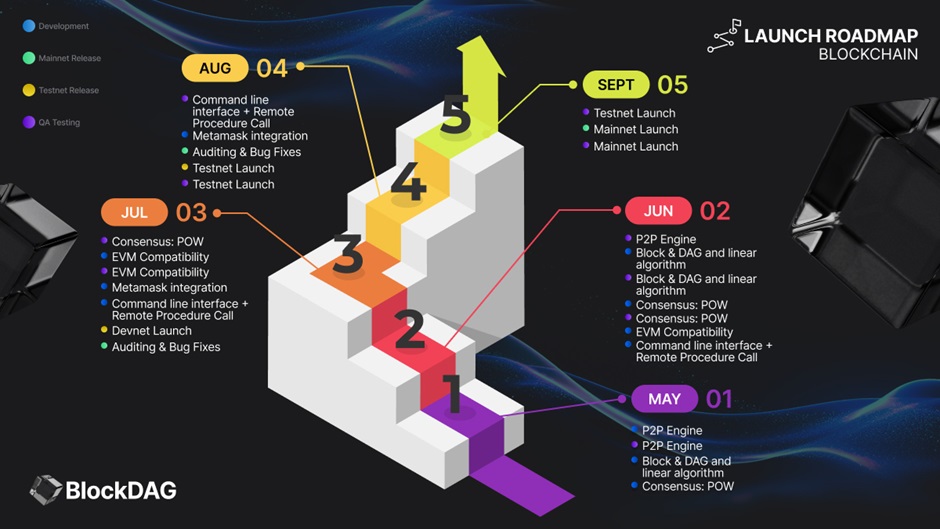
BlockDAG’s recently revised roadmap further boosts investor confidence by outlining a detailed phased plan. This includes advancements in Blockchain Development, the BlockDAG Scan (Explorer), and the eagerly awaited X1 miner application. These developments underscore the company’s dedication to innovation and transparency, keeping investors well-informed and enthusiastic about what lies ahead.

With its swift advancements and methodical strategic planning, BlockDAG is not merely achieving but surpassing the milestones set in its roadmap. For investors searching for promising crypto investments in 2024, BlockDAG presents a compelling choice due to its improved functionality and scalability, establishing itself as a valuable long-term investment in the cryptocurrency market.

Bottom Line

In a landscape shaped by Shiba Inu whales’ maneuvers and unpredictable Aptos price predictions, BlockDAG distinguishes itself with a compelling projection of $20 by 2027. Thanks to its cutting-edge technology and innovative payment card, BlockDAG is not merely keeping pace but is set to surpass expectations. For those determining which crypto to buy in 2024, BlockDAG’s ongoing presale phase presents a strategic investment opportunity in a cryptocurrency poised for significant growth.


Join BlockDAG Now!

Website: https://blockdag.network

Presale: https://purchase.blockdag.network

Telegram: https://t.me/blockDAGnetworkOfficial

Discord: https://discord.gg/Q7BxghMVyu

The National Anthem Which Nigeria Needs To Learn and Sing

0

A huge accomplishment for the resumes: “The Nigerian Senate has passed the National Anthem Bill 2024, which seeks to replace the current national anthem, ‘Arise O Compatriots’, with the old anthem used after independence in 1960, ‘Nigeria We Hail Thee’.” Yes, during the *th Assembly, we worked hard to restore Nigeria’s old National Anthem.

Good People, our problem is not what we sing or what we say, it is what is in our minds and hearts.  Today, there is a clear broken link in the minds of many young people. Fixing that is the new national anthem they want to understand and memorize!

Can my village still hire a Hausa man to teach us Mathematics as they did when I was in the village? I doubt it because many will disqualify him before he shows up for the interview. And your village will do the same. These days villages want to produce the vice chancellors in universities located in their domains, irrespective of the readiness of their sons and daughters for the jobs!

But who knows…click and learn the new Anthem, it can help Naira shoot up and reduce the price of fuel! What a new song can do! Good Luck Nigeria.

Senate Passes Bill to Restore Nigeria’s Old National Anthem