DD
MM
YYYY

PAGES

DD
MM
YYYY

spot_img

PAGES

Home Blog Page 3299

BlockDAG’s Dashboard Uplifts Transparency; Ethereum and Solana’s Tug-of-War and Optimism’s Latest Update

0

The clash between Ethereum and Solana continues to hold the market’s gaze, with Ethereum’s recent price jump and Solana’s enduring market presence. Meanwhile, OP Labs has unveiled a significant update set for Q4 2022 after a price leap.

Conversely, BlockDAG (BDAG) has recently enhanced its dashboard, setting a new standard in transparency by displaying extensive whale transactions. The intuitive dashboard and BlockDAG’s efficient X10 mining rig have escalated presales to approximately $39.3 million from 10.5 billion coins and 6,700 rigs sold. Predicted to offer a 30,000x ROI, BlockDAG is quickly becoming a hot pick among new cryptos.

Ethereum vs. Solana: Solana’s Uphill Battle

The ongoing rivalry between Ethereum and Solana is capturing widespread interest. Ethereum (ETH) has seen a notable price surge, strengthening its position in the DeFi sector with an active developer community and a broad dApp ecosystem.

The recent nod from the SEC for an Ethereum-linked ETF has bolstered investor trust, propelling ETH to new heights last week with signs of continued upward momentum. Conversely, Solana, celebrated for its swift transaction capabilities, is struggling to match pace. Despite a peak last week, SOL has adjusted to recent resistance levels, although it has shown significant growth this past month.

Optimism’s Price Jumps with Upcoming Update

Optimism, a layer-2 Ethereum protocol that leverages rollups for speedier, cheaper transactions, has seen a recent price uptick. Following this surge, OP Labs has announced a crucial update for Q4 2022, which is anticipated to greatly influence the platform.

After an initial rise last Friday, the coin dipped by 1.59% overnight. Optimism is nearing peak valuation with growing demand, which could trigger concerns about potential liquidations. The platform is set to tackle Ethereum’s speed and cost challenges, with investor enthusiasm and positive market sentiment fueling the rally.

BlockDAG’s Dashboard and Mining Innovations

BlockDAG’s latest dashboard update has sparked enthusiasm within its community by improving transparency and usability, earning $39.3 million in presale. A new Leaderboard feature now displays the top 30 presale participants, encouraging more spirited competition and boosting investment. This tiered system—ranging from Crab ($0 – $99) to Whale ($50,000 and up)—gamifies investment, enhancing participation and visibility within the BlockDAG ecosystem and creating a transformative impact on the crypto landscape.

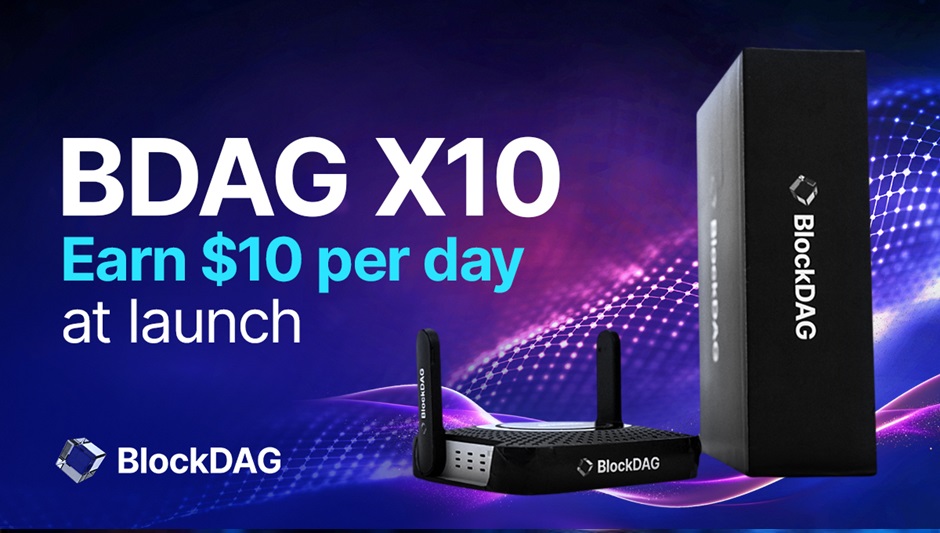
Moreover, BlockDAG’s X10 mining rig, known as the “Entry Level Miner,” provides a straightforward avenue for generating passive income. This compact, powerful miner can harvest up to 200 BDAG daily with a 100 MH/s hash rate and only 40 W power consumption, earning around $10 daily. It’s ideal for novices and seasoned miners, designed for ease of use with Wi-Fi and Ethernet options. This efficient miner outperforms the more energy-intensive and complicated setups used in Bitcoin and Ethereum mining, showcasing BlockDAG’s advanced mining technology.
Concluding Thoughts

As the competition between Ethereum and Solana heats up, Ethereum’s price rise solidifies its DeFi dominance, while Solana tries to keep up despite its swift transaction benefits. Meanwhile, BlockDAG’s presale is closing in on the $39.3 million mark, fueled by its revamped dashboard and powerful mining solutions like the X10 miner. With its enhanced transparency and promising 30,000x ROI, BlockDAG is shaping up as one of the most compelling new cryptocurrencies to consider.


Invest in the BlockDAG Presale Now:

Presale: https://purchase.blockdag.network

Website: https://blockdag.network

Telegram: https://t.me/blockDAGnetwork

Discord: https://discord.gg/Q7BxghMVyu

Nigeria Has Done Well By Paying Foreign Airlines, Now, We Must Prevent Collusion

0

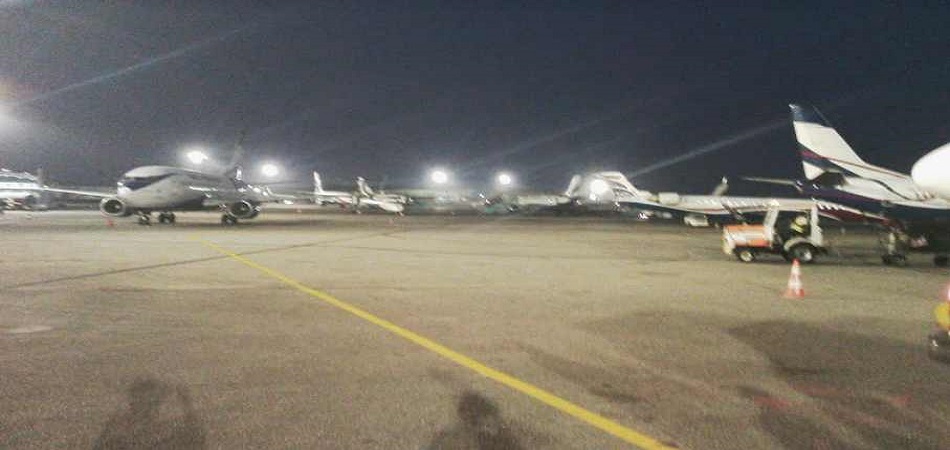
These airlines will be feeling really great: “The International Air Transport Association (IATA) has provided an optimistic update regarding the issue of airline funds trapped in Nigeria, confirming that 98% of these blocked funds have now been cleared.” My commendations to the aviation minister (Festus Keyamo), the governor of the Central Bank of Nigeria (Olayemi Cardoso) and the finance minister (Wale Edun). This is how it should be.

The situation had led to notable disruptions in airline services. UAE carrier Emirates was among the most affected, leading it to suspend its flights to Nigeria in August 2022. The airline cited difficulties in repatriating revenues in US dollars, which were trapped due to Nigeria’s foreign exchange regulations.

Emirates, which had been operating flights to both Lagos and Abuja, faced significant financial strain as it was unable to access its earnings from ticket sales in Nigeria. This forced the airline to adjust its operations drastically, including halting ticket sales for lower-priced fare classes.

Good People, if we want competition to help reduce prices on our international routes, airlines should be in positions to repatriate their funds as agreed. The aviation minister is working (in my opinion) and I think the central bank has done well here.

Now, the big one: I am waiting for the National Assembly to invite all the foreign airlines for a public hearing. I want to understand the economics of how prices crashed when Air Peace got in. Was there a collusion in pricing against the Nigerian people by these airlines? We want to know!

IATA Announces Repatriation of 98% of Int’l Airlines Funds Trapped in Nigeria

0

The International Air Transport Association (IATA) has provided an optimistic update regarding the issue of airline funds trapped in Nigeria, confirming that 98% of these blocked funds have now been cleared.

At the height of the problem in June 2023, Nigeria’s blocked airline funds amounted to a substantial $850 million, severely impacting airline operations and financial stability.

As of April 2024, the remaining balance stands at $19 million, pending the Central Bank of Nigeria’s (CBN) verification of outstanding forward claims filed by commercial banks. This marks a significant improvement from the previous year and demonstrates the effectiveness of recent efforts by the Nigerian government and the CBN.

The situation had led to notable disruptions in airline services. UAE carrier Emirates was among the most affected, leading it to suspend its flights to Nigeria in August 2022. The airline cited difficulties in repatriating revenues in US dollars, which were trapped due to Nigeria’s foreign exchange regulations.

Emirates, which had been operating flights to both Lagos and Abuja, faced significant financial strain as it was unable to access its earnings from ticket sales in Nigeria. This forced the airline to adjust its operations drastically, including halting ticket sales for lower-priced fare classes.

Emirates’ suspension of flights not only disrupted travel plans for many Nigerians but also had broader implications for the country’s connectivity and investment prospects. The airline is only planning to resume services in October 2024, indicating the severity of the impact and the cautious approach to re-entering the market.

IATA played a crucial role in highlighting the issue of blocked funds in Nigeria. In several statements, IATA’s Director-General Willie Walsh emphasized the detrimental impact of blocked funds on airline operations and the broader economic consequences. At one point, the association threatened to boycott Nigeria, warning that continued restrictions on fund repatriation could lead to a withdrawal of international airlines from the Nigerian market. Such a move would have severely affected Nigeria’s air connectivity, international trade, and tourism.

IATA’s threats underscored the urgency of the situation and pressured the Nigerian government to take decisive action. The association argued that unrestricted access to revenues is essential for airlines to maintain services and invest in improving connectivity.

Central Bank of Nigeria’s Efforts

In March 2024, the Central Bank of Nigeria (CBN) announced that it had successfully cleared the entire valid foreign exchange (FX) backlog, marking a significant milestone in the nation’s fight against FX volatility. This accomplishment, long-awaited and ardently pursued, was formally announced by Mrs. Hakama Sidi Ali, the Bank’s Acting Director of Corporate Communications.

Mrs. Ali’s announcement came as part of the CBN’s steadfast commitment to addressing the substantial backlog of outstanding FX claims inherited by the CBN Governor Mr. Olayemi Cardoso, totaling an estimated $7 billion.

However, foreign airlines operating in Nigeria contested the CBN’s claims. Kingsley Nwokeoma, President of the Association of Foreign Airlines and Representatives in Nigeria (AFARN), adamantly stated that there has been no discernible change regarding the clearance of foreign airlines’ trapped funds.

“If they say they have cleared the trapped funds, they should show us figures. They should tell us how much have been cleared. The last I checked, the status quo still remains the same,” Nwokeoma told BusinessDay.

Two months after the CBN’s announcement, IATA has acknowledged a significant part of the withheld fund has been cleared, noting the progress made in resolving the issue.

“We commend the new Nigerian government and the Central Bank of Nigeria for their efforts to resolve this issue. Individual Nigerians and the economy will all benefit from reliable air connectivity for which access to revenues is critical. We are on the right path and urge the government to clear the residual $19 million and continue prioritizing aviation,” said IATA Director-General Willie Walsh.

Tackling the global trend

This progress in Nigeria is part of a broader trend, as IATA reported a 28% global decrease in airline funds blocked by governments, reducing the total from $2.5 billion in December 2023 to approximately $1.8 billion by the end of April 2024. Despite this improvement, significant challenges remain, with the majority of the remaining blocked funds concentrated in a few countries.

IATA highlighted that eight countries, including Pakistan, Bangladesh, Algeria, the XAF Zone, Ethiopia, Lebanon, Eritrea, and Zimbabwe, are responsible for 87% of the remaining blocked funds. Pakistan and Bangladesh are the most affected, with airlines unable to repatriate $731 million—$411 million in Pakistan and $320 million in Bangladesh.

“Pakistan and Bangladesh must release the $731 million in blocked funds immediately to ensure airlines can continue providing essential air connectivity. In Bangladesh, the solution is in the hands of the Central Bank, which must prioritize aviation’s access to foreign exchange in line with international treaty obligations. The solution in Pakistan involves finding efficient alternatives to the system of audit and tax exemption certificates, which cause long processing delays,” said Walsh.

In Egypt, a significant clearance of blocked funds has also been achieved, albeit with airlines feeling the adverse effects of currency devaluation.

MasterCard Launches an Advanced Crypto Credential System, for Transacting with Usernames over Wallet IDs

0

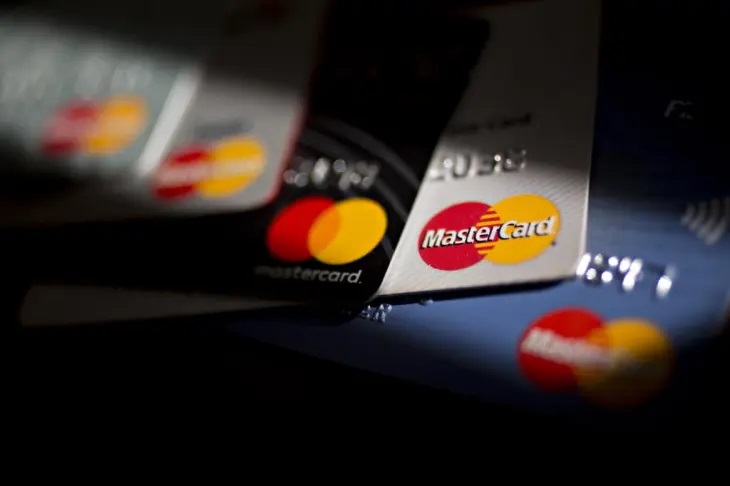
In a groundbreaking move, MasterCard has introduced a new “Crypto Credential” system, marking a significant shift in the digital asset transaction landscape. This innovative service allows users to transact using usernames instead of the traditional and often cumbersome wallet IDs, streamlining the process and enhancing user experience.

The “Crypto Credential” service is a testament to MasterCard’s commitment to integrating the convenience of traditional financial services with the burgeoning world of cryptocurrencies. By replacing the long and complex blockchain addresses with user-friendly aliases, MasterCard is making peer-to-peer crypto transfers far more intuitive for average users.

The initiative currently spans across Latin American and European corridors, including countries such as Argentina, Brazil, Chile, France, and Spain, among others. This development is poised to enhance the ease of cross-border and domestic transfers, supporting multiple currencies and blockchains. This innovative system is currently operational on exchanges such as Bit2Me, Lirium, and Mercado Bitcoin.

This service is not just about simplifying transactions; it’s also about security and compliance. MasterCard’s system verifies users through a set of standards before assigning an alias. When a transaction is initiated, the system ensures that the recipient’s alias is valid and that their wallet supports the digital asset and associated blockchain. If the receiving wallet does not support the asset or blockchain, the transaction is halted, safeguarding users from potential loss of funds.

The “Crypto Credential” has gone live with its first peer-to-peer pilot transactions, adding new partners to the ecosystem and enabling blockchain transactions simply and securely between Latin American and European corridors. Users in countries such as Argentina, Brazil, Chile, France, and others can now send cross-border and domestic transfers across multiple currencies and blockchains.

MasterCard’s vision extends beyond just peer-to-peer transactions. The “Crypto Credential” could potentially support use cases ranging from NFTs to ticketing and other payment solutions, depending on market and compliance requirements. This flexibility demonstrates MasterCard’s foresight in anticipating the diverse needs of the crypto market.

The significance of this move cannot be overstated. It represents MasterCard’s commitment to ensuring that transactions are not only user-friendly but also adhere to stringent verification standards. The Crypto Credential system verifies interactions among consumers and businesses, confirming that the recipient’s wallet supports the transferred asset, thereby minimizing the risk of fund loss due to unsupported transactions.

Moreover, MasterCard’s initiative aligns with regulatory requirements such as the Travel Rule, which mandates transparency to prevent illicit activities in cross-border transactions. The company’s vision extends beyond peer-to-peer transactions, with potential use cases including NFTs, ticketing, and other payment solutions, subject to market and compliance requirements.

This strategic move by MasterCard reflects a broader trend of integrating cryptocurrency into mainstream financial services. By serving as a bridge between banks and crypto trading platforms, MasterCard is expanding the adoption of digital assets among the general population. Financial institutions can now offer cryptocurrency trading to their customers, with MasterCard facilitating the process.

The launch of the “Crypto Credential” by MasterCard is a significant step towards the mainstream adoption of cryptocurrencies. It represents a fusion of innovation, security, and user-centric design, setting a new standard for digital asset transactions. As the crypto landscape continues to evolve, MasterCard’s initiative may well become a pivotal point in the history of cryptocurrency transactions.

Bitcoin ETF in a Big Psychological Turning Point, says Goldman Sachs

0

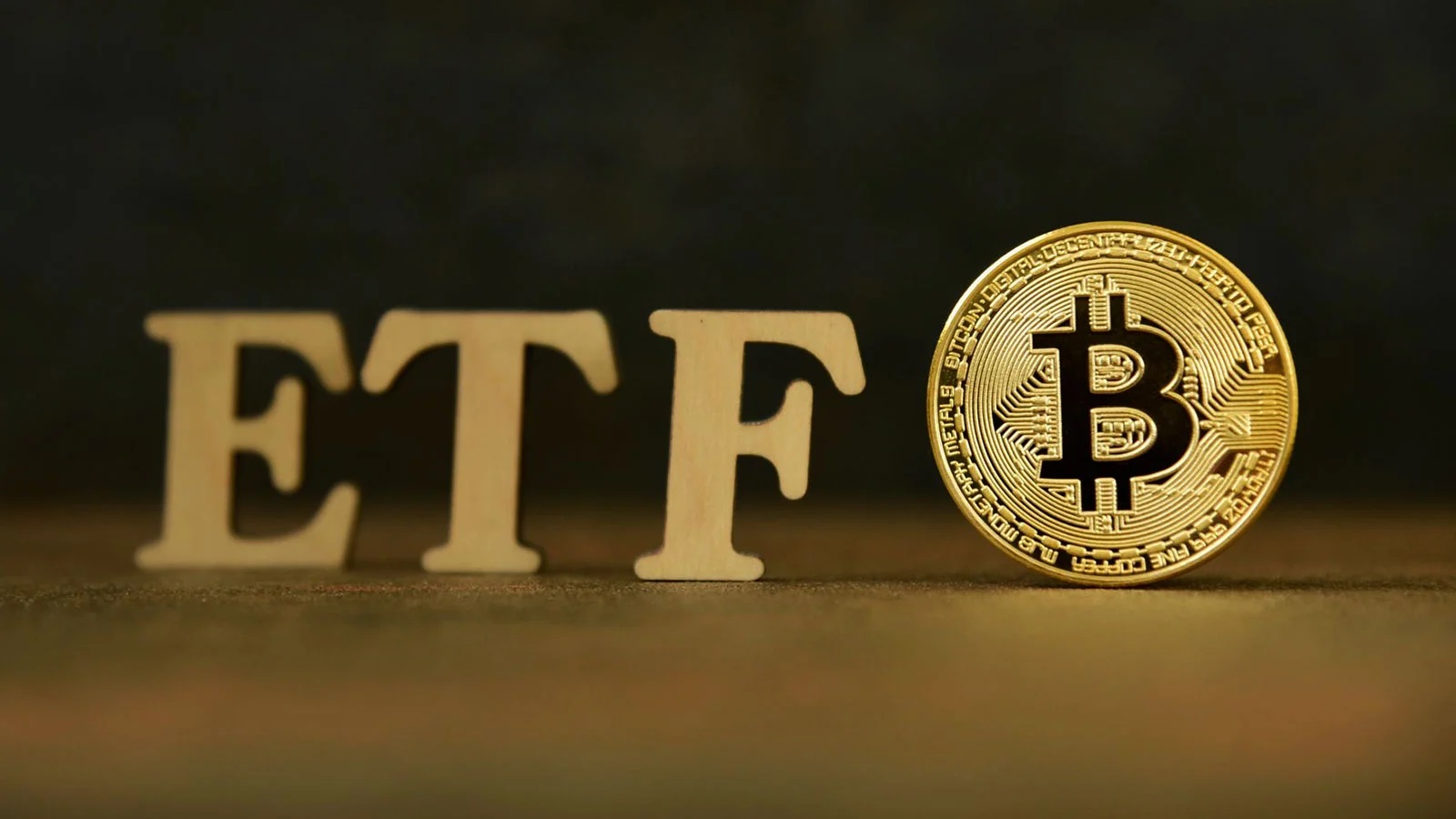
The financial landscape has been witnessing a significant transformation with the advent of cryptocurrencies, and a pivotal moment in this evolution was marked by the approval of Bitcoin Exchange-Traded Funds (ETFs). Goldman Sachs, a leading global investment banking, securities, and investment management firm, has recognized this event as a “big psychological turning point” for the crypto market.

Bitcoin ETFs represent a significant advancement in the integration of cryptocurrency into the traditional financial system. These funds offer several benefits that cater to both seasoned investors and those new to the world of digital assets. Here are some of the key advantages

The introduction of Bitcoin ETFs has been lauded as a success story, with Goldman Sachs’ global head of crypto, Mathew McDermott, highlighting their role in catalyzing market growth. The approval of these ETFs in the United States earlier this year was not just a regulatory milestone but also a signal of growing acceptance and institutional confidence in digital assets.

The success of Bitcoin ETFs has been underscored by the rapid asset accumulation, surpassing expectations and setting new records. This has not only bolstered the credibility of Bitcoin but also paved the way for the approval of Ethereum ETFs, which Goldman Sachs views as a “natural progression” in the crypto ecosystem.

The impact of these ETFs extends beyond just market dynamics; they represent a shift in perception among traditional financial institutions. For years, the concept of Bitcoin and its derivatives faced skepticism from Wall Street giants. However, the overwhelming demand and successful integration of Bitcoin ETFs into the financial markets have turned many former skeptics into advocates.

Goldman Sachs’ involvement as an authorized participant for BlackRock’s IBIT bitcoin ETF, which launched in January and quickly became the world’s largest, is a testament to the firm’s changing stance and the broader financial industry’s evolving approach to digital assets.

The firm’s head of digital assets also pointed out that as regulations become clearer, blockchain industry proponents are likely to advocate more vigorously for the viability of this technology. This could lead to an expansion of real-world assets tokenization, intertwining other asset classes with crypto, such as real estate and green debt issuance.

The impact of Bitcoin ETFs on the price of Bitcoin can be multifaceted and significant.

Market Sentiment: The approval and launch of Bitcoin ETFs tend to boost market sentiment, as they are seen as a sign of growing mainstream acceptance and institutional validation of Bitcoin. This positive sentiment can lead to increased buying pressure and a rise in Bitcoin’s price.

Liquidity and Accessibility: Bitcoin ETFs increase the liquidity of Bitcoin by making it more accessible to a broader range of investors, including those who may not want to deal with the complexities of cryptocurrency exchanges. Increased liquidity often translates to higher prices as more capital flows into the market.

The Bitcoin ETFs’ approval and the subsequent positive market response have indeed been a psychological turning point, as stated by Goldman Sachs. It has helped lift the reservations of institutional investors and conferred unprecedented credibility to Bitcoin, propelling its price to new heights and signaling a surprising success for the investment bank.

This development marks a significant step in the journey of cryptocurrencies from the fringes of finance to mainstream investment options. With traditional financial institutions like Goldman Sachs now on board, the path toward wider adoption and integration of digital assets into the global financial system seems more certain than ever.