DD
MM
YYYY

PAGES

DD
MM
YYYY

spot_img

PAGES

Home Blog Page 3301

Kano State House of Assembly Repeals Emirate Council Law, Paving the Way for Potential Return of Deposed Emir Sanusi

0

The Kano State House of Assembly has passed the Kano Emirates Council Law (Repeal Bill) 2024, effectively dismantling the five newly created emirates and setting the stage for the potential return of deposed Emir Muhammadu Sanusi. 

This decision comes after the bill successfully scaled its third reading, signaling a major shift in the state’s traditional and political landscape.

The newly passed bill nullifies the establishment of the five emirates: Bichi, Rano, Gaya, Karaye, and the original Kano Emirate. All offices and appointments made under the repealed law have been annulled, including the elevation of district heads. These officials are now required to revert to their previous positions.

Background of the Emirate Law

The initial law, which created the five new emirates, was enacted by former Governor Abdullahi Umar Ganduje on December 5, 2019. The law was subsequently amended twice, first on October 14, 2020, and again on April 11, 2023. Section 3(1) of this law established the distinct emirates, each with specific local government areas under their jurisdiction: Kano and Karaye with eight LGAs each, Bichi and Gaya with nine each, and Rano with ten out of the state’s 44 LGAs.

Emir Muhammadu Sanusi II, who chaired the council, was deposed on March 9, 2020. Following his removal, the law was amended to make the Emir of Kano the sole chairman of the council, stripping Sanusi of his position and reshaping the emirate’s governance structure.

Political and Historical Context

Sanusi’s tenure as Emir began during the final term of then-Governor Rabiu Musa Kwankwaso. However, his relationship with Kwankwaso’s successor, Ganduje, soured over political disagreements and Sanusi’s public criticisms of Ganduje’s administration and the federal government under President Muhammadu Buhari.

Ganduje accused Sanusi of supporting opposition parties and undermining his re-election efforts in 2019, leading to Sanusi’s eventual deposition and the creation of the additional emirates as a means to dilute his influence. Following his removal, Sanusi was banished to Loko, a remote area in Nasarawa State, but later became the leader of the Tijaniyya Islamic sect in Nigeria.

In December 2021, Justice Anwuli Chikere of the Federal High Court in Abuja declared Sanusi’s banishment unlawful and unconstitutional, awarding him N10 million in damages and ordering public apologies from the police, the Department of State Services (DSS), and the Kano State Attorney-General.

The Political Will Behind the Legislative Repeal 

The repeal of the emirate council law, sponsored by Majority Leader Lawan Hussaini Chediyar Yan Gurasa of the Dala Constituency, is seen as a move to restore traditional order and potentially reinstate Sanusi. A principal officer of the assembly, who requested anonymity, stated emphatically, “No Jupiter can stop the assembly from amending the law.”

While there was anticipation that Sanusi might be restored to the throne in the future, significant efforts to address the matter only began recently, following the inauguration of the current governor of Kano State, Abba Yusuf.

Kwankwaso, in a viral video after the 2023 general election, hinted that the new administration under Governor Yusuf would review Ganduje’s actions, including the creation of the new emirates. Kwankwaso expressed confidence that the current government would address these issues judiciously, highlighting the need for careful consideration of the state’s traditional structures.

We tried not to intervene in the issue of bringing or removing any Emir, but now, an opportunity has come. Those who were given this opportunity will sit down and see to the issues. They will look at what they are expected to do.

 “Besides the Emir, even the emirate has been divided into five places. All these need to be studied. Usually, a leader inherits good, bad, and issues that are hard to reconcile,” Kwankwaso had said.

Ganduje, however, remained defiant, asserting that the newly created emirates would endure. Speaking at the 2023 Workers’ Day celebration, he insisted that the emirates were established for unity, progress, and the honor of the regions they represent. He vowed, “These emirates are permanent; they have come to stay. And anybody that will destroy them, God Almighty will not bring him to Kano State.”

However, despite the legislative reversal, it is unclear if Sanusi is interested in reclaiming his former throne. In a video from March 2020, Sanusi expressed contentment with moving on from his role as Emir. He said, “I have done what I could in six years, I’m moving on. I don’t want to go back.” He acknowledged the legal flaws in his dethronement but emphasized his desire to embrace a new phase in life.

Why Investors Monitor Bitcoin Futures Basis

0

The world of cryptocurrency is always buzzing with activity, and one of the most intriguing aspects that traders and investors monitor is the Bitcoin futures basis. This refers to the difference between the spot price of Bitcoin and the price of Bitcoin futures contracts. A recent increase in the Bitcoin futures basis has caught the attention of market participants, especially following the softer inflation print from last week.

The Bitcoin futures basis can serve as a barometer for market sentiment. When the basis increases, it often indicates that investors are willing to pay a premium for the future delivery of Bitcoin, suggesting a bullish outlook. The basis is influenced by various factors, including market liquidity, investor sentiment, and macroeconomic indicators.

Inflation Print and Its Impact.

The U.S. Bureau of Labor Statistics reported a 0.3 percent increase in the Consumer Price Index (CPI) for April 2024, following a 0.4 percent rise in March. This softer inflation print suggests a slight cooling of inflationary pressures, which could have a multifaceted impact on the cryptocurrency market.

Several reasons have been attributed to the recent increase in the Bitcoin futures basis:

Anticipation of the Bitcoin Halving Event: Historical data shows that Bitcoin halving events, which reduce the rate at which new Bitcoins are generated, have led to price rallies due to the supply constraints.

Regulatory Approvals: The market has responded positively to recent regulatory approvals, which could potentially lead to increased institutional participation and investment inflows.

Macro-Economic Factors: Broader economic factors, such as inflation rates and monetary policies, play a significant role in shaping investor sentiment towards Bitcoin.

Basis Trade Opportunities: The disparity between spot and futures prices has created opportunities for traders to engage in basis trades, buying Bitcoin in the spot market and selling futures contracts at a premium.

Market Optimism: Despite bearish trends, analysts advise that the current market adjustments could be positive, setting the stage for a pre-halving rally.

The increase in the Bitcoin futures basis post-inflation data reflects a complex interplay of market dynamics. While the softer inflation print might suggest a less aggressive stance on monetary tightening, which is generally favorable for risk assets like Bitcoin, the market also seems to be pricing in the potential impact of the upcoming Bitcoin halving event.

Investors and traders will continue to watch the futures basis closely, as it provides insights into the market’s expectations for the future price of Bitcoin. As with any investment, due diligence and a keen eye on market developments are crucial for navigating the volatile landscape of cryptocurrency trading.

Recently, a UK court found Craig Wright guilty of lying extensively during a lawsuit regarding his claim to be Satoshi Nakamoto. This ruling came as a significant blow to Wright’s long-standing assertion, which has been a point of debate within the crypto community. The case, filed by the Cryptocurrency Open Patent Alliance (COPA), aimed to disprove Wright’s claims and prevent him from asserting intellectual property rights over Bitcoin’s system.

The judge’s written judgment highlighted that Wright had forged documents on a “grand scale” to support his narrative of being the bitcoin inventor. This revelation has added another layer of complexity to the already intricate narrative surrounding the true identity of Satoshi Nakamoto.

The implications of these legal proceedings extend beyond the personal claims of Wright. They touch upon the very ethos of the cryptocurrency movement, which values decentralization and the anonymity of its contributors. The ongoing debate over Wright’s claims and the legal scrutiny they have attracted reflect the crypto community’s struggle with issues of credibility, innovation, and the protection of foundational principles.

IMF Reveals 56% of Central Banks Lack National Cybersecurity Strategy to Prevent Cyber Attacks

0

The International Monetary Fund (IMF) has revealed a concerning statistic that 56% of Central Banks of 51 countries surveyed do not have a national strategy to prevent cyber attacks.

Also, the International Financial institution disclosed that 42 percent lack a dedicated cybersecurity or technology risk management regulation, and 68 percent lack a specialised risk unit as part of their supervision department.

This finding highlights a significant vulnerability within the global financial system, as cyber threats continue to escalate in frequency and sophistication.

In a blogpost titled “Mounting Cyber Threats Mean Financial Firms Urgently Need Better Safeguards”, the IMF explained that with the increasingly digitalized world, greater vulnerabilities are to be expected in financial institutions.

The IMF wrote,

“A Bank for International settlements assessment of 29 jurisdictions identified shortcomings in the oversight of financial markets infrastructures. There are, however, defenses against these risks, including preparation and concerted regulatory action, as we discussed at our recent global cybersecurity workshop in Washington. It won’t be easy though, and comprehensive and collective responses are urgently needed.

“Just as rapid technological advances offer attackers tools that are cheaper and easier to use, so too do the changes give financial institutions greater ability to thwart them. Even so, greater vulnerabilities are to be expected in an increasingly digitalized world. Targets proliferate as more systems and devices are connected. Fintech firms that rely heavily on new digital technologies can make the financial industry more efficient and inclusive, but also more vulnerable to cyber risks.”

The IMF further added that the escalation of geopolitical tensions has also intensified cyberattacks with the risks not limited to regions of conflict. The fund disclosed that reliance on common service providers means attacks have a higher probability of having systemic implications.

The IMF further posited five crucial steps Financial institutions and regulators need to prioritize to prepare for heightened cyber threats and potential successful breaches;

  • Central banks, regulators, and financial firms must develop a cybersecurity strategy. Cyber risk is a multi-dimensional issue that requires sound security within authorities; robust oversight through regulation and supervision; collective action within the market; and efforts to build capacity and expertise.
  • Financial regulators and firms need to shift their focus from classic business continuity and disaster recovery planning, to delivering critical services even when attacks disrupt normal operations.
  • Financial supervisors need to ensure that cyber regulation and supervision can effectively promote resilience. There is no one-size-fits-all approach, but many elements are common.
  • Financial firms must strengthen cyber “hygiene,” secure-by-design systems, and response and recovery strategies.
  • The international community must harmonize cyber incident reporting and effective information sharing to ensure authorities around the world can manage incidents effectively.

In conclusion, the IMF’s findings serve as a critical wake-up call for central banks to prioritize the development and implementation of national cybersecurity strategies. Addressing these gaps is essential to safeguarding the integrity and stability of the global financial system in an increasingly digital world where cyber crimes has intensified.

Nigeria Lifts the Veil on BDCs as Central Bank Asks Operators To Reapply for License

0

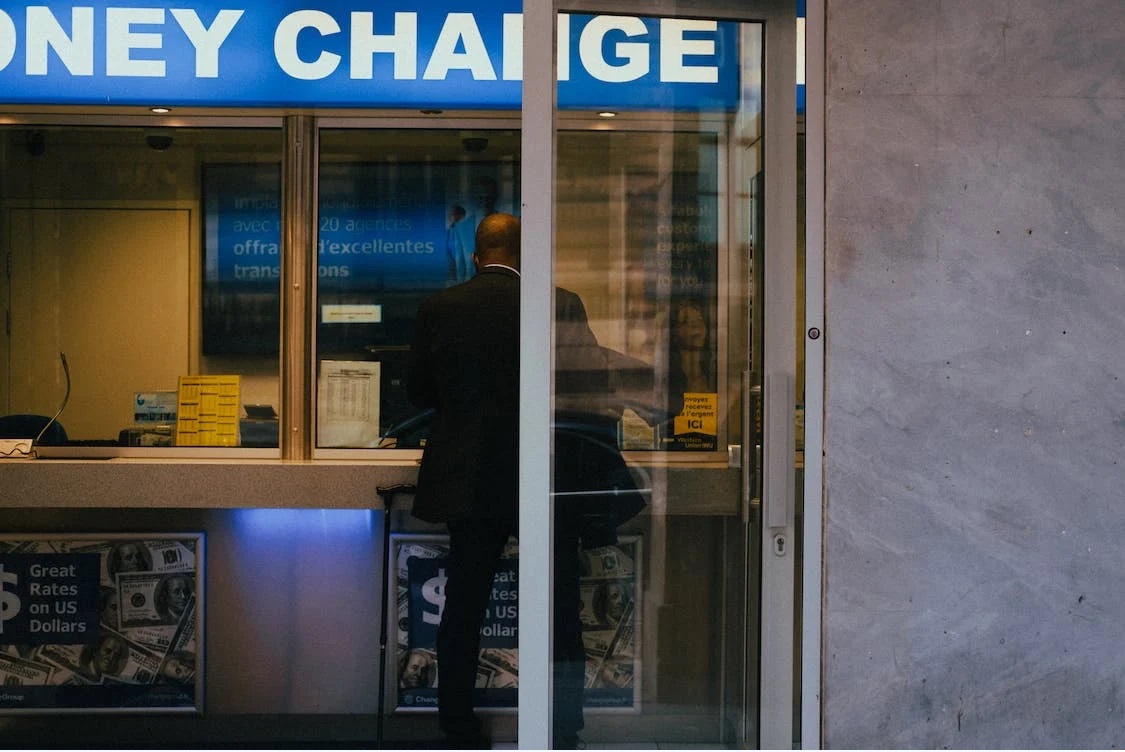
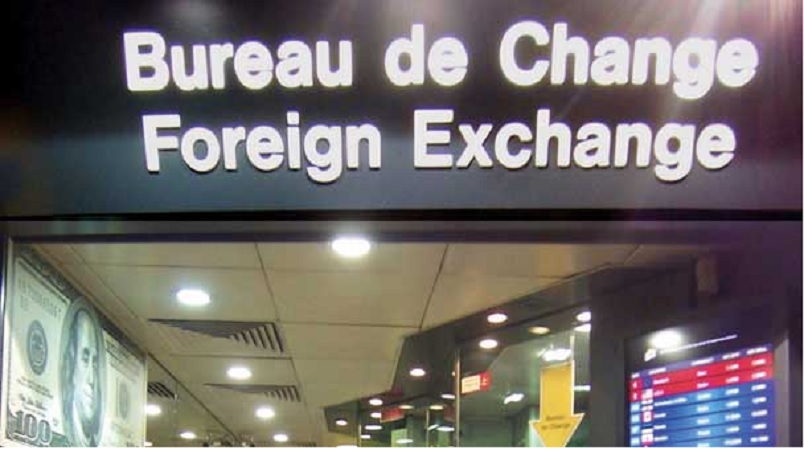
We discussed here that one of Nigeria’s weakest AML (anti-money laundering) points is Bureau de Change (BDC) which does not collect vital information as people exchange Naira and foreign currencies. That loophole should be a major vector of concern for Nigeria’s central bank. Yes, you cannot ask fintechs, Binance, etc to provide KYC/KYB data when BDCs roll free. Good People,  it seems the central bank has the memo:

“The Central Bank of Nigeria (CBN) has issued a directive requiring all Bureau de Change (BDC) operators in the country to reapply for new operational licenses by June 3, 2024. This move is part of a broader effort to restructure the foreign exchange (forex) market and strengthen the regulatory framework governing BDC operations. In addition to reapplying for licenses, BDC operators must now meet new capital requirements: N2 billion for Tier 1 operators and N500 million for Tier 2 operators.”

Get the message: by the time you seek that new license, the Central Bank of Nigeria will know those behind the BDCs. Yes, they want to open the veil. Yet, I do believe that they can just ask for information updates instead of asking BDCs to “reapply”, just for the sake of ease of doing business messaging in Nigeria.


Facebook Feed Comment

Comment 1: The CBN’s directive on BDC relicensing is definitely a step in the right direction. Here’s why I see value in both the CBN’s approach and the suggestion for an update process:

Strengths of the CBN’s approach:

COMPREHENSIVE REASSESSMENT: Reapplication forces a complete review of BDC operations. This can uncover previously hidden issues beyond just KYC compliance, potentially identifying bad actors who might have slipped through the cracks before.

STRONGER SIGNAL: The act of relicensing sends a clear message that the CBN is prioritizing AML efforts and won’t tolerate lax practices. This can deter future attempts to exploit BDCs for money laundering.

Addressing concerns and finding a middle ground:

UPDATE PROCESS FOR COMPLIANT BDCs: The CBN could consider a two-pronged approach. For compliant BDCs with a clean record, a streamlined KYC update process could be implemented alongside the relicensing for non-compliant operators.

FOCUS ON EFFICIENCY: Streamlining the application process with clear online forms and efficient turnaround times can minimize disruption for legitimate businesses.

SUPPORT PROGRAMS: The CBN could offer workshops and resources to help BDCs understand and comply with the new requirements.

Additionally:

TECHNOLOGY SOLUTIONS: Exploring digital solutions for KYC verification and information sharing with the CBN can further enhance efficiency and reduce administrative burden in the long run.

Overall, a combination of the CBN’s stricter approach for initial relicensing, coupled with a future system for easier KYC updates for compliant operators, could be a balanced solution. This would strengthen AML efforts while minimizing disruption for legitimate BDCs contributing to a healthy foreign exchange market in Nigeria.

Central Bank of Nigeria Directs Bureau de Change Operators to Reapply for Licenses, Sets New Capital Requirements

0

The Central Bank of Nigeria (CBN) has issued a directive requiring all Bureau de Change (BDC) operators in the country to reapply for new operational licenses by June 3, 2024. This move is part of a broader effort to restructure the foreign exchange (forex) market and strengthen the regulatory framework governing BDC operations. 

In addition to reapplying for licenses, BDC operators must now meet new capital requirements: N2 billion for Tier 1 operators and N500 million for Tier 2 operators.

The new requirements were detailed in a circular issued by Haruna Mustafa, the CBN Director of Financial Policy and Regulation Department. This circular outlined significant updates to the Regulatory and Supervisory Guidelines for BDC Operations, initially announced in February 2024. These changes aim to boost the BDC sub-sector’s role in the Nigerian foreign exchange market and ensure its alignment with international best practices.

Key Changes in the Guidelines

The revised guidelines introduce a tiered licensing system, offering operators the option to choose between different categories, each with specific capital and operational standards. This differentiation is intended to cater to varying scales of BDC operations and to ensure that entities are properly capitalized for their level of activity.

The guidelines have also revised the range of permissible activities for BDCs. These revisions aim to ensure that BDCs operate within the boundaries of their intended role in the forex market, thereby reducing the risk of malpractices and ensuring a more transparent and stable market environment.

In addition to the new capital requirements (N2 billion for Tier 1 and N500 million for Tier 2), the guidelines stipulate that BDCs must maintain adequate financial reserves to cover their operations. This measure is designed to enhance the financial stability of BDCs and ensure they can withstand economic fluctuations.

Corporate Governance Requirements

New corporate governance standards have been introduced to improve the management and oversight of BDCs. These standards require BDCs to implement robust internal controls and governance frameworks, thereby promoting accountability and transparency within the sector.

AML/CFT/CPF Provisions

The guidelines also include enhanced measures for Anti-Money Laundering (AML), Counter Financing of Terrorism (CFT), and Combating Proliferation Financing (CPF). These provisions are designed to ensure that BDCs comply with international standards and contribute to the integrity of the global financial system.

BDC operators must reapply for licenses under the new guidelines, choosing their desired tier or category. They must meet the specified minimum capital requirements within six months from the effective date of the guidelines. Applications for new licenses must include detailed information about the promoters, the proposed BDC’s name, and contact information for the promoters.

However, this reform is expected to have significant implications on the operations of BDCs which will include a reduction in the number of operators in the market, aimed at ensuring that only financially stable and serious entities remain. This could enhance the overall integrity and stability of the forex market.

Broader Economic Impact

This move by the CBN is part of a larger strategy to stabilize Nigeria’s foreign exchange market, which has been under pressure due to various economic challenges, including fluctuations in oil prices and inflation. Strengthening the BDC sector is seen as a crucial step in ensuring a more resilient and transparent forex market, which is essential for economic stability and growth.

While BDCs undoubtedly play a vital role in Nigeria’s forex market by providing a platform for small-scale forex transactions – helping to bridge the gap between the official and parallel markets, and ensuring that foreign exchange is accessible to a broader segment of the population, the sector has faced challenges, including allegations of financial malpractice, and currency speculation which have affected the naira, prompting the CBN to introduce stricter regulations.