DD
MM
YYYY

PAGES

DD
MM
YYYY

spot_img

PAGES

Home Blog Page 3303

Five Tips to Boost the Vibe of Your Living Space

0

You don’t have to spend loads of money to get a comfortable living space. All you need to do is make a few tweaks and changes here and there to transform the vibe and feel of your living space.

Without further ado, let us jump into the list of tips that can help with boosting the vibe and feel of your living space.

Establish a Fireplace

Is there anything cozier than a fireplace? We don’t believe so. So, you will want to create a focal point at home with a fireplace. You might be lucky enough to have one already. Just make sure everything is working fine by calling a technician over. Subsequently, you will want to enjoy the crackling of the fire as the glow will fill your living space.

Ge an Area Rug

Get one of the best rugs to make your living space instantly livelier. As a matter of fact, you will never want to underestimate the power of a warm and soft underfoot in the form of rugs. The living room and bedroom aren’t the only places where you will want to add a rug – you can add a runner-up to your kitchen.

A vintage rug can instantly add warmth to the space. Make sure to place one beside your bed so that your feet warm up the very instant you wake up in the morning. Another choice would be to place one underneath the dining table as a way to add dimension to the place.

Light Candles

When we say candles, we don’t just mean any candles but scented candles. There is something soothing about scented candles. Also, they make a living space instantly warmer. You have loads of options to place your candles, such as a shelf and the center of the table.

You can also place scented candles on the kitchen countertops and other places to establish an instant cozy atmosphere.

Opt for Ambient Lighting

Lighting plays a crucial role in establishing the vibe and feel of your house. As a matter of fact, you will want to be mindful of the lighting you choose in different areas. For instance, for your bedroom, you will want to let go of the ceiling lights and opt for wall sconces instead.

Also, you can make a big difference with ambient lighting. You will want to be mindful of floor lamps and table lamps, as these lamps can make a massive difference to the overall feel and vibe of the living space. Different lights can create different moods, which is why you will want to be mindful of the types of lighting that you want to use at home.

Add Personal Touches

When improving your living space, you cannot ignore the importance of adding personal touches. The smaller details can help create a cohesive living space that is not only unique but also welcoming.

If you have a fireplace, you can hang up your favorite pictures around the fireplace. In the kitchen, you can display mugs and plates of different patterns on open shelves. Also, nothing can go wrong with plants and flowers, as these have a calming impact on the mind.

For stylish and functional storage solutions, a quick search for “chest of drawers NZ” and “modern shelving units” can help you find the perfect pieces to keep your home organized and clutter-free.

Top 5 Virtual Dollar Cards for International Payments from Nigeria in 2024

0

In 2024, Nigerian users have access to various virtual dollar cards designed to facilitate international transactions. These cards are tailored for online purchases and subscriptions on platforms like PayPal, Netflix and Amazon, offering convenience and security.

Here are the top five virtual dollar cards available in Nigeria. 

1. Ultima Card by PSTNET

PSTNET is a financial platform that enables users to issue cards for various purposes, including media buying and online payments. The platform’s most popular dollar cards, known as Ultima, are suitable for services like PayPal, Steam, Spotify, Netflix, Patreon, Unity 3D, and app stores including Google Play, Apple App Store, Microsoft Store, PlayStation Store, and Epic Games Store. PSTNET cards are supported by Visa and Mastercard and can be used anywhere these payment systems are accepted. There are no limits on spending and top-ups.

The cards do not incur fees for transactions, withdrawals or operations involving declined or blocked payments.

An additional benefit of the Ultima cards is the 3D Secure technology, which ensures the security of financial transactions.

Key Features:

  • Multiple Top-Up Options: Users can fund their cards using cryptocurrencies like USDT TRC20, BTC (and over 15 other coins), SWIFT and SEPA bank transfers or any other Visa/Mastercard.
  • Simple Fund Withdrawal: Funds can be easily withdrawn in USDT without additional costs.
  • Quick Registration: To obtain a card, users can register on the platform in 1-2 minutes without data verification or document submission. Registration can be done using Google, Telegram, WhatsApp, or Apple accounts.
  • Functional Telegram Bot: A Telegram bot is available for receiving 3DS codes and notifications.

Users can choose a service plan that suits their needs, such as paying $7 per week or opting for an annual plan at $99, which currently includes a 48% discount.

PSTNET provides a versatile and secure financial platform for card issuance, catering to various online payment needs. Its wide range of top-up options, lack of transaction fees, and quick registration process make it a convenient choice for users worldwide.

   2. ALAT Cards by Wema Bank

Wema Bank has introduced the Virtual Card ALAT, a fully functional digital bank card. This prepaid VISA card offers users a choice of three levels: Classic, Gold, or Platinum, each catering to various needs and usage scenarios.
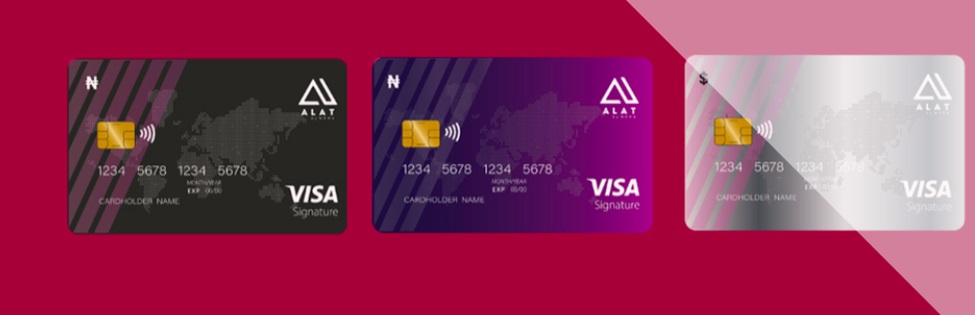
The ALAT Dollar Card is specifically designed for international transactions, making it ideal for online shopping and subscription services, including media buying on platforms like Facebook Ads and Google Ads. However, it is important to note that the card cannot be used at ATMs, POS terminals, or websites requiring 3D Secure authentication.

For those looking to use the card for international shopping, an additional activation step is required. This precaution is necessary to avoid potential issues with processing payments from Nigeria.

Key Features:

  • Top up Balance: Users can top up their ALAT cards through transfers from local banks such as UBA, Zenith, and GTBank. Additionally, cash deposits can be made physically at any Wema Bank branch.
  • Free Registration: Registration for the card is free of charge. Users will need to obtain a USSD code on their mobile phone and follow the provided instructions.
  • Transaction Limits: It’s important to be aware of the operational limits. For instance, the maximum amount per transaction is 1,000,000 NGN (approximately $860), and the maximum daily limit is 5,000,000 NGN (approximately $4,300).

This comprehensive digital banking solution by Wema Bank provides users with a versatile and accessible option for managing their finances both locally and internationally.

3. PayDay Cards

PayDay is a multifunctional financial platform offering virtual cards, physical debit cards and virtual wallets. Users’ funds are stored in the PayDay wallet account and can be accessed through their cards. These cards support payment systems like VISA, MasterCard and Verve International.
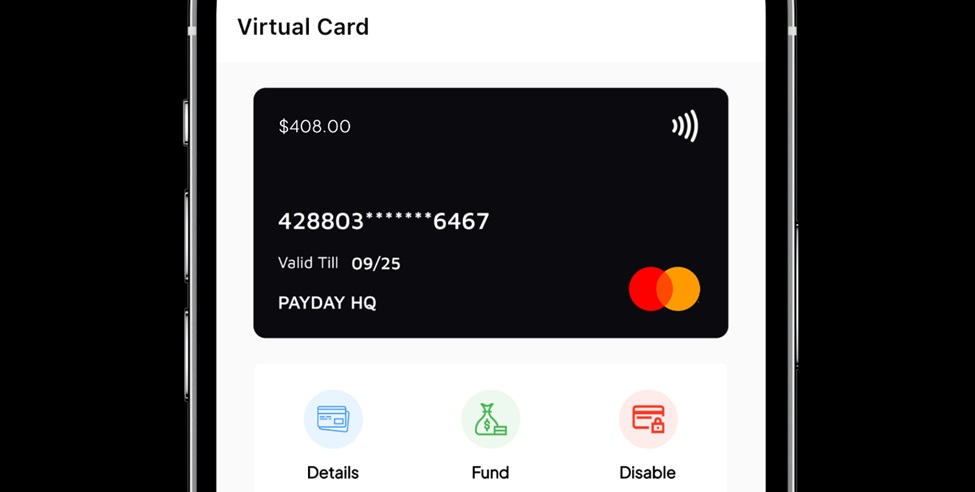
PayDay cards allow users to receive international transfers from any country (e.g., salary from a foreign employer), transfer money to individuals in Rwanda and Nigeria and shop on international online platforms such as Amazon, Netflix and Apple. Bill payment is also available through the service.

Key Features:

  • Top-Up Balance via PayDay Wallet: Users can top up their balance using their NGN account and convert the currency to USD in their personal account. Once converted, the funds can be credited to their dollar card.
  • The platform imposes a system of limits. For example, the limit for a single transfer is the equivalent of 1,000,000 NGN or 1,000,000 RWF per day, or $1,333 per day or per transfer. For VISA cards, the maximum spending limit is $3,000 per month, while for MasterCard, it is $10,000 per month.
  • Withdrawal Options: Funds can be withdrawn through the wallet to any local Nigerian bank or to a MOMO account in Rwanda.
  • Easy Registration: Users can download the PayDay app from the AppStore/PlayStore and complete the verification process. Verification in Nigeria requires a BVN and a selfie, while in Rwanda, it requires a national ID and a selfie.

PayDay provides users with a versatile and convenient solution for managing their finances across different regions and platforms.

4. Chipper Cards

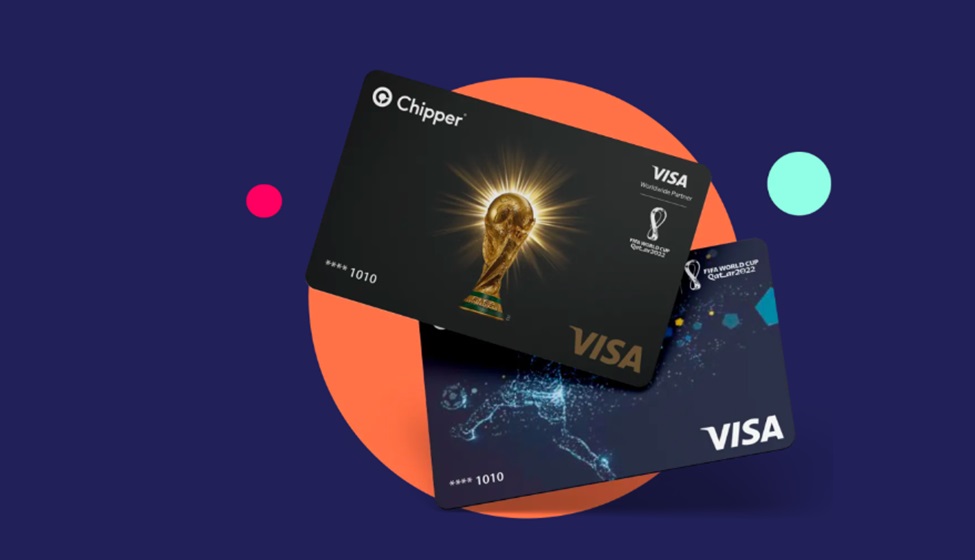
Chipper Cash is a financial service that offers cards tailored for various purposes. It includes a virtual dollar Chipper card supported by the VISA payment system, alongside local cards for Nigeria, Uganda, and Ghana, which are not suitable for international purchases.

With the Chipper USD card, users can send and receive money in Nigeria, Uganda, Rwanda, South Africa, the USA, and the UK. These cards are specifically designed for online shopping and can be used anywhere Visa is accepted. They are ideal for payments on services like Netflix, Apple, Spotify, Google, AliExpress and other popular platforms. However, it is recommended to check the vendor’s category on the website before making an international transaction to ensure compatibility. This also supports a blank invoice receipt template.
Key Features:

  • Top-Up Balance via Chipper Cash: Users can add funds to their card by selecting their NGN account in their personal account and topping up. The balance on the card will be in dollars.
  • Spending Limits: There are daily and monthly spending limits on the cards. Users can spend up to $1,000 per day and up to $4,000 per month.
  • Registration takes no more than two business days.

To obtain a card, users need to download the app and complete the verification process by providing the necessary documents. Verification includes submitting a BVN and a selfie (instructions on how to take a selfie are provided). Users must also confirm their address and phone number.

Chipper Cash offers a convenient and efficient financial solution for managing and transferring money across multiple countries and platforms, making it a valuable tool for international transactions and online shopping.

5. Barter Cards by Flutterwave

Flutterwave is a financial service provider, offers users the ability to create virtual Barter Cards for seamless online transactions from Nigeria. These cards, available as virtual Mastercard and VISA options, are designed for international purchases and subscriptions. They also facilitate global money transfers and allow users to receive funds from abroad. The cards can be customized for various payments, including popular services like Netflix, Spotify, and Apple Music. 

Key Features:

  • Easy Top-Up: Users can fund their Barter Cards through their local bank accounts or existing debit and credit cards, ensuring flexibility and convenience.
  • Spending Limits: The cards come with a spending cap of up to $1,000 per day and a maximum of $4,000 per month, providing users with substantial transactional freedom.
  • Easy Card Acquisition: To obtain a Barter Card, users need to download the Barter app, available on both Google Play Store and Apple App Store. The registration process involves creating an account and filling in personal details such as full name, date of birth, email address, and phone number. Verification requires the submission of a Bank Verification Number (BVN) and a selfie for identity confirmation. Once verified, users can create and activate their virtual dollar cards directly within the app. Note that there is a small fee for card issuance.

However, it is important to note that the Barter Card service is currently unavailable. Flutterwave has announced that the service will resume soon, and users can join the waitlist to be notified when it becomes available again.

Conclusion

As digital financial transactions continue to grow, virtual dollar cards have become essential tools for users in Nigeria looking to make international payments. The Ultima Card by PSTNET stands out with its flexibility, absence of transaction fees, and quick registration process. Alongside other offerings from platforms like ALAT by Wema Bank, PayDay, Chipper Cash, and Barter by Flutterwave, these cards provide secure and efficient solutions for online purchases and global money transfers. By evaluating key features such as top-up options, spending limits, and ease of registration, users can choose the card that best fits their financial needs and ensures seamless international transactions.

The Ultimate Guide to Painless Hair Removal at Home

0

Are you tired of constantly shaving or waxing to keep your skin smooth and hair-free? As someone who has tried nearly every hair removal method out there, I know the struggle all too well.

That’s why I’ve put together this ultimate guide to help you find the best, most painless ways to remove unwanted hair in the comfort of your own home.

Why Remove Body Hair?

Before we dive into the different hair removal methods, let’s talk about why you might want to remove body hair in the first place. For many people, it’s simply a personal preference.

Having smooth, hairless skin can make you feel more confident and comfortable in your own body.

There are also practical reasons to remove body hair. For athletes, especially swimmers and cyclists, removing body hair can help reduce drag and improve performance. And for people who live in hot climates, having less body hair can help keep you cooler and more comfortable.

Types of Hair Removal Methods

There are many different ways to remove unwanted hair, each with its own pros and cons. Here’s a quick overview of some of the most popular methods:

Method Pros Cons
Shaving Quick, inexpensive, easy to do at home Results only last a few days, can cause razor burn and ingrown hairs
Waxing Results last 3-4 weeks, can be done at home Can be painful, messy, requires some skill
Epilation Results last 3-4 weeks, can be done at home Can be painful, requires some skill
Laser hair removal Permanent hair reduction, can be done at home with the right device Expensive upfront cost, requires multiple treatments, not suitable for all skin tones

My Favorite Method: Sugar Waxing

Out of all the hair removal methods I’ve tried, my personal favorite is sugar waxing. Unlike traditional waxing, which uses hot wax and cloth strips, sugar waxing uses a simple mixture of sugar, lemon juice, and water. The mixture is heated until it forms a thick, sticky paste that can be applied directly to the skin.

To remove the hair, you simply let the sugar wax cool slightly, then flick it off in the opposite direction of hair growth. The hair comes out at the root, leaving your skin smooth and hair-free for weeks.

I love sugar waxing because it’s a natural, inexpensive way to remove hair at home. You can easily make your own sugar wax with ingredients you probably already have in your kitchen. Plus, it’s less painful than traditional waxing and doesn’t leave behind any sticky residue.

Tips for Painless Hair Removal

No matter which hair removal method you choose, there are a few things you can do to make the process as painless as possible:

  1. Exfoliate before hair removal to prevent ingrown hairs
  2. Apply a numbing cream 30 minutes before waxing or epilating
  3. Hold the skin taut while removing hair to minimize pain
  4. Moisturize after hair removal to soothe the skin

With these tips and the right hair removal method for you, you can enjoy smooth, hair-free skin without any pain or hassle. Give sugar waxing a try and see for yourself how easy and effective it can be!

FX Crisis: Nigerian students unable to pay tuition fees, expelled from UK school

0

Nigerian students at Teesside University have taken to protesting on campus after the institution expelled them and ordered their departure from the United Kingdom. 

The BBC reported that the university’s action stems from these students’ inability to pay tuition fees on time, a situation attributed to the severe devaluation of Nigeria’s currency, the naira, which has drastically affected their financial stability. On Tuesday morning, the students carried placards to voice their frustrations, accusing the university of taking a “heartless” approach to those who fell into arrears.

The root of the problem lies in Nigeria’s forex crisis, which has seen the naira’s value plummet. This devaluation wiped out the savings of many Nigerian students, making it difficult for them to meet their financial obligations. 

Teesside University responded by reporting these students to the Home Office, leading to their suspension from studies and the revocation of their visa sponsorships. The university defended its actions, stating that non-payment of fees constituted a breach of visa sponsorship requirements, which left them no choice but to alert immigration authorities.

According to the report, many affected students expressed feelings of despair and hopelessness, with some even considering suicide. Adenike Ibrahim, one of the students close to completing her studies, shared her distressing experience. After missing a single payment, she was expelled from her course and reported to the Home Office despite having paid 90% of her tuition fees. Despite settling her arrears, she was not re-enrolled and was instructed to leave the UK along with her young son.

“I did default [on payments], but I’d already paid 90% of my tuition fees and I went to all of my classes,” said Ibrahim. “I called them and asked to reach an agreement, but they do not care what happens to their students.” She described the experience as “horrendous,” noting that the uncertainty surrounding her qualification and the impact on her son was particularly heartbreaking. “It has been heartbreaking for my son especially, he has been in so much distress since I told him,” she added.

Other students echoed similar sentiments, highlighting the severe emotional and psychological toll the situation has taken on them. One master’s degree student, who chose to remain anonymous, said he had seriously considered suicide and was not eating or drinking after receiving a letter from the Home Office stating that his permission to enter the UK had been canceled due to his cessation of studies. 

The Role of Nigeria’s Forex Crisis

The Nigerian forex crisis has had a devastating impact on the students’ ability to finance their education. Before beginning their studies, students were required to provide evidence of sufficient funds to cover tuition fees and living expenses. However, the unexpected and severe devaluation of the naira significantly depleted these funds. This economic instability in Nigeria is part of a broader financial crisis affecting many Nigerians both at home and abroad. The crisis has led to skyrocketing inflation and a sharp increase in the cost of living, further compounding financial difficulties.

At home, Nigerians are facing increased prices for basic goods and services, making it harder for families to support students studying abroad. The cost of imported goods has surged, and businesses are struggling to maintain operations due to the higher costs of imported raw materials. 

The economic challenges have led to widespread financial strain, impacting everything from household budgets to the ability of businesses to sustain operations and employment. As of Wednesday, the naira traded at N1,851.761 against the British pound.

Impact of UK Immigration Law

Compounding the students’ difficulties is the newly introduced UK immigration law, which has tightened regulations around visa sponsorship. This law mandates that educational institutions must report any breaches of visa conditions, including non-payment of tuition fees. Teesside University stated it had “no choice” but to alert the Home Office when students fell into arrears, as failure to pay is considered a breach of visa sponsorship requirements.

university spokesperson said, “Teesside University is proud to be a global institution with a diverse student population but is also very aware of its obligations regarding visa issuance and compliance. These strict external regulations ensure that the university fully supports a robust immigration system and is outside of the university’s control.”

In response to the growing crisis, a group of 60 students petitioned the university for support. Despite some managing to pay off their outstanding fees, the university indicated it could no longer intervene in the Home Office process once students were reported

The university claimed to have made “every effort” to support the students, including offering individual meetings with specialist staff and bespoke payment plans. However, many students reported receiving little to no support from the university, leading to their academic and financial distress.

“I attended all of my classes and seminars, I’m a hell of an active student,” she said. “It is disheartening, I am now on antidepressants and being here alone, I have nobody to talk to. For over two months, I’ve barely eaten or slept, and I don’t understand why this is being meted out to us; we didn’t do anything wrong,” Esther Obigwe said about her experience trying to seek help from the university. She expressed her embarrassment and reluctance to inform her family about her predicament.

Brazil’s Path to Crypto Regulation

0

As the world increasingly embraces digital currencies, the need for comprehensive regulatory frameworks becomes paramount. Brazil, a nation with a burgeoning crypto market, is no exception. The Central Bank of Brazil has embarked on a multi-phase plan to establish a robust regulatory framework for cryptocurrencies and virtual asset service providers (VASPs) by the end of 2024.

The initiative follows Decree 11,563 of 2023, which grants the Central Bank authority to oversee VASPs while maintaining the roles of the Securities and Exchange Commission (CVM) and the Special Secretariat of the Federal Revenue of Brazil (RFB). This collaborative effort aims to enhance transparency, protect investors, and target inappropriate practices that harm consumers, such as scams and fraud.

The regulation of cryptocurrencies presents a complex puzzle for policymakers worldwide. The decentralized nature of digital currencies, the absence of a central authority, the difficulty in monitoring and enforcing regulations, and the global reach of the crypto market all contribute to the regulatory challenges.

One of the primary hurdles is the protection of consumers. Participants in crypto markets are vulnerable to risks such as theft, volatility, and misinformation. Despite these risks, only a fraction of countries has established rules to safeguard consumers. For instance, India and France require advertisers to disclose the risks associated with crypto-investing, while South Korea mandates crypto-asset service providers to obtain an information security certificate to reduce theft risks.

Another significant challenge is the need for global coordination. Cryptocurrencies operate on a global scale, making it imperative for regulations to transcend national boundaries. The International Organization of Securities Commissions has laid out recommendations for global rules on managing crypto and digital assets, emphasizing the need for a harmonized approach.

Furthermore, the rapid evolution of the crypto market often outpaces regulatory developments, leading to a lag in consumer protection rules. This gap necessitates a proactive and agile regulatory stance to keep up with the dynamic nature of cryptocurrencies.

The regulatory process in Brazil is set to evolve through phases, reflecting the growing understanding of regulators and international guidelines. Key steps for 2024 include developing a second public consultation on providers’ performance and authorization, establishing internal planning for stablecoin regulation, and improving the complementary framework for VASP activities. Additionally, the Central Bank will collaborate with other bodies to address specific virtual asset issues, particularly regulating stablecoins within payments and the foreign exchange market.

The Central Bank’s approach is not only methodical but also inclusive, involving public consultations to gather input from various stakeholders, including industry participants, experts, and the general public. The first consultation, held in late 2023, aimed to collect feedback on the proposed regulations and address aspects not covered by the 2022 law, such as the segregation of assets held by VASPs. The second public consultation, scheduled for the second half of 2024, will focus specifically on the regulatory texts, incorporating the input received during the initial consultation to establish a robust regulatory framework with broad support from society.

This phased approach to regulation is indicative of Brazil’s commitment to creating a secure environment for crypto transactions. By finalizing the regulatory proposals using insights from public consultations, the Central Bank ensures that the regulations benefit from public and market input, producing high-quality, well-informed standards.

The anticipated regulations are expected to focus on various aspects, such as anti-money laundering, combating terrorist financing, and monitoring suspicious activities. These measures are crucial for maintaining the stability of the National Financial System and fostering a climate of trust and security for investors and users alike.

As Brazil moves towards finalizing its crypto regulations by the end of 2024, the global crypto community watches with keen interest. The success of Brazil’s regulatory framework could serve as a model for other nations seeking to balance the promotion of innovation with the need for investor protection and market integrity. The journey ahead is complex, but the potential rewards for Brazil’s financial ecosystem and the broader crypto market are significant.