DD
MM
YYYY

PAGES

DD
MM
YYYY

spot_img

PAGES

Home Blog Page 3310

How Retail Trading Boosts Crypto Market Liquidity

0

In the dynamic world of cryptocurrency, liquidity is a vital aspect that reflects the health and efficiency of the market. Liquidity refers to the ease with which assets can be bought or sold in the market without causing a significant movement in the price. A liquid market is characterized by a stable environment where transactions can occur swiftly and at consistent prices. The role of retail trading in enhancing the liquidity of the crypto market is a topic of increasing relevance and interest.

The cryptocurrency market has witnessed a significant transformation with the influx of retail traders. These individual investors have played a pivotal role in enhancing market liquidity, which is crucial for the health and efficiency of financial markets. High liquidity levels indicate a robust market with a plethora of buyers and sellers, ensuring smooth transactions and stable prices.

Retail traders, often individuals who buy and sell cryptocurrencies through exchanges, contribute significantly to the market’s liquidity. Their collective trading activities ensure a continuous flow of transactions, which helps to stabilize prices and reduce volatility. Retail traders bring diversity to the market, as they have varied trading strategies, goals, and levels of risk tolerance. This diversity is beneficial because it creates a more resilient and robust market that can better absorb large trades without significant price fluctuations.

One of the keyways retail trading boosts market liquidities is through the sheer volume of transactions. As more individuals participate in trading, the number of buy and sell orders increases, creating a more active market. This activity attracts more participants, including institutional investors, who are often looking for a liquid market to execute large trades efficiently.

Retail traders’ active participation brings more orders to the market, which helps to fill the gap between bid and ask prices, thus reducing the spread. This reduction in spread not only benefits the retail traders by providing them with better pricing but also attracts institutional investors who seek efficient markets for their large-volume trades.

Moreover, retail traders often utilize online platforms and exchanges that offer incentives for liquidity provision, such as reduced trading fees or rewards for market-making activities. These incentives encourage continuous trading, further bolstering liquidity. Additionally, the diverse strategies and trading patterns of retail traders add to the market’s dynamism, making it more resilient to large trades that could otherwise cause price slippage.

Moreover, retail traders often act as contrarian forces in the market. When institutional investors or whales make large trades that could potentially move the market, retail traders can provide the necessary counterbalance. By taking the opposite side of these trades, they help to maintain equilibrium in the market and prevent extreme price swings.

Cryptocurrency exchanges have recognized the importance of retail traders and have implemented various strategies to attract and retain them. These strategies include user-friendly trading platforms, educational resources, and incentives such as lower transaction fees or rewards programs. By fostering a welcoming environment for retail traders, exchanges enhance the overall liquidity of the market.

Furthermore, the advent of decentralized finance (DeFi) platforms has provided retail traders with additional avenues to contribute to market liquidity. DeFi platforms often rely on liquidity pools, where users can deposit their assets to facilitate trading. Retail traders who participate in these pools earn transaction fees or other rewards, incentivizing them to provide liquidity to the market.

Retail trading plays a crucial role in bolstering the liquidity of the cryptocurrency market. The collective actions of individual traders create a more active and stable market, attracting further participation from various market players. As the crypto market continues to evolve, the contribution of retail traders to its liquidity will remain an essential factor in its growth and maturity.

Judges, Police, Emerge Top Receivers As Nigerians Paid $1.26bn in Bribes in 2023

0

A newly released report by the National Bureau of Statistics, in collaboration with the United Nations Office on Drugs and Crime, has revealed staggering figures of corruption within the country.

The report indicates that an estimated N721 billion, equivalent to $1.26 billion, was paid in bribes to public officials in 2023.

The comprehensive study, titled “Corruption in Nigeria: Patterns and Trends,” provides a detailed breakdown of the prevalence and scope of bribery, noting that the average cash bribe increased to N8,284, up from N5,754 in 2019.

Judges topped the list, receiving an average bribe of N31,000, followed by customs and immigration services at N17,800, and members of the armed forces at N16,600. The police, notorious for their involvement in corrupt practices, were found to demand bribes from 9% of individuals who had contact with them.

“The largest share of Nigerian citizens had contact with health care professionals and public utilities officers, at 30 percent and 24 percent respectively. Police officers came third, with a contact rate of 20 percent,” the report said.

This revelation has far-reaching implications for Nigeria’s economy. High levels of corruption undermine investor confidence, who see the business environment as unpredictable and risky. Anti-graft campaigners note that potential investors, particularly those from foreign countries, will likely be deterred by the pervasive culture of bribery and the lack of transparency in government dealings.

The report also highlights that 46% of public officials offered bribes to secure employment, a figure which has increased by 1.5 times since 2019. Moreover, six out of ten successful candidates in the public sector admitted to using nepotism, bribery, or both to secure their positions.

“In 2023, around 56 percent of Nigerians had at least one contact with a public official in the 12 months prior to the survey,” the report said. “This represents a reduction in the contact rate since 2019 (63 per cent), which was observed across most types of public officials and across zones.”

This nepotistic culture, analysts note, worsens the problem as it leads to the appointment of unqualified individuals, reducing the overall efficiency and effectiveness of public institutions.

The findings also note the disparity in corruption levels between urban and rural areas, with urban residents having higher contact rates with public officials (61%) compared to their rural counterparts (52%). The most frequent interactions were with healthcare professionals and public utility officers, further highlighting the widespread nature of corruption across different sectors.

According to the findings, 4% of those who interacted with nurses and doctors were asked for bribes, 3% of individuals dealing with teachers or lecturers, and 6% of those in contact with public utility officials faced similar demands.

Additionally, 4% of those interacting with Federal Road Safety Corps officials and 2% of those dealing with vehicle inspection officials reported being asked for bribes. The report also noted that highly educated individuals are more likely to pay bribes compared to those with no formal education.

This report comes at a critical time when Nigeria seeks to position itself as a favorable destination for FDI. However, concerned citizens have lamented that the high levels of corruption pose a significant barrier, as investors prioritize stable and transparent environments for their investments. It is believed that the country’s international reputation for corruption leads to increased scrutiny and hesitation from foreign investors, ultimately impacting economic growth and development.

To counter these negative effects, the Nigerian government has been advised to intensify its anti-corruption efforts. Strengthening institutional frameworks, ensuring the enforcement of anti-corruption laws, and promoting transparency and accountability in public service are crucial steps in rebuilding investor confidence.

Without such measures, economic experts have warned, the financial prospects of attracting substantial FDI will remain bleak, further stalling Nigeria’s path to sustainable development.

Taiwan Tests CBDC Prototype via Digital Voucher

0

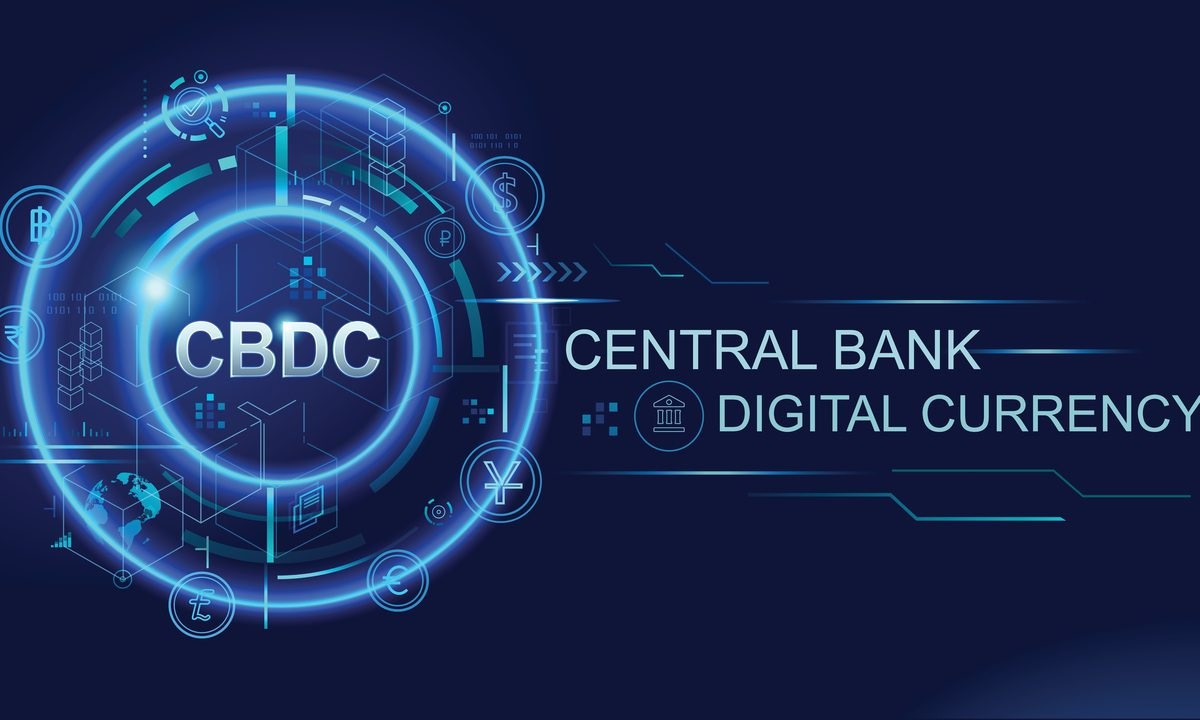
Taiwan is making significant strides in the realm of digital currency with its upcoming Central Bank Digital Currency (CBDC) prototype test. This initiative will utilize a digital voucher system, which is expected to be operational by the end of 2024 or early 2025.

The digital voucher system, developed by Taiwan’s Ministry of Digital Affairs, will serve as a platform for distributing digital vouchers, which can be spent and managed through the central bank’s infrastructure. This separation of roles ensures a clear division of responsibilities within the digital ecosystem. The CBDC prototype itself will not use blockchain or smart contracts but aims to enhance the existing digital voucher program.

This move aligns with Taiwan’s broader efforts to regulate and innovate within the cryptocurrency space. The Financial Supervisory Commission (FSC) is also working on a comprehensive regulatory framework for crypto assets, which includes proposals for new laws and amendments to existing anti-money laundering regulations.

Taiwan has shown significant interest in becoming a hub for blockchain development, but the journey has been complex. The government has expressed strong support for the industry, with initiatives aimed at fostering a blockchain-friendly environment. For instance, the Vice President and Taipei’s Mayor have both pledged to promote blockchain technology, highlighting its potential to enhance transparency and security.

Despite these efforts, Taiwan faces challenges in becoming a leading blockchain hub. Regulatory hurdles and the need for a more supportive legal framework have been significant obstacles. Many blockchain startups find it difficult to incorporate locally, often seeking more favorable conditions elsewhere.

However, there are positive signs. Taiwan’s blockchain startups have gained international recognition, particularly in areas like decentralized finance (DeFi) and non-fungible tokens (NFTs). The government’s commitment to improving financial regulations and user verification processes also indicates a move towards a more robust blockchain ecosystem.

Taiwan has seen several successful blockchain projects that have gained international recognition. Mithril: This decentralized social media platform rewards users with cryptocurrency for creating and sharing content. It aims to integrate blockchain technology into social media, providing a more transparent and rewarding experience.

Bitmark: Bitmark focuses on digital asset registration, allowing users to claim ownership of digital properties. This project has been instrumental in promoting the concept of digital property rights.

OwlTing: OwlTing leverages blockchain for hotel management and food traceability. By using blockchain, OwlTing ensures transparency and trust in the supply chain, which is crucial for industries like hospitality and food.

XY Finance: This project aims to provide cross-chain solutions for decentralized finance (DeFi), enabling seamless transactions across different blockchain networks.

NAOS Finance: NAOS Finance is focused on decentralized lending and borrowing, providing financial services that are accessible to a broader audience.

These projects highlight Taiwan’s innovative approach to blockchain technology, extending its applications beyond cryptocurrencies to various industries. The success of these initiatives demonstrates Taiwan’s potential to become a significant player in the global blockchain ecosystem.

While Taiwan has the potential to become a significant player in the blockchain industry, it will require continued effort and regulatory adjustments to fully realize this vision. The future looks promising, but it will depend on how effectively these challenges are addressed.

Overall, Taiwan’s approach to testing its CBDC through a digital voucher system represents a strategic and cautious step towards integrating digital currency into its financial system. This could potentially transform the island nation’s financial landscape and pave the way for broader adoption of digital currencies in the future.

BlockDAG’s Explosive $57.6M Presale Surge Shakes Up Crypto Scene in 2024; Spotlight on Polygon dApp Volume & Solana’s Rebound

0

While recent shifts show volatility, Polygon dApp volume remains a crucial indicator of market tendencies that might suggest upcoming trends. Concurrently, Solana-based tokens exhibit a recovery, reflecting positive changes that could influence their long-term potential.

Amid these fluctuations, BlockDAG stands out with a remarkable $57.6 million presale surge. This upswing, fueled by unmatched commitment and transparency from the team, positions BlockDAG as the standout crypto gem of 2024, drawing attention and excitement from investors.

Evaluating Recent Shifts in Polygon dApp Volume

The price of MATIC has recently dropped to $0.5524, marking a 1.08% decline within 24 hours. This downturn continues from June 7th, characterized by a pattern of decreasing highs and lows—a sign of persistent bearish pressure. Despite this, Polygon dApp volume remains a vital metric.

However, the Chaikin Money Flow (CMF) for MATIC reveals a different trend, with a notable rise. An increase in Polygon dApp volume could signify underlying strengths that may influence future price movements. Should MATIC cross the $0.5961 resistance level, it could aim for a new high near $0.7413, with dApp volume playing an essential role in this potential rally.

Stability and Advancement in Solana-based Tokens

Solana has recently made a strong comeback, increasing its value by 6.21% in the past 24 hours. This renewed momentum is also reflected in Solana-based tokens, which have seen significant valuation boosts over the last few days.

As more investors turn their attention to Solana-based tokens, discussions about their long-term potential intensify. Although recent trends indicate a positive direction, it’s essential to keep a close watch on these developments. The performance of Solana-based tokens in the upcoming months will be key in assessing their stability and long-term prospects.

BlockDAG’s $57.6M Presale Surge: A Magnet for 2024 Investors

BlockDAG has rapidly become a powerhouse in the crypto market, with a presale that has soared to $57.6 million. This explosive growth is the result of deliberate development and strategic launches. Every step has significantly crafted BlockDAG’s trajectory, making it a top pick for 2024 and a beacon for astute investors seeking substantial opportunities.

The leap from an initial price of $0.001 to $0.014 in the 19th batch highlights a skyrocketing confidence among investors. BlockDAG’s dedication to openness, demonstrated through regular development updates and dashboard enhancements, further boosts this trust.

Investor excitement is tangible as BlockDAG consistently demonstrates its value beyond mere numbers. By setting aside 1% of the coin supply for its dedicated team, BlockDAG ensures commitment and alignment with the project’s success, enhancing trust and investor engagement.

BlockDAG is celebrated for its innovative technology and steadfast commitment to integrity and transparency in the blockchain arena. As it continues to pioneer, both seasoned and new investors watch eagerly, ready to participate in this transformative journey. With such a bright future, BlockDAG isn’t just another crypto project; it’s a foundational asset for those exploring potential in the crypto market.

Invest Now in BlockDAG, the Premier Crypto Gem of 2024

As the dynamics shift with Polygon dApp volume and Solana’s tokens indicating market rebounds, BlockDAG distinctly stands out. With an impressive $57.6 million raised in its presale, its pledge to transparency and innovation sets it apart from competitors. For investors seeking impressive returns, BlockDAG’s current presale stage offers a prime opportunity to join a groundbreaking venture. Invest today in what could be the top crypto gem of 2024.

Join BlockDAG Presale Now:

Website: https://blockdag.network

Presale: https://purchase.blockdag.network

Telegram: https://t.me/blockDAGnetworkOfficial

Discord: https://discord.gg/Q7BxghMVyu

Crypto Wealth Vision: Experts Foresee BlockDAG Reaching $30 by 2030; SHIB’s Rally & PEPE’s Surge

0

The digital currency landscape is thriving with cutting-edge opportunities, starring Shiba Inu, PEPE, and BlockDAG. Amid market ups and downs, Shiba Inu is gearing up for a comeback, while PEPE coin is climbing sharply. BlockDAG sets itself apart with robust security features, top-tier peer-to-peer transaction capabilities, and a remarkable $57.6 million in presale earnings. Predictions from industry insiders suggest that BlockDAG’s technical advancements could drive its value to a notable $30 by 2030, marking it as a leader in decentralized cryptocurrencies.

SHIB Price Forecast: Anticipated Recovery Ahead

Shiba Inu (SHIB) is on the brink of a potential price recovery as recent downturns create ripe opportunities for investors. The Market Value to Realized Value (MVRV) ratio is in a zone that suggests a good time for accumulation, reigniting investor interest. This could send SHIB’s price back to a consolidation phase, setting the stage for upcoming gains. Continued buying pressure might even push SHIB beyond its recent price boundaries, shaping a positive future for its price path.

PEPE’s Bullish Price Outlook

Pepe Coin is making waves with a significant uptick, following a $300 million infusion at a crucial support point. Trading at $0.0000113, Pepe Coin’s price outlook is buoyed by favorable technical signs that indicate it is currently oversold.

This bullish forecast for PEPE suggests a rising trend could be underway, sparking investor enthusiasm for its future. With a robust market cap of $4.7 billion, PEPE’s price prospects look promising, likely leading to notable gains as the market finds its footing.

BlockDAG’s Advanced Security & Soaring Price Predictions Fuel Presale

BlockDAG’s impressive technological progress and a hefty $57.6 million presale haul have led experts to project its value could hit $30 by 2030. This estimate implies that an initial $600 investment could potentially turn into millions in the coming years. Presently, in its 19th batch, BDAG coins are valued at $0.014 each, reflecting a 1300% jump from their debut price. This growth narrative underscores BlockDAG’s potential in the dynamic crypto market as a top decentralized option.

The BDAG coin is integral to the BlockDAG ecosystem, vital for facilitating operations and enhancing network interactions. As the backbone of the system, BDAG supports users, validators, and decentralized app developers, fostering a vibrant digital economy.

It enables direct peer-to-peer transactions, allowing seamless transfers between users’ wallets on the BlockDAG network without any intermediaries. This feature ensures that transactions are both decentralized and efficient, promoting swift and secure value exchanges within the BlockDAG community.

According to the DAGpaper, BlockDAG’s security is significantly strengthened by the GHOSTDAG algorithm, which not only enhances security but also optimizes transaction sequencing. By favoring “heavier” chains with more references from previously validated blocks, it thwarts potential disruptions by malicious entities.

This protocol leverages the most trusted parts of the DAG, cultivating a robust chain that increasingly dominates over time. Malicious attempts like creating orphan branches or double-spending are unlikely to succeed against the collective computational power of the honest nodes, thus ensuring the integrity and resilience of the main, legitimate chain.

Final Thoughts

As Shiba Inu prepares for a price revival, supported by encouraging MVRV ratios indicating an ideal buying moment, Pepe Coin shines after securing significant financial backing. Meanwhile, BlockDAG continues to excel with its strong security features, efficient P2P transactions, and a notable $57.6 million presale, all setting BlockDAG on a path to potentially reach a $30 valuation by 2030, poised to significantly shape the fortunes of investors.


Join BlockDAG Presale Now:

Website: https://blockdag.network

Presale: https://purchase.blockdag.network

Telegram: https://t.me/blockDAGnetworkOfficial

Discord: https://discord.gg/Q7BxghMVyu