DD
MM
YYYY

PAGES

DD
MM
YYYY

spot_img

PAGES

Home Blog Page 3311

Africa needs revolution in Education

0

The continent of Africa is home to more than a billion people, with diverse cultures, languages, and histories. Yet, despite its rich potential, Africa faces many challenges in the field of education. According to UNESCO, more than 250 million children and youth in Africa are out of school or at risk of dropping out.

Many of those who do attend school receive poor quality education that does not prepare them for the demands of the 21st century. The COVID-19 pandemic has only exacerbated the situation, disrupting learning for millions of students and threatening to reverse the gains made in recent years.

Africa needs a revolution in education, one that can transform the lives of its people and unleash their full potential. A revolution that can provide access to quality, relevant, and inclusive education for all, regardless of their background, gender, or location.

A revolution that can foster innovation, creativity, and entrepreneurship, and equip learners with the skills and competencies they need to thrive in a rapidly changing world. A revolution that can promote peace, democracy, and human rights, and contribute to the sustainable development of the continent.

How can we achieve this revolution? There is no single answer or solution, but rather a need for collective action and collaboration among all stakeholders: governments, civil society, private sector, academia, media, and most importantly, the learners themselves. We need to rethink the goals, content, methods, and assessment of education in Africa, and align them with the aspirations and realities of the continent.

We need to invest more resources and leverage technology to expand access and improve quality of education in Africa. We need to support teachers and educators as the key agents of change and empower them with the tools and skills they need to deliver effective learning outcomes.

We need to foster a culture of lifelong learning that values curiosity, critical thinking, and problem-solving. We need to celebrate diversity and promote intercultural dialogue and understanding among learners from different backgrounds and contexts.

The revolution in education in Africa is not only possible, but necessary. It is a matter of urgency and priority for the future of the continent and its people. It is a vision that we can all share and work towards. Together, we can make it happen.

Education is a fundamental human right and a key driver of social and economic development. However, in many parts of Africa, access to quality education is still limited by factors such as poverty, conflict, gender inequality, and lack of infrastructure.

The pandemic has also exposed the fragility and inefficiency of the traditional education system, which relies heavily on rote learning, standardized testing, and teacher-centered instruction. These methods are not conducive to fostering creativity, critical thinking, collaboration, and problem-solving skills that are essential for the future of work and society.

Therefore, there is an urgent need for a revolution in education in Africa, one that leverages the power of technology, innovation, and local context to create more inclusive, relevant, and effective learning experiences for all learners. This revolution should be guided by a vision of education that is not only about acquiring knowledge and skills, but also about developing values, attitudes, and behaviors that promote peace, democracy, human rights, and sustainable development.

Some examples of initiatives that are already leading this revolution are:

The African Virtual University (AVU), which provides online courses and degrees to students across Africa, using open educational resources and interactive platforms.

The M-Pesa Foundation Academy, which offers a holistic and personalized education to talented but disadvantaged students in Kenya, using a blended learning model that combines digital tools and project-based learning.

The African Leadership Academy (ALA), which prepares young leaders from across Africa to solve the continent’s most pressing challenges, using a curriculum that emphasizes entrepreneurship, leadership, and African studies.

The Bridge International Academies, which operates low-cost private schools in Kenya, Uganda, Nigeria, Liberia, and India, using a data-driven and standardized approach that ensures quality and accountability.

These initiatives show that the revolution in education in Africa is not only possible, but necessary. It is possible because there are many actors who are committed to making it happen, from governments and donors to civil society and private sector.

It is necessary because it is the only way to ensure that every child and youth in Africa has the opportunity to fulfill their potential and contribute to the development of their communities and countries.

Crypto Traders See 20% Chance of Bitcoin Topping $70K

0

Bitcoin has been on a roller coaster ride in the past few months, reaching an all-time high of $52,632 on Feb. 16, then plunging to $51,343 on Feb. 18. The volatility has been driven by a mix of factors, including institutional adoption, regulatory uncertainty, network congestion, and speculative trading.

But what does the future hold for the leading cryptocurrency? According to some crypto traders, there is a 20% chance that bitcoin will surpass $70,000 by the end of April, based on the analysis of options contracts.

Options are derivatives that give the buyer the right, but not the obligation, to buy or sell an underlying asset at a specified price and time. By looking at the prices and volumes of different options contracts, traders can gauge the market sentiment and expectations about the future price movements of the underlying asset.

One way to measure the probability of a certain price level being reached is by using the delta of an option contract. Delta is a number between 0 and 1 that represents how much the option price changes in response to a change in the underlying price. For example, a delta of 0.5 means that for every $1 increase in the underlying price, the option price increases by $0.5.

A delta of 0.2 means that for every $1 increase in the underlying price, the option price increases by $0.2. This also implies that there is a 20% chance that the option will expire in the money, meaning that the underlying price will be higher than the strike price at expiration. Conversely, a delta of -0.2 means that there is a 20% chance that the option will expire out of the money, meaning that the underlying price will be lower than the strike price at expiration.

By looking at the delta of bitcoin options contracts with different strike prices and expiration dates, traders can estimate the probability of bitcoin reaching a certain price level by a certain time. For example, according to data from Skew, an analytics platform for crypto derivatives, as of March 10, the delta of a bitcoin call option with a strike price of $70,000 and an expiration date of April 30 was 0.2. This means that there is a 20% chance that bitcoin will be above $70,000 by April 30.

Of course, this is not a definitive prediction, but rather an indication of how the market is pricing in different scenarios. The actual outcome will depend on many factors that are hard to anticipate or quantify, such as supply and demand dynamics, macroeconomic events, technological innovations, and regulatory developments.

However, some traders may use this information to hedge their positions, speculate on future price movements, or create more complex strategies using combinations of different options contracts. For example, a trader who is bullish on bitcoin may buy a call option with a high strike price and a low delta, hoping to profit from a large upside move. A trader who is bearish on bitcoin may sell a call option with a low strike price and a high delta, hoping to profit from a small downside move or no move at all.

Options are one of the many tools that crypto traders can use to express their views and manage their risks in this volatile and unpredictable market. As the crypto space matures and attracts more participants, the options market is likely to grow and become more liquid and efficient, providing more opportunities and challenges for traders.

Vodafone inks deal with RWE for offshore wind energy in Germany

0

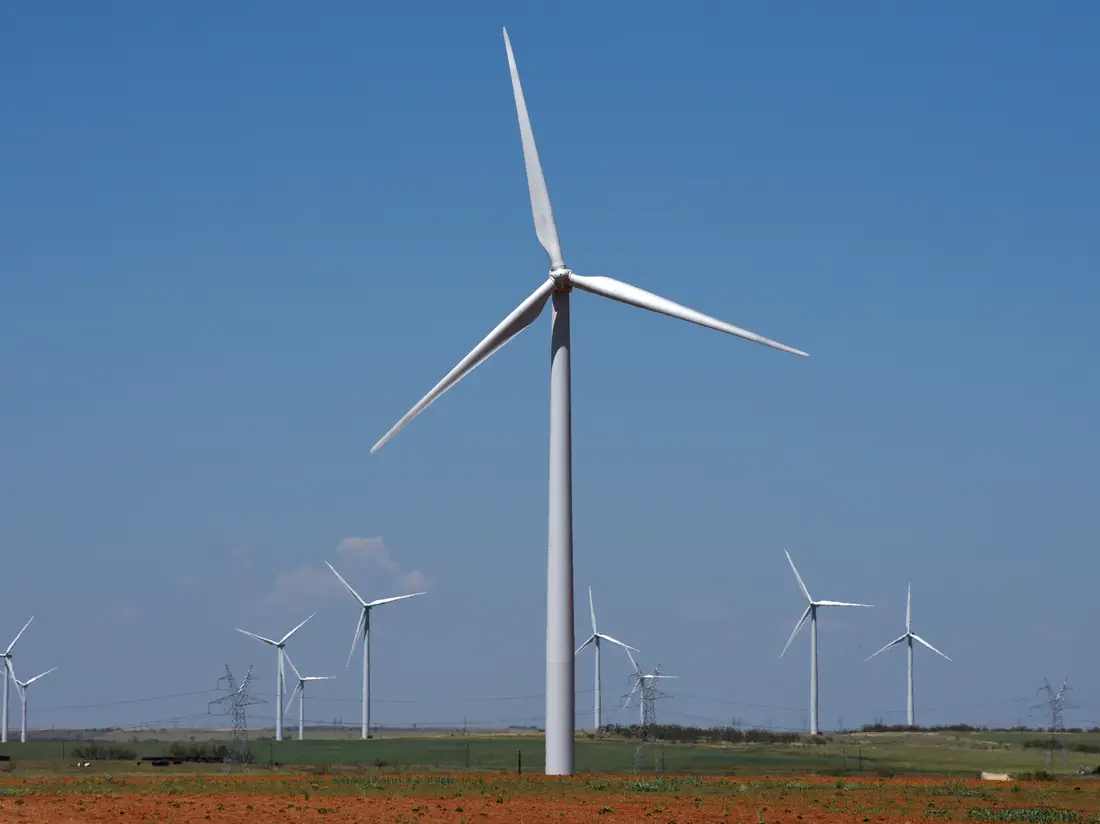
Vodafone, one of the world’s leading telecommunications companies, has announced a partnership with RWE, Germany’s largest power producer, to purchase renewable electricity from RWE’s offshore wind farms in the North Sea.

The deal, which was signed on February 15, 2024, will enable Vodafone to source 100% of its electricity needs in Germany from RWE’s offshore wind portfolio, which includes the Amrumbank West, Nordsee Ost and Triton Knoll projects. The agreement covers a period of 10 years and is expected to reduce Vodafone’s carbon emissions in Germany by more than 500,000 tonnes per year.

Vodafone’s CEO Nick Read said: “This is a landmark deal for Vodafone and RWE, as well as for the energy transition in Germany. We are proud to support RWE’s ambitious plans to expand its offshore wind capacity and to contribute to the decarbonization of the German economy. As a purpose-led company, we are committed to achieving net zero emissions across our entire operations and value chain by 2040.”

RWE’s CEO Markus Krebber said: “We are delighted to partner with Vodafone, a global leader in digital innovation and sustainability. This deal demonstrates the attractiveness of our offshore wind assets and our ability to offer tailor-made solutions for our customers. We are looking forward to working with Vodafone to deliver clean, reliable and affordable electricity for their operations in Germany.”

The deal is part of Vodafone’s global strategy to switch to 100% renewable electricity by July 2021 and to become a net zero carbon company by 2040. Vodafone is also a founding member of the RE100 initiative, a global coalition of businesses committed to using 100% renewable electricity.

RWE is one of the world’s leading renewable energy companies, with a portfolio of more than 9 gigawatts of installed capacity and a pipeline of more than 18 gigawatts. RWE is also the second-largest operator of offshore wind farms in the world, with a total capacity of 2.5 gigawatts and another 1.4 gigawatts under construction.

Russia has become the world’s second-largest Bitcoin??? and cryptocurrency mining country.

Russia has become the world’s second-largest Bitcoin??? and cryptocurrency mining country, according to a new report by Cambridge University. The report, which tracks the global distribution of Bitcoin mining power, shows that Russia accounts for 20.5% of the total hash rate, behind China’s 65.1% and ahead of the US’s 7.2%.

Bitcoin mining is the process of validating transactions and creating new coins on the Bitcoin network. It requires specialized hardware and a lot of electricity. The hash rate is a measure of how much computing power is being used to mine Bitcoin at any given time. The higher the hash rate, the more secure and profitable the network is.

Russia’s rise in Bitcoin mining is driven by several factors, including its abundant and cheap energy resources, its favorable climate for cooling mining equipment, its supportive regulatory environment, and its growing demand for digital assets.

Russia has some of the lowest electricity prices in the world, averaging around $0.04 per kilowatt-hour (kWh), compared to $0.13 in China and $0.14 in the US. This gives Russian miners a significant cost advantage over their competitors. Moreover, Russia has a surplus of electricity generation capacity, especially in regions with hydroelectric and nuclear power plants, which can be used to power mining farms.

Russia also has a large territory with diverse climatic zones, ranging from the Arctic to the subtropical. This allows miners to choose locations that offer optimal temperatures for cooling their machines, reducing the need for additional cooling systems and saving on energy costs.

For instance, some miners have set up their operations in Siberia, where the average annual temperature is below zero degrees Celsius.

Another factor that contributes to Russia’s Bitcoin mining boom is its relatively friendly legal framework for cryptocurrencies. Unlike some countries that have banned or restricted crypto activities, Russia has adopted a more pragmatic approach, recognizing cryptocurrencies as property and allowing their use for payments and investments.

The Russian government has also expressed interest in developing its own digital currency, the digital ruble, which could coexist with other cryptocurrencies.

Finally, Russia has a growing appetite for digital assets, both among individuals and institutions. According to a recent survey by Finder.com, 9% of Russians own some form of cryptocurrency, compared to 6% in China and 4% in the US.

Moreover, some Russian companies have started to diversify their reserves with Bitcoin, following the example of MicroStrategy and Tesla. For instance, OOO Digital Assets, a subsidiary of Gazprombank Switzerland, announced in December 2020 that it had purchased $40 million worth of Bitcoin for its clients.

Russia has emerged as a major player in the global Bitcoin mining industry, thanks to its favorable conditions and growing demand for cryptocurrencies. As Bitcoin becomes more mainstream and valuable, Russia is likely to continue to increase its share of the mining market and challenge China’s dominance.

EU Announces €37m Investment in Nigerian Power Sector Amid Doubts of Impact

0

The European Union (EU) has declared its intention to inject €37 million into the Nigerian power sector, aiming to address the longstanding issue of inadequate electricity supply in the country.

The disclosure was made by Bolaji Tunji, the special adviser on strategic communication and media relations to the Minister of Power, Adebayo Adelabu, in a statement released on Friday.

Nigeria, despite possessing an installed capacity of 13,000 megawatts (MW) following the privatization of its power sector eight years ago, continues to grapple with abysmally low power generation, hovering around 4,000MW. This predicament has been attributed to a myriad of factors, including the underutilization of power plants and systemic inefficiencies.

Mr. Tunji highlighted that the EU’s investment adds to the approximately €200 million previously injected into the sector since 2008. The announcement came following a meeting between the EU Ambassador to Nigeria, Samuela Isopi, and Minister Adelabu, during which various intervention programs were discussed.

These programs encompass initiatives such as small hydropower projects, solar installations for healthcare facilities, rural electrification through mini-grid systems, and projects aimed at promoting a circular economy within the power sector.

Ms. Isopi’s invitation for the minister to participate in the launch of EU-funded projects in collaboration with the United Nations Industrial Development Organization (UNIDO) further underscored the EU’s commitment to bolstering Nigeria’s power infrastructure.

In response, Minister Adelabu expressed gratitude for the EU’s support while acknowledging the substantial challenges still confronting the sector. He identified liquidity issues and the absence of a cost-reflective tariff as primary hurdles impeding the sector’s progress, emphasizing the need for sustained collaboration and additional support.

Nigeria’s chronic power deficit has been a longstanding impediment to economic growth and development, costing businesses an estimated $29 billion annually, according to the World Bank. Furthermore, the Energy Progress Report 2022 revealed that a staggering 92 million Nigerians, nearly half of the population, lack access to electricity, reflecting the severity of the crisis.

Despite the EU’s substantial financial commitment, skepticism looms over the potential impact of the investment. Nigerians, disillusioned by decades of unfulfilled promises and squandered funds in the power sector, question whether this latest injection of capital will yield tangible improvements. Over the past eight years, Nigeria has allocated over 1.7 trillion naira to the power sector without achieving the desired outcome of a stable electricity supply.

Moreover, recent attempts by the Nigerian government to attribute the country’s power woes to gas supply shortages have been met with skepticism, as citizens remain unconvinced by successive administrations’ explanations for the persistent electricity crisis.

While the EU’s pledge to invest in Nigeria’s power sector represents a significant step towards addressing the nation’s energy deficit, doubts persist regarding the efficacy of such initiatives in light of Nigeria’s tumultuous history of power sector mismanagement and inefficiency.

Although a significant section of the country hopes for tangible results soon, stakeholders have emphasized how the imperative for transparent governance, accountability, and effective implementation of projects remains paramount to realizing the transformative potential of foreign investments in Nigeria’s power infrastructure.

German government agrees to join EU military mission to Red Sea

0

The German government has decided to participate in the EU military mission in the Red Sea. This was announced by German Chancellor Angela Merkel on Monday. The mission is intended to ensure the safety of shipping in the region and defuse tensions between Ethiopia and Egypt over the Nile Dam.

The EU military mission in the Red Sea was decided by EU foreign ministers in December 2023. It is said to consist of about 3000 soldiers, several warships and aircraft. The mission will work closely with the United Nations, the African Union and regional actors.

Germany’s participation in the mission is a sign of solidarity with EU partners and responsibility for international security, said Angela Merkel. She emphasized that the mission is not a combat mission, but a preventive and stabilizing measure. She added that Germany continues to support diplomatic solutions to the conflicts in the region.

The German government’s decision was welcomed by most parties in the Bundestag. The Greens, who form a coalition with the CDU/CSU, said the mission was an important contribution to peacebuilding. The Social Democratic Party (SPD), the main opposition party, praised the mission as a step towards strengthening Europe’s defence identity.

The FDP demanded a clear mandate and control of the mission by parliament. The Left Party and the AfD rejected the mission and warned of an escalation of violence in the region.

What is EU military mission to Red Sea?

The European Union has recently launched a naval mission to protect international shipping in the Red Sea from attacks by Yemen’s Houthi rebels, who have been targeting commercial vessels in the area since the outbreak of the war in Gaza.

The mission, named Aspides, meaning protector, is based in Greece and commanded by Rear Admiral Vasileios Gryparis. It involves several EU member states, including France, Germany, and Italy, who will deploy naval assets and personnel to deter and intercept Houthi attacks.

The Red Sea is a vital maritime route for global trade, especially between Asia and Europe. According to the EU, about 12% of global trade and 40% of trade between Asia and Europe passes through the Red Sea.

The Houthi rebels, who control much of Yemen and are backed by Iran, have been launching missiles and drones against ships in the southern Red Sea and the Bab al-Mandab Strait, a narrow chokepoint that connects the Red Sea to the Gulf of Aden. The Houthis claim they are acting in solidarity with the Palestinians as Israel and Hamas wage war in Gaza.

The EU’s naval mission aims to ensure freedom of navigation and maritime security in the Red Sea, as well as to support diplomatic efforts to end the conflicts in Yemen and Gaza. The mission is part of the EU’s broader maritime strategy for the Northwest Indian Ocean, which covers a large area from the Strait of Hormuz to the Tropic of Capricorn and from the Red Sea toward the center of the Indian Ocean.

The EU has designated this area as a “maritime area of interest” and has established a mechanism called “coordinated maritime presence” (CMP) to increase European naval coordination and cooperation with regional partners.

The EU’s naval mission is also a sign of Europe’s willingness to take action against instability and threats in its neighborhood, as well as to assert its role as a global actor and a security provider.

The mission is an example of European defense cooperation and solidarity, which have been enhanced by initiatives such as Permanent Structured Cooperation (PESCO) and European Defense Fund (EDF). The mission also complements the existing U.S.-led Operation Prosperity Guardian, which includes several European countries among its members.

The EU’s naval mission faces several challenges and risks, however. The mission will have to coordinate with other actors operating in the area, such as Saudi Arabia, Egypt, Sudan, Djibouti, Eritrea, Somalia, Ethiopia, and China. The mission will also have to avoid escalation with Iran, which supports the Houthis and has its own naval presence in the region.

Moreover, the mission will have to deal with potential legal issues regarding the use of force and rules of engagement against non-state actors. Finally, the mission will have to cope with environmental hazards such as piracy, smuggling, terrorism, and climate change.

The EU’s naval mission to the Red Sea is an important step for Europe’s maritime strategy, regional cooperation, and defense integration. It demonstrates Europe’s commitment to uphold international law and security in a strategic area that affects its interests and values. It also shows Europe’s readiness to act autonomously and responsibly in a complex and volatile environment.

Bangladesh and India agree on using Non-Lethal Weapons to ensure zero border killing

In a significant development, Bangladesh and India have agreed to use non-lethal weapons by their border forces to ensure zero casualties along the 4,096-km frontier, the fifth-longest land border in the world. The decision was taken during the 51st biannual meeting of the Border Security Force (BSF) of India and the Border Guard Bangladesh (BGB) held in Dhaka from February 9 to 13.

The meeting discussed various issues related to border management, security cooperation, and mutual trust. The two sides reviewed the progress made in implementing the decisions taken at the previous meeting held in New Delhi in September 2023. They also exchanged views on how to further enhance coordination and cooperation in preventing cross-border crimes, smuggling, trafficking, and illegal migration.

The border issue between Dhaka and Delhi has been a source of tension and cooperation between the two countries since their independence from British colonial rule in 1947. The partition of India along religious lines led to the creation of East Pakistan, which later became Bangladesh after a bloody war of liberation in 1971. India supported Bangladesh’s independence struggle and provided refuge to millions of refugees who fled the Pakistani army’s atrocities.

Since then, India and Bangladesh have signed several agreements to demarcate their border, exchange enclaves, resolve disputes and enhance cooperation on security, trade and connectivity. However, many challenges remain unresolved, such as the fencing of the border, the management of river waters, the status of undocumented migrants and the rise of Islamist extremism.

One of the main reasons for the border crisis is the lack of effective border management by both sides. According to officials from India’s Border Security Force (BSF), which is responsible for guarding India’s border with Bangladesh, there are many gaps in the border management system that facilitate infiltration and cross-border crimes such as cattle smuggling and drug and human trafficking.

Many stretches of the border are yet to be fenced, while others are marked by rivers, forests and hills that make surveillance difficult. The BSF also faces allegations of using excessive force and killing civilians along the border.

The border crisis has serious implications for both countries and their relations. For India, a stable and friendly Bangladesh is vital for its security and economic interests in South Asia. India needs Bangladesh’s cooperation to counter terrorism, insurgency and smuggling in its northeastern states, as well as to access new markets and energy sources in Southeast Asia.

For Bangladesh, a good relationship with India is important for its development, trade and regional integration. Bangladesh also benefits from India’s assistance in various sectors such as health, education and infrastructure.

According to a joint statement issued after the meeting, both sides agreed to use non-lethal weapons by the border forces within the rules of engagement, with a view to bringing down border killings or injuries to zero. They also agreed to take appropriate measures against criminals involved in cross-border crimes such as smuggling of drugs, cattle, arms and ammunition, human trafficking and fake currency.

The joint statement said that both sides reiterated their commitment to uphold human rights and dignity of the people living in the border areas. They also agreed to conduct joint awareness campaigns to educate the border population about the sanctity of the international border and prevent them from crossing it illegally or inadvertently.

The meeting also witnessed the signing of a Joint Record of Discussions (JRD) between the two DGs, which reflects the deliberations and decisions taken during the meeting. The JRD will serve as a guideline for future cooperation and coordination between the two border forces.

The meeting was held in a cordial and friendly atmosphere, reflecting the mutual trust and understanding between the two countries. Both sides expressed satisfaction over the outcome of the meeting and hoped that it would further strengthen the bilateral relations and cooperation in the field of border management. The next DG-level meeting will be held in India in August 2024.