DD
MM
YYYY

PAGES

DD
MM
YYYY

spot_img

PAGES

Home Blog Page 3317

US Senate Votes to Repeal SAB121

0

In a landmark decision, the U.S. Senate has voted to repeal the controversial Staff Accounting Bulletin No. 121 (SAB 121), which was introduced by the Securities and Exchange Commission (SEC) in March 2022. The bulletin required financial institutions to list customers’ digital assets on their balance sheets, a mandate that critics argued placed substantial operational and financial burdens on firms handling cryptocurrencies.

The Senate’s vote reflects a significant bipartisan effort, with a dozen Democrats joining 48 Republicans to overturn the SEC’s policy. This move signals a growing recognition of the need for regulatory frameworks that better align with the evolving landscape of digital assets and financial technology.

SAB 121 has been a point of contention since its inception, with opponents arguing that it could expose customers’ assets to risks in bankruptcy situations. The policy was also criticized for potentially stifling innovation in the burgeoning crypto sector by imposing stringent accounting requirements on crypto custodians.

Senator Cynthia Lummis, a proponent of the resolution to repeal SAB 121, highlighted the consumer risks under the policy. She argued that placing customers’ assets on institutional balance sheets could jeopardize those assets during bankruptcies, ultimately not protecting consumers at all.

The Senate’s decision is a win for financial innovation and marks the first time both chambers of Congress have passed standalone crypto legislation. However, the resolution is not without its challenges. President Joe Biden has indicated a potential veto, which could negate the Senate’s decision. The President’s stance underscores the ongoing debate over how to balance the need for consumer protection with the promotion of financial innovation.

As the situation unfolds, the crypto industry and its observers are closely watching the administration’s next steps. The repeal of SAB 121 could have far-reaching implications for the future of cryptocurrency regulation and the broader financial system. It remains to be seen how this decision will shape the regulatory environment and whether it will foster a more conducive atmosphere for the growth of digital assets.

In a landmark decision, the U.S. Senate has voted to repeal the controversial Staff Accounting Bulletin No. 121 (SAB 121), which was introduced by the Securities and Exchange Commission (SEC) in March 2022. The bulletin required financial institutions to list customers’ digital assets on their balance sheets, a mandate that critics argued placed substantial operational and financial burdens on firms handling cryptocurrencies.

The Senate’s vote reflects a significant bipartisan effort, with a dozen Democrats joining 48 Republicans to overturn the SEC’s policy. This move signals a growing recognition of the need for regulatory frameworks that better align with the evolving landscape of digital assets and financial technology.

SAB 121 has been a point of contention since its inception, with opponents arguing that it could expose customers’ assets to risks in bankruptcy situations. The policy was also criticized for potentially stifling innovation in the burgeoning crypto sector by imposing stringent accounting requirements on crypto custodians.

Senator Cynthia Lummis, a proponent of the resolution to repeal SAB 121, highlighted the consumer risks under the policy. She argued that placing customers’ assets on institutional balance sheets could jeopardize those assets during bankruptcies, ultimately not protecting consumers at all.

The Senate’s decision is a win for financial innovation and marks the first time both chambers of Congress have passed standalone crypto legislation. However, the resolution is not without its challenges. President Joe Biden has indicated a potential veto, which could negate the Senate’s decision. The President’s stance underscores the ongoing debate over how to balance the need for consumer protection with the promotion of financial innovation.

As the situation unfolds, the crypto industry and its observers are closely watching the administration’s next steps. The repeal of SAB 121 could have far-reaching implications for the future of cryptocurrency regulation and the broader financial system. It remains to be seen how this decision will shape the regulatory environment and whether it will foster a more conducive atmosphere for the growth of digital assets.

Cryptocurrency Landscape Buzzes with Notcoin Launch as CME Group Launches Bitcoin Spot Trading

0

The cryptocurrency world is abuzz with the latest development as Notcoin, a new entrant in the digital currency space, goes live on the TON blockchain. This event marks a significant milestone for Notcoin, which has managed to airdrop an astonishing 80 billion tokens, capturing the attention of crypto enthusiasts and investors worldwide.

Notcoin’s launch is not just about the numbers; it’s a testament to the growing versatility and adoption of blockchain technology. The TON blockchain, originally envisioned by the creators of the messaging app Telegram, has been gaining traction for its speed, scalability, and user-friendly features. Notcoin’s choice to launch on this platform underscores the blockchain’s potential to support large-scale crypto projects.

Notcoin has emerged as a fascinating new player in the digital currency landscape, capturing the imagination of millions with its unique approach to gaming and cryptocurrency. At its core, Notcoin is a social clicker game that operates within the Telegram messaging app, offering a novel way for users to engage with digital currency through a simple yet captivating game mechanic.

The primary purpose of Notcoin is to provide a fun and interactive platform where users can earn in-game currency by participating in the game. Players tap on a virtual gold coin to accumulate Notcoins, which can be used to climb up a global leaderboard and compete in various leagues. This gamified experience not only entertains but also introduces players to the concept of digital currencies in a user-friendly environment.

Beyond its gaming aspect, Notcoin represents a significant step in the evolution of digital currencies. It stands out by utilizing the Telegram-based game to fairly distribute tokens to community members, democratizing access to the digital economy. The game’s integration with the Telegram app also highlights the potential for messaging platforms to serve as gateways to the burgeoning world of Web3 and blockchain technologies.

Notcoin’s launch on the TON blockchain further underscores its commitment to innovation. The TON blockchain is known for its speed and scalability, making it an ideal platform for Notcoin’s

The airdrop event has been a strategic move to distribute Notcoin tokens to a wide user base, fostering a sense of community and ownership among participants. This distribution method also reflects a shift in how new cryptocurrencies are introduced to the market, with a focus on inclusivity and widespread distribution.

Notcoin’s entry into the market has been met with enthusiasm, as evidenced by its fully diluted value (FDV) reaching $1 billion. The token saw a remarkable $294 million in trading volume within the first hour of trading, indicating a strong market interest and the potential for significant liquidity.

The gaming token, with more than 35 million users, has leveraged the popular messaging app Telegram to introduce users to the world of Web3 and the TON blockchain. This approach has not only helped in spreading awareness about Notcoin but also in demonstrating the practical applications of cryptocurrencies in everyday digital interactions.

As the crypto market continues to evolve, the launch of Notcoin on the TON blockchain represents a new chapter in the digital currency narrative. It’s a story of innovation, community, and the relentless pursuit of pushing the boundaries of what’s possible in the world of finance and technology.

CME Group plans to launch bitcoin spot trading

The CME Group, a leading derivatives marketplace, is reportedly planning to launch a bitcoin spot trading market. This move could potentially transform the landscape of cryptocurrency trading by providing a regulated platform for institutional investors and hedge funds.

The introduction of a spot trading market by CME is a response to the growing demand from Wall Street investors for regulated avenues to trade and invest in cryptocurrencies. Currently, the CME is already a dominant force in bitcoin futures trading, holding the position as the top bitcoin futures exchange by open interest. The addition of spot trading is expected to complement the existing futures contracts and provide investors with more comprehensive trading strategies involving both spot and futures markets.

The decision by CME to venture into spot trading is significant for several reasons. Firstly, it represents a further step towards the mainstream acceptance of bitcoin as a legitimate asset class. Secondly, it provides a regulated environment that could attract more institutional investors into the cryptocurrency space, which has been largely dominated by unregulated platforms. Thirdly, it could lead to more sophisticated trading strategies and financial products, as traders will be able to set up complex multi-leg strategies involving spot and futures markets in one regulated place.

The potential impact of this development on the cryptocurrency market cannot be overstated. It could lead to increased liquidity and stability in bitcoin prices, as well as pave the way for other cryptocurrencies to be included in regulated trading platforms. Moreover, it could also challenge the dominance of non-regulated exchanges, such as Binance, which currently lead the spot market trading volume.

The move by CME Group is a clear indication of the evolving nature of the cryptocurrency market and the increasing interest from traditional financial institutions. As the market matures, the need for regulated trading venues becomes more apparent, and CME’s entry into spot trading could be a pivotal moment in the history of cryptocurrency trading.

For investors and traders, the launch of a bitcoin spot trading market by CME Group could offer new opportunities for portfolio diversification and risk management. It also highlights the importance of staying informed about the latest developments in the cryptocurrency market, as the landscape continues to change rapidly.

As the CME Group prepares to launch its bitcoin spot trading market, it will be interesting to see how this affects the overall cryptocurrency ecosystem and whether other traditional financial players will follow suit. One thing is certain: the world of cryptocurrency trading is about to get a lot more interesting.

Egypt’s Diplomatic Ties with Israel, Nuclear Plant Vision and Russia

0

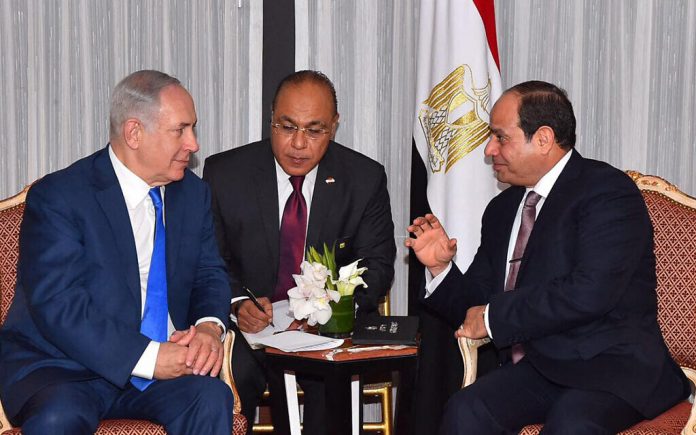
In light of recent developments in the Middle East, Egypt is reportedly contemplating a significant shift in its diplomatic stance with Israel. This comes after a series of events that have escalated tensions in the region, particularly concerning the situation in Rafah, a town on the border between Egypt and the Gaza Strip.

According to various sources, including The Wall Street Journal, Egyptian officials are weighing the option of downgrading diplomatic relations with Israel. This consideration is a direct response to the Israeli military’s ground operation in Rafah, which commenced last Tuesday. The operation has put a strain on the longstanding peace agreement between the two nations, raising concerns about the potential implications for regional stability.

The operation in Rafah has been met with international scrutiny and has tested the durability of the peace accords that have been in place since the late 1970s. The Camp David Accords, brokered by the United States, led to a historic peace treaty between Egypt and Israel in 1979. Any alteration in the diplomatic relations between these two countries could have far-reaching consequences, not only for Egypt and Israel but for the entire Middle East peace process.

The Egyptian government’s considerations are said to include the possibility of recalling its ambassador from Tel Aviv, although there are no plans to sever ties completely or discard the Camp David Accords. The situation remains fluid, with Egyptian officials reportedly stating that as long as Israeli forces remain at the Rafah Crossing, Egypt will not facilitate the transport of goods through this route.

Furthermore, Egypt has expressed its support for South Africa’s case against Israel at the International Court of Justice, accusing Israel of genocide in Gaza. This marks a significant escalation in Egypt’s diplomatic posture and reflects the gravity of the situation as perceived by Cairo.

The Rafah operation has also impacted humanitarian efforts in the region. The crossing at Rafah has traditionally been a critical point for the delivery of aid into the Gaza Strip. With the current military operation and the subsequent closure of the crossing, aid deliveries have been severely hindered, exacerbating the humanitarian crisis in Gaza.

The international community is closely monitoring the situation, and there have been calls for restraint and dialogue to prevent further deterioration of the already fragile relations in the region. The United States State Department has expressed concern over the reduced number of humanitarian aid trucks reaching Gaza, emphasizing the need for the crossing to remain open to aid deliveries.

As the situation develops, the world watches with bated breath, hoping for a peaceful resolution that can prevent further escalation and ensure the continuation of aid to those in need in the Gaza Strip. The decisions made by Egypt in the coming days will undoubtedly play a pivotal role in shaping the future of the region and the prospects for lasting peace.

The El Dabaa Nuclear Power Plant in Egypt

The El Dabaa Nuclear Power Plant represents a significant milestone in Egypt’s energy sector and its bilateral relations with Russia. This ambitious project, located at El Dabaa on the North Coast of Egypt, approximately 320 kilometers northwest of Cairo, marks Egypt’s first foray into nuclear energy.

With an estimated construction cost of US$28.75 billion, the El Dabaa Nuclear Power Plant is financed predominantly through a state loan from Russia, amounting to US$25 billion. This financial arrangement underscores the depth of cooperation between the two nations, with Russia providing 85% of the project’s funding and Egypt covering the remaining 15%.

The plant will feature four VVER-1200 reactors, which are considered Generation III+ reactors, signifying a modern and safe design that is currently only present in Egypt within the region. The construction of the first unit began in July 2022, with the entire project expected to reach completion by 2026, adding a substantial 4,800 MW of nameplate capacity to Egypt’s national grid.

This project is not just about energy generation; it’s a symbol of the enduring partnership between Egypt and Russia. The collaboration harks back to the era of the Aswan High Dam, another monumental project that was constructed with Soviet support in the 1950s. The nuclear power plant is poised to become the largest project of Russian-Egyptian cooperation since that time.

The strategic importance of the El Dabaa Nuclear Power Plant extends beyond bilateral ties. It is a statement of Egypt’s commitment to diversifying its energy sources and increasing its electricity generation capacity. With plans to raise the share of power generation from renewable sources to 40% by 2030 and 42% by 2035, Egypt is positioning itself as a leader in energy innovation in the Middle East.

Russia is set to build a nuclear power plant in Burkina Faso, where only 19% of the people have electricity.

The quest for energy independence and sustainability has led to a significant development in Burkina Faso, a West African nation where access to electricity has been a longstanding challenge. With only about 21% of its population connected to the power grid, the country has embarked on an ambitious journey to transform its energy landscape.

In a move that underscores the shifting geopolitical alliances and the global race for nuclear energy technology, Burkina Faso’s military leaders have signed a deal with Russia to construct a nuclear power plant. This agreement is poised to significantly boost the nation’s electricity supply and marks a pivotal step in Burkina Faso’s efforts to align with new international partners.

The decision to build a nuclear power plant comes at a time when Burkina Faso is seeking to diversify its energy sources and reduce reliance on biofuels like charcoal and wood, which currently dominate its energy mix. The nuclear plant is expected to not only meet the domestic energy demands but also cater to the needs of the surrounding sub-region, reflecting Burkina Faso’s strategic position in West Africa.

This development is part of a broader trend across the African continent, where nations are increasingly turning to nuclear energy as a means to address their power deficits and foster economic growth. South Africa remains the only African country with a commercial nuclear power plant, but with Burkina Faso’s entry into the nuclear arena, the landscape is changing.

The collaboration with Russia represents a significant shift in Burkina Faso’s international relations, especially considering the junta’s distancing from traditional Western partners. It also highlights the growing influence of Russia in the region, as it provides both economic and military support to the country.

As the world watches this unfolding narrative, the implications of such a partnership and the future of nuclear energy in Africa remain topics of keen interest and discussion. The potential benefits are vast, but so are the responsibilities and challenges that come with harnessing nuclear power. It is a testament to the changing dynamics of global energy politics and the continuous search for solutions to one of humanity’s most pressing needs: sustainable and reliable energy.

GameStop Selling Shares to Navigate the Market

0

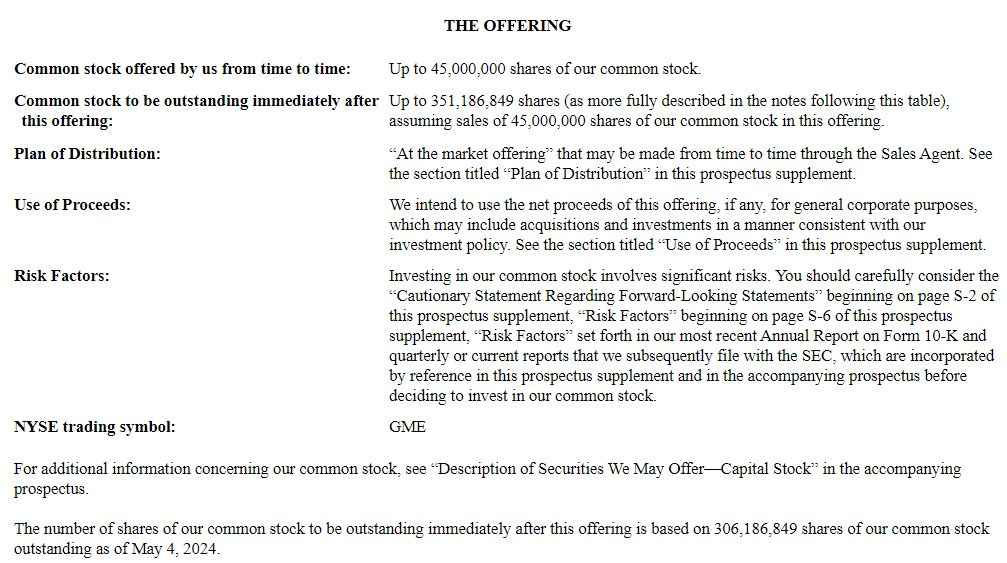
GameStop, the video game retailer that became a household name during the meme stock phenomenon, has announced its plan to sell up to 45 million shares. This decision comes at a critical time for the company as it navigates through the volatile market landscape.

The news of the share sale resulted in a 10% drop in premarket trading, reflecting investor sentiment and the ongoing challenges faced by brick-and-mortar retailers competing with e-commerce platforms. The company’s first-quarter sales showed a decline, with net sales expected to be between $872 million to $892 million, a significant drop from $1.237 billion in the same quarter last year.

GameStop’s move to sell shares is part of a broader strategy to transition and adapt to the rapidly changing retail environment. The funds raised from the share sale are anticipated to aid in this transition, providing the capital necessary to invest in new areas and revitalize the company’s business model.

The retailer has indicated that the offering could include a mix of common stock, preferred shares, and other securities, which may be convertible into common stock. This flexible approach gives GameStop the ability to respond to market conditions and investor interest.

The announcement follows a period of heightened activity for GameStop’s stock, which saw a surge earlier in the week. This was partly attributed to the return of “Roaring Kitty,” the online personality who inspired the 2021 short squeeze, igniting a frenzy among retail traders.

The retail sector, in particular, has seen a significant transformation as e-commerce platforms continue to grow, and traditional brick-and-mortar stores strive to maintain relevance.

One notable example is Best Buy, a leading consumer electronics chain that has been building its e-commerce capabilities to better integrate online shopping with its physical store presence. Despite these efforts, Best Buy faces stiff competition from online giants like Amazon, which continues to dominate the e-commerce space.

Another company that has experienced similar challenges is Sears Holdings, the parent company of Sears and Kmart. Once a retail powerhouse, Sears Holdings has struggled to stay afloat amidst declining sales and store closures, leading to a Chapter 11 bankruptcy filing in 2018.

JCPenney, a staple in American malls, has also felt the pressure of the changing retail environment. With the decline of traditional mall traffic and competition from larger retailers like Walmart, JCPenney has had to rebrand and restructure to remain competitive.

These examples highlight a broader trend affecting the retail industry: the need for adaptation and innovation to survive in a market increasingly dominated by online shopping and digital platforms. Companies that have been slow to embrace these changes or unable to effectively pivot their business models are finding it increasingly difficult to compete.

GameStop’s journey from a traditional video game retailer to a symbol of retail investor power has been nothing short of remarkable. The company’s willingness to embrace change and explore new avenues for growth demonstrates a proactive approach to the challenges faced by the retail sector.

As the market watches closely, GameStop’s share sale will be a test of investor confidence in the company’s ability to reinvent itself and thrive in the new retail landscape. The outcome of this strategic move will likely influence the company’s direction in the years to come and could serve as a case study for other retailers facing similar challenges.

Impact of French’s TikTok Ban in New Caledonia

0
The brand is growing

In a decisive move, France has implemented a ban on the popular social media platform TikTok amidst escalating tensions and violent clashes in New Caledonia. This unprecedented step was taken as part of a broader strategy to quell the unrest that has gripped the French overseas territory, leading to the declaration of a state of emergency.

The ban on TikTok, which came into effect on May 15, 2024, has been a response to the platform’s alleged role in facilitating communication among protestors, which some believe has contributed to the coordination of the riots. The French government’s action aligns with a growing global scrutiny over the app’s data security practices and its potential use as a tool for misinformation and social unrest.

The immediate cause of the unrest appears to be a constitutional amendment passed by France’s National Assembly, which expanded the electorate for provincial elections in New Caledonia. This amendment is perceived by many in the indigenous Kanak community as diluting their political influence and undermining provisions of the 1998 Noumea Accord, which was designed to balance the political power between the indigenous Kanaks and the descendants of European settlers.

The discontent has been further fueled by long-standing issues of political and socioeconomic alienation. The Kanak people have sought greater autonomy and recognition for decades, and the recent electoral reforms have reignited these tensions. The situation was exacerbated by the French government’s handling of the reforms, which many local leaders and citizens view as an imposition without sufficient dialogue or consideration of the local context.

The situation in New Caledonia has been tense, with the French government’s move to change the rules on provincial elections sparking significant controversy and public outcry. The indigenous Kanak population, who have long sought greater autonomy and recognition, view the reforms as an attempt to diminish their voting power and influence within the territory.

As the violence escalated, resulting in several fatalities and injuries, the French authorities imposed a state of emergency, granting them extensive powers to restore order. This includes the deployment of additional security forces and the implementation of curfews to curb the spread of violence.

The decision to ban TikTok, however, has raised questions about the balance between national security and freedom of expression. Legal experts and human rights advocates have expressed concerns over the potential implications of such a ban, suggesting it sets a dangerous precedent for internet freedom and could be challenged on legal grounds.

The impact of the ban has been immediate, with reports of a surge in VPN usage in New Caledonia as residents seek to circumvent the restrictions. This reflects the broader challenges governments face in regulating digital platforms and the complex interplay between technology, governance, and civil liberties.

As the situation develops, the international community watches closely, with many advocating for a peaceful resolution that respects the rights and aspirations of all parties involved. The events in New Caledonia serve as a stark reminder of the powerful role social media plays in modern society and the responsibilities that come with it.