DD
MM
YYYY

PAGES

DD
MM
YYYY

spot_img

PAGES

Home Blog Page 3326

Impact of French’s TikTok Ban in New Caledonia

0
The brand is growing

In a decisive move, France has implemented a ban on the popular social media platform TikTok amidst escalating tensions and violent clashes in New Caledonia. This unprecedented step was taken as part of a broader strategy to quell the unrest that has gripped the French overseas territory, leading to the declaration of a state of emergency.

The ban on TikTok, which came into effect on May 15, 2024, has been a response to the platform’s alleged role in facilitating communication among protestors, which some believe has contributed to the coordination of the riots. The French government’s action aligns with a growing global scrutiny over the app’s data security practices and its potential use as a tool for misinformation and social unrest.

The immediate cause of the unrest appears to be a constitutional amendment passed by France’s National Assembly, which expanded the electorate for provincial elections in New Caledonia. This amendment is perceived by many in the indigenous Kanak community as diluting their political influence and undermining provisions of the 1998 Noumea Accord, which was designed to balance the political power between the indigenous Kanaks and the descendants of European settlers.

The discontent has been further fueled by long-standing issues of political and socioeconomic alienation. The Kanak people have sought greater autonomy and recognition for decades, and the recent electoral reforms have reignited these tensions. The situation was exacerbated by the French government’s handling of the reforms, which many local leaders and citizens view as an imposition without sufficient dialogue or consideration of the local context.

The situation in New Caledonia has been tense, with the French government’s move to change the rules on provincial elections sparking significant controversy and public outcry. The indigenous Kanak population, who have long sought greater autonomy and recognition, view the reforms as an attempt to diminish their voting power and influence within the territory.

As the violence escalated, resulting in several fatalities and injuries, the French authorities imposed a state of emergency, granting them extensive powers to restore order. This includes the deployment of additional security forces and the implementation of curfews to curb the spread of violence.

The decision to ban TikTok, however, has raised questions about the balance between national security and freedom of expression. Legal experts and human rights advocates have expressed concerns over the potential implications of such a ban, suggesting it sets a dangerous precedent for internet freedom and could be challenged on legal grounds.

The impact of the ban has been immediate, with reports of a surge in VPN usage in New Caledonia as residents seek to circumvent the restrictions. This reflects the broader challenges governments face in regulating digital platforms and the complex interplay between technology, governance, and civil liberties.

As the situation develops, the international community watches closely, with many advocating for a peaceful resolution that respects the rights and aspirations of all parties involved. The events in New Caledonia serve as a stark reminder of the powerful role social media plays in modern society and the responsibilities that come with it.

Clarification on Nigeria’s Q1 2024 Revenue and Leadership Article

0

Leadership Newspaper: is this publication correct? I used your source and made a post here on Nigeria’s revenue for Q1 2024. But it seems like Punch has a different figure. I have checked at the Federal Ministry of Finance website to confirm the data, but so far, no luck. Please help if possible. 

Meanwhile, Good People, if you have the original government data, please share a link. If it turns out that Leadership is wrong, I will delete my post. 

This is Leadership piece . This is my own piece which relied on it.

Of course, if you work in the responsible ministry in Abuja, we will appreciate your guidance on this. I am hoping that we have not gotten to a state where we cannot quote Leadership considering that it is a credible newspaper in the nation.

When I wake up in America, I scan newspapers because I am co-invested via Tekedia Capital in more than 100 companies in Nigeria. We’re the people who despite everything continue to believe. We want Nigeria to thrive!

China busts $1.9 billion underground banking operation

0

In a significant crackdown on financial crime, Chinese authorities have dismantled an extensive underground banking operation involving the use of Tether (USDT) to facilitate illegal transactions totaling $1.9 billion. This operation, which began in January 2021, was primarily utilized for smuggling activities, including medicine and cosmetics, as well as for investments in assets overseas.

The police operation led to the arrest of 193 suspects across 26 provinces, highlighting the vast network and the intricate methods employed to bypass the country’s stringent financial regulations. The use of USDT, a stablecoin, played a central role in this underground banking system, allowing the perpetrators to evade government oversight and foreign exchange controls.

Despite the nationwide ban on cryptocurrencies, this case illustrates the persistent attempts to leverage digital currencies for illicit purposes. The Chinese government has been firm in its stance against cryptocurrencies, enforcing a series of bans aimed at curbing their use within the country. However, the discovery of such a large-scale operation indicates that underground financial networks continue to find ways to exploit the anonymity and lack of intermediaries inherent in cryptocurrency transactions.

Cryptocurrency, with its decentralized nature and global reach, has become a hotbed for innovative financial solutions. However, this same landscape has also given rise to a significant number of scams, exploiting the anonymity and borderless transactions that digital currencies allow. China, in particular, has faced a series of high-profile cryptocurrency scams, prompting a stringent regulatory response.

One of the most notorious scams was the PlusToken Ponzi scheme, which defrauded investors out of billions of dollars by promising high returns on investments. The scheme was a classic example of a pyramid structure, where returns for early investors were paid out from the contributions of new participants. This scam not only affected a vast number of investors but also had a noticeable impact on the cryptocurrency market, causing fluctuations in Bitcoin prices.

The Chinese government has taken a firm stance against such fraudulent activities. In a recent crackdown, authorities shut down a $300 million crypto scam and arrested six individuals involved in a sophisticated network of underground banks. These banks were exploiting cryptocurrencies for illegal exchanges, highlighting the challenges that come with the digital currency’s ability to cross borders effortlessly.

Moreover, Chinese crypto addresses have been linked to over $2 billion sent to scammers over two years, according to a report. This figure, while significant, has seen a decline due to the absence of large-scale schemes like PlusToken and increased regulatory actions.

The Chinese experience serves as a cautionary tale for the global community. It underscores the need for vigilance and robust regulatory frameworks to combat the misuse of cryptocurrencies. As the digital currency space continues to evolve, it is imperative that both users and regulators stay ahead of the curve to prevent such scams from undermining the potential benefits of cryptocurrencies.

The successful bust of this underground banking ring is a testament to the ongoing efforts of Chinese law enforcement to combat financial crimes and maintain the integrity of the nation’s financial system. It also serves as a reminder of the challenges that cryptocurrencies pose to global financial security and the need for vigilant regulatory frameworks to address these issues.

Reflecting on 25 Years of Democracy in Nigeria

0

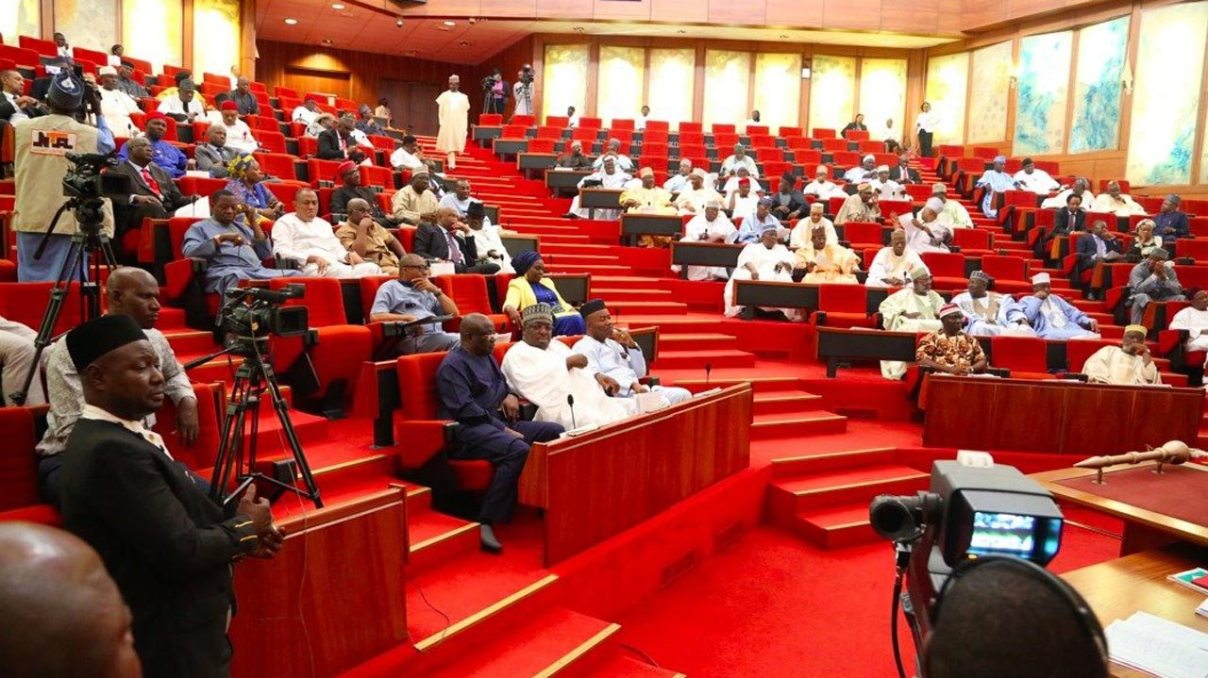
As Nigeria commemorates a quarter-century of uninterrupted democratic governance, it’s a moment of introspection for the nation and its citizens. The journey has been marked by a series of trials and triumphs, a testament to the resilience of the country’s democratic institutions and the unwavering spirit of its people. The celebration of this milestone is not just about looking back at the past but also about safeguarding the future of democracy in Nigeria.

The book “How Democracies Die” by Steven Levitsky and Daniel Ziblatt serves as a poignant reminder of the fragility of democratic systems. It delves into the historical precedents of democracies around the world and the patterns that lead to their demise. The authors, through their extensive research, highlight the importance of strong institutions, the adherence to democratic norms, and the role of civil society in preserving the democratic fabric of a nation.

In the Nigerian context, the book’s insights are particularly relevant. The nation has faced challenges that have tested the strength of its democracy—ethnic tensions, economic disparities, and political upheavals. Yet, it has managed to maintain a democratic trajectory, a feat that is commendable given the global trend of democratic backsliding.

These challenges include:

Leadership and Governance: Leadership challenges and governance issues remain at the forefront, with concerns over corruption, lack of transparency, and adherence to the rule of law. The need for constitutional and electoral reforms is also pressing to enhance the democratic process.

Ethnic and Religious Diversity: Nigeria’s rich ethnic and religious diversity, while a strength, also presents challenges in creating a sense of national unity. Ethnic politics and tensions, especially evident during election periods, need to be managed to foster national cohesion.

Electoral Integrity: Electoral violence and voter suppression are serious concerns that undermine the integrity of elections. Addressing these issues is crucial for the credibility of the electoral process and the trust of the Nigerian people in their democracy.

Civil Liberties: The shrinking of civil liberties and the suppression of voters’ rights are issues that need urgent attention. Ensuring that every eligible voter can exercise their right to vote without fear or hindrance is fundamental to a functioning democracy.

Socio-Economic Factors: Poverty, unemployment, and high illiteracy levels are socio-economic factors that impact democratic governance. Addressing these challenges is essential for creating an informed and engaged citizenry capable of participating fully in the democratic process.

Security: Rising civil strife and the lack of human security pose significant threats to the stability and progress of democracy in Nigeria. Ensuring the safety and security of all citizens is a prerequisite for a thriving democracy.

The lessons from “How Democracies Die” can be a guide for Nigeria as it navigates the complexities of modern governance. The book emphasizes the need for political elites to act as gatekeepers, protecting democratic norms and institutions from those who seek to undermine them. It also underscores the significance of an informed and engaged citizenry, capable of holding leaders accountable and demanding transparency and fairness in governance.

As Nigerians, it is crucial to reflect on the past 25 years and to recommit to the principles that have sustained the country’s democracy. It is a time to celebrate the progress made and to acknowledge the work that lies ahead. Reading and discussing books like “How Democracies Die” can spark important conversations about the state of democracy and the collective responsibility to nurture and defend it.

The journey of democracy is ongoing, and each citizen plays a vital role in its preservation. As Nigeria looks forward to the next 25 years, let the lessons of history and the wisdom found in scholarly works guide the path towards a more robust and vibrant democracy.

As we acknowledge this significant anniversary, it is crucial for every Nigerian to remain vigilant and committed to the principles of democracy. The nation’s continuous journey is a narrative of hope and a call to action for everyone to contribute to the strengthening of democratic values and institutions. The celebration of 25 years of democracy is not just a commemoration but a pledge to guard and enhance the democratic fabric of Nigeria for generations to come.

Russia’s Hydroelectric Venture in South Sudan

0

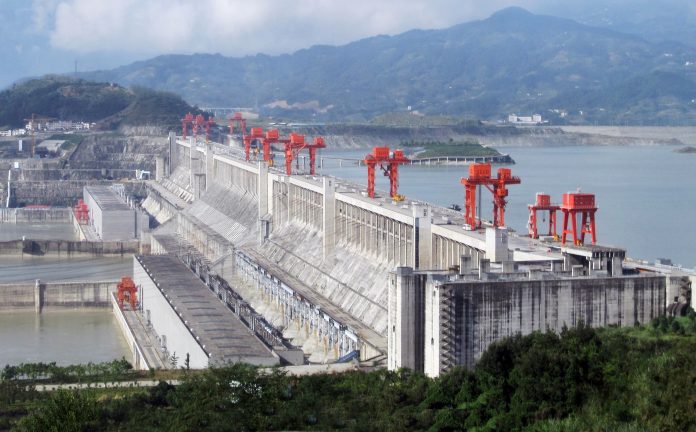
In a move that could significantly alter the landscape of energy production in South Sudan, Russia has committed to constructing five dams in the nation, a project that promises to boost the hydroelectric power output by over 2,000 megawatts. This ambitious initiative is a beacon of hope for South Sudan, where a mere 7.7% of the population currently has access to electricity.

The agreement, which was reportedly signed in 2018 and renewed during a meeting between South Sudan President Salva Kiir and Russian President Vladimir Putin, represents a major step forward in South Sudan’s quest for energy independence and development. The construction of the dams, which will be located in Fula, Laki, Sakure, and Bedden, is estimated to cost around 1.47 billion U.S. dollars and is expected to be completed by 2035.

The significance of this project cannot be overstated. With over 90% of South Sudan’s population lacking a stable electricity connection, the reliance on diesel-powered generators has been a costly and environmentally detrimental stopgap. The introduction of hydroelectric power stands to revolutionize not only the energy sector but also the overall economic landscape of the country.

Moreover, the construction of these dams is anticipated to create numerous jobs, stimulate local economies, and pave the way for further infrastructural developments. It also marks a pivotal moment in South Sudan’s international relations, as the country seeks to bolster ties with Russia amid global political dynamics.

However, this development is not without its challenges and concerns. The environmental impact of dam construction, the displacement of communities, and the geopolitical implications of Russia’s involvement are all factors that require careful consideration and transparent dialogue.

As South Sudan prepares for its first presidential election in December 2024, the progress on the dam projects will undoubtedly be a topic of national interest and debate. The potential for a brighter, more electrified future is on the horizon for South Sudan, and the world will be watching as this young nation navigates the complexities of such a transformative endeavor.

The Fula Dam project, a cornerstone in South Sudan’s quest for energy independence and economic growth, has seen a revival of interest and commitment from the government. This hydropower project, initially conceptualized in 2009, faced setbacks due to conflict and funding challenges. However, recent efforts to reinvigorate the project signal the government’s dedication to harnessing the country’s hydropower potential, which could significantly impact the lives of over 12 million South Sudanese by providing much-needed electricity and supporting agricultural activities through irrigation.

The presidential election presents an opportunity for the nation to reflect on its past while charting a course for a prosperous future. The candidates’ stances on the completion and management of these dam projects will likely reflect broader visions for South Sudan’s development trajectory. With President Salva Kiir seeking re-election and the potential candidacy of his longstanding rival, First Vice President Riek Machar, the electorate will be keenly evaluating their approaches to fulfilling the country’s infrastructural needs.

Moreover, the international community’s role in supporting South Sudan’s infrastructure projects, including the Fula Dam, remains a subject of interest. The involvement of foreign investors and the collaboration with neighboring countries like Ethiopia for energy exports are critical components that may influence the election’s outcome and the subsequent direction of South Sudan’s development policies.