DD
MM
YYYY

PAGES

DD
MM
YYYY

spot_img

PAGES

Home Blog Page 3338

‘No country can tax itself to prosperity’: KPMG Critiques Timing and Implementation of Cybersecurity Levy

0

In its intervention in Nigeria’s fiscal discourse, KPMG, a globally recognized firm offering audit, tax, and advisory services, has voiced significant concerns regarding the federal government’s proposed 0.5 percent cybersecurity levy. 

The firm’s critique, articulated through a detailed analysis, sheds light on the timing and potential implications of the levy within the current economic context. It noted that while several reports suggested that the government could generate approximately N3 trillion annually from the levy, there has been no formal disclosure to the public regarding the cost and benefit analysis.

KPMG wasted no time in addressing the elephant in the room—the timing of the cybersecurity levy. In no uncertain terms, the firm labeled the levy as “ill-timed under the current economic realities.” It pointed out that while the idea itself wasn’t novel, implementing it amidst ongoing economic reforms risks compounding the financial strain already felt by businesses and individuals alike.

The firm said: “Though the cybercrime levy is not new as it has been in existence since 2015, the question is why implement it now given the prevailing economic challenges? The timing of any reforms is essential to the success of such reforms. This underscores the current public resistance to the implementation of the levy.

“This is certainly not the right time to implement this levy. Hopefully, the National Insurance Commission (NAICOM) and the Nigerian Communications Commission (NCC) will consider this before introducing their own guidelines with respect to those businesses under their purview.”

The firm’s reservations didn’t stop at timing. It delved deeper into the rationale behind the levy. Drawing on economic theory, KPMG emphasized that taxing the populace excessively does not lead to sustainable growth—a cautionary tale for policymakers navigating Nigeria’s turbulent economic situation.

By echoing sentiments often expressed by economists and fiscal experts worldwide: “No country can tax itself to prosperity,” KPMG warned against the allure of higher taxes as a panacea for economic woes, stressing the need for a more nuanced approach to revenue generation and economic management.

KPMG stated, “Undoubtedly, Nigeria faces significant revenue challenges. This has, therefore, constrained, and continues to constrain, the country’s capacity for achieving sustainable growth. Given this context, the government may go to any length to mobilize the required revenue.

“However, research has shown that higher taxes do not lead to sustainable growth. In fact, no country can tax itself to prosperity. Perhaps, it is in recognition of this that the current administration and the Presidential Committee on Fiscal Reforms have often emphasized that the government will not introduce new taxes.”

In dissecting the scope of the levy, KPMG revealed its far-reaching implications beyond financial institutions. From GSM service providers to telecommunication companies, internet service providers, insurance firms, and even the Nigerian Stock Exchange, no sector would be spared from its impact. This expansive reach underscores the levy’s potential to disrupt various facets of the economy.

However, KPMG’s critique wasn’t merely academic—it was pragmatic. It called attention to the lack of transparency surrounding the levy’s implementation, particularly concerning its cost and benefit analysis. With no formal presentation to the public, the firm urged for greater clarity and accountability in tax-related matters to foster trust and confidence among stakeholders.

“It is not sufficient to provide only the revenue projection, which is not certain as no details have been provided with respect to this; albeit there have been reports on how the money would be spent,” it said.

“Under the enabling Act, the Office of the National Security Adviser will be responsible for administering the fund.  Though the Act provides that the fund shall be audited in accordance with guidelines issued by the Auditor General of the Federation, this does not provide enough comfort.

“There are many government agencies that have not been audited for years and nothing has happened. It is, therefore, critical that practical measures be put in place to ensure transparency and accountability.”

Moreover, KPMG raised pertinent questions about the levy’s unintended consequences and potential loopholes. It pondered whether the levy could inadvertently lead to a resurgence of cheque transactions, given their exclusion as electronic transfers under the enabling Act—a loophole that could undermine the levy’s efficacy.

In a nod to responsible governance, KPMG urged the government to prioritize tax reforms that address revenue leakages and exercise prudence in public expenditure. It emphasized the importance of striking a balance between revenue-raising initiatives and responsible spending practices to ensure fiscal sustainability—a message that resonates amid Nigeria’s economic challenges.

Following heavy backlash from Nigerians and multinationals like KPMG, the federal government has asked the central bank to halt the implementation of the cybersecurity levy.
Navigating Economic Landscape around Inflation and Stagflation

0

In recent times, the global economy has faced a myriad of challenges, with inflation and stagflation being at the forefront of economic discussions. Inflation, the general increase in prices and fall in the purchasing value of money, has been a persistent concern for policymakers, businesses, and consumers alike. On the other hand, stagflation – a portmanteau of stagnation and inflation – refers to the situation where the inflation rate is high, the economic growth rate slows, and unemployment remains steadily high.

The specter of stagflation has been a topic of debate among economists and financial experts. Some have warned of its potential impact on the economy, suggesting that higher prices could lead to decreased consumer spending, which in turn might result in lower corporate profits and a potential stock market downturn. This scenario is reminiscent of the 1970s, when stagflation left a profound impact on the global economy.

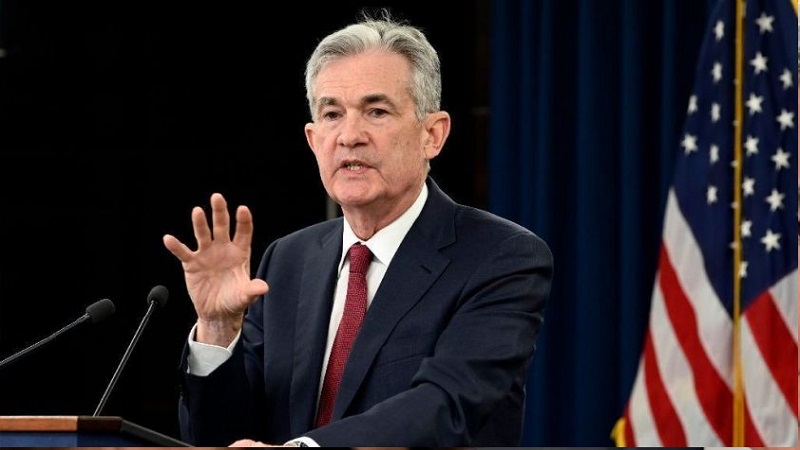
However, it’s important to note that the current economic environment differs significantly from that of the 1970s. Federal Reserve Chair Jerome Powell has pointed out that there is no sign of stagflation in the U.S. economy, with both inflation rates and the unemployment rate below 4%. This is supported by data showing that wage growth has largely kept pace with inflation, and the effects of the pandemic on the prices of food and other goods have largely subsided.

Moreover, the current economic policies and conditions are distinct from those that led to stagflation in the past. Today, the central banks are more proactive and vigilant in monitoring inflationary pressures and adjusting monetary policies accordingly. The Federal Reserve, for instance, has planned interest rate hikes to a neutral rate, estimated to be between 2 and 3.5%, in an effort to prevent the risk of stagflation.

Understanding and navigating the complexities of inflation and stagflation requires a multifaceted approach. Governments and central banks must balance between stimulating economic growth and controlling inflation. Businesses need to adapt to changing economic conditions by managing costs and pricing strategies effectively. Consumers, on the other hand, must be prudent with their spending and investments, seeking opportunities that hedge against inflation.

In conclusion, while concerns about inflation and stagflation are valid, the current economic indicators suggest that the situation is under control. The lessons learned from the past, coupled with modern economic tools and policies, provide a framework for managing these challenges. It is essential for all stakeholders to stay informed and engaged in the economic discourse, as the global economy continues to evolve in an ever-changing landscape.

Airtel Payment Service Bank, SmartCash, Hits 1.5M Active Users in March 2024

0

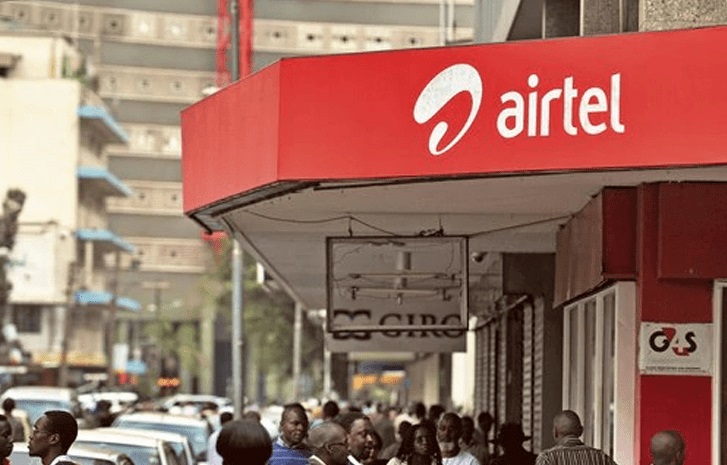
SmartCash, Airtel’s innovative payment service bank (PSB), has recently reported that it reached 1.5 million active users in March 2024.

This was disclosed in the parent’s company (Airtel Africa) financial first quarter (Q1) result, for the year ended March 31, 2024.

The company wrote,

“During this year, we accelerated our customer acquisition strategy and our customer base is 1.5 million active customers. We continue to build the ecosystem to grow our transaction value”.

Airtel reported that the annualized transaction value for SmartCash PSB grew by 15% in the first quarter (Q1) of 2024 (Airtel’s financial year Q4) compared to the quarter ended December 2023.

It further noted that SmartCash added 39,000 agents during the quarter, reaching almost 205,000 agents as of March 31, 2024. Also, the mobile money customer base expanded to 38 million customers by the end of March across its operations in 14 African countries. This equated to SmartCash accounting for 4% of the Group’s mobile money customers.

Across Africa, Airtel said it would continue to leverage the low penetration of traditional banking services and the large number of unbanked customers to boost its mobile money business, whose needs can be largely fulfilled through mobile money services.

“We aim to drive the uptake of Airtel Money services in all our markets, harnessing the ability of our profitable mobile money business model to enhance financial inclusion in some of the most ‘unbanked’ populations in the world,” it said.

In 2022, Airtel Africa launched its payment service bank, SmartCash PSB to help further digitize the Nigerian economy and most importantly to help bank the unbanked by reaching millions of Nigerians who do not have access to financial services, by delivering payment and remittance services, debit and payment cards, amongst others.

Since the launch of SmartCash, the payment service bank has continued to record significant progress. In 2023, it hit 20 million accounts across Nigeria, which boosted its position as a major player in Nigeria’s digital banking landscape.

In October last year, the payment service partnered with Thunes, a cross-border payments infrastructure provider, to allow its customers to receive international remittances in Naira to their mobile wallets. According to the Managing Direcior of Smartcash PSB, Muyiwa Ebitanmi, he said through the partnership, the company can solve the problem of receiving funds from family and friends abroad.

Fast forward to January 2024, Smartcash announced a strategic partnership with Stanbic IBTC Bank which will focus on cash deposits and withdrawals for Smartcash customers across Nigeria. The collaboration between the two companies aims to leverage Stanbic IBIC Bank’s branch network to provide additional financial services to Artel SmartCash customers across Nigeria.

The primary purpose of SmartCash is to deepen financial inclusion, appropriating high-volume and low-value transactions in a safe, technology-driven environment. With its corporate headquarters in Lagos, Nigeria, its overarching objective is to ensure financial inclusion for everyone including persons in the furthest and remotest parts of Nigeria.

Elon Musk compares US Federal Reserve to Board Game Monopoly

0

Elon Musk’s recent comparison of the US Federal Reserve to the board game Monopoly has sparked a lively debate on social media and among financial analysts. The Tesla and SpaceX CEO’s analogy suggests that much like the game’s bank, the Federal Reserve can never go bankrupt and can always print more money. This comment comes at a time when discussions about monetary policy, inflation, and currency devaluation are at the forefront of economic discourse.

The Federal Reserve, often referred to as the Fed, is the central banking system of the United States and is responsible for implementing the country’s monetary policy. The comparison to Monopoly is particularly poignant because it highlights the Fed’s ability to influence the economy by controlling the money supply. In the game of Monopoly, the bank has an unlimited amount of money at its disposal, and if it runs out, players can simply create more using slips of paper. Musk’s analogy draws a parallel to the Fed’s practice of quantitative easing (QE), where it buys securities to inject money into the economy, a strategy that some critics argue could lead to inflation if not managed carefully.

Financial analysts have weighed in on Musk’s comments, with some advocating for investment in alternative assets like Bitcoin, gold, and silver. Michaël van de Poppe, a well-known figure in the cryptocurrency space, has urged investors to buy these assets in anticipation of the resumption of QE. Similarly, economist Peter Schiff predicts a significant increase in the prices of precious metals and advises them as hedges against inflation. Schiff, however, remains skeptical about Bitcoin, referring to it as “dead money.”

Musk’s statement has resonated with many who are concerned about the long-term implications of the Fed’s monetary policies. The fear is that excessive money printing could devalue the currency and lead to inflation, a scenario that some believe is already unfolding. The US debt nearing 106% of GDP further exacerbates these concerns.

The discussion around the Fed’s monetary policy is complex and multifaceted. On one hand, QE and other monetary tools can stimulate economic growth and help manage economic downturns. On the other hand, there is a risk that these tools could lead to unintended consequences if not used judiciously. Musk’s Monopoly analogy serves as a simplified representation of these concerns, encapsulating the fears of unchecked monetary expansion and its potential impact on the economy.

As the debate continues, it’s clear that Musk’s comments have struck a chord with a global audience, prompting a broader conversation about the role of central banks, the nature of money, and the search for stable investments in uncertain economic times. Whether his comparison will lead to any changes in policy or public perception remains to be seen, but it has undoubtedly contributed to an important dialogue about the future of monetary policy.

Stageging $25.4M BlockDAG Presale Shatters Records Post Piccadilly Circus, Surpasses Injective and Internet Computer!

0

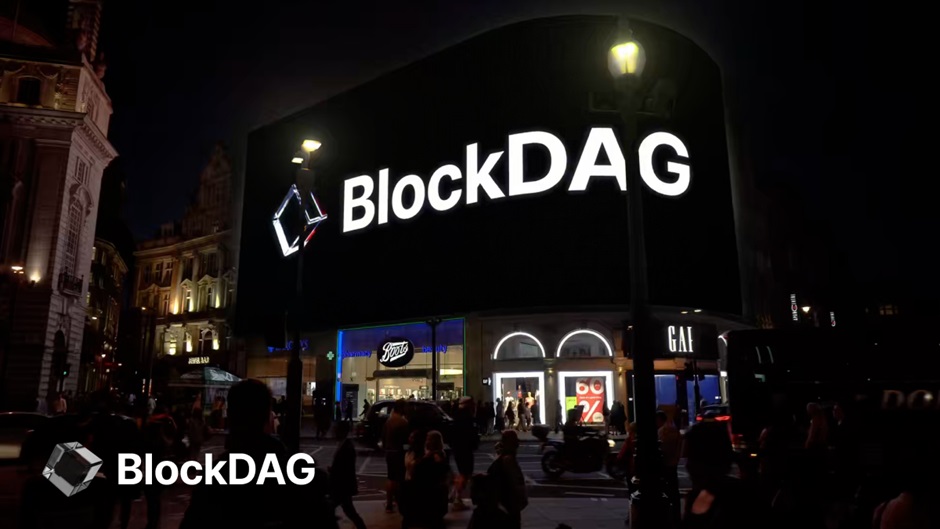
As Injective encounters resistance in its pricing and Internet Computer faces scrutiny over its innovative but uncertain cloud infrastructure overhaul, BlockDAG distinguishes itself with a strategic display at Piccadilly Circus. This celebration marked its successful listing on CoinMarketCap, catapulting its presale beyond $25.4 million and setting the stage for the forthcoming launch of its X1 app. This move underscores BlockDAG‘s emerging dominance in the crypto market, drawing both attention and investment with its projected 30,000x ROI.

Injective’s Market Challenges and Price Resistance

Injective (INJ) is currently experiencing a market downturn, influenced by the recent decline in Bitcoin’s value, placing pressure on its price. For Injective to signal a bullish recovery, it must surpass the resistance at $27.0 and maintain above the 9-day and 21-day moving averages.

Should Injective fail to breach these levels, it may continue a bearish trajectory, potentially testing lower support at $9.70. A bullish scenario would see Injective aiming for the $30.0 resistance, with potential to reach as high as $46.0. Observers are also watching its performance against Bitcoin, with key resistance set at 5000 SAT.

Internet Computer’s Ambitious Blockchain and AI Integration

Internet Computer seeks to revolutionize the blockchain sector by integrating with artificial intelligence to replace traditional cloud services. This ambitious plan aims to decentralize and secure web hosting for enterprise applications, presenting a groundbreaking shift in how blockchain technology is utilized.

Despite its innovative approach, Internet Computer has recently seen a 23% price drop over the past month, causing some investors to reassess their stakes amid ongoing price volatility. The project’s success now hinges on stabilizing its market position and reinforcing investor confidence in its long-term strategy.

BlockDAG Celebrates at Piccadilly Circus, Preparing for X1 App Launch

BlockDAG has successfully captured the crypto community’s interest with its dynamic event at London’s Piccadilly Circus, which celebrated its listing on CoinMarketCap. This event has not only enhanced its market visibility but also symbolized its growing influence in the cryptocurrency world. With more than $25.4 million raised in its presale and nearly 8.9 billion BDAG coins sold, BlockDAG is on a clear trajectory for substantial growth.

The upcoming X1 app launch on June 1st promises to revolutionize mobile crypto mining with its proof of engagement consensus mechanism, designed for energy efficiency and cost-effectiveness. The app’s user-friendly interface ensures easy navigation and participation, allowing even non-technical users to mine up to 20 BDAG coins daily. Compatible with both iOS and Android devices, the app requires Wi-Fi and is conveniently sized at about 50MB, making it accessible for a global audience.

BlockDAG’s Strategic Advancements Set It Apart

In a market where Injective and Internet Computer are working to overcome their respective challenges, BlockDAG stands out with its successful $25.4 million presale and impactful marketing strategy. The upcoming X1 app launch is poised to further enhance BlockDAG’s position as a leading cryptocurrency for 2024, promising significant returns and establishing its status as a top contender in the dynamic cryptocurrency market.


Join BlockDAG Presale Now:

Website: https://blockdag.network

Presale: https://purchase.blockdag.network

Telegram: https://t.me/blockDAGnetworkOfficial

Discord: https://discord.gg/Q7BxghMVyu