
DD
MM
YYYY

PAGES

DD
MM
YYYY

spot_img

PAGES

Home Blog Page 3347

Super Bowl Gatorade Color Prop Odds: Betting Guide, Tips & History

1

Enthusiastic NFL enthusiasts worldwide relish in grand celebrations, and what better occasion to showcase an odd yet enduring custom than the Super Bowl?

The discussion surrounding the Gatorade color at the Super Bowl consistently ignites fervor. The tradition of the Gatorade shower, as per numerous accounts, originated in the mid-1980s and persists to this day. It has garnered such popularity that sportsbooks actively offer odds on the color of the beverage.

Among the plethora of diverse options for Super Bowl proposition bets, predicting the color of the Gatorade ranks among the most prominent.

There’s definite value to be uncovered in this proposition bet. During the Kansas City Chiefs’ Super Bowl celebration last February, players doused coach Andy Reid with purple liquid.

Purple, which was a considerable long shot ranging from +750 to +1800 among sportsbooks, saw action.

Some self-proclaimed Gatorade color “experts” argue that these bets should consider a team’s colors, but that wasn’t the case last season – the Chiefs’ main colors are red and yellow.

Best Betting Sites for Super Bowl Gatorade Color Bets in 2024

BetOnline Best Paying NFL Betting Site
Bovada Best Super Bowl Betting Odds
TG Casino Highest Paying Sportsbook for Telegram Users

Super Bowl Gatorade Color Odds

The odds for the Gatorade color at Super Bowl 58, set to take place in Las Vegas on Feb. 11, started appearing about a week and a half before the grand event.

This year’s matchup features the Chiefs and the San Francisco 49ers. Despite both teams primarily sporting red, the reigning Gatorade color champion, purple, opened as the favorite at Bovada.

  • Purple +185
  • Red +260
  • Blue +400
  • Yellow/Green/Lime +420
  • Orange +550
  • Clear/Water +900
  • No liquid to be poured on coach +2000

TG.Casino initially favored purple as well, offering odds of +190, while red and blue shared the second-favorite position at +250.

In the previous Super Bowl, BetOnline’s odds for the color of the Gatorade shower were as follows:

  • Blue +100
  • Yellow/Green/Lime +225
  • Orange +300
  • Clear/Water +1800
  • Purple +1800
  • Red/Pink +2000

Super Bowl Gatorade Color Patterns

Since the inception of the Super Bowl Gatorade shower, orange has consistently emerged as the most probable color choice.

While the yellow-green Gatorade hue has been a popular beverage option, it has seldom been the winning selection for bettors wagering on the Super Bowl Gatorade color.

In fact, the appearance of yellow or green has been notably less frequent compared to the prevailing favorites like orange, blue, and clear (or water). Since 2001, these colors have collectively secured 13 “victories” as the chosen Gatorade shower color.

Throughout the years, some insightful handicappers have applied the “cranky coach” theory, particularly in the context of the New England Patriots. Under the guidance of coach Bill Belichick, who led the team to six Super Bowl victories, the option of “none” emerged victorious thrice.

When the Patriots, under Belichick’s helm, faced defeat against the Eagles in Super Bowl 52, yellow emerged as the chosen Gatorade shower color, marking its first win in over a decade.

Though it’s challenging to apply precise betting analytics to the Gatorade shower tradition, there are always enthusiasts who see it as a puzzle waiting to be solved. This fascination makes it one of the most sought-after Super Bowl betting options among fans of America’s premier sporting event.

Since the January 25, 1987, Super Bowl, where the New York Giants triumphed over the Denver Broncos 39-20, orange has emerged victorious 12 times.

In the last five years, the color blue emerged as the champion three times, yet in the latest Super Bowl, purple defied odds ranging from +750 to +1800 across various betting platforms to claim the win.

However, the colors red and pink seem to be overlooked. Could it be that they’re perceived as not masculine enough to be considered?

Summary of the winning Gatorade colors at the Super Bowl since 2001

  • Orange – 5
  • Clear – 4
  • None – 4
  • Blue – 4
  • Yellow – 3
  • Purple – 2
  • Red/Pink – 0

Super Bowl Gatorade Shower Outcomes by Team

Certain bettors who analyze Gatorade shower trends suggest that a team’s Gatorade color might be connected to its identity. However, a historical overview reveals little support for this theory.

Below is a summary of the year, the team, and the color of their Gatorade shower.

Super Bowl Winner Gatorade Color
57 Chiefs Purple
56 Rams Blue
55 Buccaneers Blue
54 Chiefs Orange
53 Patriots Blue
52 Eagles Yellow
51 Patriots None
50 Broncos Orange
49 Patriots Blue
48 Seahawks Orange
47 Ravens None
46 Giants Purple
45 Packers Orange
44 Saints Orange
43 Steelers Yellow
42 Giants Clear
41 Colts Clear
40 Steelers Clear
39 Patriots Clear
38 Patriots None
37 Buccaneers Purple
36 Patriots None
35 Ravens Yellow
30 Cowboys Clear
29 49ers Clear
28 Cowboys Clear
25 Giants Clear
21 Giants Orange

For those intrigued by prop betting, the only noticeable pattern in the last decade indicates that the Patriots opted for blue Gatorade in two of their last three Super Bowl wins, with no Gatorade shower occurring the third time.

However, the issue with using this pattern for the 2024 Super Bowl comes from the fact that the Patriots did not make it to the playoffs.
Why Do Coaches Have Gatorade Dumped on Them?

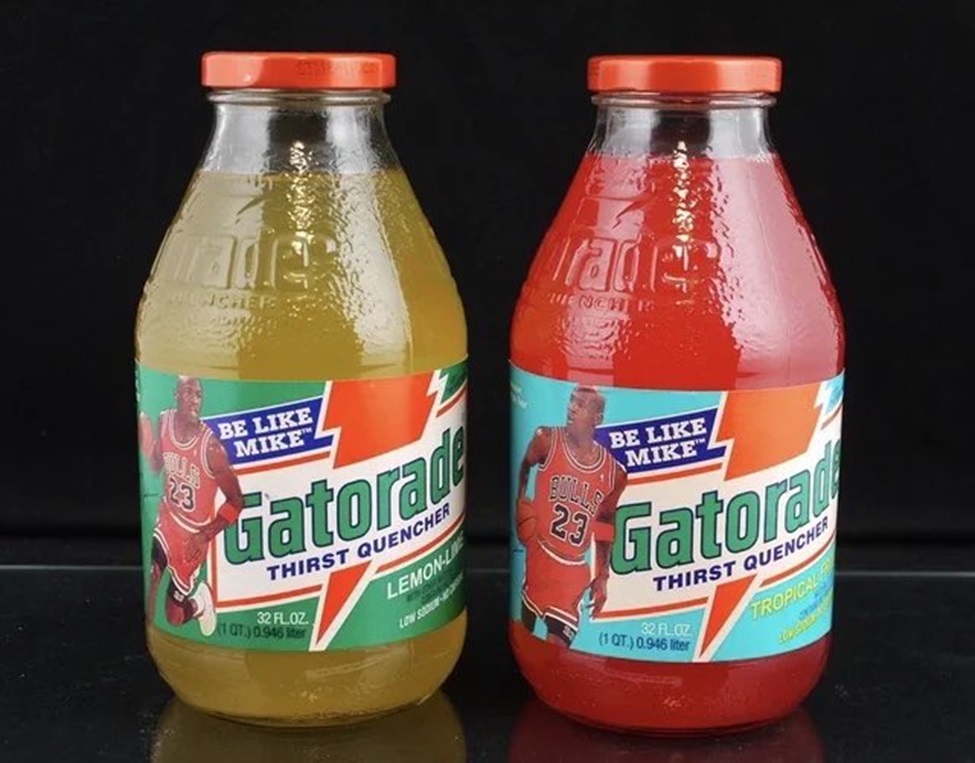
The practice of drenching coaches in Gatorade can be traced back to the 1984 NFL season, initiated by Jim Burt of the New York Giants as he soaked his coach in the sports drink.

According to Burt, his actions were in response to his frustrations with coach Bill Parcells, whom he described during an appearance on Joan Rivers’ talk show as the “chubby guy” they targeted throughout the season, leading to this subtle form of protest in a regular season match.

Harry Carson, the Giants’ distinguished linebacker, mentioned that Parcells’ antagonism motivated Burt to execute the prank. In an interview with Rolling Stone, Carson relayed Burt’s grievance about Parcells being difficult, culminating in the decision to “get him,” highlighting the act was more about amusement than hostility.

This ritual was perpetuated by the Giants who, following an outstanding 1986 season, celebrated their Super Bowl XXI victory by covering Parcells in orange Gatorade after their 39-20 defeat of the Denver Broncos.

Betting on the Super Bowl Gatorade Color

For those looking to bet on the Gatorade color that will be splashed on the winning coach at Super Bowl 58’s end, it’s essential to review the betting guidelines of your local sportsbook, as not all states permit sports betting.

It’s often advised to consider offshore betting sites like BetOnline for these wagers, as they accept bets on Gatorade colors, offering a secure betting environment with potentially more favorable odds than those found at local sportsbooks.

Which Color will the Gatorade be?

The interval between the conference championship games and Super Bowl 58 spans two weeks.

In the lead-up to the Super Bowl on Feb. 11, expect to see a flurry of prop bets available.

Investigate all betting options thoroughly to determine if betting on the Super Bowl’s Gatorade color is available.

Additionally, consider exploring various other bets related to the Gatorade shower, including the number of buckets used, the timing of the shower (either before or after the final whistle), and identifying the players responsible for the act.

Frequently Asked Questions about Super Bowl Gatorade Color Odds

What color was the Gatorade in Super Bowl 2023?

The color of Gatorade dumped on the winning coach, the Kansas City Chiefs’ Andy Reid, was purple.

Who dumped the first Gatorade?

The New York Giants doused winning coach Bill Parcells following their 39-20 victory over the Denver Broncos at Super Bowl XXI in 1987.

Is Super Bowl Gatorade betting allowed at US sportsbooks?

Betting on the Gatorade color at the Super Bowl, specifically the color dumped on the winning coach, is allowed only in states regulated to accept the wager. Check your local sportsbooks’ rules and regulations.

Where is this year’s Super Bowl taking place?

The 58th Super Bowl is scheduled to be held Feb. 11, 2024, at Allegiant Stadium in Las Vegas, Nevada, with an approximate kickoff time of 6:30 p.m. ET.

Forex crisis: Central Bank of Nigeria urges Nigerians to curtail their demand for dollar

0

The Central Bank of Nigeria (CBN) governor, Olayemi Cardoso, has called upon Nigerians to temper their demand for foreign exchange as the federal government intensifies efforts to stabilize the foreign exchange (FX) market.

Under Cardoso’s leadership, the CBN has implemented a series of policies aimed at bolstering the performance of the naira, which has seen a significant decline, reaching N1500/$1 in the foreign exchange market.

During an interactive session with the Joint Senate Committees on Finance, Appropriations, Banking, Insurance, and other Financial Institutions in Abuja, Cardoso attributed the naira’s weakening trend to various factors, prominently the high demand for the dollar by Nigerians. He stressed the need for Nigerians to reduce their appetite for foreign currency and curb the consumption of imported goods to alleviate pressure on the naira.

“We must moderate our demands for forex. Where there are opportunities to substitute locally, so we should,” said Cardoso.

Moreover, Cardoso urged the federal government to focus on enhancing the educational and medical sectors to dissuade citizens from seeking services abroad, thereby reducing the demand for dollars.

“The total quantum for education and medical is more than our external reserves. If we can up our game on education and medicals, there won’t be the need for our people to go abroad,” he emphasized.

The relentless pursuit of the dollar by Nigerians for purposes such as paying tuition fees, medical expenses, and import bills has exacerbated the pressure on the naira, leading many to resort to the black market for forex transactions.

Addressing the issue of inflation, Cardoso reiterated the CBN’s commitment to implementing monetary policies aimed at curbing inflation, including the adoption of a single exchange rate system to enhance investment credibility in the country.

“We are working very hard to bring back credibility to the CBN, and many investors who have previously viewed the environment as inimical. If we are doing the right thing, investors will come,” he asserted.

”If we are doing the right thing, investors will come. For them to come, they have to believe that you will do the right things. I also want to say that in establishing credibility, there are certain things that we need to do.”

However, while some economic experts have praised Cardoso’s policies, others have expressed dissent regarding the strategy of curbing forex demand. Yemi Kale, former Statistician-General of the federation, disagreed with the notion of reducing demand, emphasizing the importance of focusing on boosting supply instead.

“No please! Let’s concentrate on boosting supply not controlling demand. We can’t really control demand in the near term without once again widening the FX gap and worsening confidence. Anytime we try to forcefully control anything it often leads to an increase in its price.”

In response to the ongoing forex crisis, Cardoso acknowledged the limitations of the CBN’s intervention powers but pledged to explore partnerships to alleviate the situation.

While the FX crisis persists, the exchange in the official (NAFEM) and parallel market are notably reaching a convergence. The naira has been trading around N1,480/$1 at the official and N1,485/$1 in the parallel market, which suggests that the central bank is close to achieving its aim of having a unified exchange rate.

Nigerian Food Crisis: Nigeria may close border to secure food – Agric minister

0

Abubakar Kyari, Minister of Agriculture, Food, and Security, has expressed deep concerns over the shortage of food in Nigeria, coupled with the resultant surge in prices, touting border closure as a possible solution.

In a recent address to the Senate Committee on Banking, Insurance, and other Financial Institutions, Kyari noted the dilemma facing the government, saying it may close borders or intensify efforts to bolster local food production and export.

Kyari’s remarks come in the wake of the Niger State government’s decision to prohibit the sale of food products to individuals residing outside the state, coupled with efforts to enact legislation to control food prices.

The Minister lamented the undocumented export of food to neighboring countries, buoyed by the significant devaluation of the naira against the CFA currency. He explained, “One CFA is N2.20kobo, this means 1000 CFA is N2,200, this is something that was N400-N500 a few years ago. Because of the devaluation of naira, our food is the cheapest around the neighborhood, so you find a lot of undocumented exports which is smuggling across our porous borders.”

He emphasized the urgency of addressing this challenge and highlighted the government’s ongoing endeavors to ramp up local production. However, he warned that if the prevailing economic conditions persist, the government might be compelled to make a tough decision between sealing borders or prioritizing food production for Nigerians.

“We are trying to ramp up production, what we are faced with unfortunately, is to see how we can secure food for our 230 million people and at the same time, if this economics continues , we have to either seal our border, or produce for all other Africans”, he said.

Kyari attributed the food smuggling to the prevailing shortages and escalating prices, while also identifying other contributing factors, such as inadequate planning for the 2023 farming season by the previous administration, insecurity impeding farmers’ willingness to cultivate, and a foreign exchange crisis.

He also highlighted the adverse effects of the scarcity of foreign exchange, citing instances where investors from India, China, and Turkey purchase Nigerian crops at inflated prices primarily to earn foreign exchange, with no repatriation of profits and no benefit to the Nigerian government.

However, Kyari’s proposition to close the borders as a solution has sparked considerable backlash, given Nigeria’s previous experience with border closures. Former President Muhammadu Buhari’s decision to shut down Nigerian land borders for two years in a bid to stimulate local food production and combat smuggling has been cited as a major factor that contributed to the country’s high inflation rates.

Critics argue that another border closure for food security purposes would exacerbate the plight of the masses, who are still grappling with the repercussions of the previous closure.

The notion of sealing borders is particularly contentious due to its potential adverse effects on regional trade, economic integration, and diplomatic relations with neighboring countries. Critics argue that such a move could further strain Nigeria’s economy, exacerbating inflation and food shortages.

Moreover, the closure of borders may not effectively address the root causes of food shortages and inflation. Instead, it could perpetuate smuggling activities through alternative routes or channels, further undermining government efforts to achieve food security and economic stability.

Furthermore, sealing borders could have negative implications for Nigeria’s image on the international stage, potentially deterring foreign investment and undermining efforts to foster regional cooperation and integration.

In light of these concerns, stakeholders advocate for a comprehensive approach to address food shortages and inflation, emphasizing the need for strategic policies that promote sustainable agricultural practices, enhance productivity, and facilitate trade within the region.

They emphasize the importance of collaboration with neighboring countries to address cross-border challenges effectively, while also prioritizing investments in infrastructure, technology, and capacity-building to strengthen Nigeria’s agricultural sector and ensure food security for its citizens.

While the shortage of food in Nigeria presents a significant challenge, the proposition to close borders as a solution raises serious concerns. Stakeholders have emphasized the importance of adopting a holistic approach that addresses the underlying causes of food shortages and inflation while promoting regional cooperation and integration for sustainable development and economic growth.

“When you close borders you stop both legal & illegal exports of food/non food items. You also block legitimate & needed imports or food & other goods & create a black market for them. Instead focus on why it’s more profitable to export & using pricing/market forces address it,” Yemi Kale, former head of the Nigerian Bureau of Statistics, noted.

Unlimited, Lifetime Access And Why You Have Zero Referrals

1

The data there is clear: “The completion rate of online courses is between 5–15%, and for MOOCs, it is 3–6% only”. That is dreadful. Every online program has that problem where people pay for something, and rarely make time, since people are not constrained by time and geography like in the physical courses to be somewhere at a specific time.

To solve that problem, Tekedia Institute does not give unlimited time or lifetime access, unlike most online courses where there is no end date, to finish the program. If people know there is a deadline or an expiration date, they will make time. Yes, if you tell them that your program has no expiration date, they will never make time for your program, and that hurts your mission.

Simply, if they pay and never make time to study your courseware, they will have nothing useful to say about your program when people ask them for feedback. The implication is that you cannot get word of mouth referrals.

Why this post? Most times, policies we have in online platforms are the reasons we’re not growing, even though those policies may look “customer-friendly”. But look deeper, you are hurting those same customers. In Tekedia Institute, after we looked at data, we discontinued lifetime access, and forced our Learners to complete our programs within a year of registration even though some of those programs are designed for 3 or 2 months; today, our completion rate is hitting close to 90%. 

Lido DAO (LDO) and Stacks (STX) Regain Bullish Momentum While Pullix (PLX) Anticipation Rises As Its Projected to Spike 100x Following Its Launch

0

The Lido DAO (LDO) token has showcased an uptrend and has retested the 50-day EMA market, revealing a profit-making potential in the upcoming trading sessions. Stacks (STX) is also in the green zone based on its on-chart performance, and this can result in a significant upsurge in the coming months.

Pullix (PLX), however, has made the most significant impact, as its in the last two stages of its presale and will launch in the upcoming month, where analysts project a 100x upswing. Today, we will go over all three to determine how far they can rise. By the end, we will determine which is the best crypto to invest in now.

Lido DAO (LDO) Climbs 32% – Regains Bullish Momentum and Can Surge to $4.43

Lido DAO (LDO) has experienced an upward momentum during the past trading sessions and is now near the trendline support zone at $2.80. The year-to-date (YTD) increase for the Lido DAO price was by 32%. Moreover, the price action signifies that buyers have accumulated the crypto, and the technicals reflect a neutral outlook.

According to the Fib levels, the Lido DAO crypto has sustained above the 40% zone and is now attempting to move to the 50% zone. It’s near the 50-day EMA, and its trading volume has experienced a spike. According to the Lido DAO price prediction, it can end in 2024 at $4.43.

Stacks (STX) Climb Above 50-Day EMA and Can Surge to $2.49

Stacks (STX) has recently showcased a strong price uptrend and has made higher highs and lows during the previous week. The Stacks price has moved up 384% during the previous year alone, and it could soon reach new heights.

The crypto is now above the 50-day EMA, and the MACD is indicating a bullish momentum. Now, the Stacks crypto chart showcases and uptrend, and it could soon face resistance at the $2 level. Moving from $1.45 to $1.61 in the past week, STX showcased significant growth. Based on the Stacks price prediction, it can end 2024 at $2.49.

Pullix (PLX) to Launch in Less Than a Month – Price to 100x

Pullix (PLX) is getting traction with its ongoing presale and is nearing the end, especially as the platform will launch within less than a month. It has already gained the attention of over 15,000 users and will bridge the gap between CEXs and DEXs in a way that can solve the main issues surrounding liquidity and transparency in the industry.

The platform can tackle key challenges and create a new approach to how users access the TradFi space. Specifically, it will introduce advanced trading tools that can enable anyone to enhance their chances of profitability, such as Copy Trader or liquidity provision. In addition, anyone can begin margin trading and get access to institutional tools or copy the most successful traders.

Users will even be able to generate passive income by staking PLX into the market-making liquidity pool, where users will get fixed monthly passive income up to 18% APR.

The DeFi project is now at Stage 7, out of a total of 8, and PLX trades at $0.10. Based on analyst projections, PLX can spike 100x at launch, providing early traders with access to massive ROI. These aspects make PLX the best crypto to invest in now.

Summary

While both Lido DAO and Stacks are regaining the bullish momentum, all eyes are currently on Pullix as its projected to see significant growth. With its vast token utility, massive ecosystem, and value proposition, it can become a dominant force in Web3.

For more information regarding Pullix’s presale see links below:

Visit Pullix

Join The Pullix Communities