DD
MM
YYYY

PAGES

DD
MM
YYYY

spot_img

PAGES

Home Blog Page 3360

A Closer Look at Central Bank of Nigeria’s New Cybersecurity Levy

0

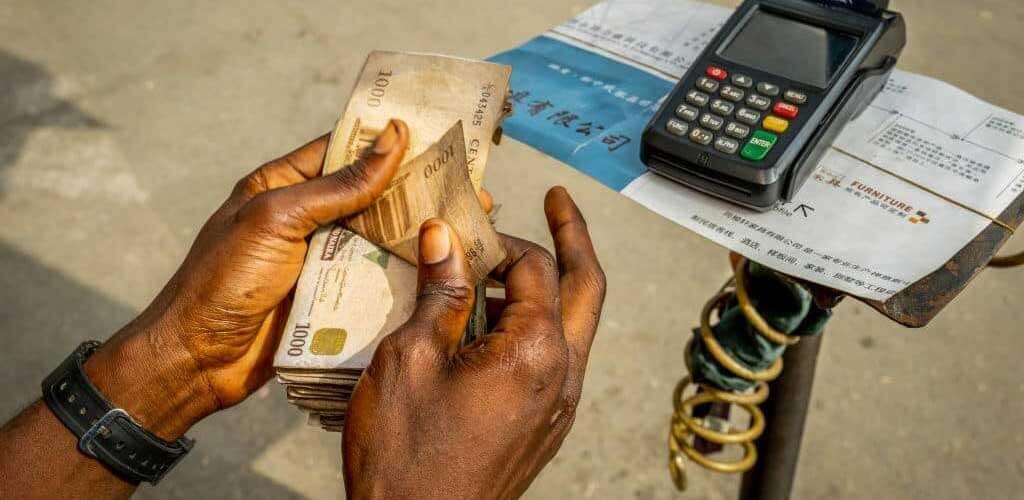
The Central Bank of Nigeria (CBN) has recently implemented a new directive that mandates a 0.5% cybersecurity levy on most electronic transactions. This move is part of the efforts to bolster the nation’s cybersecurity infrastructure in the wake of increasing digital threats. The levy, as stipulated by the Cybercrime (Prohibition, Prevention, etc.) (amendment) Act 2024, is to be remitted to the National Cybersecurity Fund (NCF), managed by the Office of the National Security Adviser (ONSA).

The cybersecurity levy is applied at the point of electronic transfer origination and is reflected in the customer’s account statement as “Cybersecurity Levy”. This directive exempts only 16 categories of transactions, including salaries, loans, cheques, and clearing and settlements, from the levy. The collected funds are intended to provide financial support for the nation’s cybersecurity initiatives, which are crucial in safeguarding Nigeria’s digital space.

The implementation of this levy has been met with mixed reactions. On one hand, it represents a proactive step towards addressing the growing concerns of cyber threats and the need for robust cybersecurity measures. On the other hand, it adds to the list of existing charges that customers have been paying over the years, raising concerns about the additional financial burden on consumers and businesses alike.

One of the key documents that provide a basis for the application of charges on various products and services offered by financial institutions is the “Guide to Charges by Banks, Other Financial and Non-Bank Financial Institutions” which took effect from January 1, 2020. This guide aims to enhance flexibility, transparency, and competition within the Nigerian banking industry.

The guide covers a wide range of charges, including but not limited to:
Interest on deposits.
Interest rates and lending fees.
Current account maintenance fees.
Commission on bonds, guarantees, and indemnities.
Foreign exchange commission/charges.
Electronic banking charges.

For instance, customers are charged an electronic money transfer levy for deposits of 10,000 naira or more. There are also fees for electronic funds transfers, SMS alerts, quick balance enquiry, card maintenance, and ATM withdrawals.

It’s important for customers to note that some charges are negotiable, and they have the right to discuss these with their financial institutions. The CBN requires that any new product, service, or charge not covered by the guide must be presented to it for prior written approval.

The CBN’s effort to review and reduce most charges and fees for banking services reflects its commitment to making banking more affordable for Nigerians. Customers are encouraged to stay informed about the charges they incur and to engage their banks if they have any concerns or need clarifications.

The introduction of the cybersecurity levy comes at a time when Nigeria is grappling with economic challenges, including the removal of fuel subsidies and the resultant inflation. The decision to implement this levy reflects the government’s prioritization of cybersecurity, recognizing the critical role it plays in the stability and integrity of the nation’s financial systems.

As the country navigates through these changes, it will be important to monitor the impact of the cybersecurity levy on electronic transaction habits, customer experience, and the overall effectiveness of the cybersecurity measures funded by this initiative. The balance between securing the digital economy and ensuring affordability for users will be a key factor in the success of this policy.
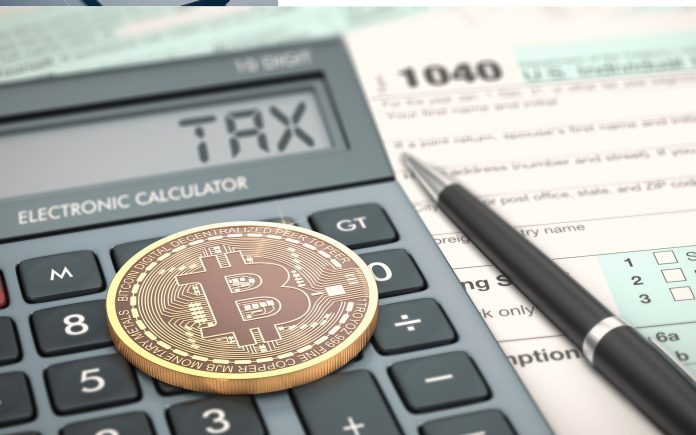
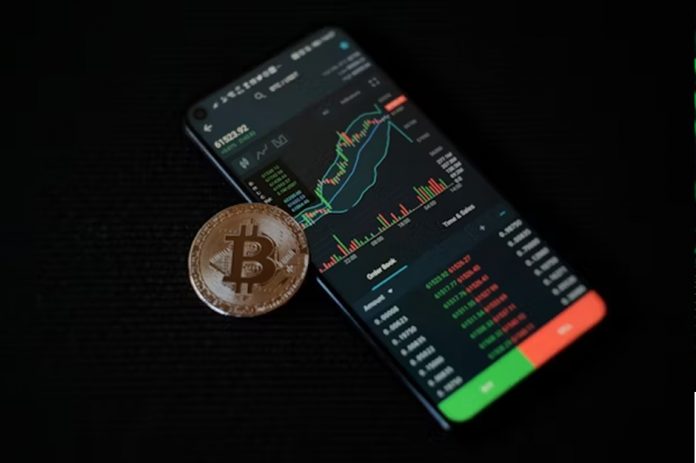
Whiskey Rebellion of the 21st Century: Cryptocurrency and Taxation

0

The term “Crypto’s Whiskey Rebellion” conjures images of a modern-day standoff between government authorities and proponents of decentralized finance. It harks back to the historical Whiskey Rebellion of the 1790s, where American farmers protested against a federal excise tax on whiskey. This event was one of the first major tests of the authority of the newly formed U.S. government.

Fast forward to the present, and we find a modern-day “rebellion” unfolding within the cryptocurrency sector. This movement is not characterized by physical confrontations or armed resistance but by a growing discontent among crypto enthusiasts and investors over regulatory measures that are perceived as heavy-handed or unfair.

Today, we are witnessing a similar scenario unfold within the realm of cryptocurrency. Just as the farmers viewed the whiskey tax as an unfair burden, many in the crypto community see government regulation and taxation as an infringement on the financial freedom that digital currencies offer. The decentralized nature of cryptocurrencies means they are not controlled by any single entity, which is a fundamental appeal to users who value privacy and autonomy over their financial transactions.

The parallel between the two rebellions is striking. In the 18th century, whiskey was a common currency among frontier communities, and the tax imposed by the government was seen as an attack on their economic independence. In the present day, cryptocurrency has emerged as a new form of currency, one that transcends borders and offers a level of anonymity not available through traditional banking systems.

The “Crypto’s Whiskey Rebellion” is not a physical confrontation but a clash of ideologies. On one side are the crypto enthusiasts who advocate for minimal regulation, arguing that the innovative nature of blockchain technology and its applications should not be stifled by outdated regulatory frameworks. On the other side are the regulators and governments, who are concerned about the potential for tax evasion, money laundering, and other illegal activities that can be facilitated by the anonymity of digital currencies.

The outcome of this modern rebellion is yet to be determined. It is a complex issue that involves balancing the need for regulation to prevent illegal activities and protect consumers, with the desire to foster innovation and maintain the core principles of decentralization that are at the heart of cryptocurrency.

As the debate continues, it is clear that the resolution will require dialogue and cooperation between the crypto community and regulatory bodies. The hope is that a middle ground can be found, one that allows for the growth and development of the cryptocurrency market while ensuring it operates within a framework that is fair and legal.

The “Crypto’s Whiskey Rebellion” is a testament to the ongoing evolution of finance and governance. It is a reminder that as technology advances, so too must our systems and regulations evolve to address the new challenges and opportunities that arise.

Bitcoin Achieves Major Milestone, Hits One Billion Transactions Processed

0

The Bitcoin network has hit a major milestone, processing one billion transactions, a significant achievement after 15 years of the network’s existence.

In a report confirmed by Tekedia, the One million transactions were processed in block 842,241 at exactly 9:34 pm on May 5.

This brings the average daily transaction the network processes to 178,475 in the 5,603 days of existence. However, the number of transactions does not include the ones made on the Lightning network, a Bitcoin layer-2 payment protocol enabling faster transactions.

Data from the Bitcoin-only exchange River found the Lightning Network processed a lower-bound estimate of 6.6 million transactions alone in August 2023, suggesting that hundreds of millions of transactions have been made on Lightning since it launched in January 2018.

Reports revealed that the daily transactions on Bitcoin spiked around the network just concluded fourth halving event which occurred on April 20, 2024, with a record high of 926,000 transactions processed on April 23. Notably, Bitcoin’s daily transaction count has since cooled off to 660,260 on May 4, 2024.

Simultaneously, the Bitcoin transaction fees were 630% greater than the 3.125 block subsidy, reaching a record high of $128 per transaction with Bitcoin’s hash price peaking at $183/PH/day. However, this has taken a nosedive to $4.50. Similarly, the daily transaction count has cooled off with the figure standing at 625998.0 as of May 5.

Interestingly, dormant BTC accounts have begun to come alive after a long period. It was reported that a BTC address that had been dormant for a decade transferred more than $44 million in Bitcoin earlier today. This address had reportedly received the BTC when the price of the crypto asset was trading for $917 on Jan. 12, 2014, according to the on-chain tracking platform Lookonchain.

Also, another wallet that had not transacted since 2016, transferred $6 billion worth of Bitcoin in March this year. Bitcoin is currently trading at $63,675 as at the time of writing this report. The price of the crypto asset is still down 13.6% from its all-time high of $73,740 set on March 13. With the just-concluded halving event that is often followed by a surge in the price of Bitcoin, analysts and investors predict a bullish sentiment.

By reliably facilitating 1 billion transactions in just 15 years, Bitcoin has proven its resilience and capacity at scale. And with accelerating adoption, Bitcoin appears poised to reach the next billion transactions at an even faster pace.

The milestone underscores the significant evolution of Bitcoin from its experimental beginnings. What was initially considered a niche interest for enthusiasts has now transformed into a trillion-dollar asset class that institutions cannot afford to overlook.

What does the Future of Blockchain Tokenization Hodl?

0

Tokenization, the process of converting rights to an asset into a digital token on a blockchain, is poised to revolutionize the financial industry. As we move further into 2024, the potential for tokenization continues to expand, promising to transform the way we think about asset ownership and exchange.

In recent years, tokenization has moved from a concept to a practical application, particularly in the realm of financial assets. The market has seen a significant increase, with projections suggesting a growth from $2.3 billion in 2021 to $5.6 billion by 2025. This growth is driven by the benefits tokenization offers, such as increased liquidity, faster settlement times, and enhanced security.

The technical bottlenecks that once hindered the adoption of tokenization are being addressed. Innovations in blockchain infrastructure and interoperability are laying the groundwork for a more robust tokenization ecosystem. Private equity funds and credit markets are leading the charge, developing new tokenization vehicles and structured instruments that are inherently digital and easier to migrate on-chain.

The future of tokenization is not limited to traditional financial instruments like bonds and equities. We are beginning to see the tokenization of real-world assets such as art, automobiles, commodities, and even fine wines. This expansion allows for fractional ownership and on-chain trading, opening up new opportunities for investors and collectors alike.

One of the primary hurdles in the path of tokenization is the lack of regulatory clarity. Different jurisdictions have varying rules and standards for defining, issuing, and trading tokens. This lack of uniformity creates a complex landscape for token issuers and investors to navigate, often leading to uncertainty and hesitation in market participation.

The existing financial regulations were designed with traditional securities in mind, which poses a challenge for the integration of tokenized assets. There is a pressing need for a hybrid token structure that can comply with these regulations while retaining the key value propositions of tokenization, such as increased liquidity and efficiency.

The question of custody and asset servicing in the digital space is another significant challenge. The absence of regulation that ensures official safety, security, stability, transparency, and accountability contributes to a lack of trust. Finding solutions that satisfy both regulators’ demands for transparency and auditability and investors’ demands for privacy is a delicate balance that must be struck.

Tokens representing legal ownership of an asset in a way that is recognizable in court is yet to be fully realized. The lack of a legal and technical framework to enable on-chain land registries, for example, means that property rights are not yet fully tokenizable. This gap in the legal framework presents a barrier to the full potential of tokenization.

While technology plays a crucial role, trust remains a central factor in the adoption of tokenization. Blockchain technology provides a unique address for each token, ensuring strong data protection through access control and decentralized storage. This security aspect is crucial for gaining the trust of both investors and regulators, paving the way for broader acceptance of tokenized assets.

Tokenization stands to have a profound impact on business operations and the global economy. By enabling the conversion of tangible assets into digital tokens, tokenization enhances tradability and liquidity, potentially unlocking value in assets that were previously illiquid or difficult to transfer. The efficiency gains from blockchain-based transactions could lead to a more dynamic and inclusive financial ecosystem.

As we look to the future, tokenization appears to be an inevitable part of the financial landscape. With its promise of increased efficiency, security, and accessibility, tokenization could democratize investment opportunities and reshape the global economy. The journey is just beginning, and the coming years will likely witness the full maturation of this transformative technology.

Post Retik Finance Uniswap Listing; Renowned Influencers Around the Globe Join BlockDAG Presale for Potential 30,000x ROI

0

Retik Finance is preparing for its Uniswap listing on May 21, 2024. At the same time, influencers endorse BlockDAG‘s presale, which has soared beyond 23.6M, and its innovative strategies and cutting-edge technologies to reshape how users interact with digital currencies.

This exploration highlights how BlockDAG’s groundbreaking mobile mining application positioning is setting new standards in user engagement and expanding financial horizons through the power of blockchain technology. As we delve deeper, we uncover unique paths, providing enthusiasts with rich, versatile opportunities.

YouTube Influencers Propel BlockDAG Into the Crypto Spotlight

BlockDAG is capturing the global finance stage, guided by the powerful voices of leading YouTube influencers. These digital trendsetters are vocal advocates and investors in BlockDAG, which amassed $23.6M, having delved deep into its technical prowess and promising market trajectory, which will reach $30 by 2030, offering 30,000x ROI after launch.

In a world where digital platforms increasingly influence financial narratives, these YouTube personalities are crucial to introducing vast online communities to burgeoning opportunities like BlockDAG. Their endorsements are rooted in comprehensive analyses predicting BlockDAG’s capacity to compete with heavyweights.

This trend marks a pivotal shift in the marketing and perception of financial products, placing influencers at the helm of this transformative wave. They are not only promoting new technologies but are also pivotal in advancing financial inclusion and literacy. The remarkable surge in popularity of BlockDAG, bolstered by high-profile endorsements, mirrors unparalleled potential ascent as it gains traction through influential YouTube endorsements.

Upcoming Retik Finance Uniswap Listing

Retik Finance has announced its impressive achievement, concluding its presale and setting a strong foundation for its forthcoming Finance Retik Uniswap Listing on May 21, 2024. This milestone underscores investors’ confidence and interest in Retik Finance’s innovative DeFi solutions.

As the Retik Finance Uniswap Listing approaches, the platform is strategically positioned to disrupt the conventional financial ecosystem and redefine global transactions with its cutting-edge approach to decentralized finance. The Retik Finance Uniswap Listing represents a critical step towards the platform’s goal to transform the DeFi landscape.

Retik Finance Main Features

Retik Finance is preparing for its Uniswap listing on May 21, 2024, introducing its suite of DeFi solutions. The platform features innovative offerings like the Retik DeFi Crypto Cards, a Smart Crypto Payment Gateway, AI-powered P2P Lending, and a Multi-Chain Highly Secured DeFi Wallet.

These tools are designed to enhance how users engage with digital finance. As the Retik Finance Uniswap Listing approaches, it marks a step towards broader access to financial services, encouraging users to stay informed about the platform’s developments.

Unleash the Power of Your Smartphone with BlockDAG’s X1 Mining App

BlockDAG is transforming how cryptocurrency enthusiasts, from beginners to seasoned miners, engage with mining through its innovative X1 app. Available on both Google Play and the Apple App Store, this 50 MB app enables users to mine up to 20 BDAG coins directly from their smartphones daily. It’s designed to be low-impact, minimizing battery consumption and data usage.

The X1 app boasts a sleek, user-friendly interface for Android and iOS devices. It features straightforward signup processes and an intelligent referral system to maximize your mining potential. Additionally, users can activate a ‘lightning button’ every 24 hours to significantly increase their mining rate.

The app’s transparent ranking system rewards users with new perks as they advance, enhancing the overall mining experience. With the beta version launching on June 1st for iOS and Android, users can look forward to even more enhancements tailored to improve usability and engagement.

BlockDAG Excels, Leaving Retik Finance Behind

Retik will put all the effort into the Uniswap listing to prove where it stands. Conversely, BlockDAG has carved a unique niche within the crypto community with its intuitive and eco-friendly X1 mining app. This application revolutionizes traditional mining paradigms by offering a streamlined, energy-efficient process that minimizes battery and data use, appealing to a broad spectrum of users. Backed by glowing endorsements from prominent YouTube personalities, BlockDAG gains additional credibility and visibility, distinguishing itself in a saturated market.

Invest in the BlockDAG Presale Now:

Website: https://blockdag.network

Presale: https://purchase.blockdag.network

Telegram: https://t.me/blockDAGnetworkOfficial

Discord: https://discord.gg/Q7BxghMVyu