DD
MM
YYYY

PAGES

DD
MM
YYYY

spot_img

PAGES

Home Blog Page 3366

Crypto News: Experts Say Upcoming Ethereum Upgrade Could Be Good News for Algotech (ALGT) as Token Launch Nears

0

Ethereum’s (ETH) Dencun upgrade sparks optimism for Algotech (ALGT) investors. Explore insights on market trends, Ethereum’s (ETH) impact, and Algotech’s (ALGT) innovative trading platform promising a potential 200% ROI. Discover what crypto to invest in and seize the future of cryptocurrency investment.

TLDR

  • Ethereum (ETH) experiences an upgrade in its blockchain network with the introduction of Dencun, leading to a surge in the Ethereum (ETH) price.
  • Algotech (ALGT) impresses with a $1.1 million seed sale, promising investors innovative decentralized algorithmic trading and a potential 200% ROI.

Ethereum’s (ETH) Dencun Upgrade: Impact on Gas Fees and Price Projections

On January 26, 2024, Ethereum (ETH) indicated a significant upgrade for the Ethereum (ETH) Blockchain network with the introduction of Dencun. This advancement is aimed at greatly improving gas fees, enhancing cost-effectiveness for users in their transactions, and improving Ethereum’s (ETH) network modular scalability.

Dencun’s objective is to enhance Ethereum’s (ETH) accessibility and user-friendliness by reducing transaction costs and improving speed. Analysts anticipate this move to foster increased adoption and elevate the utility of the Ethereum (ETH) blockchain across diverse sectors.

This advancement resulted in a swift increase in the Ethereum max price. Between January 26 and January 27, 2024, the Ethereum max price experienced a downtrend, moving from $2,278 to $2,196, indicating a 3.73% decrease, before bouncing back to $2,346 by January 31, 2024.

The price shows a rise of 2.98%. In light of a new Ethereum price prediction, market experts predict a 5.80% increase in Ethereum max price to $2,482 by February 29, 2024.

Algotech (ALGT): Pioneering Advances in Cryptocurrency Trading With Upcoming Ethereum Upgrade

Algotech (ALGT) stands as an advanced algorithmic trading platform crafted explicitly for cryptocurrency markets. Integrating cutting-edge technologies, machine learning algorithms, and decentralized architecture, Algotech (ALGT) empowers traders with efficient and precise trading strategies.

The rapid accomplishment of its private seed sale, securing a notable $1.1 million within two days, signals growing confidence among early investors who acquired Algotech (ALGT) at an initial price of $0.02.

Algotech differentiates itself in the algorithmic trading market with decentralization through blockchain, ensuring transparency and security. Utilizing advanced machine learning and AI, the platform dynamically improves trading strategies for a competitive edge.

Offering a diverse range of algorithmic strategies aligned with user preferences, Algotech (ALGT) operates on a robust technical infrastructure for seamless and reliable trading. With a focus on risk management, the platform employs stringent protocols to safeguard users’ capital and enhance overall trading performance.

As Algotech’s (ALGT) public presale advances, the strategic plan unfolds, initiating token prices at $0.04 and anticipating a significant 200% increase to $0.15 by Stage 4. This potential for a 200% return on investment positions Algotech (ALGT) as the best DeFi crypto project in 2024, reshaping the crypto landscape with unmatched efficiency and performance.

Algotech (ALGT) prioritizes creating a secure and trustworthy trading environment, revolutionizing traders’ experiences, and unlocking heightened levels of efficiency, objectivity, and risk management to bring a multitude of benefits to the trading community. Don’t miss out on the best cryptocurrency to invest in. Seize this transformative opportunity now!!

Visit Algotech Presale

Join The Algotech Community.

Tekedia Mini-MBA Has Started, Registration Continues

0

Ladies and Gentlemen, we have started Tekedia Mini-MBA edition 13. The Week 1 courseware is already in the Board and the first live session will be on Saturday; all details are in the Board. We have added AI capabilities to quickly summarize our live sessions for learners. Make sure you are in the WhatsApp Group; Eyitayo will be sharing those summaries via WhatsApp even as you can get them in the classboard.

I want to welcome everyone to this academic festival. This is the #best school, and we’re here to make scholars noble, bright and useful.

If you have paid and yet to receive your login details, please quickly get in touch with my team or ask Eyitayo .

Registration continues here. Register for Tekedia Mini-MBA and accelerate your professional ascent.

The Slump in China’s Stock Market Might Have Spillover Effects on Global Markets

0

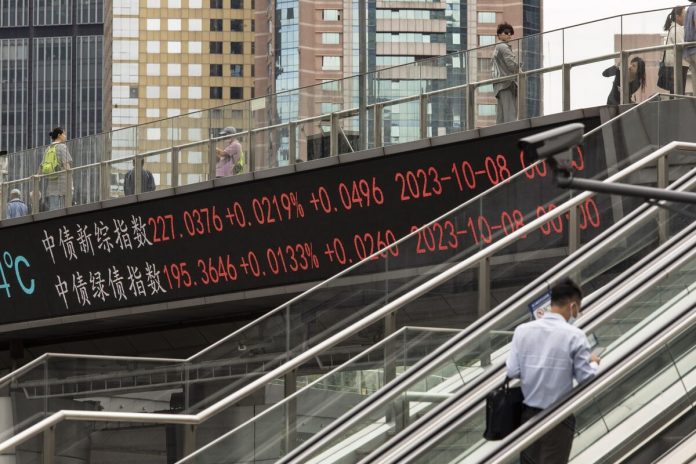
China’s stock market has been in a free fall since the beginning of the year, wiping out more than $1 trillion in market capitalization in days. This is the worst start to a year for the world’s second-largest economy, and it has sparked fears of a global slowdown and a financial crisis.

What is behind this dramatic plunge? There are several factors at play, but the main ones are:

The coronavirus outbreak: The deadly virus that originated in Wuhan, China, has infected more than 20,000 people and killed over 400, as of February 4. The outbreak has disrupted travel, trade, and business activity in China and beyond, as authorities impose lockdowns and quarantines to contain the spread. The impact on China’s economy, which accounts for about 16% of global GDP, is expected to be significant and lasting.

The trade war with the US: Although China and the US signed a phase one trade deal in January, the trade tensions between the two countries are far from over. The deal only covers some of the issues that have been at the center of the dispute, such as intellectual property rights, agricultural purchases, and currency manipulation.

Many other thorny topics, such as industrial subsidies, cyber security, and human rights, remain unresolved. The trade war has already taken a toll on China’s exports, manufacturing, and investment, and it could escalate again if either side fails to comply with the deal’s terms.

The debt problem: China’s debt-to-GDP ratio has soared to more than 300%, one of the highest in the world. Much of this debt is held by state-owned enterprises (SOEs), local governments, and shadow banks, which are less regulated and more risky than traditional banks.

The high level of debt poses a threat to China’s financial stability and growth potential, as it increases the risk of defaults, bad loans, and asset bubbles. The government has been trying to rein in the debt problem by tightening credit conditions and cracking down on shadow banking, but this has also slowed down economic activity and reduced liquidity in the market.

The structural slowdown: China’s economy has been slowing down for years, as it transitions from a low-cost manufacturing hub to a more consumption-driven and service-oriented economy.

This is a natural and inevitable process for any developing country, but it also means that China can no longer rely on cheap labor, massive infrastructure spending, and export-led growth to fuel its expansion. China’s growth rate fell to 6.1% in 2019, the lowest in nearly three decades, and it is expected to drop further this year.

These factors have created a perfect storm for China’s stock market, which has lost about 10% of its value since January 17. The market is also highly volatile and speculative, as it is dominated by retail investors who tend to follow herd behavior and react to news and rumors.

The government has intervened several times to prop up the market, by injecting liquidity, cutting interest rates, suspending trading fees, and banning short selling. However, these measures have had limited effect, as investors remain pessimistic about the outlook for China’s economy and corporate earnings.

The slump in China’s stock market has also had spillover effects on other markets around the world, especially those that are closely linked to China’s trade and supply chains. The MSCI All Country World Index, which tracks stocks across 49 countries, has fallen by about 4% since January 17. The US stock market has also suffered its worst week since August last year, as investors worry about the impact of the coronavirus outbreak on global growth and demand.

The question now is whether China’s stock market crash will trigger a broader financial crisis or a recession. While some analysts have drawn parallels with the 2008 global financial crisis or the 1997 Asian financial crisis, others have argued that China’s situation is different and more manageable.

They point out that China still has ample policy tools and fiscal space to stimulate its economy and support its financial system. They also note that China’s capital controls limit the outflow of money and prevent a currency crisis or a balance of payments crisis.

However, there are also risks and challenges that could worsen China’s situation or hamper its recovery. For instance:

The coronavirus outbreak could worsen or last longer than expected, causing more human suffering and economic damage.

The trade deal with the US could unravel or face implementation difficulties, reigniting the trade war and hurting business confidence.

The debt problem could escalate or trigger a wave of defaults or bankruptcies among SOEs, local governments, or shadow banks.

The structural slowdown could deepen or expose more weaknesses in China’s economic model or governance system.

Argentine government removes crypto taxes

0

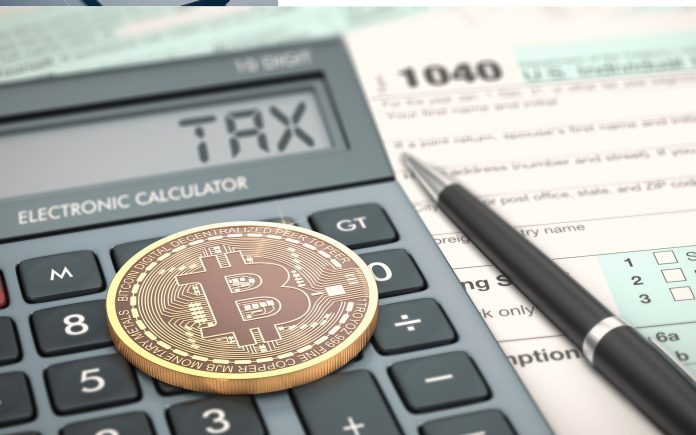
In a surprising move, the Argentine government has announced that it will remove all taxes on cryptocurrency transactions, effective immediately. This decision comes amid a severe economic crisis that has seen the country’s currency, the peso, lose more than 80% of its value in the last five years.

Argentine government under President Javier Milei has announced that it will adopt Bitcoin as its official currency, along with the peso. This makes Argentina the first country in the world to embrace cryptocurrency as a legal tender, following the example of El Salvador, which made Bitcoin a national currency in 2021.

The decision comes after years of economic turmoil and hyperinflation that have eroded the value of the peso and the confidence of the people in the government. According to Milei, a libertarian economist and a vocal advocate of Bitcoin, the adoption of cryptocurrency will empower the citizens, reduce corruption, and attract foreign investment.

Milei said in a televised speech that “Bitcoin is the money of the future, and Argentina is ready to be part of that future. We are a crypto native nation, with a young and tech-savvy population that understands the benefits of decentralization and freedom. We are not afraid of innovation, we embrace it.”

The government has also announced a series of measures to facilitate the transition to Bitcoin, such as creating a state-backed exchange platform, providing tax incentives for crypto-related businesses, and launching educational campaigns to raise awareness and literacy among the public. The government will also allow citizens to pay taxes and fees in Bitcoin and will accept Bitcoin as a reserve asset.

The government said that the measure aims to encourage innovation, entrepreneurship and financial inclusion in the country, as well as to attract foreign investment and boost the local crypto industry. According to the official decree, published in the Official Gazette, any income or capital gains derived from the purchase, sale, exchange or transfer of cryptocurrencies will be exempt from income tax, value-added tax (VAT) and wealth tax.

The decree also states that crypto assets will be considered as movable property for tax purposes, and that any expenses related to their acquisition or maintenance will be deductible. Additionally, the decree establishes a simplified registration process for crypto-related businesses and a legal framework for smart contracts and decentralized applications (DApps).

The announcement was welcomed by the Argentine crypto community, which has seen a significant growth in recent years due to the high inflation and currency controls in the country. According to data from Chainalysis, Argentina ranked 11th in the world in terms of crypto adoption in 2020, with more than $3 billion worth of transactions.

Some experts believe that the tax exemption could further increase the demand for cryptocurrencies in Argentina, as well as attract more talent and capital to the sector. However, others warn that the measure could also pose some risks, such as money laundering, tax evasion and regulatory uncertainty.

The Argentine government said that it will monitor the impact of the tax exemption on the economy and the fiscal balance, and that it may revise or modify the decree if necessary. It also said that it will continue to work with other countries and international organizations to establish common standards and best practices for the regulation of cryptocurrencies.

Farmers protest at Frankfurt airport in Germany

Hundreds of farmers gathered at the Frankfurt airport to protest against the government’s agricultural policies. The protesters blocked the access roads to the airport, causing traffic jams and delays for travelers. They also displayed banners and signs with slogans such as “Stop the farm killing” and “We feed you, we deserve respect”.

The main cause of the protests is the planned expansion of the airport, which would require the acquisition of more than 500 hectares of agricultural land. The farmers who own or lease this land are opposed to the expansion, claiming that it would destroy their livelihoods and harm the environment. They argue that the airport already occupies too much land and emits too much noise and pollution.

The farmers have been demanding that the airport authorities and the government cancel the expansion project and compensate them for their losses. They have also been calling for more support for sustainable agriculture and rural development. They have staged several demonstrations at the airport, blocking roads, occupying terminals, and even flying drones over the runways.

The airport authorities and the government have defended the expansion project, saying that it is necessary to meet the growing demand for air travel and to boost the economy. They have also claimed that they have followed all the legal procedures and offered fair compensation to the affected farmers. They have condemned the protests as illegal and dangerous and have deployed police and security forces to restore order.

The protests have sparked a heated debate in Germany and beyond, with some people supporting the farmers’ cause and others criticizing their actions. Some experts have suggested that the airport expansion is a symptom of a larger problem: the lack of a coherent and long-term strategy for land use and transportation in Germany. They have urged for more dialogue and cooperation among different stakeholders to find a balanced and sustainable solution.

The farmers are unhappy with the low prices they receive for their products, the high costs of production, and the strict environmental and animal welfare regulations imposed by the European Union. They claim that these factors are driving them out of business and threatening their livelihoods. They demand more financial support from the government, as well as more flexibility and autonomy in their farming practices.

The protest was organized by the German Farmers’ Association (DBV), which represents about 300,000 farmers across the country. The DBV said that the protest was a “last resort” to draw attention to the plight of the farmers and to urge the government to take action. The DBV also warned that more protests could follow if their demands are not met.

The government has expressed sympathy for the farmers, but also urged them to end their blockade of the airport. The Minister of Agriculture, Julia Klöckner, said that she was willing to engage in dialogue with the farmers, but also defended the EU regulations as necessary for ensuring food safety and environmental protection. She said that the government had already provided some financial aid to the farmers, and that more measures were being discussed.

The protest at the Frankfurt airport is part of a wider movement of farmers’ protests across Europe. In recent months, farmers have staged similar demonstrations in France, Belgium, the Netherlands, and Ireland. The protests reflect the growing dissatisfaction and frustration of the agricultural sector, which faces multiple challenges from climate change, global competition, and changing consumer preferences.

AI-powered crypto data dashboard and Web3 is not just about Money

0

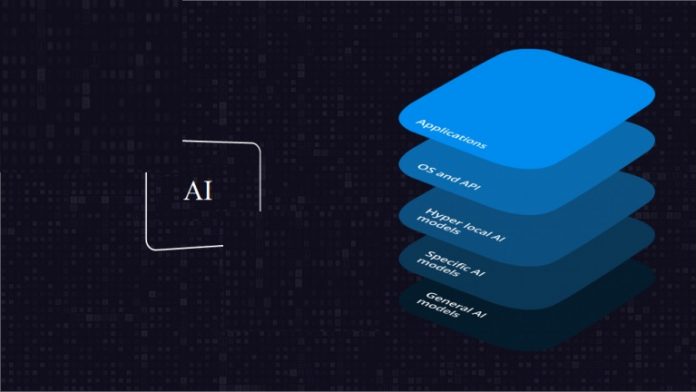
The cryptocurrency market is volatile, complex and unpredictable. To succeed in this fast-paced and competitive environment, traders need access to reliable, accurate and timely data. That’s why AI-powered crypto data dashboard is revolutionary for Degen traders.

AI-powered crypto data dashboard is a tool that uses artificial intelligence (AI) to analyze, visualize and interpret various types of crypto data, such as price movements, trading volume, sentiment, network activity, social media buzz and more. It helps Degen traders to make informed and data-driven decisions, as well as to identify opportunities, risks and trends in the market.

AI-powered crypto data dashboard is revolutionary for Degen traders because it offers several advantages over traditional data sources and tools. Some of these advantages are:

It is faster and more efficient. AI-powered crypto data dashboard can process large amounts of data in real time and provide insights in seconds. It can also automate tasks such as data collection, cleaning, filtering and aggregation, saving time and resources for traders.

It is smarter and more accurate. AI-powered crypto data dashboard can apply advanced algorithms and machine learning techniques to analyze data and generate predictions, recommendations and alerts. It can also learn from past data and adapt to changing market conditions, improving its performance and accuracy over time.

It is more comprehensive and diverse. AI-powered crypto data dashboard can integrate and correlate data from multiple sources and dimensions, such as exchanges, blockchains, social media platforms, news outlets and more. It can also display data in various formats, such as charts, graphs, tables, maps and more, enhancing the user experience and understanding.

It is more customizable and flexible. AI-powered crypto data dashboard can be tailored to the specific needs and preferences of each trader. It can also be accessed from any device, anywhere and anytime, providing convenience and mobility for traders.

AI-powered crypto data dashboard is revolutionary for Degen traders because it empowers them to leverage the power of data and AI to gain an edge in the crypto market.

Here are some of the benefits of using AI-powered crypto data dashboard.

You can access data from multiple sources, such as exchanges, wallets, social media, news outlets, and more. You can also customize your dashboard to display the data that matters most to you.

You can visualize data in various ways, such as charts, graphs, tables, heatmaps, and more. You can also filter, sort, and compare data according to your preferences.

You can use AI features to get insights, recommendations, and alerts. For example, you can use sentiment analysis to gauge the market mood, trend analysis to identify patterns and signals, anomaly detection to spot unusual events and opportunities, and more.

You can also use AI features to automate your trading. For example, you can use trading bots to execute trades based on predefined rules and conditions, or use smart contracts to execute trades based on real-time data and events.

You can also use AI features to learn from your trading history and improve your performance. For example, you can use backtesting to evaluate your strategies and optimize your parameters, or use machine learning to discover new strategies and patterns.

AI-powered crypto data dashboard is not just a tool. It’s a game-changer. It’s a platform that can help you trade faster, smarter, and better. It’s a platform that can help you achieve your trading goals and maximize your profits.

If you are a Degen trader who wants to take advantage of the crypto revolution, you need AI-powered crypto data dashboard. It’s the ultimate solution for your trading needs.

It enables them to discover new opportunities, optimize their strategies, reduce their risks and maximize their profits. It is a game-changer for the crypto industry and a must-have for every Degen trader.

Web3 is not just about Money

Web3 is a term that refers to the decentralized, open, and user-centric web that is powered by blockchain technology. It is a vision of a web where users have more control over their data, identity, and digital assets, and where intermediaries are replaced by peer-to-peer networks and smart contracts.

But Web3 is not just about money. It is not just about creating new forms of value exchange, or enabling new business models, or disrupting existing industries. It is also about creating new forms of social interaction, collaboration, and governance. It is about empowering communities to shape their own future, and to participate in the global commons.

Web3 is not just about money. It is a paradigm shift that will transform the way we interact with the internet and each other. Web3 is the vision of a decentralized, open and fair web, where users have control over their own data, identity and assets. Web3 is powered by blockchain technology, which enables peer-to-peer transactions, smart contracts and distributed applications without intermediaries or gatekeepers.

Web3 is more than just a technological innovation. It is also a social and cultural phenomenon that has the potential to transform the way we communicate, create, and cooperate online.

One of the main features of Web3 is that it is decentralized. This means that instead of relying on centralized servers and intermediaries, Web3 applications run on peer-to-peer networks that are powered by distributed ledger technologies, such as blockchain.

This allows users to have more control over their own data, identity, and digital assets, as well as to participate in the creation and maintenance of the network. Decentralization also fosters diversity and inclusion, as anyone can join and contribute to Web3 without needing permission or approval from a central authority.

Another key aspect of Web3 is that it is programmable. This means that Web3 applications can be customized and automated using smart contracts, which are self-executing agreements that are written in code and stored on the blockchain.

Smart contracts can enable new forms of value exchange, coordination, and innovation, as they can facilitate trustless transactions, incentivize collaboration, and create novel business models. Programmability also enhances creativity and experimentation, as users can create and modify their own Web3 applications according to their needs and preferences.

A third important aspect of Web3 is that it is community-driven. This means that Web3 applications are not only built by developers, but also by users who can shape and influence the development and direction of the projects they are involved in.

Community-driven development can foster a sense of ownership and belonging among users, as well as a culture of learning and sharing. Community-driven development can also enable new forms of governance, such as DAOs (decentralized autonomous organizations), which are collective entities that are governed by smart contracts and the decisions of their members.

These are some of the social and cultural aspects of Web3 that make it a unique and exciting space to explore. Web3 can transform the way we communicate, create, and cooperate online by empowering users, enabling innovation, and fostering community. Web3 is not only a new technology, but also a new paradigm for the web and for society.