DD
MM
YYYY

PAGES

DD
MM
YYYY

spot_img

PAGES

Home Blog Page 3374

The Origin of the US-Iran Standoff can be traced back to the 1953 Coup d’état

0

The US and Iran have been locked in a standoff over Iran’s nuclear program and its regional influence for decades. The tensions have escalated and de-escalated several times, but the core issues remain unresolved. In this blog post, I will examine the historical background, the current situation, and the possible outcomes of this long-standing conflict.

The origins of the US-Iran standoff can be traced back to the 1953 coup d’état that overthrew the democratically elected Prime Minister Mohammad Mosaddegh and restored the monarchy under Shah Mohammad Reza Pahlavi. The coup was orchestrated by the CIA and the British intelligence, who feared that Mosaddegh would nationalize Iran’s oil industry and align with the Soviet Union.

The Shah ruled Iran with an iron fist, suppressing opposition and dissent, and relying on the US for military and economic support. He also embarked on a modernization and westernization program that alienated many traditional and religious sectors of Iranian society.

The Shah’s regime was toppled by the 1979 Islamic Revolution, led by Ayatollah Ruhollah Khomeini, who established an Islamic Republic based on the principle of velayat-e faqih (guardianship of the jurist). The revolution was a watershed moment in Iranian history, as it marked a rejection of foreign interference and a return to Islamic values and identity.

However, it also sparked a hostile reaction from the US, which severed diplomatic ties with Iran and imposed sanctions. The US also supported Iraq in its eight-year war with Iran, which claimed hundreds of thousands of lives on both sides.

The US-Iran standoff entered a new phase in 2002, when President George W. Bush labeled Iran as part of the “axis of evil”, along with Iraq and North Korea. Bush accused Iran of pursuing nuclear weapons and supporting terrorist groups such as Hezbollah and Hamas.

The US also accused Iran of meddling in Iraq and Afghanistan, where the US had invaded and toppled the regimes of Saddam Hussein and the Taliban. Iran denied these allegations and insisted that its nuclear program was peaceful and that its regional activities were legitimate.

The standoff reached a critical point in 2015, when Iran and six world powers (the US, China, Russia, France, Britain, and Germany) signed the Joint Comprehensive Plan of Action (JCPOA), also known as the Iran nuclear deal. The deal required Iran to limit its nuclear activities in exchange for relief from sanctions.

The deal was hailed as a diplomatic breakthrough that could pave the way for a broader dialogue and cooperation between Iran and the West. However, it also faced fierce opposition from Israel, Saudi Arabia, and some US lawmakers, who argued that it was too lenient and did not address Iran’s ballistic missile program and its regional role.

The standoff took a dramatic turn in 2018, when President Donald Trump withdrew the US from the JCPOA and reimposed sanctions on Iran.

Trump called the deal “the worst deal ever” and vowed to exert “maximum pressure” on Iran to force it to renegotiate a more comprehensive agreement that would also curb its missile program and its support for proxy forces in the region. Iran responded by gradually reducing its compliance with the JCPOA and resuming some of its nuclear activities.

The standoff escalated further in 2020, when the US assassinated Qasem Soleimani, the commander of Iran’s elite Quds Force, in a drone strike in Baghdad. Iran retaliated by launching missile attacks on US bases in Iraq but avoided direct confrontation.

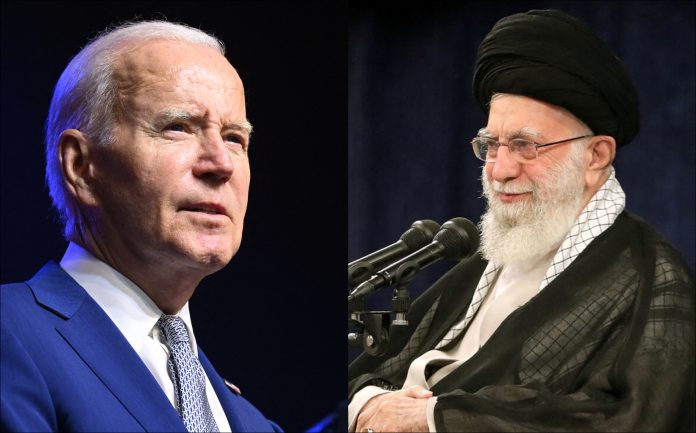
The standoff is now at a crossroads, as President Joe Biden has expressed his willingness to rejoin the JCPOA if Iran returns to full compliance. Biden has also signaled his interest in engaging with Iran on other issues of mutual concern, such as regional stability, human rights, and counterterrorism.

However, Biden faces several challenges and constraints, such as the opposition from Israel and some Gulf states, the skepticism from some US allies in Europe, the resistance from some US lawmakers from both parties, and the domestic pressure to prioritize other issues such as COVID-19 and climate change.

Iran also faces its own challenges and constraints, such as the upcoming presidential election in June 2021, which could bring a more hardline leader to power who may be less inclined to negotiate with the US.

Iran also faces economic hardship due to sanctions and pandemic, social unrest due to repression and corruption, security threats due to regional rivalries and conflicts, and environmental crises due to droughts and floods.

The outcome of the standoff is uncertain and depends on many factors. Some possible scenarios are:

A return to diplomacy: Both sides agree to revive the JCPOA and engage in further talks on other issues. This scenario would require mutual trust, goodwill, flexibility, patience, and coordination among all parties involved.

A continuation of stalemate: Both sides remain stuck in their positions and fail to reach an agreement. This scenario would entail more sanctions, more nuclear activities, more regional tensions, and more risks of miscalculation and escalation.

A spiral into war: Both sides resort to military action and trigger a wider regional conflict. This scenario would have devastating consequences for human lives, infrastructure, economy, environment, and security.

The US-Iran standoff is one of the most complex and consequential issues in the world today. It has implications not only for the two countries, but also for the region and the international community. It is a test of diplomacy, leadership, and vision. It is a challenge for peace, justice, and cooperation. It is a choice between war and peace.
Corruption Implications Widen in Nigeria As EFCC recover Over N30bn from Humanitarian Ministry

0

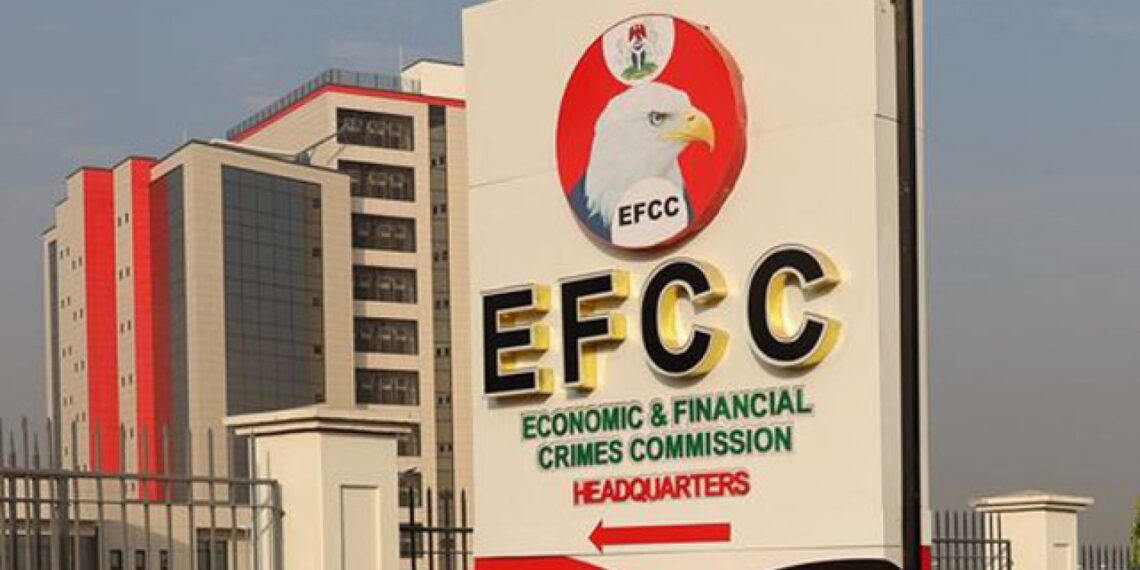
In a startling revelation, the Economic and Financial Crimes Commission (EFCC) said it has successfully uncovered a massive corruption scandal at the Ministry of Humanitarian Affairs, leading to the recovery of over N30 billion.

The scandal, which has widened the implication of corruption in Nigeria, initially implicated the former minister, Sadiya Umar-Farouq, in a money laundering scheme totaling N37.1 billion. The EFCC’s relentless pursuit resulted in the imposition of liens on bank accounts, leading to the recovery of a substantial amount.

An unnamed EFCC source told The Punch; “The commission has now recovered over N30bn from the laundered N37.1bn that was linked to former minister Sadiya Umar-Farouq,” emphasizing the gravity of the corruption.

Both the former minister and the contractor, James Okwete, are reportedly under daily interrogation, shedding light on the pervasive corruption within Nigeria’s humanitarian sector.

The current Minister of Humanitarian Affairs, Betta Edu, is now implicated in a separate N17 billion fraud, leading to her suspension. The EFCC has already recovered over N500 million linked to this scandal, intensifying the scrutiny on Edu as investigators delve into the layers of corruption within the ministry. The suspended Coordinator of the National Social Investment Programme (NSIP), Halima Shehu, is also facing allegations of an N44 billion fraud, adding to the complex web of corruption.

The EFCC, in a recent statement, disclosed that a total of N70,556,658,370.5 was recovered between October 2023 and January 19, 2024, underlining the scale of financial mismanagement. The breakdown includes N60,969,047,634.25, $10,522,778.57, £150,002.10, and €4,119.90.

The commission said it received 3,325 petitions during this period, accepted 2,657, and secured the conviction of 747 individuals for various financial crimes.

The EFCC’s Operations and Recoveries document underlines the widespread nature of corruption, with the Lagos Zonal Command alone recovering a staggering N6,826,993,798.78, $868,284.61, £147,672.10, and €1,899.90.

Despite these successes, EFCC Chairman Ola Olukoyede revealed that most of the convictions were related to cybercrime offenses. As of January 31, 2024, the total amount involved in money laundering cases, implicating high-profile public officials, has surged to around N130.1 billion.

The ongoing probes and discoveries are detailed in an EFCC document titled ‘100 Days in Office,’ reflecting the commission’s commitment to transparency and accountability.

The Troubling Implications

The implications of the corruption scandal at the Ministry of Humanitarian Affairs are far-reaching. The financial drain on public resources, erosion of public trust, humanitarian consequences, systemic weaknesses in governance, and the impact on Nigeria’s international reputation are among pressing concerns.

Financial Drain on Public Resources

The recovery of over N30 billion from the Ministry of Humanitarian Affairs sheds light on a significant financial drain on Nigeria’s public resources. The misappropriation of funds, totaling N37.1 billion, intended for humanitarian purposes reveals a dire misuse of financial allocations.

These diverted funds were meant to address the needs of vulnerable and marginalized populations, contributing to the exacerbation of economic challenges faced by many Nigerians.

Erosion of Public Trust

Corruption scandals at the highest levels of government erode public trust in institutions and public officials. The involvement of the former Minister, Sadiya Umar-Farouq, in a money laundering scheme further shakes the foundation of trust that citizens place in their government.

The subsequent suspension of the current Minister, Betta Edu, and the Coordinator of the National Social Investment Programme, Halima Shehu, intensifies the public’s skepticism, hindering citizens’ willingness to engage with government programs and initiatives.

Humanitarian Consequences

The Ministry of Humanitarian Affairs is tasked with addressing the needs of vulnerable populations. The alleged misappropriation of funds directly impacts the lives of those dependent on government support.

The diversion of funds meant for critical programs can result in the denial of essential services, exacerbating poverty and widening existing socio-economic disparities. The scandal, therefore, has not only financial but also humanitarian consequences.

Systemic Weaknesses in Governance

The depth of corruption uncovered by the EFCC raises questions about the effectiveness of governance and oversight mechanisms within Nigerian ministries.

The fact that such large sums of money could be misappropriated without detection for an extended period points to systemic weaknesses in the checks and balances meant to prevent corruption.

International Reputation

Corruption scandals not only affect domestic affairs but also impact Nigeria’s international standing. Such revelations can undermine confidence among foreign investors, hampering economic growth and development.

International organizations may be reluctant to collaborate on initiatives aimed at addressing global challenges if there are concerns about the mismanagement of funds at the national level. The tarnishing of Nigeria’s international reputation poses additional challenges to the nation’s progress on the global stage.

A Call for Reforms

The extensive recoveries made by the EFCC and ongoing investigations emphasize the need for comprehensive reforms in Nigeria’s anti-corruption efforts. Strengthening institutions, enhancing transparency, and promoting accountability at all levels of government have been advocated as essential steps toward combating corruption effectively.

Additionally, antigraft advocates have emphasized the need for a robust legal framework that ensures swift and severe consequences for those engaged in corrupt practices.

As Zuckerberg’s Meta Explores New Horizons with WhatsApp to Disrupt iPhone’s Blue Bubble Monopoly

0

The seemingly innocuous color of a message bubble has sparked a subtle but profound divide among iPhone users. The comforting blue bubbles of iMessage, exclusive to Apple devices, have become a symbol of camaraderie.

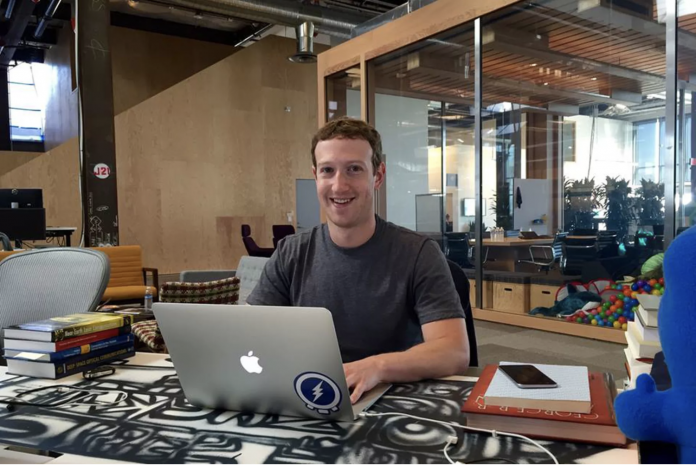
However, Mark Zuckerberg, the visionary CEO of Meta, appears ready to challenge this iPhone-centric norm by strategically leveraging WhatsApp, a messaging platform acquired by Facebook in 2014 for a staggering $19 billion.

While the blue-green messaging dichotomy might be dismissed as a superficial aspect of the smartphone experience, Apple has staunchly defended this visual distinction. The rejection of an app allowing Android users to mimic the coveted blue bubbles underscores Apple’s commitment to maintaining this exclusivity.

Within Zuckerberg’s expansive Meta empire, which includes social media giants Facebook and Instagram, WhatsApp emerges as a potential game-changer. Though not as ubiquitous in the United States, WhatsApp boasts a global user base of approximately 2 billion people, establishing itself as a communication powerhouse, particularly in international markets.

In a notable interview last year, Zuckerberg positioned WhatsApp as Meta’s “next chapter,” signaling a deliberate shift in strategic focus. This shift occurs against the backdrop of discussions dominated by artificial intelligence and the metaverse, adding an extra layer of intrigue to WhatsApp’s prominence.

Zuckerberg has offered glimpses into the trajectory of this “next chapter.” WhatsApp is strategically positioning itself as a business-friendly platform, introducing features that empower businesses to link multiple devices for efficient customer message management. Meta’s suite of tools, utilized by major brands such as Chevrolet and Samsung, streamlines customer interaction by eliminating the need for live support, elevating the overall business experience on the platform.

The appeal of WhatsApp’s business-centric features is evident in the U.S., where a reported 80% increase in daily business users was noted last year, aligning with the broader trend of businesses seeking streamlined ways to engage with their customer base.

Beyond its business-centric evolution, WhatsApp is carving a niche as a haven for personal interactions, emphasizing privacy at a time when social media platforms face heightened scrutiny. As users become more discerning about their online presence, the demand for private spaces to connect with friends and family has surged, creating an opportune environment for WhatsApp’s group chats to flourish.

The introduction of the “Channels” feature in 2023 further expands WhatsApp’s repertoire. This feature allows users to follow influencers and receive updates through a broadcast-style format, mirroring the popular Instagram story feature. WhatsApp aims to provide the benefits of social media without the accompanying publicity, catering to users seeking a more controlled and private online environment.

WhatsApp is also poised to outshine iMessage in the group chat domain. While Apple’s iMessage restricts groups to 32 users, WhatsApp accommodates over 1,000 users in a single group—a significant difference that may attract users seeking expansive and inclusive group communication platforms.

Zuckerberg’s strategic foray into this “next chapter” extends beyond a mere push for business messaging. It reflects a comprehensive effort to reshape how Americans communicate online. As users explore alternatives to traditional social media platforms, WhatsApp’s unique blend of business-friendly features and enhanced personal communication capabilities positions it as a formidable contender in challenging the entrenched dominance of blue bubbles.

As WhatsApp targets both business and personal communication needs, it emerges as a potent force in challenging the existing market dominated by Apple’s iMessage. With Zuckerberg betting on business messaging as the next major pillar, the battleground for user preference in the ever-evolving digital communication industry is set to intensify.

Tekedia Capital: our mission is Your Prosperity

0

Tekedia Capital aspires to become one of the leading financial institutions with an African heritage. With investments in more than 100 companies, we have created thousands of jobs, fixed market frictions, and advanced communities, through entrepreneurial capitalism. Learn how we’re building and rebuilding nations here.

Tekedia Capital >> our mission is Your Prosperity.

  • Prof Ndubuisi Ekekwe
  • Founder & Chairman
  • Tekedia Capital, USA

*Image: imagined art, not a real photo.

Tekedia Mini-MBA edition 13 Learners, Welcome

0

Tekedia Mini-MBA edition 13 has started and Week 1 courseware posted. Please check the Board. The Zoom link for the first live session, scheduled 7pm WAT on Saturday, Feb 10, 2024, has been posted.

From next week (week of Feb 12), we will be meeting live on Tuesdays, Thursdays and Saturdays at 7pm-8pm WAT. Please put these dates on your calendar as we do not send reminders.


How To Setup Your Account if Not Done Yet

Greetings. Thanks for joining us at Tekedia Institute. We have created or upgraded your account at https://school.tekedia.com/ with your email address (the very one you are receiving this invitation for account setup). This is a different location from where you read the ebooks.

There are three steps; Step 3 is compulsory. If you do not do Step 3, you will not see your course in your profile. Here is the instruction for account setup – https://school.tekedia.com/support/support/. (Please note the support video on the page as it may be helpful)

Once you complete the setup, you will see a post under LESSONS titled “Board13: Program News, Zoom Schedules and WhatsApp Link”. Please read it and join the WhatsApp Group, and note the Live Zoom schedules. The Week 1, Week 2, etc will drop as we progress in the program.


Register

Yes, Tekedia Mini-MBA edition 13 begins. I invite you to join us if you have not registered. It is going to be a playground of knowledge. Accelerate your leadership ascent with Tekedia Institute.